
To survive the intense monsoon rains, high humidity, and severe typhoons in the Philippines, outdoor solar security lights require a minimum rating of IP65, though IP66 or IP67 is highly recommended for fully exposed areas. Alongside water resistance, heavy-duty build quality—such as UV-stabilized polycarbonate, anti-corrosion treated aluminum, and rust-proof stainless steel hardware—is essential to prevent premature degradation. High humidity and salt-laden air, especially in coastal regions, accelerate the wear on seals and electronics. Choosing the right specifications ensures your security lighting remains operational when power grids fail during major storms.
Rather than relying on generic “waterproof” marketing labels, buyers must verify specific technical standards, housing materials, and installation methods to secure a long-lasting setup. This guide breaks down how to evaluate these technical specifications, choose the right materials for tropical climates, and execute a secure installation that withstands extreme weather.
Understanding IP Ratings for Heavy Monsoon and Typhoon Conditions
The Ingress Protection (IP) rating system is an international standard that defines how effectively an electrical enclosure seals against solids and liquids. The rating consists of two digits: the first digit (ranging from 0 to 6) indicates protection against solid objects like dust and dirt, while the second digit (ranging from 0 to 9) measures protection against water ingress. For heavy-duty outdoor solar security lights, a high dust rating of 6 is standard, meaning the unit is completely dust-tight. The critical decision factor for tropical climates lies in the second digit, which dictates how well the light handles intense rainfall.
Products mentioned in this guide
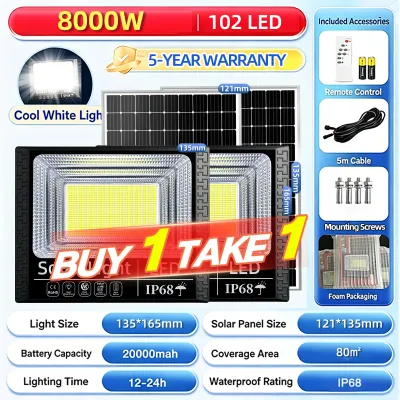
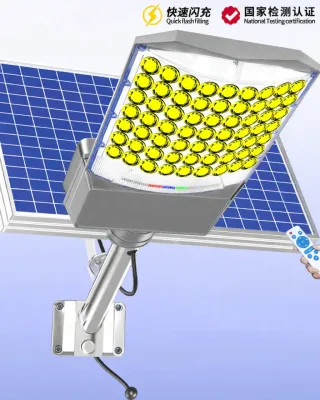
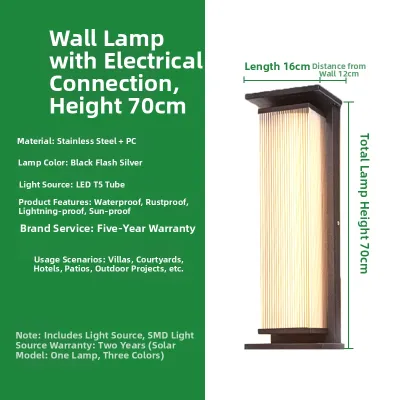
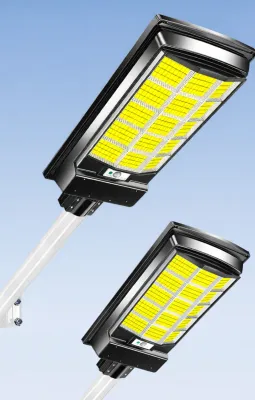
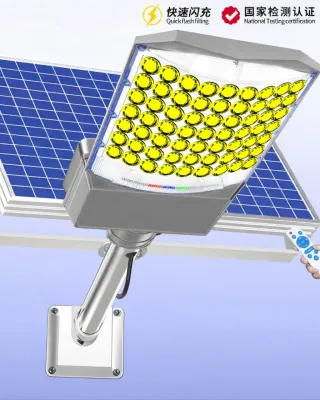
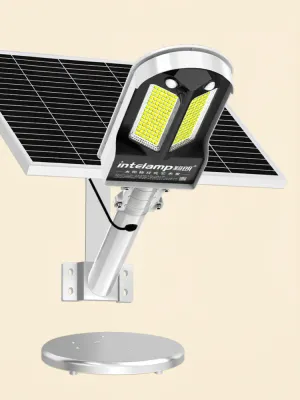
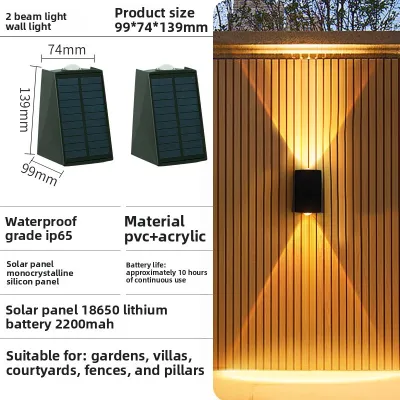
Prices are valid at publication and may change. Please refer to the product page for the latest price.
An IP65 rating signifies that the fixture can withstand water jets sprayed from a nozzle at any angle. While this is generally sufficient for standard rainy seasons, it may struggle during severe typhoons where wind-driven rain acts as a high-pressure force. An IP66 rating offers protection against powerful water jets, making it far more suitable for exposed walls, poles, and rooftops that bear the brunt of tropical storms. For low-lying areas or ground-level installations prone to temporary flooding, an IP67 rating is ideal, as it certifies that the light can survive temporary immersion in water up to one meter deep for up to thirty minutes.
To verify these ratings, look for official IP markings molded directly onto the light’s housing, printed on the product packaging, or detailed in the manufacturer’s technical specification sheets. Avoid products that only use vague marketing terms like “waterproof” or “weather-resistant” without providing an official IP rating. It is also important to remember that IP ratings only test for dust and water ingress; they do not guarantee that the fixture can withstand physical impacts from flying storm debris or falling branches during high-wind events.
Essential Build Materials for Humid and Salty Environments
The structural housing of an outdoor solar light determines how well it resists physical wear, intense solar radiation, and corrosive atmospheric conditions. In the Philippines, high ambient humidity and salt-laden coastal air can rapidly degrade low-quality materials. The three most common housing materials are acrylonitrile butadiene styrene (ABS) plastic, polycarbonate, and die-cast aluminum, each offering distinct performance characteristics under tropical conditions.

ABS plastic is lightweight and highly cost-effective, making it a popular choice for budget-friendly security lights. However, standard ABS is highly susceptible to ultraviolet (UV) degradation from constant sun exposure, which causes the plastic to become brittle, fade, and eventually crack. If choosing ABS, verify that the manufacturer specifies the use of UV-stabilized ABS or protective UV coatings. Polycarbonate, on the other hand, is a much tougher thermoplastic that offers superior impact resistance and thermal stability, making it highly resilient against physical impacts and intense heat.
For heavy-duty applications, die-cast aluminum is often preferred due to its structural strength and excellent heat dissipation properties, which help extend the lifespan of the internal LED chips. However, aluminum is prone to oxidation when exposed to moisture and salt. To prevent this, ensure the aluminum housing features an anti-corrosion powder coating or a marine-grade finish. Additionally, inspect the mounting hardware, brackets, and screws; these components must be made of rust-proof materials like grade 304 or 316 stainless steel to prevent rust streaks on your walls and structural failures during high winds.
While structural durability is paramount, aesthetic aspects like decorative style, perceived color temperature (such as cool white for high-visibility security or warm white for a softer ambiance), and spatial lighting effects remain conditional preferences. These visual choices should be balanced against the primary requirement for robust, weather-resistant construction.
Solar Panel and Battery Housing Considerations
The physical configuration of a solar security light plays a major role in its wind resistance and overall durability. Buyers must choose between integrated (all-in-one) designs and split-panel designs. Integrated fixtures combine the solar panel, battery, motion sensor, and LED light head into a single housing. While this simplifies installation and eliminates external wiring, it creates a larger, flatter surface area that acts like a sail in high winds, increasing the mechanical stress on the mounting bracket.
Split-panel designs separate the solar panel from the light head, connecting them via a dedicated cable. This configuration allows you to mount the solar panel at the optimal angle and location for maximum sunlight exposure while placing the heavier light head in a more sheltered position. However, split systems introduce external wiring, which represents a potential point of failure. When evaluating split-panel models, inspect the cable entry points and wire joints. They must feature waterproof, screw-lock connectors equipped with internal rubber O-rings to prevent water from seeping into the electrical connections.
The battery compartment is another critical area vulnerable to water ingress. High-quality solar security lights seal the battery chamber with thick, durable rubber gaskets or silicone seals. When purchasing, check if the battery compartment is accessible for future replacements. If it is, ensure that the sealing gasket remains perfectly seated and uncompromised when the compartment is closed. A pinched or degraded gasket will allow humid air to condense inside, leading to battery corrosion, short circuits, and premature product failure.
Installation and Placement for Maximum Weather Resistance
Proper installation is just as important as choosing the right IP rating when it comes to weatherproofing. When mounting solar panels, always maintain an optimal tilt angle of at least 10 to 15 degrees. This slope prevents rainwater from pooling on the glass surface and along the housing seams. The flowing water also helps wash away accumulated dust, pollen, and bird droppings, maintaining the panel’s charging efficiency without requiring constant manual cleaning.
Securing the fixture against typhoon-force winds requires robust mounting hardware tailored to the specific installation surface. When mounting on concrete, brick, or masonry walls, use heavy-duty expansion bolts or concrete anchors rather than standard plastic wall plugs, which can loosen under continuous wind vibration. For wooden structures, ensure screws penetrate deep into solid structural studs rather than thin siding. Always apply an outdoor-grade silicone sealant around the drilled holes and behind the mounting bracket to prevent water from migrating into the wall cavity or behind the light fixture.
Before purchasing, always verify the fixture’s technical specifications, including its voltage compatibility (for hybrid solar-wired models), base or interface type, wattage limits, physical dimensions, and dimming methods. Ensure the product carries recognized electrical certifications to guarantee safe operation in your specific installation environment.
If your security light requires integration with existing fixed electrical wiring, is mounted in extremely damp areas, requires working at significant heights, or involves heavy suspended loads, prioritize safety. Always isolate the power source, strictly follow the manufacturer’s installation instructions, and consult a qualified professional to handle the electrical and structural work safely.
Maintenance and Inspection After Severe Weather
Conducting regular post-storm inspections is essential to ensure the long-term reliability of your outdoor security lights. Once it is safe to go outside after a heavy storm or typhoon, perform a thorough visual check of each fixture. Look for physical damage such as cracked protective lenses, loose mounting brackets, or shifted solar panel angles. Check the LED lens for any signs of internal condensation or water droplets, which indicate that a seal has failed and moisture has penetrated the housing.
Maintaining the cleanliness of the solar panel is vital for preserving its charging capacity, especially after storms that carry wind-blown dirt and debris. Clean the panel surface using a soft, non-abrasive microfiber cloth and clean water. Do not use abrasive scrubbing pads, harsh chemical detergents, or high-pressure washers, as these can scratch the tempered glass or strip away protective anti-reflective coatings, permanently reducing solar energy absorption.
Establish clear stop conditions for when a fixture must be repaired or replaced. If you observe exposed or frayed wiring, a severely bloated battery casing, deep structural cracks in the housing, or persistent flickering and short-circuiting, turn off the device immediately if possible. Do not attempt to patch compromised electrical components yourself. Consult the manufacturer’s support channels or replace the unit entirely to avoid the risk of electrical fires, battery hazards, or physical injury.
Frequently Asked Questions (FAQ)
Can I use an IP65 solar light if it is placed under a roof eave?
Yes, an IP65 rating is generally sufficient for semi-sheltered locations like roof eaves or covered patios. Under an eave, the fixture is protected from direct, heavy vertical downpours, though it may still encounter wind-blown moisture or high humidity. Always verify the manufacturer’s specific guidelines regarding mounting clearance and sun exposure, as the solar panel must still receive adequate sunlight to charge.
Does a higher IP rating mean the light is also drop-proof or impact-resistant?
No, IP ratings measure protection against solids and liquids, not mechanical impacts. To evaluate impact resistance, look for an IK rating (such as IK08 or higher) or choose fixtures constructed with shatterproof polycarbonate lenses and heavy-duty metal housings. These materials provide better protection against flying debris during severe tropical storms.
Community discussion
Share your experience or ask a question. Comments are reviewed before publication.