
When planning garden or patio lighting, selecting the correct level of water resistance is critical to ensure your fixtures survive the elements. In the Philippines, where torrential monsoon rains, high humidity, and intense tropical heat are year-round realities, relying on generic marketing terms like “waterproof” can lead to premature failure, short circuits, and safety hazards. To safeguard your home, you must look at the standardized Ingress Protection (IP) rating.
For sheltered areas like covered porches, carports, and deeply recessed balconies, a minimum rating of IP44 is generally sufficient to protect against ambient moisture and light splashes. However, if you are mounting wall lamps outdoor waterproof fixtures on fully exposed exterior walls, perimeter fences, or garden facades where they will face driving tropical rain and typhoons, you must opt for an IP65 or IP66 rating. For low-lying installations near ground level, pathways prone to puddling, or areas adjacent to swimming pools and water features, an IP67 or IP68 rating is required to withstand temporary submersion or heavy splashing. Understanding these specific thresholds ensures you invest in fixtures that are safe, durable, and compliant with local safety standards.
Decoding the IP Code: What the Numbers Actually Mean
The Ingress Protection (IP) rating is an international standard defined by the International Electrotechnical Commission (IEC). It provides an objective measurement of how well an enclosure protects internal components from solid objects and liquids. While “waterproof” is a broad marketing term, the IP rating provides a precise, standardized measurement of what a fixture can actually withstand.
Products mentioned in this guide
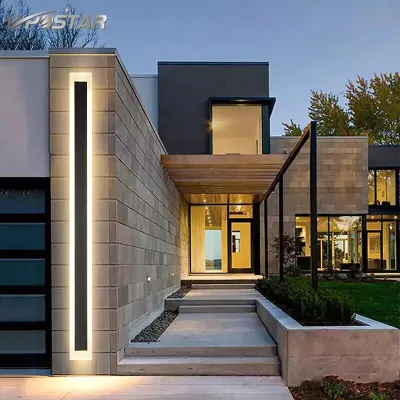
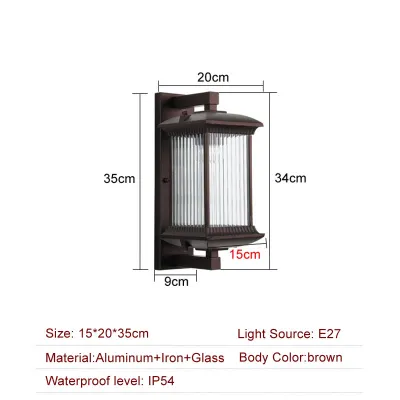
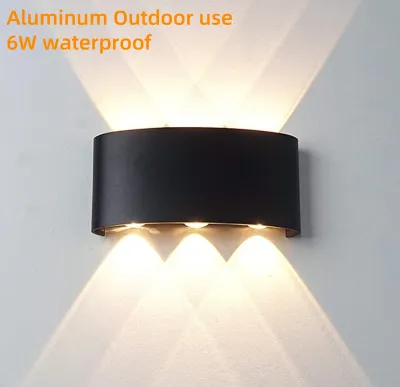
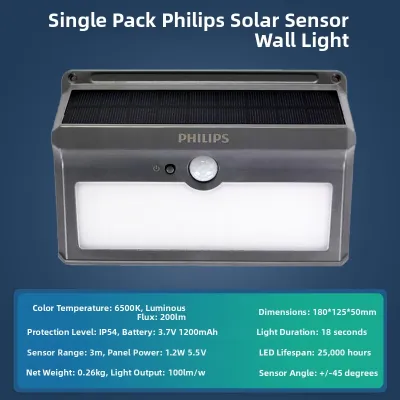
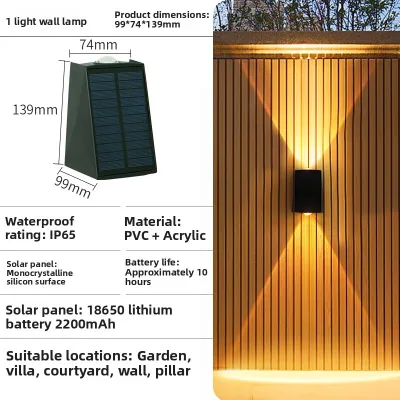
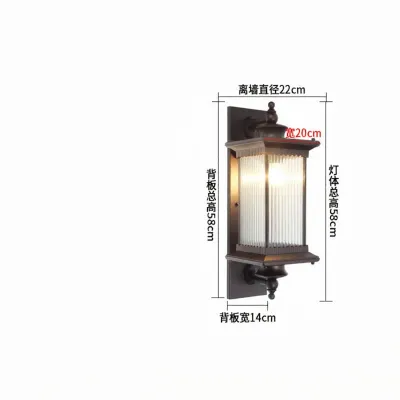
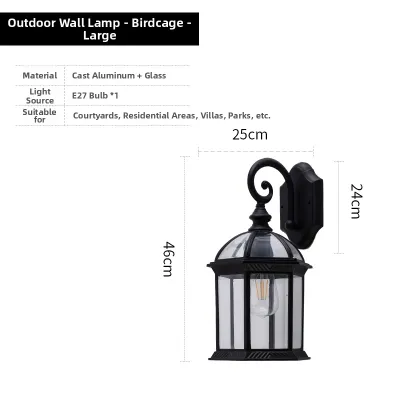
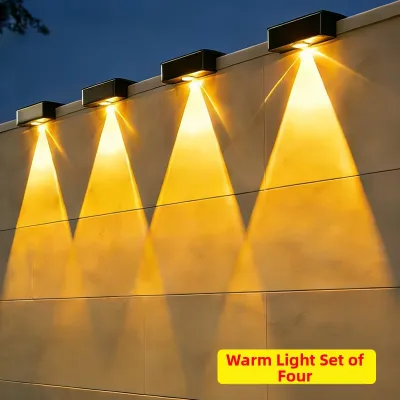
Prices are valid at publication and may change. Please refer to the product page for the latest price.
The first digit, ranging from 0 to 6, indicates protection against solid objects and dust. A rating of 6 represents a completely dust-tight enclosure, preventing insects and sand from accumulating inside the housing.
The second digit, ranging from 0 to 9K, is the most critical for outdoor wall lamps because water ingress is the primary failure point for outdoor lighting. This digit measures resistance to liquids under varying pressures and angles. For instance, a second digit of 4 indicates protection against splashing water from any direction, while a 5 or 6 indicates resistance to low-pressure and high-pressure water jets. Ratings of 7 and 8 cover temporary or continuous submersion. Checking this precise rating on the product label is the only way to verify a lamp’s true capabilities.
Matching IP Ratings to Your Outdoor Wall Locations
Selecting the right IP rating is not about buying the highest number available. High-IP-rated fixtures often carry a premium price tag, so matching the rating to the specific location of your wall lamp is the most practical approach. In tropical climates, exposure levels vary dramatically within a single property.

Sheltered and Semi-Exposed Areas (IP44 / IP54)
For wall lamps installed under deep roof overhangs, covered patios, balconies, or carports, an IP44 or IP54 rating is the minimum requirement. These locations are physically shielded from direct, vertical rainfall, meaning the fixture only needs to withstand ambient moisture, high humidity, and occasional wind-blown mist.
An IP44 rating ensures protection against solid objects larger than 1 millimeter and splashing water from any direction. Upgrading to IP54 provides additional protection against dust, which is highly beneficial in urban areas. However, these ratings are not designed for direct, driving rainfall or hose-down cleaning. When cleaning these spaces, avoid spraying water directly at IP44 or IP54 lamps with a garden hose.
Fully Exposed Walls and Heavy Rain (IP65 / IP66)
If you are mounting fixtures on open exterior walls, garden fences, gateposts, or any facade without overhead protection, you must look for an IP65 or IP66 rating. These areas are completely exposed to the elements, meaning they must bear the full force of seasonal monsoons and intense typhoons.
An IP65-rated fixture is completely dust-tight and can withstand low-pressure water jets from any direction. An IP66 rating takes this further, certifying resistance to high-pressure water jets. These ratings ensure protection against driving rain and severe storm conditions common in the Philippines, making them essential for surviving direct rain without moisture penetrating the casing.
Ground Level and Near Water Features (IP67 / IP68)
Low-mounted wall lamps, step lights, and fixtures installed near garden ponds, swimming pools, or areas prone to puddling and flooding require the highest levels of ingress protection. For these high-risk zones, you should exclusively select IP67 or IP68 fixtures.
An IP67 rating certifies that the fixture can be safely submerged in water up to 1 meter deep for up to 30 minutes. An IP68 rating indicates suitability for continuous submersion. These ratings cover temporary or continuous submersion, which is necessary if the low-mounted fixture might be hit by heavy pool splashes or accidental flooding during torrential rains.
Weatherproofing Beyond the IP Rating: Materials and Seals
While the IP rating measures ingress protection, it does not cover long-term material durability. An outdoor wall lamp must also withstand intense ultraviolet (UV) radiation, high humidity, and corrosive air—especially in coastal areas where salty sea breezes can rapidly degrade metals and plastics.
The choice of housing material is critical for longevity. High-quality outdoor fixtures typically utilize powder-coated die-cast aluminum, marine-grade stainless steel, or UV-stabilized polycarbonate. Powder-coated aluminum offers excellent heat dissipation and rust resistance. If you choose plastic or polycarbonate fixtures, ensure they are specifically rated as UV-stabilized; otherwise, the intense tropical sun will cause the casing to become brittle, discolor, and crack within a few seasons, destroying the fixture’s waterproof integrity.
Beyond the external shell, look for physical design cues like thick silicone seals or rubber gaskets around the lens, mounting plate, and wire entry points. Low-grade rubber gaskets tend to dry out and crack when exposed to high temperatures, compromising the IP rating over time. Additionally, some outdoor fixtures feature small, integrated drainage holes or condensation channels at the bottom of the housing. These channels allow internal condensation—caused by temperature shifts—to escape safely without pooling around electrical components.
Always verify the manufacturer’s stated operating temperature and humidity ranges on the product label. Extreme heat can degrade seals over time regardless of the initial IP rating, making high-quality materials and robust seals essential for long-term performance. While decorative style, perceived color temperature (such as warm white versus cool daylight), and spatial lighting effects are conditional aesthetic preferences, they do not impact the physical durability or safety of the fixture.
Safe Installation Practices for Wet and Damp Locations
Installing outdoor electrical fixtures carries inherent risks, particularly in damp or wet environments. Water and electricity are a lethal combination, making proper installation practices and strict adherence to safety protocols absolutely non-negotiable.
Before beginning any installation, maintenance, or bulb replacement, you must turn off the power at the main circuit breaker controlling that specific lighting circuit. Never rely solely on a wall switch to isolate the power. Use a reliable voltage tester to confirm that the wires are completely dead before proceeding.
All wiring connections for outdoor wall lamps must be housed within outdoor-rated, waterproof junction boxes sealed with appropriate gaskets. When running cables along exterior walls, always use outdoor-rated, UV-resistant cables that can withstand exposure to sunlight and moisture without degrading. Creating a “drip loop”—a small downward curve in the cable just before it enters the fixture or junction box—ensures that rainwater runs off the wire rather than trickling into the electrical connection.
Furthermore, verify all technical specifications before installation. Ensure that the voltage matches your home’s electrical supply (typically 220V in the Philippines), and check that the bulb’s wattage does not exceed the fixture’s maximum rating. Verify the base type (such as E27), dimensions, dimming method, installation environment, and electrical certifications (such as the PS mark or ICC sticker).
Because working with fixed wiring in damp environments, working at heights, or handling suspended loads presents significant safety risks, it is strongly advised to hire a licensed electrician. A qualified professional will ensure your installation complies with local electrical codes, incorporates proper grounding, and utilizes Ground Fault Circuit Interrupter (GFCI) protection to prevent severe shock hazards.
Frequently Asked Questions (FAQ)
Can I use an indoor wall lamp outside if it is under a covered porch?
You should strictly avoid using indoor wall lamps in any outdoor location, even if it is completely sheltered under a deep porch. Indoor fixtures lack the necessary seals against ambient humidity, condensation, and blowing dust. Over time, moisture will penetrate an indoor lamp’s unsealed housing, leading to rapid corrosion of the electrical contacts, short circuits, and a high risk of electrical shock or fire. Always select a fixture with a verified outdoor IP rating of at least IP44 for sheltered spaces.
Does a higher IP rating mean the light fixture is impact-proof?
No, a high IP rating does not mean a light fixture is resistant to physical impacts. The IP rating system only measures protection against the ingress of solid objects and liquids. If you need an outdoor wall lamp that can withstand physical blows, look for its IK rating. The IK code is an international standard measuring protection against mechanical impacts, ranging from IK00 to IK10. For high-traffic areas, select fixtures with both a high IP rating and a high IK rating.
Community discussion
Share your experience or ask a question. Comments are reviewed before publication.