
A 12-watt LED light on a ceiling fan is generally bright enough to serve as the primary ambient light source for small to medium-sized rooms, such as a standard bedroom or a cozy dining area. However, whether it feels bright enough in your specific space depends on several factors beyond the wattage number itself. Because ceiling fans are crucial for maintaining airflow in warm, humid tropical climates like the Philippines, they often serve a dual purpose as the central light fixture, making the quality of that light highly important. To determine if a 12-watt LED will meet your needs, you must look at how much actual light it emits, how your room is laid out, and how the fixture is designed.
Watts vs. Lumens: What 12W Actually Means for LED Brightness
To understand the true brightness of a 12-watt LED light, it is essential to separate power consumption from light output. Watts measure the amount of electrical energy a bulb consumes, not the amount of light it produces. In the past, homeowners relied on incandescent wattages to guess brightness, but modern LED technology has made this method obsolete by producing far more light with a fraction of the energy.
Actual brightness is measured in lumens. Because LED efficiency varies widely depending on the manufacturer, the internal driver design, and the quality of the components, two different 12W LED lights can produce noticeably different levels of brightness. For example, one standard 12W LED might emit 900 lumens, while a highly efficient model of the same wattage might deliver 1,200 lumens or more.
Products mentioned in this guide
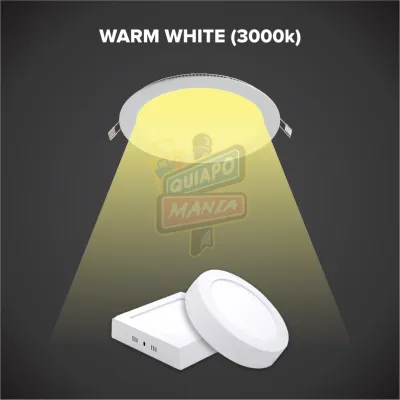

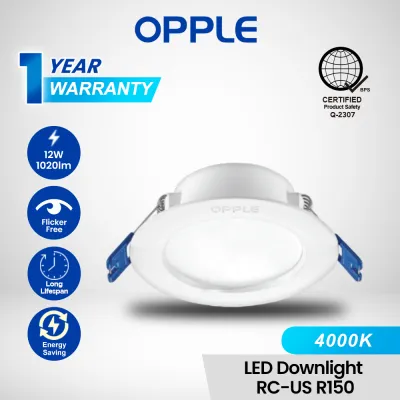
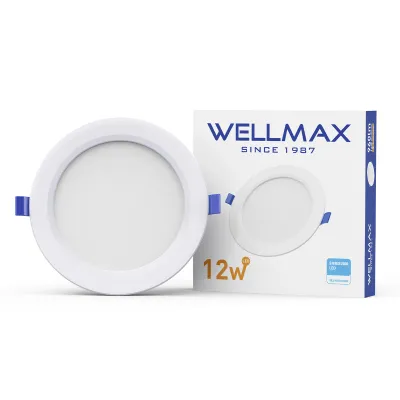
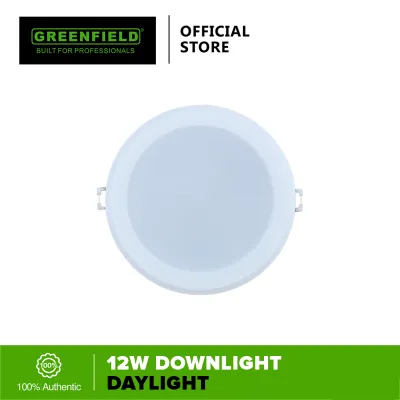
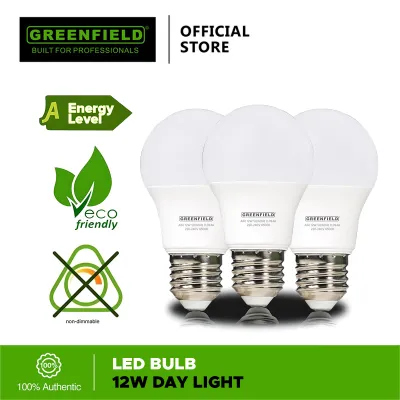
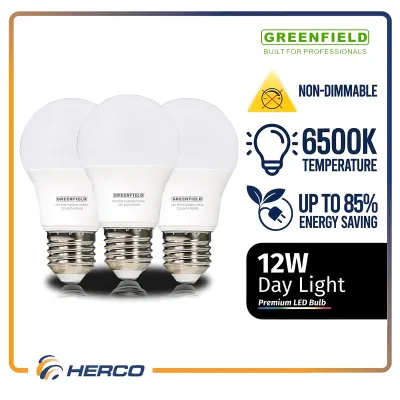
Prices are valid at publication and may change. Please refer to the product page for the latest price.
To make an informed decision, always look for the lumen rating rather than relying solely on the wattage. This information is typically printed on the product packaging, the specification sheet, or the sticker located on the base of the ceiling fan fixture. Look for a number followed by “lm” to find the true light output of the unit.
How to Determine if 12W is Enough for Your Space
Evaluating whether a 12W LED is sufficient requires looking at your room’s dimensions and primary activities. A standard bedroom of about 10 to 12 square meters can be comfortably illuminated by a single 12W LED producing around 900 to 1,000 lumens for general ambient activities. However, if the room serves as a home office or study where you need to read or perform detailed tasks, this level of light might feel insufficient on its own.

Ceiling fan design also plays a major role in how light is distributed. Because ceiling fans are suspended loads mounted high on the ceiling, the light must travel a greater distance to reach your living space, which naturally diffuses its intensity. Furthermore, many ceiling fans feature frosted glass or plastic covers over the light kit to prevent glare, but these covers also absorb a portion of the light output.
Additionally, you must consider the physical placement of the fan blades. If the light source is positioned too close to or above the spinning blades, it can cast distracting, strobing shadows across the room. A basic rule of thumb for ambient residential lighting is to aim for roughly 100 to 200 lumens per square meter. If your 12W LED falls short of this calculation for your room’s size, you will likely need to supplement it with other light sources.
Key Lighting Specs to Check Beyond Wattage
Beyond wattage and lumens, several secondary specifications significantly affect how bright and comfortable the light feels in your space. Color temperature, measured in Kelvin (K), is a key factor. Cooler light temperatures, such as daylight (5,000K to 6,500K), often appear visually brighter and crisper to the human eye, making them popular for active spaces. Warmer tones, like warm white (2,700K to 3,000K), create a cozy, relaxing atmosphere but can make a room feel dimmer even if the lumen output is identical.
The Color Rendering Index (CRI) is another crucial spec to check. A higher CRI, typically 80 or above, ensures that colors under the light look natural and vibrant. Low CRI lighting can make a room look dull, gray, or washed out, which reduces visual comfort and makes it harder to see details clearly.
Finally, always verify dimmability and electrical compatibility before installation. If you plan to use a dimmer switch or a remote control to adjust the light level, the 12W LED must be explicitly rated as dimmable. Using a non-dimmable LED on a dimming circuit can cause flickering, buzzing, or premature driver failure. Always verify that the fixture matches the local voltage standard (typically 220V) and carries proper safety certifications, such as the PS or ICC mark.
What to Do If Your Ceiling Fan Light Falls Short
If your 12W ceiling fan light is already installed and the room still feels too dark, you do not necessarily need to replace the entire fixture. Layering your lighting is an effective way to solve this issue. Adding supplementary fixtures, such as floor lamps in dark corners, table lamps on side tables, or wall sconces, can fill in the gaps and eliminate shadows without overloading your ceiling fixture.
If you prefer to upgrade the light source within the fan itself, check the ceiling fan’s manual for the maximum wattage limit and the specific socket type, such as E27 or GU10. Exceeding the fixture’s rated wattage limit can cause overheating, melt plastic components, and pose a serious fire hazard.
For any task involving fixed wiring, working at height on a ladder, or handling heavy suspended loads, prioritize safety. Always isolate the power at the main circuit breaker before touching any electrical components. If you need to replace the light kit, modify the internal wiring, or install a completely new ceiling fan, stop and consult a qualified professional electrician to ensure a safe and compliant installation.
Frequently Asked Questions (FAQ)
Can I replace a 12W integrated LED board with a higher wattage?
Replacing an integrated LED board is not as simple as unscrewing a standard bulb. Integrated boards are factory-sealed modules designed to work with a specific internal driver and heat sink. Attempting to swap it for a higher-wattage board can lead to severe heat dissipation risks, driver failure, or even a fire hazard. Doing so will also void the manufacturer’s warranty. If your integrated LED board fails or is too dim, you generally have to replace the entire light kit assembly or the fixture itself, which should be handled by a professional.
Does the color of the fan light cover affect brightness?
Yes, the physical design and material of the light cover significantly impact light transmission. Heavily frosted, opaque, or dark-tinted glass shades absorb a measurable amount of light, sometimes reducing the perceived brightness by 20% to 40%. If your goal is to maximize the light output from a 12W LED, choose a clear, lightly frosted, or white acrylic cover that allows the maximum amount of light to pass through while still minimizing direct glare.
Community discussion
Share your experience or ask a question. Comments are reviewed before publication.