
Installing a high-powered light on your condominium balcony can transform a dark outdoor nook into a functional, inviting space. However, introducing a 100-watt LED fixture operating at 220 volts requires careful technical evaluation before installation. In the Philippines, where tropical storms, high humidity, and strict condominium association rules are standard, safety and compatibility must come first. Ensuring your electrical system can handle the load and that the fixture can withstand the elements is essential to prevent electrical hazards, property damage, or fines from your building administration.
Checking Voltage and Power Compatibility
Before purchasing or mounting any fixture, you must verify that its electrical specifications align with the local power supply. The standard utility power in the Philippines is delivered at 220 volts with a frequency of 60 Hertz. While many imported LED lights are rated for 220V, some are designed specifically for 50Hz grids. Operating a 50Hz driver on a 60Hz system can cause flickering, overheating, or premature driver failure, so always check the manufacturer’s label for a “220V-240V 50/60Hz” or “220V 60Hz” rating.
It is also vital to distinguish between actual power draw and equivalent wattage. A fixture labeled as “100W LED” might actually consume 100 watts of electricity, or it might be a lower-wattage LED that claims to produce the light equivalent of a 100-watt traditional bulb. An actual 100-watt LED draws a true 100 watts of power and is exceptionally bright, comparable to a commercial floodlight. If it is a true 100-watt draw, it will pull approximately 0.45 amperes of current on a 220V line, which must be factored into your balcony’s total circuit capacity.
Products mentioned in this guide
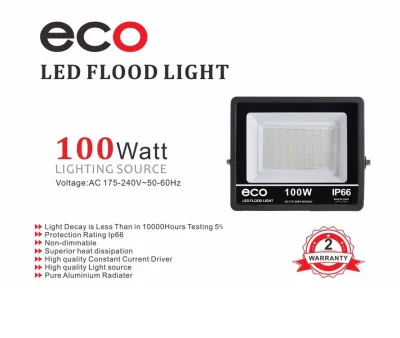
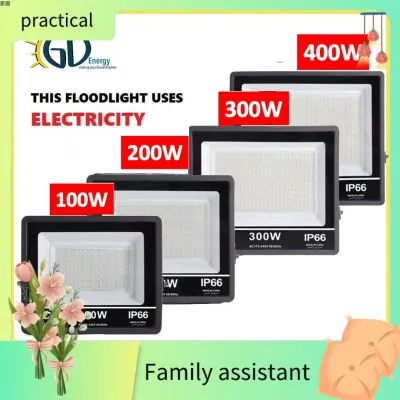
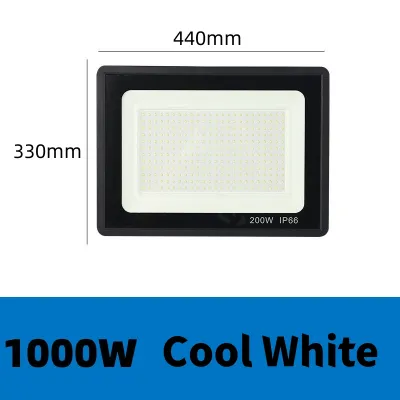
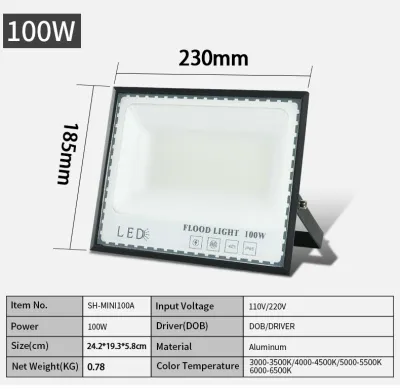
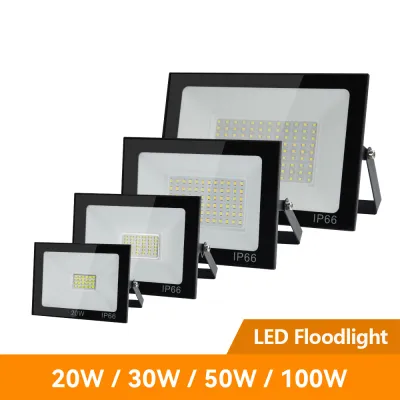
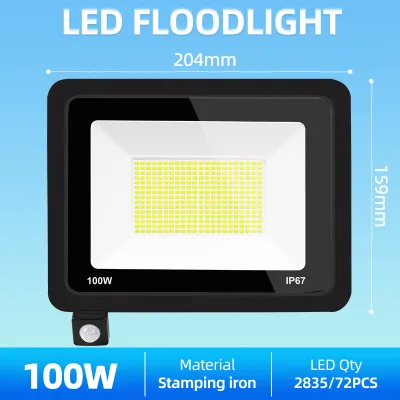
Prices are valid at publication and may change. Please refer to the product page for the latest price.
Your condo’s balcony outlet or light box is connected to a specific branch circuit, usually shared with other outdoor outlets or adjacent indoor spaces. You must locate your unit’s electrical panel and identify the circuit breaker controlling the balcony. Standard residential lighting circuits in Philippine condos are typically rated for 10 or 15 amperes, wired with 2.0 mm² (14 AWG) copper conductors. Ensure the cumulative load of all devices on that circuit, including your new high-wattage LED, does not exceed 80 percent of the breaker’s rated capacity to prevent nuisance tripping.
Evaluating Outdoor and Balcony Safety Requirements
Condo balconies in the Philippines are highly exposed to extreme weather, including intense tropical heat, high humidity, and heavy, wind-driven rain during the monsoon season. Because water conducts electricity, any light fixture installed in this environment must possess an appropriate Ingress Protection (IP) rating. For fully exposed balconies, a minimum rating of IP65 is highly recommended, indicating the fixture is dust-tight and protected against water jets. For covered balconies that still experience wind-blown moisture, do not go lower than IP44.

Heat dissipation is another critical factor for a true 100-watt LED fixture. High-wattage LEDs generate substantial heat concentrated at the LED chips and the internal driver. Without adequate airflow and a robust aluminum heatsink, this heat will rapidly degrade the components, leading to dimming, color shifting, or total failure. Avoid installing a 100-watt LED inside tight, enclosed decorative covers or recessed ceiling pockets unless the fixture is explicitly rated for enclosed spaces.
The materials of the fixture itself must also resist the local climate. Constant exposure to ultraviolet (UV) rays from the tropical sun can degrade cheap plastics, causing them to become brittle and crack, which compromises the water seal. Look for fixtures constructed with powder-coated aluminum, stainless steel, or UV-stabilized polycarbonate. Inspect the gaskets and seals around the wire entry points and lens to ensure they are made of durable silicone that will not dry out and crack over time.
Navigating Condo Rules and Installation Boundaries
Condominium living comes with shared structural responsibilities and strict aesthetic guidelines managed by the condo corporation or building administration. Before making any modifications, obtain a copy of your building’s house rules regarding balcony installations. Many administrations prohibit drilling into structural concrete columns or exterior walls to preserve structural integrity and waterproofing membranes. Additionally, high-intensity lights like a 100-watt LED can cause severe glare or light pollution, disturbing your neighbors or altering the building’s uniform exterior appearance.
The method of installation also dictates whether you can complete the project yourself or must hire a professional. If you are simply plugging a pre-assembled, outdoor-rated fixture into an existing, ground-fault circuit interrupter (GFCI) protected balcony outlet, this is generally a safe DIY task. However, if the installation requires tapping into existing wiring, mounting a new junction box, or hardwiring the fixture directly into the building’s electrical system, you must hire a licensed electrician.
Hardwiring tasks require isolating the power at the main circuit breaker and verifying the absence of voltage with a reliable tester before touching any wires. In many Philippine condominiums, building administrations require a work permit and proof of professional electrical certification before allowing any hardwired installations. Attempting to bypass these rules can void your appliance warranties, violate local electrical codes, and lead to costly fines or safety hazards.
Pre-Installation Verification Checklist
To ensure a safe and successful installation, perform these essential checks before mounting your light:
- Check the Product Label: Confirm the fixture displays a clear rating of 220V (preferably 60Hz), states its actual wattage draw, and carries a verified outdoor IP rating (IP65 or higher for exposed areas).
- Inspect the Power Source: Test the balcony outlet or light box for stable voltage. Ensure the outlet is equipped with a functioning GFCI cover and receptacle to protect against ground faults in wet weather.
- Assess the Mounting Surface: Verify that your mounting hardware is compatible with the balcony's construction materials, such as concrete expansion shields for solid walls or appropriate anchors for drywall or metal framing.
- Examine the Seals: Check that all rubber gaskets, cable glands, and seals on the fixture are fully intact, seated correctly, and free of debris before securing the housing.
Frequently Asked Questions (FAQ)
Can I use an indoor 100W LED light on a covered balcony?
No, you should never use an indoor-rated light fixture on a balcony, even if the area is fully covered. Covered balconies in tropical climates are still subjected to high ambient humidity, condensation, and wind-driven rain during typhoons. Indoor fixtures lack the necessary rubber gaskets, sealed wire compartments, and corrosion-resistant materials required to prevent moisture from reaching live electrical components, creating a severe risk of short circuits or electrical fires.
Will a 100W LED light trip my condo's circuit breaker?
A single 100-watt LED light draws less than half an ampere of current, which is highly unlikely to trip a standard 10-ampere or 15-ampere circuit breaker on its own. However, if the balcony circuit is already heavily loaded with high-draw appliances like an outdoor electric grill, a portable air conditioner, or indoor appliances sharing the same breaker, adding a true 100-watt load could push the circuit over its limit. Always calculate the total wattage of all active devices on the circuit to ensure it remains within safe operating limits.

Community discussion
Share your experience or ask a question. Comments are reviewed before publication.