
Yes, a flood light 220v fixture is fully compatible with standard Philippine home electrical outlets and wiring. The standard residential electrical supply in the Philippines is officially rated at 230V with a frequency of 60Hz. Because electrical devices rated for 220V are designed to operate safely within the normal voltage tolerances of a 230V system, you can safely install and run these outdoor lights without needing a voltage transformer. However, achieving a completely safe, durable, and code-compliant installation requires verifying your fixture’s physical connections, calculating your home’s circuit capacity, and implementing proper weatherproofing.
Understanding the Standard Electrical Supply in the Philippines
The standard residential electrical grid across the Philippines delivers a nominal voltage of 230V at a frequency of 60Hz. While many homeowners still refer to local household power as “220V” due to historical naming conventions and legacy appliances, the Philippine Electrical Code establishes 230V as the modern utility standard.
Electrical equipment rated for 220V, 230V, or 240V is designed to handle a standard voltage variance of roughly ten percent. This built-in tolerance means a 220V-rated light fixture will run safely and efficiently on a local 230V line without experiencing premature wear, overheating, or electrical stress. You do not need to purchase or install an external step-down or step-up transformer to bridge this minor 10V difference.
Products mentioned in this guide
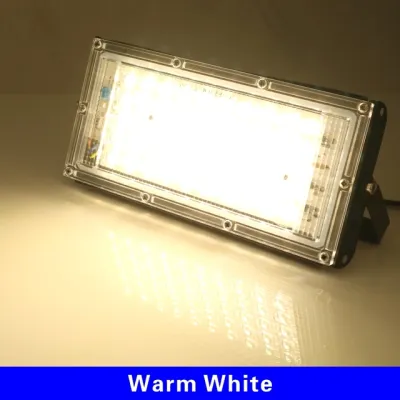
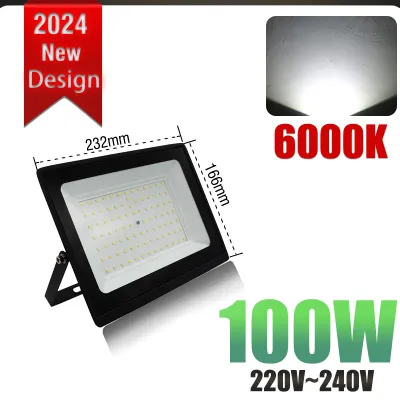
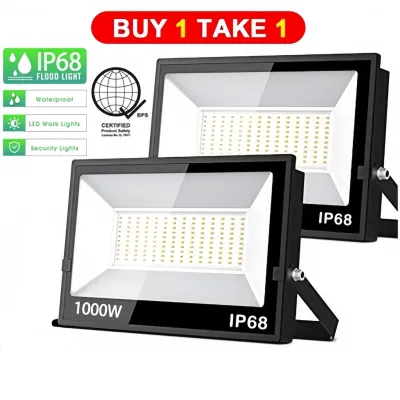
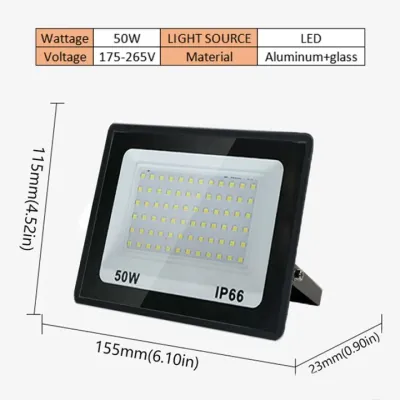
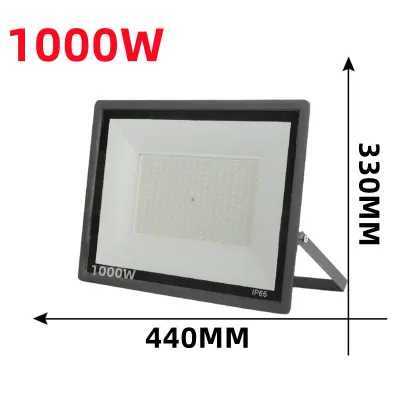
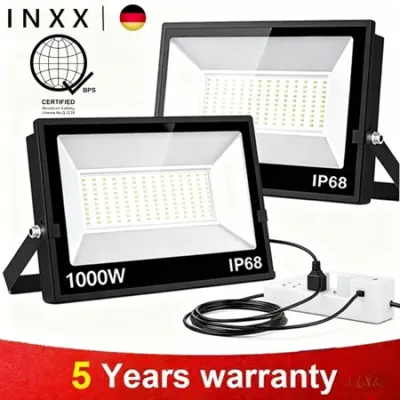
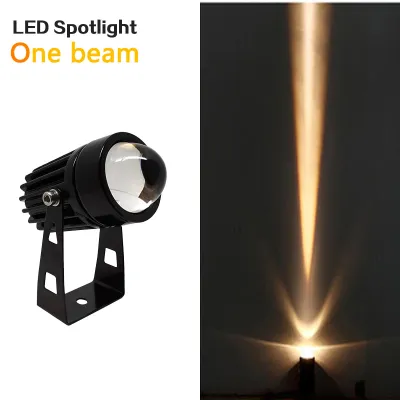
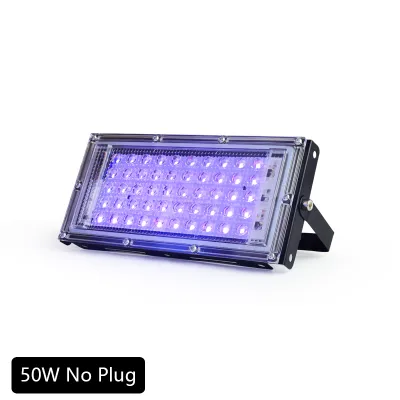
Prices are valid at publication and may change. Please refer to the product page for the latest price.
Minor voltage fluctuations are common in many residential areas, particularly during peak hours or in provincial regions. To ensure long-term reliability under these conditions, look for modern LED fixtures equipped with wide-voltage drivers, which are often labeled to support ranges like 100V–240V or 85V–265V. These wide-range drivers automatically adjust to voltage drops and surges, making them the most robust choice for stable, long-term outdoor use.
Verifying Your Flood Light 220v Power and Connection Type
Before purchasing or mounting any outdoor lighting, you must inspect the manufacturer’s specification label or product manual. Do not rely on a generic product category name to assume compatibility. Instead, verify the specific operating voltage, base or interface type, wattage limit, physical dimensions, dimming method, and recommended installation environment. Look for recognized safety certifications, such as the Philippine Standard (PS) mark or the Import Commodity Clearance (ICC) sticker, which verify that the product has passed local safety and quality testing.

Next, determine how the fixture connects to your electrical system by identifying whether it is a plug-in or a hardwired model. Plug-in models come with a pre-attached power cord and a physical plug. Residential wall outlets in the Philippines typically accept Type A (two flat parallel pins) or Type B (two flat pins with a grounding pin) plugs, and occasionally Type C (two round pins).
If the physical plug on your flood light does not match your outdoor outlet, a simple plug adapter can bridge the physical gap. It is vital to understand that a plug adapter only changes the physical shape of the pins; it does not alter the electrical current or convert voltage. Because a 220V light is already electrically compatible with your 230V supply, a simple physical adapter is perfectly safe. Hardwired models, on the other hand, do not have a plug and feature bare wire leads that must connect directly to your home’s wiring inside a weatherproof junction box.
Calculating Circuit Load and Preventing Overloads
Integrating a new outdoor light, especially a high-power fixture, requires a quick assessment of your home’s existing circuit capacity. Adding too much load to a single circuit can trip breakers, overheat wires, and create fire hazards. To determine the electrical demand of your new lighting, use the basic power formula:
Amps = Watts / Volts
For example, if you install a 100W LED flood light on a standard 220V line, the current draw is approximately 0.45 Amps (100W / 220V = 0.45A). This is an incredibly low load, making modern LED options highly efficient. However, if you are replacing or adding older, high-wattage halogen flood lights (which can easily range from 500W to 1000W per fixture), a single light can draw between 2.27A and 4.55A.
Before installation, locate your home’s main distribution panel and identify the circuit breaker dedicated to your outdoor or garden lighting. Residential lighting branch circuits in the Philippines are commonly rated for 15 Amps or 20 Amps. For continuous loads, such as outdoor security lights that remain on for hours overnight, safety codes recommend keeping the total combined load of all connected devices below 80% of the breaker’s maximum capacity (12 Amps for a 15A breaker, and 16 Amps for a 20A breaker).
Additionally, verify that the existing wire gauge is appropriate for the total amperage of the circuit. Standard lighting circuits typically use 2.0 mm² (14 AWG) copper wire, which is rated for 15 Amps. If you are dealing with older home wiring or planning to daisy-chain multiple high-wattage fixtures across a long garden run, verify the wire condition and gauge to prevent voltage drops and heat buildup.
Outdoor Safety, Weatherproofing, and Installation Boundaries
Outdoor lighting in the Philippines must withstand intense environmental challenges, including torrential monsoon rains, high humidity, and tropical heat. Therefore, the physical installation environment requires strict attention to weatherproofing. Always check the Ingress Protection (IP) rating printed on the product packaging or housing. For reliable outdoor and garden use, a rating of IP65 or higher is highly recommended. An IP65 rating ensures the fixture is completely dust-tight and protected against water jets from any direction, preventing moisture from seeping into the electrical housing.
Electrical safety in damp or wet outdoor areas is paramount. Water is an excellent conductor of electricity, which significantly increases the risk of severe electric shock. To mitigate this hazard, ensure your outdoor circuits are protected by a Ground Fault Circuit Interrupter (GFCI) or a Residual Current Device (RCD). These safety devices constantly monitor the balance of current and will instantly cut off power if a leak to the ground is detected. Proper grounding—connecting the fixture’s ground wire to a dedicated grounding system—is also non-negotiable for metal-bodied flood lights.
While selecting your decorative style, color temperature (such as warm white or daylight), and spatial layout are exciting aspects of landscape design, these are conditional preferences that do not dictate electrical safety. Your primary focus must remain on safe installation practices. Always isolate the power supply at the main circuit breaker before touching any wiring. Carefully read the manufacturer’s installation instructions for your specific model.
For any fixed wiring, installation in damp areas, working at heights (such as mounting lights on high eaves or poles), or handling suspended loads, professional expertise is required. If your installation involves hardwiring, upgrading circuit breakers, running new outdoor conduits, or modifying your main distribution panel, you must hire a licensed professional electrician. This ensures compliance with the Philippine Electrical Code and guarantees the safety of your household.
Frequently Asked Questions (FAQ)
Do I need a voltage transformer for a 220V flood light?
No, you do not need a voltage transformer. Because the standard residential grid in the Philippines delivers 230V, any flood light rated for 220V, 230V, or 240V is fully compatible with your home’s electrical supply. A transformer is only necessary when trying to run a low-voltage fixture (such as 12V or 24V garden lights) or a device strictly rated for 110V. If the physical plug pins of your 220V light do not fit your outdoor wall socket, a simple, low-cost physical plug adapter is all that is required.
Can I use a standard extension cord for an outdoor flood light?
You should avoid using standard indoor extension cords for an outdoor flood light. Indoor cords lack the heavy-duty insulation and weatherproofing needed to resist UV rays, high humidity, and heavy rainfall, creating severe shock and fire hazards. If you must set up a temporary connection, use only heavy-duty, outdoor-rated extension cords that feature built-in grounding and watertight connector covers. For any long-term landscape or security lighting, the safest and most reliable solution is to establish permanent hardwiring through weatherproof conduits or to install dedicated, outdoor-rated weatherproof receptacles.
Community discussion
Share your experience or ask a question. Comments are reviewed before publication.