
Deciding whether to replace a classic bedside fixture with a modern alternative often comes down to how you use your bedroom space. If you find yourself struggling to read comfortably at night, squinting under a harsh glare, or constantly adjusting your position to catch the light, clinging to an old lamp on your nightstand may be doing your eyes a disservice.
Upgrading to a modern reading light is highly beneficial if your current setup causes eye strain, lacks directional adjustability, or relies on inefficient, heat-generating bulbs. However, if your existing bedside lamp is structurally sound, aesthetically pleasing, and provides adequate ambient light for the room, simple modifications like swapping the bulb or repositioning the fixture might be all you need. This guide will help you evaluate lighting quality, eye comfort, and practical installation factors to determine the best path forward for your home.
When to Keep and Optimize Your Old Lamp
Before rushing to replace your current lighting, evaluate whether your existing fixture still has life left in it. An old lamp is worth keeping if it possesses a stable, heavy base, intact wiring, and a reliable, functional switch. If the lamp shade is in good condition and diffuses light evenly without trapping excessive heat, the core structure is still perfectly viable. For many, a bedside lamp also holds sentimental value or matches the bedroom’s decor in a way that modern, minimalist fixtures cannot easily replicate.
Products mentioned in this guide
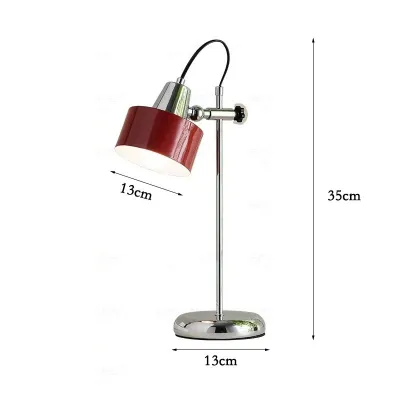
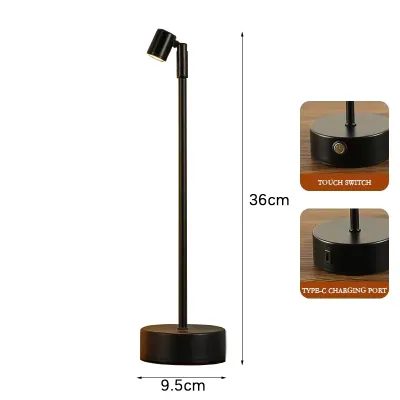
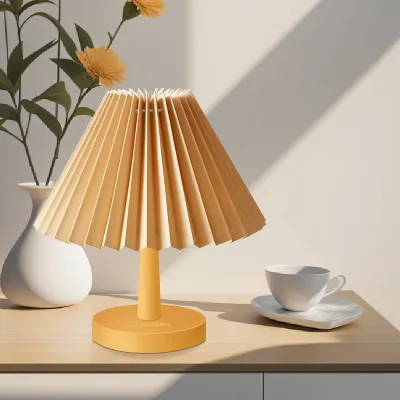
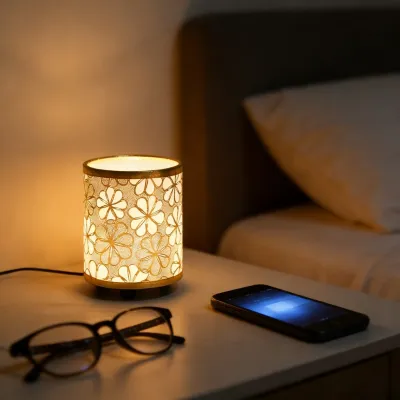
Prices are valid at publication and may change. Please refer to the product page for the latest price.
If your lamp is physically sound, you can achieve significant performance upgrades with a few low-cost adjustments. Swapping out an old incandescent bulb for a high-CRI (Color Rendering Index) LED bulb is the most effective step. A CRI rating of 90 or above ensures that colors appear accurate and text on a page is sharp and legible. Opt for a warm color temperature between 2700K and 3000K to promote relaxation and prepare your body for sleep. Additionally, plugging your lamp into a smart plug allows you to introduce modern conveniences like voice control, automated scheduling, and mobile-app dimming without changing the fixture itself. Simple physical adjustments, such as raising the lamp on a stack of books or shifting its position on your nightstand, can also drastically reduce direct glare.
However, safety must always come first. In humid, tropical climates like the Philippines, moisture can accelerate the degradation of older electrical components. Inspect your lamp’s power cord for cracks, fraying, or stiff, brittle insulation. Check the plug prongs to ensure they are straight and secure, and look inside the bulb socket for any greenish corrosion, rust, or loose contacts. If you notice discolored plastic or fabric near the socket—often a sign of heat damage from historic use of high-wattage incandescent bulbs—or if the lamp flickers when touched, stop using it immediately. Isolate the power by unplugging the fixture, and either replace it entirely or have it repaired by a qualified professional.
What Modern Reading Lights Actually Improve
If you decide that your existing setup no longer meets your needs, transitioning to a dedicated modern reading light offers distinct advantages across three primary categories: lighting quality, eye comfort, and energy efficiency.

Lighting Quality and Adjustability
Traditional bedside lamps are designed to cast a wide, ambient glow across a room, which is excellent for general illumination but poor for focused tasks. Modern reading lights solve this with superior mechanical adjustability. Many models feature flexible gooseneck arms or multi-jointed metal hinges, allowing you to direct a tight, concentrated beam of light exactly onto your book, tablet, or e-reader without moving the entire fixture.
Furthermore, modern LED fixtures often include adjustable color temperature controls. This feature allows you to shift the light tone based on the time of day and your specific activity. You can select a crisp, cool white light (around 4000K to 5000K) for morning reading or detailed work, and transition to a soft, warm amber light (around 1800K to 2200K) in the evening. This flexibility helps limit exposure to blue light before bed, supporting your body’s natural sleep-wake cycle.
Eye Comfort and Glare Reduction
Reading under inadequate or poorly directed light forces your eyes to work harder, leading to fatigue, headaches, and dryness. Modern reading lights incorporate advanced optical designs, such as integrated physical diffusers and asymmetric lenses. Instead of scattering light in all directions, these components project light at a precise angle, illuminating your reading material while keeping the light source completely out of your direct line of sight.
Another critical factor is the quality of the internal electronics. High-quality modern LEDs utilize flicker-free drivers. While cheap bulbs or older fluorescent fixtures often exhibit a rapid, invisible flicker that tires the eye muscles over time, a stable, flicker-free driver provides a continuous, smooth stream of light. Additionally, because the light beam is highly targeted, you can enjoy a late-night book without spilling bright light onto your partner’s side of the bed, ensuring they sleep undisturbed.
Energy Efficiency and Smart Features
Replacing an old bedside fixture with an integrated LED reading light yields immediate energy savings. In the Philippines, where electricity rates are relatively high, reducing household wattage is a practical priority. An old 40-watt incandescent bulb operated for four hours every night consumes approximately 58.4 kilowatt-hours of electricity per year, costing roughly ₱670 annually based on typical utility rates. A highly efficient 5-watt LED reading light performing the same task consumes just 7.3 kilowatt-hours, reducing the annual cost to about ₱84. Over the lifespan of an LED—which typically ranges from 25,000 to 50,000 hours—these savings easily offset the initial cost of the upgrade.
Modern fixtures also eliminate nightstand clutter by consolidating multiple functions into a single device. Many models feature built-in touch-sensitive dimming sliders, auto-off sleep timers that turn the light off after 30 or 60 minutes, and integrated USB charging ports or wireless Qi charging pads built directly into the base. This allows you to power your phone or smart watch overnight without needing extra adapters and cords.
Setup and Compatibility Considerations
Before purchasing a new reading light, evaluate how it will physically integrate into your bedroom layout and electrical system.
First, consider the available space and footprint on your nightstand. If your bedside table is small or crowded with essentials like water, glasses, and medication, a freestanding table lamp might take up too much room. In this scenario, a clamp-on light that attaches to your headboard or a wall-mounted fixture is a highly space-efficient alternative.
Second, verify the electrical specifications of any new light. Ensure the fixture is rated for the standard Philippine electrical grid of 220V to 240V at 60Hz. Many products purchased online from international sellers are rated exclusively for 110V; plugging these directly into a local outlet without a step-down transformer will destroy the internal LED driver and present a serious fire hazard. Look for local certification marks, such as the Philippine Standard (PS) mark or the Import Commodity Clearance (ICC) sticker, to verify safety compliance. Additionally, measure the distance from your nightstand to the nearest wall outlet to ensure the power cord is long enough without requiring unsafe daisy-chained extension cords.
Finally, understand the boundaries of installation. Plug-in reading lights, clamp-on models, and freestanding table lamps are completely DIY-friendly and require no electrical expertise. However, if you opt for a hardwired wall-mounted sconce for a seamless, cord-free look, safety must be your top priority. Before starting any installation, turn off the power at your home’s main circuit breaker. Always follow the manufacturer’s detailed wiring instructions. If you are not fully comfortable handling electrical wiring, or if your home features older electrical systems, hire a registered, qualified electrician to complete the installation. This ensures compliance with the Philippine Electrical Code and protects your home from electrical faults.
Your Upgrade Decision Checklist
To help you make a final decision, use this checklist to categorize your needs:
- Upgrade if:
- You frequently suffer from eye strain, dry eyes, or headaches while reading in bed.
- Your current bedside lamp spills too much light across the bed, disturbing your partner's sleep.
- Your existing fixture shows physical signs of wear, such as a loose socket, a flickering bulb, or a frayed power cord.
- You want to declutter your nightstand by utilizing integrated features like built-in USB ports or wireless charging pads.
- Keep and tweak if:
- Your current lamp has high sentimental value, is a cherished antique, or perfectly complements your bedroom's interior design.
- The lamp's structure, socket, and wiring are in excellent, safe condition.
- You primarily use your bedside light for general, warm ambient illumination rather than focused, close-up reading.
- A simple bulb swap to a high-CRI LED and the addition of a smart plug would satisfy your functional needs.
- Wait if:
- You plan to remodel your bedroom, repaint, or replace your bed frame and nightstands in the near future, as these changes will alter your spatial requirements and design aesthetic.
Frequently Asked Questions (FAQ)
Can I just put a reading bulb in my old lamp?
While you can install a directional or high-lumen LED bulb into a standard E27 socket on an old lamp, this change will not replicate the performance of a dedicated reading light. Traditional lampshades made of fabric, paper, or glass are designed to diffuse light omnidirectionally to illuminate the entire room. A true reading light utilizes specialized housing, narrow reflectors, or optical lenses to focus the light beam directly onto your page, preventing glare from shining into your eyes or spreading across the bed.
Are modern reading lights safe to leave on all night?
Modern LED reading lights are significantly safer to leave on for extended periods compared to older incandescent or halogen fixtures because they generate minimal heat. However, safety still depends on proper usage and quality manufacturing. Always verify the manufacturer’s maximum continuous operating ratings and look for built-in safety features like auto-off timers. Ensure the fixture is positioned where heat can dissipate freely, and keep it clear of flammable materials such as pillows, blankets, or curtains.
Community discussion
Share your experience or ask a question. Comments are reviewed before publication.