
Deciding whether to purchase the Calburo lamp for your condominium in the Philippines depends heavily on your specific spatial layout, your willingness to manage ambient light, and how realistically you view social media marketing. While these sunset-style projection lamps promise to instantly transform a plain concrete wall into a warm, golden-hour sanctuary, the actual performance varies based on room dimensions and existing light interference. If you are looking for a dedicated, localized accent light to soften a cozy corner, this lamp can be a worthwhile addition. However, if you expect it to illuminate an entire studio unit or serve as a primary reading light, you may find its physical limitations disappointing.
What the Calburo Lamp Actually Promises vs. Reality
Marketing campaigns for sunset projection lamps often showcase vibrant, deeply saturated hues that seem to wash over an entire room with flawless clarity. In reality, these visuals are frequently enhanced by camera filters, long-exposure settings, and darkened studio environments. When you set up the lamp in a standard residential room, the naked-eye experience is much more localized. The light behaves according to basic optical laws, meaning the projection is brightest and most saturated at the center, with a noticeable brightness falloff as the circle of light expands across your wall.
To understand what you are actually buying, you must look past the viral videos and inspect the product label or manufacturer specifications. Check the light source type, which is typically a low-wattage LED, and verify the listed color accuracy or color temperature options. A high-quality optical lens will project a crisp, defined circle with minimal color distortion at the edges, whereas cheaper acrylic lenses may produce blurry borders or distorted color bands. Before finalizing your purchase, verify whether the lamp uses a single-color emitter or a multi-color chip that allows you to cycle through different hues.
Products mentioned in this guide
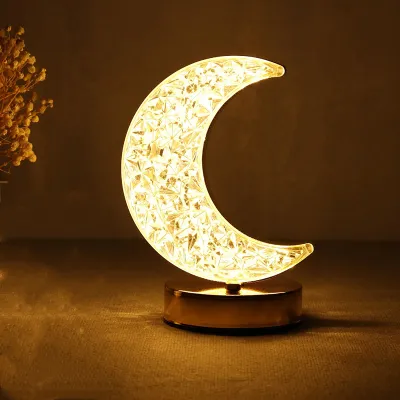
Prices are valid at publication and may change. Please refer to the product page for the latest price.
The physical height of your condo ceiling also plays a critical role in how the projection looks. In typical Philippine high-rise developments, ceiling heights generally range from 2.4 to 2.7 meters. If you place the lamp on a low bedside table, the projection might only cover a small portion of the wall before hitting the ceiling line. To achieve a sweeping, dramatic sunset effect, you will need to experiment with the distance between the lamp and the wall, keeping in mind that as you move the lamp further away to increase the projection size, the overall brightness will naturally decrease.
Key Decision Factors for Condo Dwellers
Condo living in urban areas of the Philippines presents unique spatial and environmental challenges that directly affect how ambient lighting performs. The first factor to evaluate is your available wall space and furniture layout. Many studio and one-bedroom units feature compact layouts where walls are heavily occupied by wardrobes, entertainment consoles, or hanging art. For a projection lamp to work effectively, you need a relatively clear, light-colored, matte-finish wall. Darker paint colors or highly textured concrete finishes will absorb or distort the projected light, reducing the overall visual impact.

Ambient light control is another critical consideration, especially in tropical climates where bright daylight is common. During the day, natural light streaming through large condo windows will easily overpower a decorative mood lamp, rendering the projection almost invisible. Even at night, primary light sources like bright white overhead LED downlights or fluorescent tubes will wash out the warm amber tones of a sunset lamp. To enjoy the intended cozy atmosphere, you must be willing to turn off your main lights and rely solely on localized accent lighting.
Electrical safety and setup convenience should never be overlooked when introducing new appliances to your home. Always verify that the lamp’s rated voltage matches the standard 220V electrical system used in the Philippines, or confirm if it operates via a low-voltage USB interface. Check the length of the included power cable, as condo outlets are often spaced far apart, which might force you to use extension cords or place the lamp in an inconvenient spot. Additionally, because LEDs and their drivers generate heat during operation, ensure the lamp is positioned in a well-ventilated area away from flammable fabrics or tight, enclosed shelves.
Evaluating the Price and Build Quality
With numerous lookalike sunset lamps flooding online marketplaces, distinguishing a durable product from a cheap, short-lived novelty requires a careful inspection of physical build indicators. Upon receiving your lamp, examine the housing material; a solid aluminum or metal alloy body is generally preferable to thin plastic, as metal helps dissipate heat away from the LED chip more effectively. Check the stability of the base to ensure it will not easily tip over if bumped, and inspect the swivel joint to confirm it can hold its angle securely without drooping over time.
Comparing core specifications is the best way to determine if the product justifies its price tag. Look at the listed lumens or wattage to gauge the light output, and compare these figures against generic mood lamps available in the same ₱ price range. If a product is priced significantly higher than its competitors but offers the identical wattage, lens material, and lack of smart features, you may be paying a premium solely for viral branding. Always read the product description carefully to see if it includes adjustable brightness levels or multiple color modes, which add genuine functional value.
Finally, protect your purchase by verifying the warranty terms and return policies offered by the seller. Because these items are often distributed through third-party merchants on e-commerce platforms, return policies can vary widely. Look for sellers who offer a clear window for returns in case of manufacturing defects, such as a flickering LED or a loose electrical connection. Checking user feedback specifically for mentions of long-term durability can also help you avoid products that fail after only a few weeks of regular use.
When to Buy, Skip, or Consider Alternatives
The decision to buy the Calburo lamp comes down to matching your specific decorative goals with the product’s actual capabilities. You should consider buying this lamp if you want an affordable, highly localized accent light to create a relaxing evening mood, have a dedicated blank wall space to project onto, and do not mind manually adjusting the lamp’s physical position to get the perfect angle. It is an excellent tool for occasional photography backdrops or for winding down after a long day in a busy urban environment.
Conversely, you should skip this purchase if you are looking for a primary light source to illuminate your entire living room, or if you require precise, professional-grade color accuracy for design work. If your condo is extremely cramped with no open wall space, or if you prefer a completely automated smart home setup that integrates with voice assistants, a basic manual projection lamp will likely end up gathering dust. Expecting the lamp to overcome bright daytime glare or serve as a functional reading light will only lead to frustration.
If you decide to skip the projection lamp, several alternative lighting directions might better suit your condo. For versatile, whole-room color customization, smart color-changing LED bulbs can be installed directly into your existing ceiling or floor lamp fixtures, allowing you to adjust the warmth and hue via a smartphone app. If you want subtle, modern accent lighting that highlights architectural features without taking up floor space, flexible LED strip lights mounted behind your television or under kitchen cabinets are a highly effective solution. For content creators who need high-quality, adjustable illumination, a dedicated photography ring light or panel light offers more precise control over brightness and color temperature.
Frequently Asked Questions (FAQ)
Does the Calburo lamp work well in small condo bedrooms?
Yes, but its performance depends on how you manage the projection distance. In a small bedroom, you may have limited space to position the lamp far enough from the wall to create a large sunset circle. Placing the lamp too close to a surface results in a smaller, highly concentrated, and intense spot of light rather than a soft, ambient glow. To optimize the effect in tight quarters, try angling the lamp upward toward a corner or the ceiling, which naturally extends the projection path and diffuses the light more evenly across the room.
Is it safe to leave the lamp on for extended periods?
While modern LED projection lamps are generally energy-efficient and run cooler than traditional incandescent bulbs, they still generate heat that must be managed. Always check the manufacturer’s instructions regarding continuous run times and ventilation requirements. To prevent overheating, avoid placing the lamp on soft, insulating surfaces like beds or thick carpets, and never cover the housing or lens while the light is active. If the housing feels excessively hot to the touch after a few hours, turn it off and allow it to cool down to preserve the lifespan of the internal LED chip.
How do I clean the lens without damaging the projection quality?
Dust and fingerprints on the optical lens can cause the projected light to look blurry, hazy, or distorted. To clean the lens safely, first ensure the lamp is unplugged and completely cool. Use a dry, clean microfiber cloth to gently wipe away dust particles, applying minimal pressure to avoid scratching the surface. Never use harsh chemical solvents, abrasive cleaners, or household glass sprays containing ammonia, as these can strip away protective optical coatings or permanently cloud acrylic lenses. If a dry wipe is insufficient, a tiny drop of specialized lens cleaning solution applied directly to the cloth—never directly to the lens—can safely remove stubborn smudges.
Community discussion
Share your experience or ask a question. Comments are reviewed before publication.