
To read comfortably in bed without keeping your partner awake, you need a highly specialized lighting solution. The ideal led study light for a shared bedroom must combine narrow beam projection, precise dimming capabilities, and a warm color profile. By focusing light exclusively on your pages and minimizing ambient spill, you can enjoy your late-night books while maintaining a dark, restful environment for your partner. Selecting the right fixture requires looking past basic aesthetic designs and evaluating specific optical, physical, and electrical specifications.
Why Standard Table Lamps Fail the Bedside Test
Standard table lamps are designed for general ambient illumination rather than targeted task work. They typically feature translucent fabric, paper, or frosted glass shades that scatter light 360 degrees around the room. In a shared bedroom, this omnidirectional light distribution is highly disruptive. Even if you use a low-wattage bulb, the scattered light reflects off walls and ceilings, illuminating your partner’s side of the bed and making it difficult for them to fall or stay asleep.
This phenomenon, known as light spill, is compounded by the lack of physical shielding on generic lamps. When you sit up to read, the exposed bulb often sits directly in your partner’s line of sight, creating harsh glare. Furthermore, many standard household bulbs emit a cool, blue-enriched white light. Exposure to this spectrum late at night suppresses melatonin production, disrupting natural sleep cycles for both you and your partner. A dedicated led study light solves these issues by controlling exactly where the light goes and how it affects the room’s atmosphere.
Products mentioned in this guide
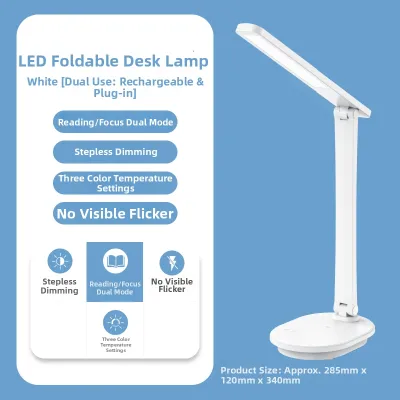
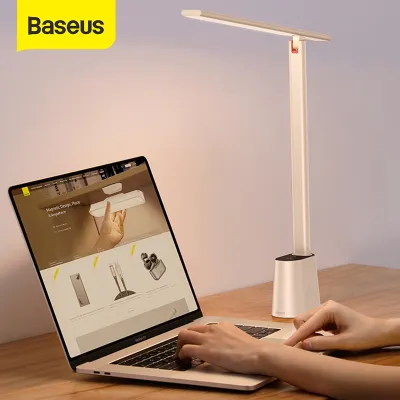
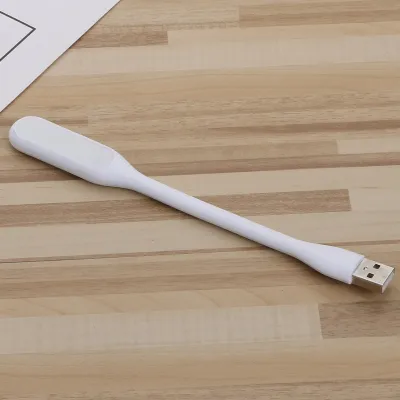
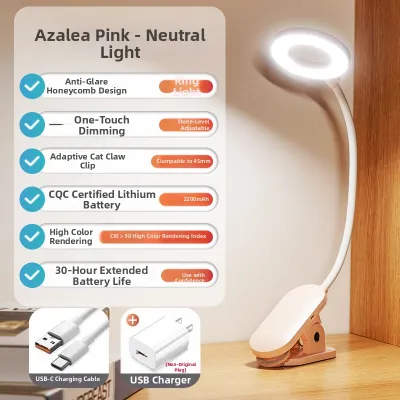
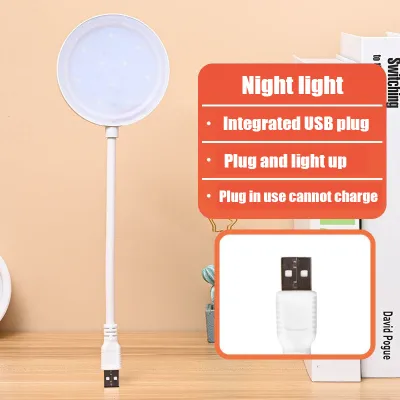
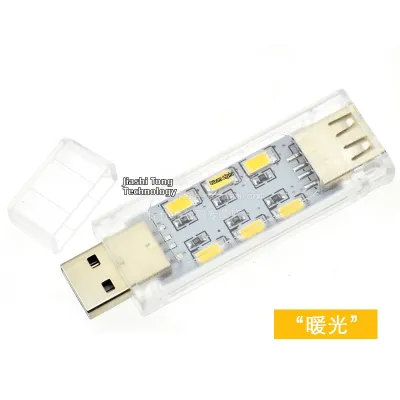
Prices are valid at publication and may change. Please refer to the product page for the latest price.
Essential Optical Features for a Shared Bedroom
When shopping for a bedside reading companion, prioritizing the optical performance of the light source is critical. Unlike basic lamps, a high-quality led study light offers precise control over intensity, color, and beam direction.

Precision Dimming and Brightness Control
In a pitch-black room, your eyes adapt to the darkness, meaning you require far less light to read comfortably than you would during the day. A lamp with only a simple on-off switch or a few preset brightness levels (such as low, medium, and high) is often too bright for late-night use. This is why you should look for fixtures featuring stepless dimming, which allows you to smoothly adjust the brightness from 100% down to 1% or 5%.
A low minimum brightness threshold is essential for reading in a shared bed. It ensures you can set the illumination to the absolute minimum required to see the text clearly, preventing excess light from bouncing off the pages and illuminating the rest of the room. Additionally, prioritize lamps with easily accessible touch-sensitive controls or physical dials located on the base or the lamp head. This prevents you from fumbling in the dark or clicking noisy mechanical switches that could startle your sleeping partner.
Warm Color Temperature for Nighttime Reading
The color temperature of light is measured in Kelvin (K). For nighttime reading, the ideal range is between 2700K and 3000K, which produces a soft, warm white light similar to a traditional incandescent bulb or a candle. Warm light is gentler on the eyes in dark environments and does not interfere with your body’s preparation for sleep.
Avoid fixed cool white LEDs, which typically range from 4000K to 6500K. These cool tones mimic daylight, promoting alertness and suppressing melatonin, which can make it incredibly difficult to wind down after you turn off the light. Many modern LED study lights feature adjustable color temperature settings, often marketed as “tunable white.” This is a highly valuable feature, allowing you to use a brighter, cooler light (around 4000K) for daytime studying, and then transition to a warm, dim setting (2700K) as bedtime approaches.
Focused Beam Angles and Light Shielding
To keep light strictly on your side of the bed, the fixture must have a narrow beam angle. Standard bulbs throw light in all directions, but a directional LED uses specialized lenses or reflectors to focus the light into a tight cone, typically between 30 and 60 degrees. This ensures the beam targets your book or e-reader without crossing the centerline of the mattress.
Physical light shielding is equally important. Look for lamps designed with deep-set LED chips, where the light source is recessed deep within the lamp head. Built-in opaque shades, hoods, or louvers help block side-glare, ensuring that someone looking at the lamp from an angle cannot see the bright LED emitter directly. When browsing products on online marketplaces, look for terms like “anti-glare,” “asymmetric optical design,” or “directional task lighting” in the specifications.
Physical Designs That Fit and Function on a Nightstand
The physical structure of your led study light dictates how easily you can position the beam to avoid disturbing your partner. Because bedside tables or nightstands in Philippine homes are often small or shared, space efficiency and physical adjustability are paramount. Quality adjustable models in local markets generally range from ₱500 to ₱2,500 depending on their build and features.
Gooseneck arms offer the highest level of flexibility for bedside reading. Made from flexible metal wrapped in silicone or plastic, a gooseneck allows you to make silent, micro-adjustments in any direction. You can bend the light low, twist it away from your partner, and point it directly down at your book. Articulated multi-joint arms also provide excellent reach and height adjustments, though they tend to have a larger physical profile and can sometimes squeak when adjusted.
Consider the base footprint of the lamp. A compact, heavily weighted base ensures the lamp remains stable on a crowded nightstand without tipping over when you adjust the neck. If your bedside table is extremely small, or if you do not have one, look for clip-on LED lights that can secure directly to your headboard. Alternatively, wall-mounted swing-arm lamps are an excellent permanent solution.
If you select a wall-mounted fixture that requires fixed electrical wiring, always isolate the power at the main circuit breaker before installation. Follow the manufacturer’s instructions carefully, and consult a qualified professional if you are unfamiliar with electrical wiring.
Finally, choose a lamp with a matte finish. Glossy plastic or polished chrome bodies can catch the light and create distracting secondary reflections in a dark room, which can shine directly into your partner’s eyes.
Eye-Care Specs to Look for on the Product Label
Reading in a dark room under a focused spotlight can strain your eyes if the light quality is poor. To ensure comfortable, fatigue-free reading sessions, you must look past basic marketing claims and verify technical specifications on the product packaging or official manufacturer sheets.
First, check the Color Rendering Index (CRI), which measures how accurately a light source reveals the true colors of objects compared to natural light. For reading, look for an LED study light with a CRI of 80 or higher (often written as Ra ≥ 80 or Ra ≥ 90). A high CRI provides sharp contrast between the black text and the white or cream pages of your book, reducing the cognitive effort required to read and preventing eye strain.
Second, ensure the lamp features flicker-free technology. Many cheap LED drivers rapidly switch the light on and off to control brightness. While this flicker is usually invisible to the naked eye, it causes the eye muscles to rapidly contract and dilate, leading to headaches, dry eyes, and mental fatigue during extended reading sessions. Look for certified “flicker-free” or “DC dimming” specifications.
In the Philippines, always verify that electrical appliances carry local safety certifications, such as the Philippine Standard (PS) mark or the Import Commodity Clearance (ICC) sticker, alongside international standards like CE or RoHS. This ensures the internal driver is built to safely handle the standard 220V, 60Hz electrical grid without overheating or posing an electrical hazard.
Setup Tips to Keep Light Strictly on Your Side of the Bed
Even the most advanced led study light will fail to protect your partner’s sleep if it is positioned incorrectly. To maximize the effectiveness of your directional light, follow a few practical setup steps.
Position the lamp so that the light source is slightly above your shoulder or eye level, rather than directly in front of your face. Angle the lamp head sharply downward at a 45-degree to 60-degree angle toward your reading material. This positioning ensures that the light pool remains small and focused on your lap or book, while your physical body blocks any residual light from traveling across the bed.
You can verify your setup using the simple “shadow test.” Sit in your normal reading position with the lamp turned on. Look at your partner’s side of the bed. If your head or shoulder casts a clear shadow over their pillow and face, it means your body is successfully blocking the light path. If their face is illuminated, tilt the lamp head further down or rotate the neck slightly away from the center of the bed.
Additionally, consider your reading medium. If you read physical books, keep the pages angled slightly away from your partner so the white paper does not act as a giant reflector. If you prefer reading on an e-reader or tablet, use the device’s built-in warm-light or dark-mode setting in combination with a very low setting on your physical lamp to minimize contrast-induced eye strain.
Frequently Asked Questions (FAQ)
Can I just use a smart bulb in my existing bedside lamp instead of buying a new LED study light?
Using a smart bulb in your current bedside lamp is a convenient option because it allows you to adjust brightness levels and shift the color temperature to a warm 2700K using your smartphone. However, this setup only solves half the problem. If your existing lamp features a traditional, translucent fabric or glass shade, it will still scatter light in all directions, creating a wide light spill that will disturb your partner.
A smart bulb is only an effective solution if your existing lamp fixture has an opaque, highly directional metal or wooden shade that physically funnels the light downward. If your current lamp cannot physically restrict the beam angle, investing in a dedicated, adjustable led study light is the best way to ensure your reading habits do not interfere with your partner’s sleep.
Community discussion
Share your experience or ask a question. Comments are reviewed before publication.