
Selecting the ideal bedside lamp table setup requires balancing eye comfort, physical proportions, and convenient controls. A good reading lamp must do more than simply illuminate a dark room; it needs to direct focused, glare-free light onto your page while preserving a relaxing atmosphere that prepares you for sleep.
To find the perfect match, you must evaluate key specifications such as adjustable brightness levels, color temperature options, and shade designs that diffuse harsh light. Additionally, physical dimensions must align with your mattress height to prevent direct glare from reaching your eyes. By focusing on these practical features, you can create a comfortable, functional, and safe nighttime reading environment.
Quick Guide: Essential Features for Bedside Reading
Before browsing online marketplaces or local lighting stores, keeping a clear checklist of essential features will help narrow down your options. A bedside reading lamp must serve a highly specific task, meaning general ambient lamps often fall short of providing comfortable illumination.
Products mentioned in this guide
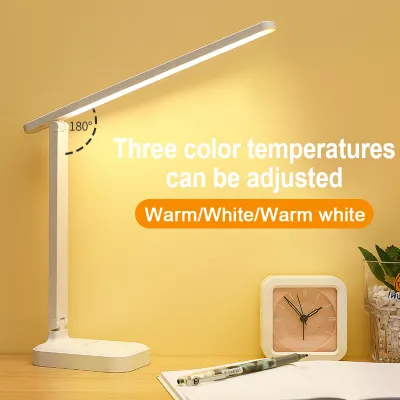

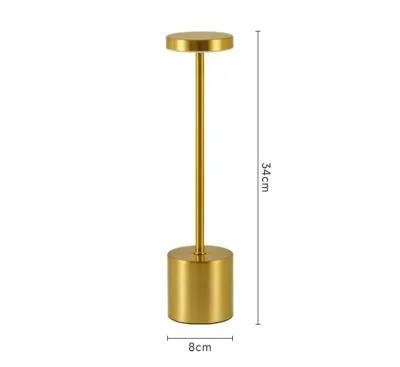
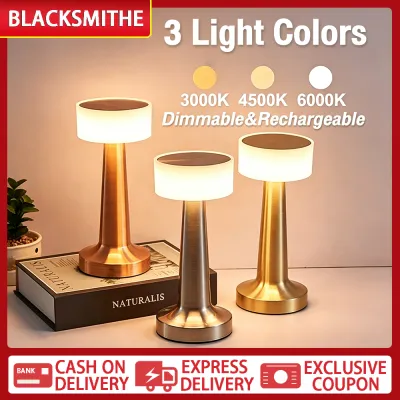
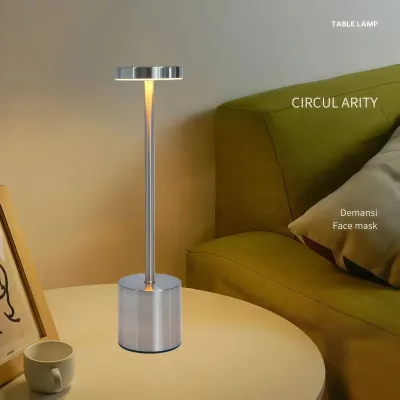
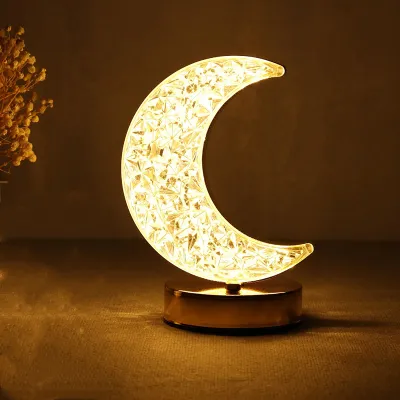
Prices are valid at publication and may change. Please refer to the product page for the latest price.
When evaluating potential models, prioritize the following specifications:
- Adjustable Brightness and Color: Look for step-less dimming or multiple brightness presets, along with adjustable color temperatures ranging from warm amber to soft white.
- Glare-Reducing Shades: Choose a shade that completely covers the bulb from your line of sight when sitting or lying down, utilizing materials that diffuse light evenly.
- Proportional Dimensions: Ensure the lamp height aligns the bottom of the shade with your eye level when seated, leaving enough clearance on your tabletop for personal items.
- Accessible Controls: Opt for switches that are easy to locate in the dark, such as touch-sensitive bases or quiet rotary dials, to avoid waking up others.
Light Quality and Eye Comfort for Reading
The quality of light emitted by your lamp directly impacts how long you can read comfortably without experiencing eye strain or disrupting your sleep cycle. The primary goal is to achieve a balanced output that illuminates your book or e-reader without casting harsh shadows or creating bright hotspots.

Lampshade materials play a critical role in softening the light. Fabric shades made of linen or cotton, as well as frosted glass globes, are excellent at diffusing light. If you choose a fabric shade, check the inner lining; a white or silver reflective lining helps direct light downward onto your page while preventing the bulb from showing through as a harsh, blinding point. In humid tropical climates like the Philippines, untreated paper or delicate silk shades can warp, discolor, or accumulate mold over time, making durable woven fabrics, glass, or metal shades with open bottoms more practical choices.
Color temperature is another vital specification to verify on product labels. Light color is measured in Kelvin (K). For nighttime reading, look for lamps that support warm color temperatures between 2700K and 3000K. This warm, amber-toned light mimics sunset, helping your body transition into sleep mode. Avoid reading under cool blue-white light (above 5000K) late at night, as this can suppress melatonin production and interfere with your rest.
Dimming capabilities are equally important for versatility. A lamp with a wide dimming range allows you to transition from a bright, focused setting for active reading to a low, ambient glow for winding down. When reviewing manufacturer specifications, look for flicker-free performance claims. Low-quality LED drivers can produce rapid, invisible flickering that leads to headaches and eye fatigue during extended reading sessions.
Sizing and Proportions for Your Bedside Table
A common mistake is choosing a lamp based solely on its visual appeal without measuring how it fits into the physical layout of your bedroom. The relationship between your mattress height, the height of your bedside table, and the lamp’s dimensions determines your overall reading comfort.
To find the correct height, sit on your mattress in your typical reading position. Ideally, the bottom of the lampshade should align roughly with your eye level. This positioning ensures that the light shines directly onto your reading material rather than casting a shadow from your head or shining directly into your eyes. For most standard bedside tables that sit level with the mattress, a lamp height of 50 to 65 centimeters is ideal. If your table is exceptionally low, you will need a taller lamp to compensate; conversely, a high table requires a shorter fixture.
Tabletop footprint is another critical factor. Before purchasing, measure the surface area of your bedside table. A bulky lamp base can crowd the surface, leaving little room for essentials like a glass of water, eyeglasses, a phone, or physical books. Whether you are investing in a premium smart fixture or a budget-friendly option costing around ₱800 to ₱2,500, verifying the physical dimensions is crucial to ensure a proper fit.
Additionally, consider the routing and length of the power cord. A cord that is too short can limit placement options or create a safety hazard if stretched tightly across a walkway. Ensure the cord can reach your wall outlet easily without tension, and look for lamps with integrated cord management channels to keep your bedside looking neat and organized.
Controls and Convenience for Nighttime Use
Operating your lamp should be effortless, especially when you are half-asleep or navigating a dark room. The placement and design of the lamp’s controls can make the difference between a seamless bedtime routine and a frustrating nightly chore.
Avoid lamps with inline cord switches that hang behind the table, as these require awkward reaching and stretching. Instead, look for controls located directly on the lamp base or the lower section of the body. Touch-sensitive bases are highly convenient, allowing you to turn the light on or adjust brightness levels simply by tapping any metal part of the fixture. If you prefer physical switches, rotary dimmers or push-buttons offer reliable tactile feedback, but ensure they operate quietly to avoid disturbing a sleeping partner.
Modern bedside lamps often include integrated utility features, such as built-in USB charging ports. When checking these specifications, verify the power output on the product label. Standard ports may only offer 5V/1A, which charges devices slowly; look for ports rated at 5V/2A or higher, or those featuring USB-C connections, to ensure compatibility with modern smartphones and tablets.
For those interested in smart home integration, verify if the lamp supports smart bulbs or has built-in smart connectivity. Smart lamps allow you to control settings via mobile apps or voice commands, enabling you to set automated sleep timers or dim the lights without lifting a finger. However, keep in mind that these features rely on stable home Wi-Fi and may require a brief setup process.
Safety, Electrical Checks, and Maintenance
Electrical safety is paramount for any appliance used close to your bed. Before purchasing any lamp, verify that its voltage rating matches the standard electrical supply of your home, which is 220V in the Philippines. Look for recognized national or international safety certification marks on the product packaging or the manufacturer’s label to ensure the fixture has undergone rigorous safety testing.
Always check the maximum wattage limit specified on the lamp socket. Installing a bulb that exceeds this limit can cause excessive heat buildup, posing a fire hazard, particularly if the lamp features a fabric, paper, or plastic shade. If you plan to use traditional incandescent bulbs, keep in mind they emit significant heat; energy-efficient LED bulbs are highly recommended because they remain cool to the touch and consume far less power.
Regular maintenance helps keep your reading environment clean and healthy. Dust accumulation on shades and bulbs can reduce light output and trigger allergies. Choose materials that are easy to clean; metal, glass, and ceramic bases can be wiped down with a dry microfiber cloth. For fabric shades, a soft brush or a lint roller is effective for removing dust without damaging the material. Always unplug the lamp and allow the bulb to cool completely before performing any cleaning or maintenance.
If you encounter electrical issues—such as a flickering light, a loose socket, a damaged power cord, or a malfunctioning switch—stop using the lamp immediately. While basic bulb replacement is simple, attempting to repair internal wiring or damaged plugs yourself can lead to electrical shocks or short circuits. For any complex electrical issues, always consult a qualified professional or contact the manufacturer for repair options. If you decide to install fixed wall sconces or overhead reading lights instead of a portable table lamp, remember to isolate the power at the main circuit breaker before beginning any installation work.
Frequently Asked Questions (FAQ)
Can I use a standard desk lamp on a bedside table?
While you can use a standard desk lamp, they are often designed for focused, downward task lighting rather than relaxed reading. Desk lamps typically feature adjustable arms and narrow beam angles that can create harsh shadows or direct glare in a bedroom setting. Additionally, their industrial or highly functional designs may not match the cozy aesthetic of a bedroom.
How do I choose the right bulb base and wattage for my lamp?
To choose the right bulb, check the manufacturer’s label located on the lamp socket or base. This label will specify the required base type, such as E27 (the standard screw-in base common in the Philippines) or E14 (a smaller screw-in base). It will also list the maximum wattage limit; ensure your chosen bulb, whether LED or incandescent, does not exceed this rating.
Are smart lamps worth the investment for bedroom reading?
Smart lamps offer excellent convenience for bedroom reading, allowing you to adjust brightness, change color temperatures, and set sleep timers directly from your phone or via voice commands. They are highly beneficial for improving sleep hygiene through gradual dimming routines. However, they do require a stable Wi-Fi connection and may carry a higher initial cost compared to traditional manual lamps.
Community discussion
Share your experience or ask a question. Comments are reviewed before publication.