
Selecting a touch lampshade for bedroom use requires balancing immediate convenience with visual comfort. Unlike standard fixtures, a bedside touch lamp must operate seamlessly in the dark while providing light that supports relaxation rather than disrupting sleep. The ideal setup combines a highly responsive touch sensor, multi-level or stepless dimming, a warm color temperature, and a glare-reducing shade. By evaluating these key features, you can create a soothing sleep environment that is both functional and safe.
Why Bedroom Lighting Needs Specific Touch Lamp Features
The bedroom serves as a personal sanctuary meant for recovery and rest. Unlike a home office or kitchen where bright, focused task lighting is necessary, bedside lighting must support a gradual transition into sleep. Bedside activities typically involve winding down with a book, journaling, or occasionally navigating the room during middle-of-the-night wake-ups. Standard lamps with inline cord switches or stiff toggles can be frustrating to locate and operate when you are half-asleep.
Furthermore, your physical posture in bed changes how you experience light. When lying down, your eye level is significantly lower relative to the nightstand than when you are sitting at a desk. A poorly designed lamp can expose your eyes directly to the glaring bulb, causing immediate discomfort and suppressing the production of melatonin, the hormone responsible for regulating sleep cycles. A dedicated bedside touch lamp solves these issues by offering effortless physical control combined with soft, diffused illumination that preserves a restful atmosphere.
Products mentioned in this guide
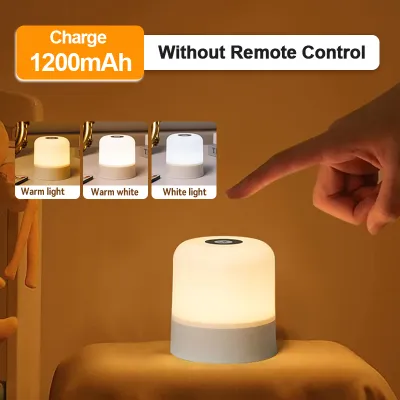
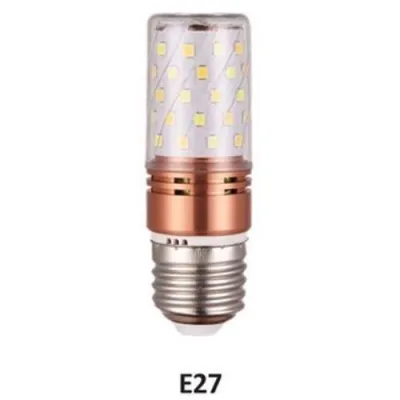
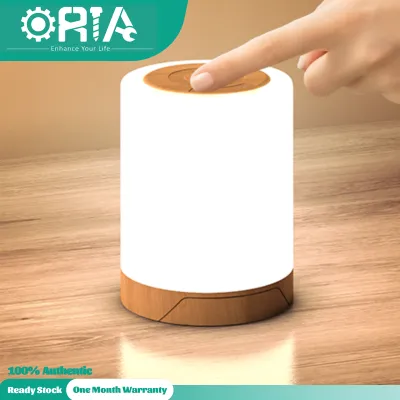
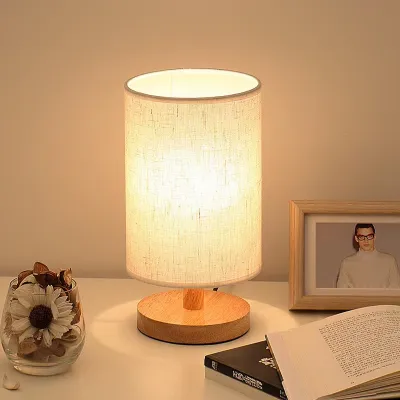
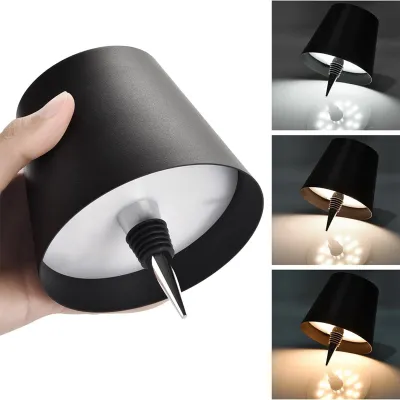
Prices are valid at publication and may change. Please refer to the product page for the latest price.
Essential Features for a Bedside Touch Lamp
Adjustable Dimming Levels for Reading and Sleeping
Bedtime routines require different light intensities, making adjustable dimming an essential feature. Most touch lamps utilize either multi-level step dimming or stepless continuous dimming. Step dimming typically cycles through low, medium, and high settings with sequential taps, which is highly intuitive for quick adjustments. Stepless dimming, operated by holding your finger on the sensor, allows you to fine-tune the brightness to the exact level needed.

For nighttime wake-ups, the lowest setting must be exceptionally dim. A minimum brightness of around 5% to 10% of the lamp’s total output provides just enough light to see the nightstand without waking a sleeping partner or fully alerting your brain. When shopping, check the product specifications to ensure the dimming transitions are smooth and do not cause harsh, sudden jumps in brightness that can startle your eyes in a dark room.
Warm Color Temperature for Evening Relaxation
The color of the light is just as important as its brightness. For a bedroom nightstand, look for lamps or bulbs that emit a warm white light, typically in the range of 2700K to 3000K. This warm, amber-toned glow mimics the natural spectrum of sunset, signaling to your body that it is time to wind down.
In contrast, cool white or daylight color temperatures (4000K to 6500K) are designed for active task areas and are too harsh for a bedside setting. These cooler temperatures contain higher levels of blue light, which can disrupt your circadian rhythm and make it harder to fall asleep. If you use your bedside table for both daytime tasks and nighttime reading, consider a tunable white touch lamp, which lets you switch between cool daylight for focus and warm amber for evening relaxation.
Responsive Touch Sensitivity for Dark Environments
Touch lamps operate on capacitive sensing technology, where the metal body of the lamp acts as an electrode that detects the natural electrical charge of your skin. The sensor should be responsive enough to register a gentle tap from any angle, eliminating the need to grope around for a physical switch. However, excessive sensitivity can cause problems, such as the lamp turning on due to minor vibrations or a curtain brushing against it.
To avoid accidental activation, look for lamps with clearly defined touch zones rather than entire-body sensors. A dedicated touch-sensitive base plate or a specific metal band on the stem allows for deliberate control while preventing the lamp from turning on unexpectedly when you reach for a glass of water or your phone.
Practical Design and Safety Considerations for the Nightstand
Base Stability and Light-Diffusing Shade Materials
Bedside tables are often compact and easily cluttered, making physical stability a priority. A touch lamp should feature a weighted, non-slip base—ideally lined with rubber, silicone, or felt—to prevent it from sliding or tipping over when tapped in the dark. This is especially important in active households with children or pets.
The shade material plays a crucial role in preventing glare. Because you will often look at the lamp from a low angle while lying down, avoid transparent glass or open-bulb designs. Instead, choose shades made from fabric, linen, or frosted glass. These materials scatter the light rays evenly, eliminating harsh hotspots and creating a soft, comfortable glow that is gentle on the eyes.
Electrical Compatibility and Cord Management
Electrical safety is paramount when setting up any bedside fixture. In the Philippines, the standard electrical supply operates at 220V at 60Hz. If you are purchasing a touch lamp from international online marketplaces, always verify that the voltage rating matches this local standard. Connecting a 110V lamp to a 220V outlet will destroy the touch sensor circuit and can create a serious electrical hazard.
Additionally, verify that the plug type matches your wall outlets, which are typically Type A or Type C. The power cord should be long enough to reach the outlet comfortably without being pulled tight, which creates a tripping hazard. Managing the cord neatly along the back of your nightstand using cable clips not only keeps the space safe but also maintains a clean, calming aesthetic in your bedroom.
Tips for Using and Maintaining Your Touch Lamp
Maintaining your touch lamp ensures the capacitive sensor remains reliable over time. Dust, skin oils, and high humidity—common in tropical climates—can form a microscopic film on the metal sensor, which may reduce its responsiveness. To clean the lamp, always isolate the power first by unplugging it from the wall outlet. Wipe the metal surfaces with a dry or slightly damp microfiber cloth, avoiding liquid cleaners or chemical sprays that can seep into the base and damage the internal electronics.
If your touch sensor becomes unresponsive or begins to turn on randomly, a simple power reset often solves the issue. Unplug the lamp from the wall for three to five minutes to allow the internal capacitors to discharge completely, then plug it back in. Also, verify that the bulb is screwed firmly into the socket, as a loose connection can disrupt the electrical feedback loop of the touch dimmer. Always unplug the fixture before changing the bulb to prevent electrical shocks or sensor calibration errors.
Frequently Asked Questions (FAQ)
Can I use a smart bulb in a touch bedside lamp?
Using a smart bulb in a touch-dimming lamp is generally not recommended. Touch lamps control brightness by altering the electrical current, which starves the smart bulb’s internal processor of the steady power it needs to remain connected to your Wi-Fi or Bluetooth network. This conflict usually causes the smart bulb to flicker, buzz, or disconnect. If you prefer smart lighting, it is best to use a standard manual switch lamp, or keep the touch lamp set permanently to its highest brightness level if the circuit allows.
Why does my touch lamp sometimes turn on by itself?
This issue, known as phantom switching, is typically caused by environmental factors affecting the capacitive sensor. In humid environments, moisture buildup on the metal base can mimic the electrical charge of a human finger, triggering the sensor. Static electricity from synthetic bedding or electrical interference from nearby large appliances on the same circuit can also cause the lamp to turn on. To resolve this, place the lamp on a completely dry surface, keep it away from heavy drapes, and try plugging it into a different outlet.
Community discussion
Share your experience or ask a question. Comments are reviewed before publication.