
Highlighting a painting or a cherished piece of wall art requires more than just pointing a light source in its direction. To bring out the true depth of colors, textures, and details without causing long-term damage or distracting glare, you must focus on specific technical features of the fixture. The most critical factors to evaluate when choosing a painting light led fixture are color rendering quality, color temperature, beam control, physical placement, and electrical compatibility. By checking these specifications on the product packaging or manufacturer data sheets, you can transform a simple corridor or bedside wall sconce into a gallery-grade display.
Understanding Color Quality: CRI and Temperature
The Color Rendering Index (CRI) measures how accurately a light source reveals the true colors of an object compared to natural daylight. For artwork, selecting a fixture with a high CRI rating—ideally 90 or above—is essential to ensure that blues, reds, and subtle skin tones do not appear dull, gray, or distorted. When browsing products, look for the CRI or Ra value explicitly printed on the manufacturer’s specification sheet, as generic category names rarely guarantee color accuracy.
Color temperature, measured in Kelvin (K), dictates the warmth or coolness of the light and heavily influences the mood of the artwork. Warm white light (around 2700K to 3000K) often complements traditional oil paintings, gold-leaf frames, and warm-toned portraits, while cool white light (4000K or higher) can enhance modern abstract pieces, photography, and cool color palettes. Because these visual effects are highly subjective, it is practical to test different temperatures using adjustable-color fixtures or temporary sample bulbs before finalizing your installation. Always verify these color metrics directly on the product label to ensure the light matches your specific display goals.
Products mentioned in this guide
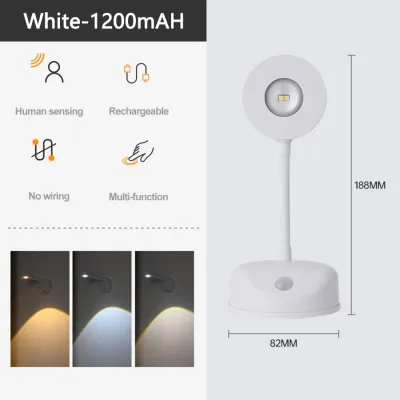
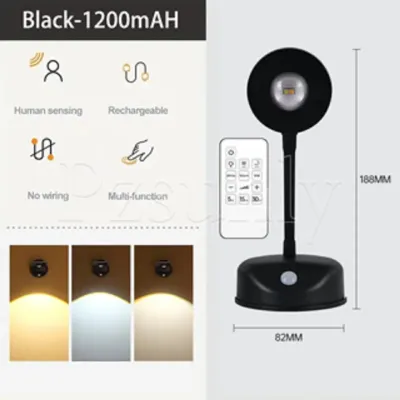
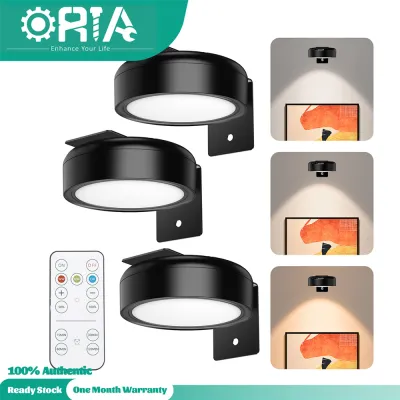
Prices are valid at publication and may change. Please refer to the product page for the latest price.
Controlling the Beam: Angles and Glare Prevention
The beam angle of an LED wall sconce determines how widely or narrowly the light spreads across the canvas. A narrow beam creates a dramatic spotlight effect, which works well for smaller, focused pieces, whereas a wider beam angle is necessary to cover larger canvases evenly from a standard mounting distance. To avoid dark corners or uneven lighting, calculate the distance between the fixture and the painting, and check the manufacturer’s beam angle specifications to ensure complete coverage.

Preventing harsh glare and distracting reflections is another major challenge when illuminating framed art, especially those behind standard glass. Look for physical fixture features designed to control light distribution, such as internal baffles, frosted diffusers, specialized lenses, or adjustable aiming heads that let you tilt the light away from the viewer’s direct line of sight. Additionally, verify that the sconce supports dimming capabilities, allowing you to fine-tune the brightness levels to match the ambient light of the room throughout the day and prevent harsh hotspots on the canvas.
Sizing, Placement, and Electrical Safety
Proper physical placement ensures that the sconce complements the artwork rather than crowding it. Measure your wall clearance and the projection of the sconce to ensure it extends far enough from the wall to cast light over the frame without casting shadows. A common guideline is to align the fixture relative to the top edge or center of the artwork, keeping a balanced distance that prevents the fixture from physically overlapping the frame.
In tropical environments like the Philippines, where high humidity can affect electrical components and wall structures, verifying the physical and electrical specifications of your fixture is crucial. Ensure the sconce is rated for the local 220V electrical standard, check the wattage limits, and verify that the product carries recognized electrical safety certifications. You must also confirm that the junction box can support the weight of the fixture, particularly when mounting on concrete, hollow block, or plaster walls common in local homes. Before beginning any installation, always isolate the power by turning off the main circuit breaker. For hardwired installations, running new wiring through concrete walls, or making structural modifications, always hire a licensed electrician to ensure a safe and compliant setup.
Frequently Asked Questions (FAQ)
Can standard wall sconces be used as painting lights?
Standard wall sconces can work as painting lights if they feature adjustable heads or highly directional beam angles that allow you to aim the light directly at the canvas. However, many standard sconces are designed for general ambient lighting, casting light upward, downward, or in all directions, which can create distracting shadows or fail to illuminate the artwork adequately. A dedicated painting light led fixture or a highly adjustable picture light is generally necessary when you need precise optical control, uniform light distribution, and minimal glare across the entire surface of the frame.
Do LED wall sconces emit UV rays that can damage art?
Unlike traditional halogen or incandescent bulbs, which emit significant amounts of heat and ultraviolet (UV) radiation that can fade pigments and degrade canvas fibers over time, standard LED technology inherently emits virtually no UV rays. This makes LEDs a much safer choice for preserving delicate mediums like watercolors, prints, and textiles. For highly valuable, antique, or sensitive pieces, it is still wise to check the manufacturer’s specifications for explicit UV-free certifications or to install specialized UV-filtering glass over the artwork as an extra layer of protection.
Community discussion
Share your experience or ask a question. Comments are reviewed before publication.