
Selecting the right solar wall light for a compact condo balcony requires balancing physical dimensions, weather resistance, and light output. Because high-rise balconies are subject to unique wind patterns, intense tropical sun, and strict condominium association rules, a standard garden light will rarely suffice. The ideal fixture must offer a low-profile design that does not obstruct limited walking space, a high Ingress Protection (IP) rating to withstand heavy seasonal downpours, and a controlled beam angle that provides cozy ambient illumination without spilling into neighboring windows. By focusing on these core specifications, you can transform a small outdoor area into an inviting evening retreat while remaining fully compliant with building regulations.
Assessing Your Balcony Space and Mounting Constraints
Before browsing online marketplaces or local home improvement stores, you must thoroughly evaluate the physical and environmental realities of your balcony. Begin by measuring the exact wall or railing area where you plan to install the fixtures. Take note of any potential obstructions, such as sliding glass doors, wall-mounted air conditioning compressors, laundry drying racks, or potted hanging plants. In tight spaces, even a few centimeters of protrusion can turn a light fixture into a constant physical hazard when navigating the balcony.
Next, observe the daily sunlight patterns on your balcony over the course of a few days. Because condo units are often shaded by adjacent towers, overhanging balconies, or deep structural eaves, your wall space may receive limited direct sunlight. Solar panels require direct exposure to ultraviolet rays to charge their internal batteries efficiently. If your balcony faces north or is heavily recessed, you will need to identify the specific spots that receive the most consistent light, even if those spots are on the outer railing rather than the main building wall.
Products mentioned in this guide
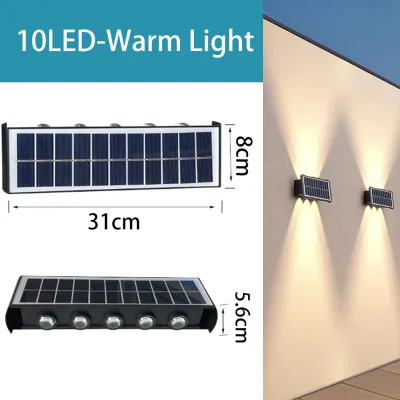
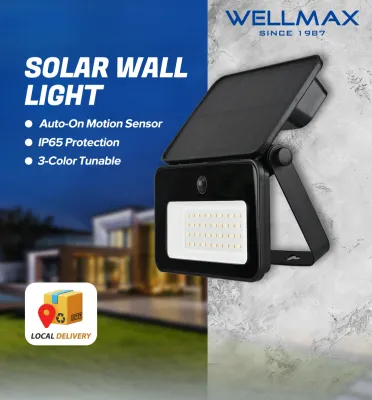
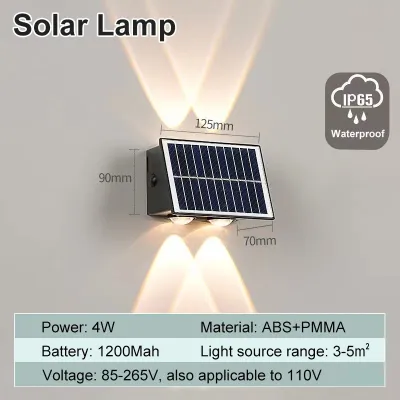
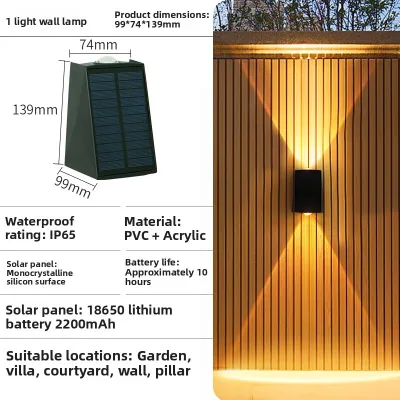
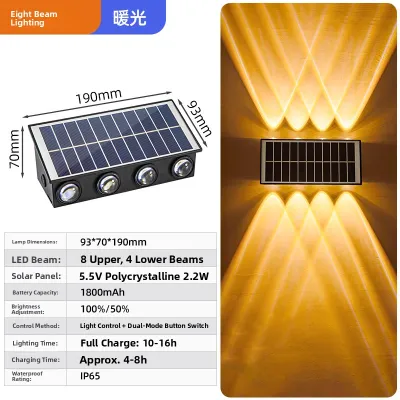
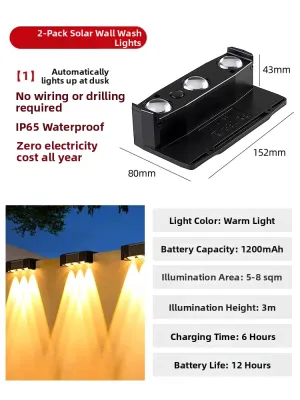
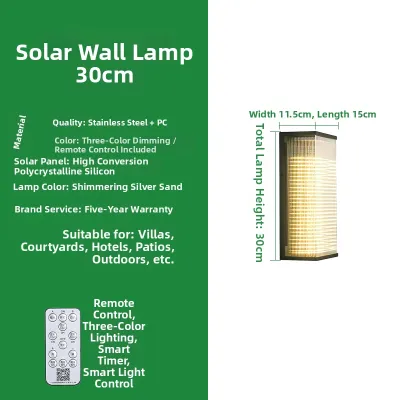
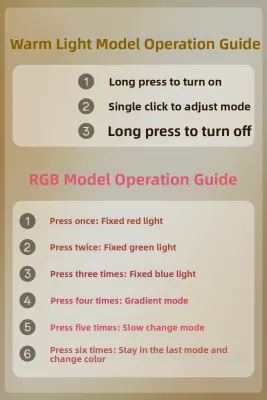
Prices are valid at publication and may change. Please refer to the product page for the latest price.
Finally, consult your condominium’s house rules regarding exterior modifications. Many property management offices strictly prohibit drilling into exterior walls, as this can compromise the building’s structural waterproofing. Understanding these structural and administrative boundaries beforehand prevents you from purchasing fixtures that you cannot legally or safely install.
Matching Solar Wall Light Features to Compact Layouts
Once you understand your spatial limits, you can begin matching specific product features to your layout. Selecting the right solar wall light involves evaluating three primary categories: physical footprint, light distribution, and power management. Balancing these elements ensures your lighting is both functional and visually proportionate to your space.

Size, Profile, and Mounting Styles
In a compact balcony, every square centimeter of floor and wall space is valuable. Bulky, protruding lantern-style fixtures can easily overwhelm small architectural features and present a bumping hazard. Instead, look for low-profile, flush-mount designs that sit flat against the wall surface. These compact sconces direct light downward or outward while maintaining a slim depth, keeping your narrow walkways completely clear.
When evaluating mounting styles, check the compatibility of the fixture’s hardware with your specific balcony surfaces. If you are mounting onto a concrete or brick wall, the product should include appropriate masonry anchors and screws. For metal or glass railings, look for fixtures designed with integrated clamps, zip-tie slots, or flat backings suitable for heavy-duty, outdoor-rated double-sided adhesive tape.
Choosing an oversized fixture is a common design error that can make a small balcony feel even more cramped. A good rule of thumb is to select a light that is proportional to the height and width of your mounting surface. For most condo balconies, a fixture measuring under 15 centimeters in height and protruding no more than 5 to 7 centimeters from the wall provides a balanced, integrated look.
Brightness, Beam Angle, and Sensor Modes
The quality and direction of light are just as important as the physical size of the fixture. For a small balcony, high-lumen floodlights are unnecessary and will likely cause uncomfortable glare. Instead, look for fixtures with moderate brightness levels, typically ranging from 50 to 150 lumens. Treat decorative style and perceived color temperature as personal preferences rather than universal performance standards; however, warm color temperatures (around 2700K to 3000K) generally create a cozy, welcoming atmosphere, whereas cool white temperatures (5000K or higher) are better suited for task-oriented utility areas.
Pay close attention to the beam angle of the light. A wide, uncontrolled beam can scatter light upward and outward, causing light pollution that may disturb your neighbors or violate condo rules. Downward-directed beams or focused sconces concentrate the light exactly where you need it—on the balcony floor or seating area—while minimizing glare.
Additionally, evaluate the fixture’s operational modes. Many solar wall lights feature built-in motion sensors, dusk-to-dawn sensors, or manual switches. For a relaxing balcony environment, a continuous low-level ambient glow is often preferred over a sudden, bright motion-activated light. However, some fixtures offer a hybrid mode: they remain dim throughout the night to provide soft ambiance and brighten temporarily when motion is detected, which is excellent for both energy conservation and occasional utility.
Weather Resistance and Condo Compliance Checks
Outdoor fixtures in tropical climates must endure intense environmental stress, including high humidity, salt air, and torrential monsoon rains. To ensure longevity, verify the Ingress Protection (IP) rating printed on the product packaging or manufacturer specification sheet. For open balconies exposed to wind-driven rain, look for a minimum rating of IP65, which indicates the fixture is dust-tight and protected against water jets from any angle.
Material selection is equally critical for durability. Cheap plastics can quickly degrade, discolor, and become brittle under intense UV exposure. Opt for fixtures constructed from UV-stabilized ABS plastic, polycarbonate, or rust-resistant metals like powder-coated aluminum or stainless steel. These materials resist cracking and corrosion, ensuring the internal battery and circuitry remain dry and functional over years of seasonal changes.
Before finalizing your purchase, perform a final compliance check against your condo association’s guidelines. Some properties require all exterior lights to feature a specific casing color, such as black or dark bronze, to maintain building uniformity. Additionally, verify the electrical certifications (such as CE, RoHS, or local quality marks) and check the battery specifications—typically low-voltage lithium-ion cells—to ensure safe operation in high-temperature environments.
Installation Boundaries and Ongoing Maintenance
When installing your solar wall lights, always follow the manufacturer’s instructions carefully to ensure a secure mount. If your condo allows drilling, use the correct drill bits for your wall material and apply a small bead of outdoor-rated silicone sealant into the pilot holes before inserting the anchors. This simple step prevents moisture from seeping into the building’s exterior envelope, protecting the structure from water damage.
Because solar lights rely entirely on their integrated photovoltaic panels, routine maintenance is essential for optimal performance. Over time, a thin layer of dust, soot from nearby traffic, and pollen can accumulate on the solar panel, significantly reducing its charging efficiency. Establish a schedule to wipe the panels clean with a soft, damp microfiber cloth every few weeks. Avoid using abrasive cleaners or harsh chemicals, which can scratch the protective coating and permanently degrade the panel’s light absorption.
Finally, recognize when a project exceeds safe DIY boundaries. If your preferred mounting location requires working at height near the balcony edge, or if you must drill into complex structural concrete containing post-tension cables, stop immediately. In these scenarios, consult your building’s maintenance department or hire a qualified professional installer to ensure the job is completed safely and in accordance with local building codes.
Frequently Asked Questions (FAQ)
Can solar wall lights charge effectively on shaded balconies?
Solar wall lights can still charge on shaded balconies, but their efficiency will be significantly reduced. Standard solar panels rely on direct sunlight to reach their maximum charging capacity; ambient daylight or indirect sun will result in a much slower charge and shorter nightly run times. If your balcony is heavily shaded, look for solar lights that feature a detachable solar panel connected by a thin wire. This design allows you to mount the light fixture in the shaded seating area while placing the solar panel on the outer railing where it can receive maximum sun exposure.
Do I need to drill into the exterior wall to mount these lights?
No, you do not necessarily need to drill into your exterior walls to mount solar wall lights. Many lightweight fixtures can be securely installed using non-destructive alternatives, which is ideal for renters or strict condo buildings. Heavy-duty, outdoor-rated double-sided mounting tapes or adhesive hooks can support compact fixtures on smooth surfaces like glass, metal, or sealed tile. Alternatively, you can use adjustable railing clamps or heavy-duty zip ties to secure the lights directly to your balcony balustrades, ensuring a stable mount without violating structural guidelines. Always check the manufacturer’s weight specifications and ensure the adhesive is rated for high-temperature outdoor use.

Community discussion
Share your experience or ask a question. Comments are reviewed before publication.