
To get the most out of outdoor solar string bulbs, you must look beyond aesthetics and verify technical specifications like solar panel efficiency, battery capacity, IP weatherproofing ratings, and physical dimensions. In tropical climates like the Philippines, where intense afternoon sun quickly gives way to sudden torrential downpours and high humidity, choosing the wrong specifications can lead to premature product failure or dim, short-lived lighting. Understanding these key metrics ensures your outdoor setup remains bright, safe, and durable throughout the seasons.
Evaluate Solar Panel and Battery Capacity for Reliable Runtime
The performance of solar string bulbs depends heavily on the relationship between the solar panel’s energy collection and the battery’s storage capacity. When reviewing specifications, look at the solar panel’s wattage and cell type. Monocrystalline panels generally offer higher conversion efficiency in smaller sizes compared to polycrystalline alternatives, making them better suited for areas with variable weather. A higher panel wattage means the system can generate more power in a shorter amount of time, which is crucial on overcast days.
Equally important is the battery capacity, typically measured in milliampere-hours (mAh). The battery acts as a reservoir; it must be large enough to store the energy collected during the day and power the total wattage draw of the LED bulbs throughout the night. If a battery’s capacity is too low, the lights will fade quickly, even after a full day of charging.
Products mentioned in this guide
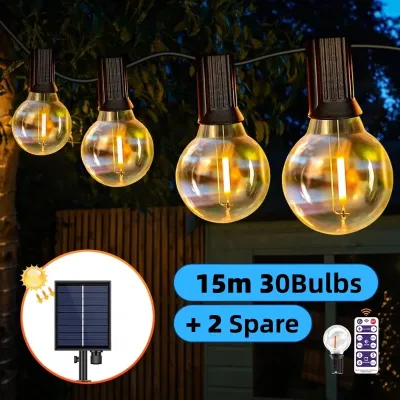
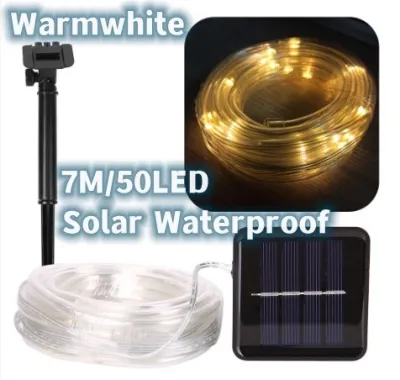
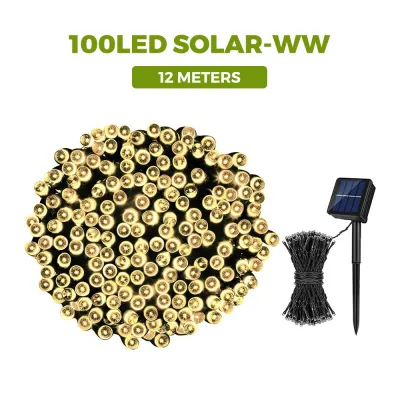
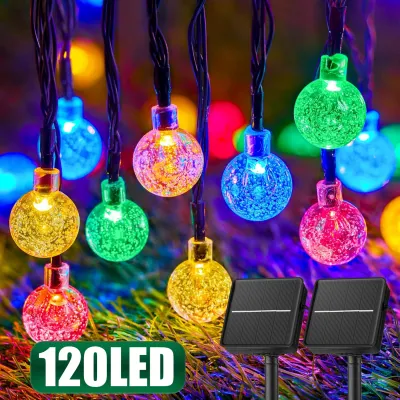
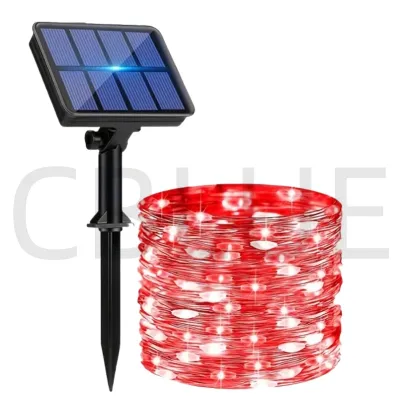
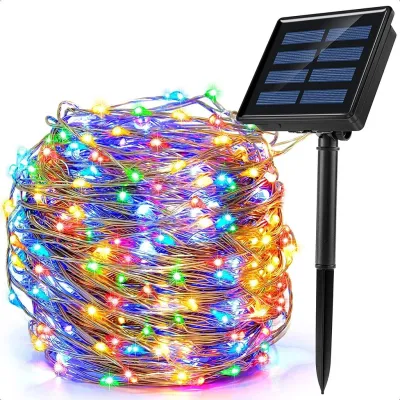
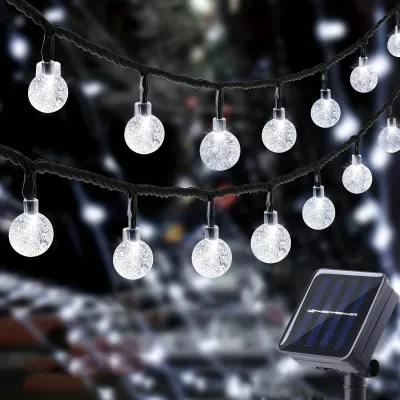
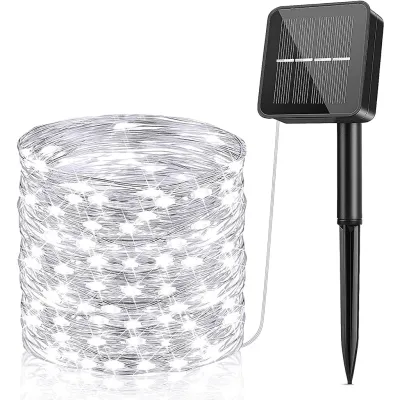
Prices are valid at publication and may change. Please refer to the product page for the latest price.
Be cautious when reading manufacturer claims regarding “hours of light” or runtime. These estimates are usually based on ideal laboratory conditions with maximum direct sunlight exposure and the lowest power-consuming lighting mode. In real-world outdoor settings, actual runtime will vary based on seasonal sun angles, cloud cover, and whether you run the lights on a steady or flashing setting. Always verify the battery type (such as Lithium-ion or NiMH) and check the manufacturer’s instructions regarding initial charging times before first use.
Decode IP Ratings for True Outdoor Weather Resistance
Outdoor lighting must withstand environmental elements, making the Ingress Protection (IP) rating a critical specification to verify. An IP rating consists of two digits: the first digit (ranging from 0 to 6) measures protection against solid objects and dust, while the second digit (ranging from 0 to 9) measures protection against liquids. For outdoor installations exposed to the elements, a higher rating ensures better protection against moisture ingress and dust accumulation.

For general outdoor use, look for at least an IP44 rating, which protects against splashing water from any direction. However, in regions prone to heavy tropical downpours and high humidity, upgrading to an IP65 or IP66 rating provides superior protection against low- and high-pressure water jets. Submersible ratings like IP67 or IP68 are designed for temporary or continuous immersion in water, which is generally unnecessary for hanging string lights unless they are installed in low-lying areas prone to pooling water.
When verifying weatherproofing, do not assume a high IP rating applies to the entire product. Check the product specifications to confirm that the rating covers the solar panel, the battery housing, the connection joints, and the individual bulb sockets. A weak seal at any of these connection points can allow moisture to seep in, causing short circuits or corrosion.
Choose Lumen Output and Color Temperature for Your Space
Selecting the right brightness and color temperature depends on your specific functional and aesthetic goals. Brightness is measured in lumens, which indicates the total amount of visible light emitted by a source. When evaluating solar string bulbs, clarify whether the listed lumen count refers to the output of each individual bulb or the cumulative output of the entire string. For soft, ambient patio lighting, lower-lumen bulbs are ideal, whereas functional pathway or security lighting requires a higher total lumen output.
Color temperature, measured in Kelvin (K), dictates the visual warmth of the light. Warm white light (typically between 2200K and 3000K) creates a cozy, relaxing atmosphere suitable for dining areas and gardens. Cool white light (4000K to 6000K) offers a brighter, crisper appearance that is often preferred for task-oriented spaces or security lighting. Because color temperature is a matter of personal preference and spatial effect, choose a temperature that complements your existing outdoor decor.
Additionally, check if the string lights feature multiple operating modes, such as steady-on, flashing, or fading. Keep in mind that dynamic modes can alter the rate of battery depletion. Steady-on modes draw continuous power and will drain the battery faster, while flashing or pulsing modes reduce the overall power draw, potentially extending the runtime on nights when solar charging was limited.
Verify Wire Length and Spacing for Your Installation Layout
Before purchasing, carefully measure your outdoor space to ensure the physical dimensions of the string lights match your layout. Pay close attention to the distinction between “total length” and “lighted length.” The total length includes the lead wire—the unlit portion of the cord running from the solar panel to the first bulb. If the lead wire is too short, you may be forced to mount your solar panel in a shaded area just to get the bulbs to reach your desired hanging spot.
Bulb spacing is another key specification that determines light density. Closely spaced bulbs create a concentrated, continuous line of light, which is excellent for compact balconies or dense pergolas. Wider bulb spacing is more suitable for spanning large open yards or wrapping around thick tree trunks. Ensure the wire material is durable and check the manufacturer’s guidelines regarding tensile strength, especially if you plan to suspend the lights over long distances without supporting guide wires.
Before finalizing your installation, run through a quick safety checklist. Ensure the solar panel can be mounted in an unobstructed location that receives maximum daily sunlight. For suspended loads or installations at height, always follow the manufacturer’s mounting instructions, use proper hardware like guide wires or cable ties, and isolate any electrical connections from standing water. If your installation involves connecting to fixed household wiring or complex structural mounting, consult a qualified professional to ensure safety and compliance with local electrical standards.
Frequently Asked Questions (FAQ)
Can I replace the batteries in solar string bulbs?
Whether you can replace the batteries depends entirely on the design of the solar panel’s control box. Many models use standard, user-replaceable rechargeable batteries, such as AA or AAA NiMH cells, which can be easily swapped out when they lose their ability to hold a charge. However, some compact or highly sealed units feature built-in, non-removable lithium packs. Always check the product specifications before attempting to open the battery compartment. Forcing open a sealed compartment to replace a non-standard battery can permanently compromise the waterproof seals, void the manufacturer’s warranty, and expose the internal electronics to moisture damage.
Do solar string lights work in shaded areas?
Solar panels require direct, unobstructed sunlight to charge efficiently and reach their rated capacity. If you install the solar panel in a shaded area—such as under a thick tree canopy, a covered patio, or in the shadow of a building—the charging rate will drop significantly, resulting in dim lights and a very short runtime. If your desired hanging area is shaded, look for solar string bulbs that feature a detachable solar panel with a generous lead wire. This design allows you to hang the decorative bulbs in the shade while mounting the solar panel several meters away in a sunny, unobstructed spot.
Community discussion
Share your experience or ask a question. Comments are reviewed before publication.