
Selecting the right tracklight for your home requires looking beyond aesthetics to evaluate key technical specifications. Because track lighting is a modular system, compatibility between the track rail and the individual light fixtures is critical for safety and performance. Checking these details beforehand prevents installation failures, electrical hazards, and poor lighting quality.
In tropical climates like the Philippines, where high humidity and warm ambient temperatures are common, choosing fixtures with appropriate heat management and electrical certifications is especially important. By understanding how to read product labels and specification sheets, you can design a reliable, energy-efficient lighting setup tailored to your space.
Verify Track System Compatibility and Electrical Ratings
Before purchasing tracklight heads, identify the track system standard installed or planned for your ceiling. The three most common standards are H-type, J-type, and L-type. Each features a distinct physical connector pin configuration, meaning an H-type fixture head will not fit or connect electrically to a J-type or L-type track. Always check the product specifications to ensure the fixture heads match your track rail standard.
Products mentioned in this guide
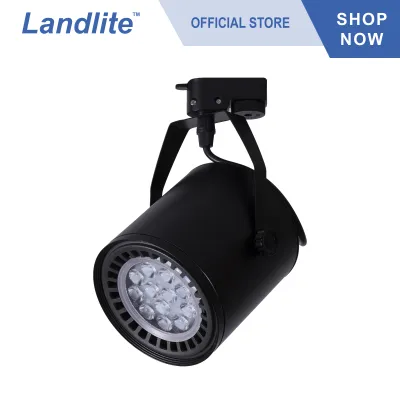
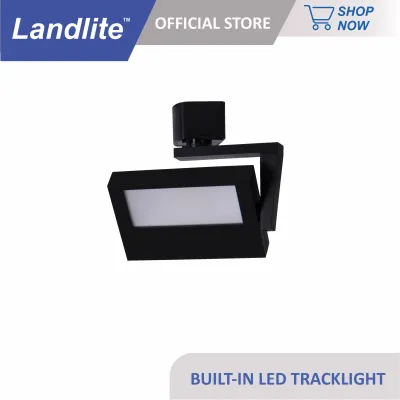
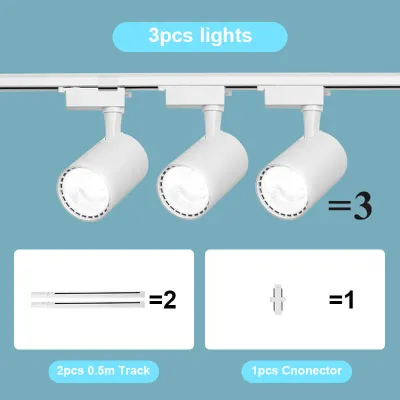
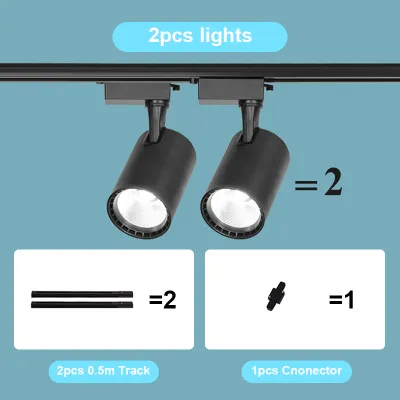
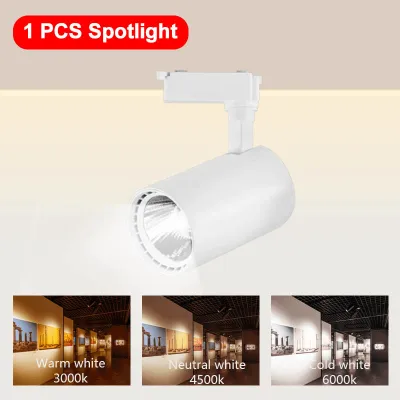
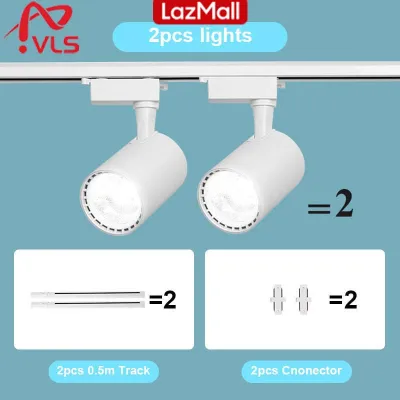
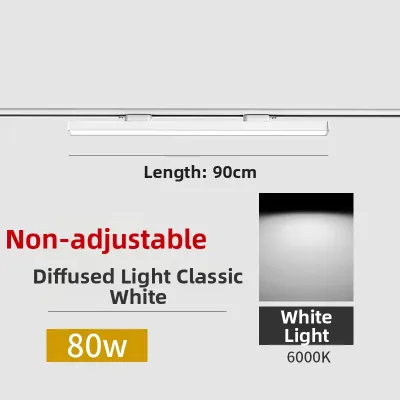
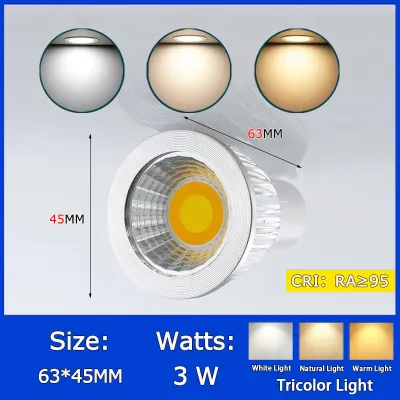
Prices are valid at publication and may change. Please refer to the product page for the latest price.
Electrical ratings are equally vital. In the Philippines, residential electrical systems typically operate at 220V to 240V at 60Hz. Ensure both the track rail and the tracklight heads are rated for this voltage range to prevent equipment damage. Additionally, calculate the total wattage of all light fixtures on a single track run. The cumulative wattage must not exceed the maximum load capacity of the track rail or the circuit breaker protecting that line.
Consider whether you need a single-phase or multi-phase track system. Single-phase tracks control all connected light heads simultaneously with one wall switch. Multi-phase tracks feature separate internal copper conductors, allowing you to group and switch different fixtures independently on the same rail. If you want to dim some lights while keeping others at full brightness, verify that both your track rail and fixture heads support multi-phase configurations.
Evaluate Light Output and Beam Angle for Your Space
When evaluating brightness, look at the lumen output rather than the wattage. Wattage only measures the electrical power consumed, whereas lumens indicate the actual amount of visible light emitted. Modern LED tracklights are highly efficient, meaning a low-wattage fixture can deliver high lumen output. Comparing lumen ratings on product labels ensures you achieve the desired brightness level without overconsuming energy.

The beam angle determines how the light spreads across your room. Narrow beam angles, typically between 15 and 24 degrees, concentrate light into a tight, focused spot. This is ideal for accent lighting, such as highlighting artwork or architectural features. Medium to wide beam angles, ranging from 36 to 60 degrees or more, provide a broader flood of light, making them suitable for general ambient illumination or task lighting over kitchen islands and workspaces.
To maximize the flexibility of your track lighting, check the adjustability specifications of the fixture heads. Look for heads that offer a wide range of motion, such as a 350-degree horizontal rotation and a 90-degree vertical tilt. This physical adjustability allows you to redirect the light beams precisely where they are needed, accommodating changes in furniture layout or room usage over time.
Select Color Temperature and Color Rendering Index (CRI)
Color temperature, measured in Kelvin (K), dictates the visual warmth or coolness of the light and influences the mood of a room. Warm white light (2700K to 3000K) creates a cozy, inviting atmosphere suited for living rooms, bedrooms, and dining areas. Cool white light (4000K to 5000K) provides a crisp, energizing illumination that enhances visibility and focus, making it a practical choice for kitchens, home offices, and study areas.
The Color Rendering Index (CRI) measures how accurately a light source reveals the true colors of objects compared to natural sunlight. For standard residential spaces, a CRI of 80 or higher is generally acceptable. However, if you are lighting areas where color accuracy is paramount—such as displaying artwork, preparing food, or applying makeup—look for fixtures with a CRI of 90 or above to ensure colors appear vibrant and true to life.
When purchasing multiple tracklight heads for a single room, pay close attention to color consistency. LED manufacturing can result in subtle color variations even among fixtures with the same nominal Kelvin rating. To avoid a mismatched look where one light appears slightly yellower or bluer than the next, check the product packaging for consistent color batching or tight MacAdam ellipse steps (ideally 3-step or lower) to guarantee uniform light color.
Check Physical Dimensions and Heat Management
Physical dimensions are an important consideration, particularly in homes with standard or low ceiling heights. Tracklight heads protrude downward from the ceiling, and bulky or overly long fixtures can create visual clutter or present a physical hazard. Measure your ceiling height and compare it against the fixture’s maximum drop length to ensure adequate clearance for residents and guests walking beneath the lights.
Heat management is a critical factor for the longevity of LED tracklights, especially in warm and humid tropical climates. High operating temperatures can degrade LED chips and sensitive driver electronics, leading to premature failure. Look for fixtures constructed with high-quality aluminum housings or integrated heat sinks that facilitate efficient heat dissipation. Avoid cheap plastic housings that trap heat inside the fixture, particularly for high-wattage LED modules.
Additionally, consider the physical weight limits of your track system. Track rails are rated to support a specific maximum weight per meter. If you plan to install multiple heavy, industrial-style, or adjustable tracklight heads on a single run, verify that the cumulative weight does not exceed the track’s structural capacity. Ensure the track rail is securely anchored to the ceiling joists to prevent sagging.
Build Your Tracklight Specification Checklist
To simplify your shopping experience, consolidate these technical parameters into a practical checklist before making a purchase. Cross-referencing these specifications with your room’s layout and existing electrical infrastructure will help you avoid compatibility issues and ensure your lighting goals are met.
| Specification | Recommended Range / Standard | Why It Matters |
|---|---|---|
| Track Standard | H-Type, J-Type, or L-Type | Must match your existing track rail to fit physically and electrically. |
| Voltage | 220V – 240V (60Hz) | Must match the standard residential electrical supply in the Philippines. |
| Lumen Output | 500 – 1000+ lm (per head) | Determines actual brightness; choose based on room size and purpose. |
| Beam Angle | 15° – 24° (Accent), 36° – 60°+ (Flood) | Controls light spread for highlighting objects versus general lighting. |
| CCT (Color Temp) | 2700K – 3000K (Warm), 4000K – 5000K (Cool) | Sets the mood and visual comfort of the living space. |
| CRI | 80+ (Standard), 90+ (High Accuracy) | Ensures colors, textures, and finishes look natural and vibrant. |
| Housing Material | Aluminum / Metal with Heat Sink | Essential for heat dissipation and durability in humid climates. |
While replacing individual tracklight heads on an existing, compatible track is a straightforward task, installing new track rails or modifying your home’s wiring involves serious electrical risks. For any new installations, circuit load calculations, or hardwiring modifications, always isolate the power at the main circuit breaker and hire a licensed electrician to ensure compliance with local electrical codes and safety standards.
Frequently Asked Questions (FAQ)
Can I mix different tracklight brands on the same track?
Mixing different brands on a single track is possible only if the tracklight heads and the track rail share the exact same track standard (such as H-type, J-type, or L-type). Brand names do not dictate compatibility; the physical connector pin configuration does. However, even when standards match, minor manufacturing tolerances between different brands can sometimes result in a loose physical fit, poor electrical contact, or flickering. Additionally, mixing brands may void the manufacturer’s warranty on the components, so using a single brand for both the track and the heads is generally recommended for optimal safety and performance.
Do I need dimmable tracklights for my home?
Dimmable tracklights are highly beneficial if you want to adjust the light levels to suit different times of day or activities, but they require careful specification matching. You must verify that the tracklight head is explicitly labeled as dimmable on its packaging. Furthermore, the LED driver inside the fixture must be compatible with both your track system and the specific wall dimmer switch installed in your home (such as leading-edge or trailing-edge dimmers). Using incompatible dimmers can lead to annoying issues like buzzing, flickering, or a severely reduced lifespan for the LED driver.
Community discussion
Share your experience or ask a question. Comments are reviewed before publication.