
Filipino kitchens are vibrant hubs of culinary activity, where daily cooking often involves high-heat frying, deep sautéing, and simmering rich, acidic sauces. This style of cooking releases a significant amount of airborne grease, moisture, and steam into the air, which quickly settles on surrounding surfaces. To protect your walls and keep your kitchen looking pristine, selecting the right kitchen backsplash tiles is a critical decision. The ideal backsplash must not only withstand the tropical humidity of the Philippines but also resist stubborn oil splatters and be exceptionally easy to wipe clean. Choosing the wrong material can lead to permanent staining, mold growth in grout lines, and hours of tedious scrubbing. By focusing on low-porosity materials, smooth finishes, and smart installation techniques, you can create a beautiful, low-maintenance cooking space.
Identifying Tile Features That Resist Grease and Moisture
Understanding the physical properties of tile materials is the first step in selecting a surface that can handle heavy cooking. In a tropical climate with high relative humidity, materials behave differently than they do in dry environments. Moisture and airborne oils can easily penetrate porous surfaces, leading to deep-seated stains and structural degradation over time. Therefore, evaluating a tile’s water absorption rate is essential. Tiles with low water absorption rates, typically classified as non-porous or impervious, prevent liquids and oils from soaking beneath the surface, keeping splatters safely on the exterior where they can be easily wiped away.
The surface finish of a tile plays an equally important role in how easily it releases grease. Glazed tiles feature a protective layer of liquid glass fired onto the clay body, creating a smooth, impermeable barrier that resists both moisture and chemical staining. When comparing matte and high-gloss finishes, high-gloss options are generally the easiest to clean because their ultra-smooth surfaces offer no texture for grease to cling to. However, high-gloss surfaces tend to highlight smudges, fingerprints, and water spots under bright kitchen lighting. Matte finishes are excellent for diffusing light and hiding minor imperfections, but they must be selected carefully; some matte tiles have micro-textures that can trap fine oil particles, requiring more effort to scrub clean.
Products mentioned in this guide
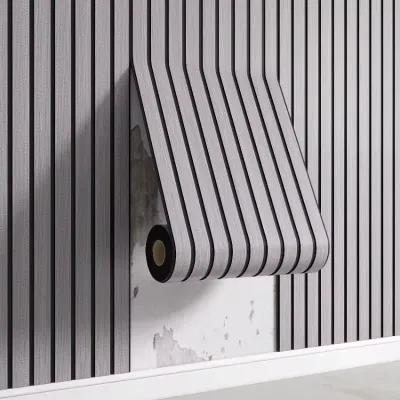
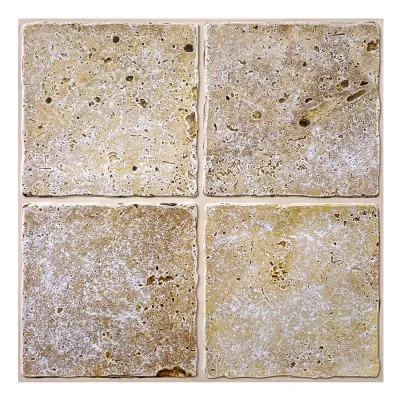
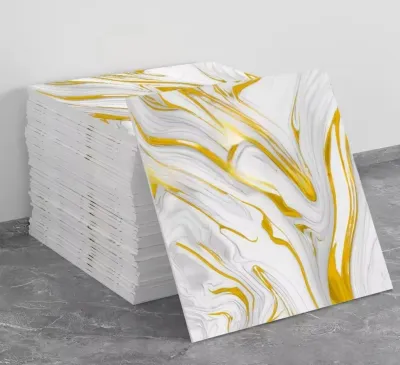

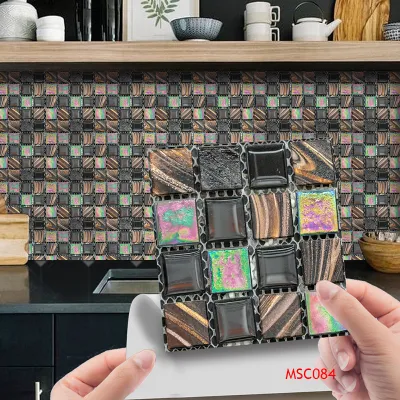
Prices are valid at publication and may change. Please refer to the product page for the latest price.
Beyond the surface finish, the physical dimensions and edge profiles of the tiles influence the overall cleanliness of your backsplash. Tiles with rectified edges undergo precise mechanical cutting after firing, resulting in perfectly straight, 90-degree corners. This precision allows installers to place the tiles incredibly close together, minimizing the width of the grout lines where grease commonly accumulates. Standard pressed tiles, on the other hand, have slightly sloped or rounded edges that require wider grout joints to accommodate minor size variations. Opting for larger tile formats also reduces the total number of joints across your wall, effectively minimizing the surface area dedicated to porous grout and streamlining your daily kitchen maintenance.
Evaluating Common Backsplash Materials for Heavy Cooking
Different tile materials offer distinct advantages and trade-offs when exposed to the intense heat, steam, and oil splatters of a busy kitchen. Glazed ceramic and porcelain tiles are widely considered the most practical and reliable options for high-grease environments. Porcelain is fired at higher temperatures than standard ceramic, making it denser, stronger, and highly resistant to moisture absorption. The protective glaze on these tiles ensures that grease, soy sauce, vinegar, and other common cooking ingredients cannot penetrate the surface. Additionally, glazed porcelain boasts excellent scratch resistance, allowing you to scrub away stubborn, dried-on splatters with non-abrasive pads without worrying about dulling the finish.

Glass tiles present another highly hygienic option for modern kitchen backsplashes. Because glass is completely non-porous, it is entirely impervious to water, grease, and acidic stains, making it impossible for mold or mildew to take root on the tile surface itself. The reflective quality of glass can also help brighten a kitchen by bouncing light around the room. The primary trade-off with glass is its high visibility of surface residue. Every oil splatter, water droplet, and fingerprint will be clearly visible on a glossy glass surface, meaning you may find yourself wiping down the backsplash more frequently to keep it looking pristine.
Metal backsplash options, such as stainless steel tiles or sheets, provide a sleek, industrial aesthetic and exceptional heat resistance, making them highly suitable for the zone directly behind a gas range. Metal is completely non-porous and will not absorb grease, but it requires specific care to maintain its appearance. Stainless steel is highly susceptible to scratching from abrasive cleaning tools, and it can dent if struck by heavy cookware. Furthermore, fingerprints and oil smudges are highly visible on metal surfaces, requiring specialized metal cleaners or microfiber cloths to remove streaks and maintain a uniform sheen.
Natural stone tiles, including marble, slate, travertine, and granite, offer unmatched organic beauty but present significant challenges in a heavy-cooking environment. Natural stone is inherently porous, meaning it contains microscopic channels that can absorb oils, acidic juices, and dark liquids, leading to permanent, deep-set staining. To protect natural stone, it must be treated with a high-quality penetrating sealer upon installation and resealed at regular intervals, often once or twice a year. If the sealer degrades, splatters from cooking oils or acidic ingredients like vinegar and citrus can etch the stone’s surface, leaving dull, permanent marks that are incredibly difficult to repair.
Choosing Grout and Layouts to Minimize Cleaning Effort
While much attention is paid to the tiles themselves, the grout holding them together is often the weakest link in a kitchen backsplash. Traditional cement-based grout is highly porous and acts like a sponge, readily absorbing airborne grease, moisture, and dirty cleaning water. Over time, this absorption leads to dark discoloration, stubborn odors, and the growth of mold or mildew, which thrives in warm, humid conditions. To prevent these issues, epoxy grout is highly recommended for kitchen installations. Epoxy grout is made from reactive resins and silica fillers, resulting in a completely non-porous, waterproof, and stain-resistant joint that never requires sealing and can be easily wiped clean.
The layout and size of your tiles directly dictate how much grout you will have to maintain. Choosing small mosaic tiles or intricate patterns like herringbone creates a dense network of grout lines, significantly increasing the total surface area that can trap grease. Conversely, selecting large-format tiles, such as 30×60 cm or even larger porcelain slabs, dramatically reduces the number of grout joints in your primary cooking zone. By minimizing these joints, you create a nearly continuous, smooth surface that allows grease splatters to be wiped away in a single, fluid motion rather than requiring detailed scrubbing along dozens of tiny crevices.
When planning your backsplash design, the color and texture of the grout should also be carefully considered. Bright white grout is notoriously difficult to keep clean behind a stove, as even minor oil splatters can cause noticeable yellowing or staining over time. Opting for medium-toned grouts, such as warm grays, soft beiges, or charcoal, helps mask minor discoloration and blends more naturally with daily kitchen use. Additionally, ensure that the grout used has a smooth, non-sanded texture if your tile joints are narrow enough to allow it. Sanded grout contains fine silica sand that creates a rough, abrasive surface, which easily traps grease and makes wiping down the wall much more difficult.
Building Your Backsplash Shortlist for Your Kitchen
To create a practical shortlist of backsplash tiles, you must synthesize material properties, installation factors, and your household’s specific cooking habits. If your daily cooking involves frequent deep-frying, high-heat sautéing, or heavy use of colorful spices and acidic sauces, your primary focus should be on maximizing grease resistance and minimizing maintenance. In this scenario, large-format glazed porcelain or solid glass tiles paired with epoxy grout will yield the most durable and easy-to-clean results. If your cooking habits are lighter or you rely more on baking and boiling, you have more flexibility to explore smaller tile formats, matte finishes, or unique patterns.
It is also essential to align your tile choice with your realistic maintenance expectations. If you prefer a low-maintenance kitchen where surfaces can be quickly restored with a simple wipe of a microfiber cloth, avoid natural stone, highly textured tiles, or intricate mosaics with wide cement grout lines. These options demand regular sealing, specialized pH-neutral cleaners, and detailed scrubbing to prevent grease buildup. Be honest about the time and effort you are willing to invest in maintaining your backsplash, and let that guide your final material selection.
Before making a final purchase, use this conditional checklist to verify that your top tile candidates are truly suitable for your kitchen environment:
- Is the tile surface completely non-porous, or does it feature an impermeable protective glaze?
- Are the tile dimensions large enough to minimize the number of grout lines directly behind your cooktop?
- Is the tile material rated to withstand the heat and steam generated by your specific stove or range?
- Have you selected a stain-resistant epoxy grout, or are you prepared to seal cement grout regularly?
- Does the tile finish resist scratching from standard kitchen cleaning sponges and mild detergents?
Verifying Specifications and Installation Boundaries
Before finalizing your backsplash project, it is crucial to verify the technical specifications of your chosen materials on the product packaging or manufacturer data sheets. Look for clear indicators of water absorption rates, which should ideally be below 0.5% for maximum moisture and grease resistance. Ensure the tile is explicitly rated for wall use and can handle the environmental conditions of a kitchen, including exposure to high humidity and localized heat. Checking these specifications beforehand prevents premature material failure, such as cracking, crazing, or adhesive failure behind your stove.
The success of your backsplash also depends heavily on the preparation of the substrate and the selection of the correct adhesive. Kitchen walls behind stoves are subjected to constant temperature fluctuations and high humidity, which can cause standard organic adhesives or mastics to degrade and lose their bond over time. For areas exposed to heat and steam, a high-quality, polymer-modified thinset mortar is highly recommended to ensure a permanent, heat-resistant bond. Additionally, the wall substrate must be completely clean, dry, flat, and free of any existing grease or paint residue before installation begins to ensure proper adhesion.
While many homeowners attempt to install a kitchen backsplash as a weekend DIY project, certain scenarios require the expertise of a qualified professional. If you are working with heavy, large-format porcelain slabs, delicate glass mosaics, or complex patterns that require precise cutting around electrical outlets, hiring an experienced tile installer is highly advisable. Furthermore, always prioritize safety by isolating the electrical power at the main breaker panel before removing outlet covers or working with wet mortars around kitchen switches and receptacles. A professional installer will ensure that your backsplash is not only beautiful and level but also safely integrated with your kitchen’s electrical and plumbing fixtures.
Frequently Asked Questions (FAQ)
Can I install new backsplash tiles directly over existing ones?
Installing new tiles directly over an existing tile backsplash is possible, but only under specific, highly controlled conditions. The existing tiles must be completely stable, flat, securely bonded to the wall, and thoroughly degreased using a heavy-duty cleaner, as any remaining oil will prevent the new adhesive from bonding. However, this method adds significant thickness to your wall, which can cause aesthetic and functional issues where the tile meets countertops, cabinets, and electrical outlets. Your kitchen outlets will become deeply recessed, requiring the installation of electrical box extenders to bring them flush with the new tile surface. If the existing tiles are loose, cracked, or uneven, complete removal is necessary to ensure a safe and durable installation.
How do I remove dried grease from textured or matte tiles?
Removing stubborn, dried-on grease from textured or matte tiles requires a gentle, patient approach to avoid damaging the surface finish. Always check the manufacturer’s cleaning guidelines before applying any chemicals or abrasive tools. Avoid using steel wool, metal scrapers, or highly abrasive scouring pads, as these can permanently scratch the tile glaze or leave dark metal marks on the surface. Instead, apply a warm, mild degreasing solution or a paste made of baking soda and water directly to the greasy area, allowing it to sit for several minutes to soften the residue. Gently scrub the spot using a soft-bristled nylon brush or a non-scratch microfiber sponge, then rinse the area thoroughly with clean water and dry it with a soft cloth. Always test any cleaning solution on a small, inconspicuous area of the tile first.
Are peel-and-stick tiles suitable for areas behind a gas stove?
Peel-and-stick tiles can be a convenient, budget-friendly option for temporary updates, but they generally present significant risks when installed directly behind a gas stove. Most adhesive-backed tiles utilize vinyl or composite materials that have relatively low heat resistance, and the pressure-sensitive adhesives on the back can quickly degrade, melt, or lose their grip when exposed to continuous heat and steam. This can cause the tiles to warp, curl, peel away from the wall, or even present a fire hazard if placed too close to open flames. If you choose to use peel-and-stick tiles, you must carefully check the manufacturer’s specified temperature limits and ensure you maintain the required fire safety clearances between your cooktop burners and the wall surface.
Community discussion
Share your experience or ask a question. Comments are reviewed before publication.