
Finding the perfect lamp shade for your table lamp involves more than just selecting a beautiful fabric or color. If the mounting mechanism does not match your lamp base, you will end up with a crooked, unstable, or potentially hazardous setup. The key to a secure fit lies in understanding the different types of attachment hardware, particularly the humble lamp shade clip and its structural alternatives.
By identifying your lamp’s existing hardware, you can easily determine which attachment style will keep your shade stable and safe. Whether you are updating a bedside reading lamp or refreshing a living room accent piece, matching the shade to the base is straightforward once you know what to look for.
Lamp Shade Clip Mechanisms vs. Fitters: What You Are Actually Looking For
Many homeowners use the term “lamp shade clip” as a catch-all phrase for any hardware that secures a shade. However, there is a distinct difference between a true tension clip and a structural fitter. A true clip-on mechanism relies on spring tension to grip the light bulb directly, making it highly dependent on the bulb’s physical shape.
Products mentioned in this guide
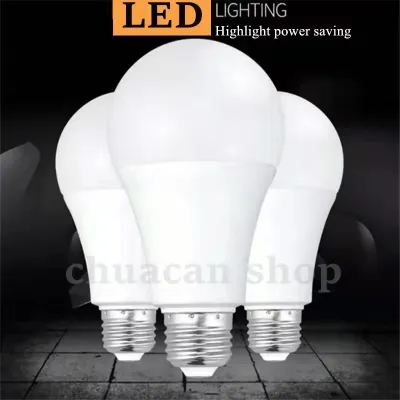
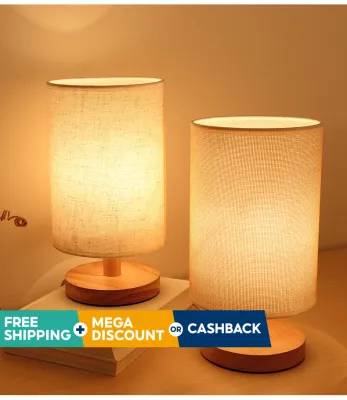
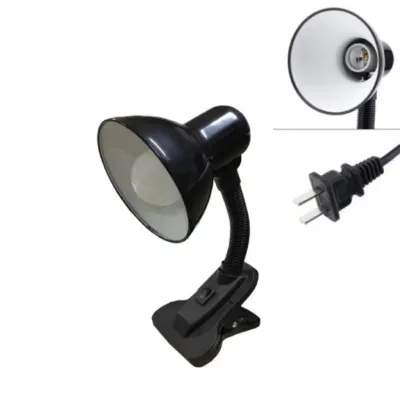
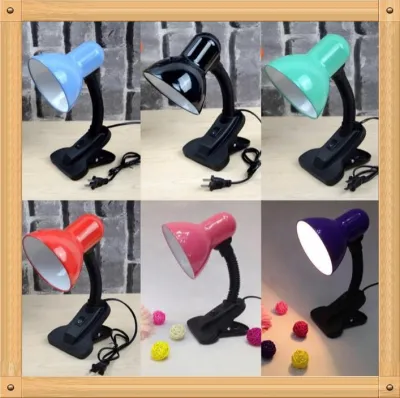
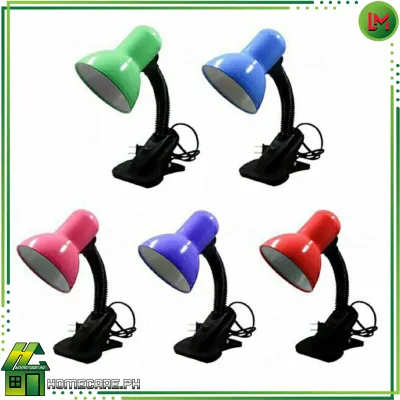
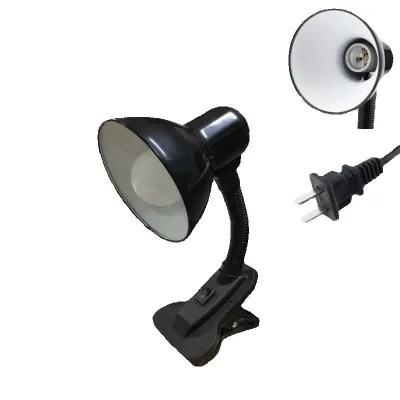
Prices are valid at publication and may change. Please refer to the product page for the latest price.
In contrast, a fitter is a rigid metal frame integrated into the top or bottom of the shade. This frame rests on a dedicated support structure, such as a lamp socket or a wire harp, rather than the bulb itself. Using the correct hardware is not just about aesthetics; it is a matter of safety and stability.
In warm, humid environments like the Philippines, choosing the wrong attachment can lead to sagging shades or heat damage. A shade that sits too close to the bulb can scorch the fabric or damage the socket. Identifying whether your lamp requires a direct bulb clip or a socket-mounted fitter is the first step toward a successful lighting upgrade.
Identifying the 4 Main Types of Lamp Shade Attachments
To select the right replacement shade, you must first identify the mounting system your lamp is built to support. Most table lamps utilize one of four primary attachment mechanisms.

Spring Clips (True Clip-On Fitters)
A spring clip is a self-contained metal bracket built into the top of the lamp shade. These metal tension clips open up to grip the glass envelope of the light bulb directly. Because they rely entirely on the bulb for support, they are best suited for small, lightweight shades, such as those found on bedside accent lamps, chandeliers, or compact study lamps.
When using a spring clip, the shape of your bulb is critical. Standard rounded A-shape bulbs or flame-shaped candelabra bulbs work best because their curves provide a natural ledge for the metal arms to grip. However, because these clips place physical pressure on the bulb, they are not recommended for heavy glass shades or oversized fabric shades that could cause the lamp to tip over.
Uno Fitters (Socket-Mounted)
Uno fitters bypass the bulb entirely and connect directly to the lamp socket. These fitters are classified into two main designs: Slip-Uno and Threaded Uno. A Slip-Uno fitter features a central ring that slides over the electrical socket and is held in place by the bulb itself when screwed in. A Threaded Uno fitter features internal threads that screw directly onto a threaded socket ring.
These fitters are exceptionally common in mid-century modern table lamps, task lights, and downward-pointing bridge lamps. They offer a clean, minimalist appearance because they eliminate the need for external wire frames. They allow you to swap shades quickly, provided the inner diameter of the Uno ring matches the outer diameter of your lamp’s socket.
Spider Fitters with Harps (Standard Table Lamps)
The spider fitter is the most common and robust mounting system used for standard-sized living room table lamps. This setup relies on a three-part system: a U-shaped wire frame called a harp, a spider ring built into the top of the shade, and a decorative cap called a finial. The harp attaches to a saddle bracket located directly beneath the lamp socket, extending upward to frame the bulb.
The spider ring features metal spokes that meet at a small central washer. This washer rests on top of the harp and is secured tightly by screwing the finial onto the threaded post at the top. This design is highly preferred for larger, heavier shades because it distributes the weight of the shade down to the heavy metal base of the lamp rather than placing stress on the delicate light bulb or socket.
Chimney and Glass Tension Clips
For vintage, rustic, or highly decorative lamps, you may encounter chimney and glass tension clips. These specialty clips are designed to secure glass chimneys, hurricane globes, or heavy glass bowl shades. Instead of being integrated into a fabric shade, these clips are typically built into the lamp’s metal gallery or collar.
These systems often use small, spring-loaded metal fingers or manual thumbscrews to grip the outer rim of the glass. Because glass expands when heated, these clips must be adjusted carefully to hold the glassware securely without applying excessive pressure that could cause the glass to crack during operation.
Step-by-Step Guide to Matching a Shade to Your Table Lamp
Matching a new shade to your table lamp does not have to be a guessing game. By following a structured diagnostic process, you can ensure a perfect fit and stable installation.
Inspect the Lamp Base Begin by examining the hardware currently installed on your lamp base. Look directly beneath the light bulb socket. If you see a small metal bracket (a saddle) pointing upward on either side of the socket, your lamp is designed to accept a wire harp and a spider-fitter shade. If the socket is bare but has external threads, you will need a Threaded Uno shade. If there is no extra hardware at all, your easiest option is a spring-clip shade that mounts directly to the bulb.
Evaluate the Bulb If you decide to use a spring-clip shade, verify that your bulb is compatible. Standard LED bulbs with smooth, slippery plastic housings often lack the friction needed to hold a metal clip in place. Look for bulbs with a distinct glass neck or a textured base that prevents the clip from sliding down. Additionally, ensure the bulb is strong enough to bear the weight of the shade without shifting in the socket.
Measure the Shade’s Top Ring Before purchasing a replacement shade, measure the inner diameter of the existing mounting ring or the outer diameter of your lamp socket. For Uno fitters, the ring must slide precisely over the socket; a ring that is even a few millimeters too small will not fit, while one that is too large will sit crookedly. For spider fitters, match the height of your harp to the drop of the spider ring to ensure the bulb sits perfectly centered within the shade.
Assess Weight and Size Never attempt to force a heavy or oversized shade onto a spring-clip mechanism. A heavy shade will cause the clip to sag, bringing the fabric dangerously close to the hot bulb. If your desired shade is larger than 30 centimeters in diameter, prioritize a spider-and-harp setup or a heavy-duty Uno assembly to distribute the weight safely.
Heat Clearance and Safety Checks Before Installing
Before finalizing your lamp shade installation, you must address several critical electrical and thermal safety boundaries. In tropical climates with high ambient humidity, electrical components can degrade faster, making proper installation even more vital.
First, always isolate the power supply by unplugging the lamp from the wall outlet before touching the bulb, socket, or shade hardware. Verify that your lamp’s operating voltage matches your local grid (typically 220V in the Philippines) and check the maximum wattage rating printed on the socket sticker. Never exceed this wattage limit, as doing so can melt plastic sockets and create severe fire hazards.
Second, pay close attention to heat clearance. When a lamp shade clip sits directly on a bulb, it conducts heat from the bulb’s surface. If the shade sits too low or lacks adequate ventilation, heat can build up rapidly, leading to “necking” (scorching or discoloration of the shade’s inner lining). Ensure there is at least 5 to 8 centimeters of clearance between the bulb and the fabric of the shade. Always read and follow the shade manufacturer’s care and safety labels.
Finally, if you discover that your lamp requires physical wiring modifications or socket replacements to accommodate a different fitter type, do not attempt DIY electrical work. Stop immediately and consult a qualified professional or certified electrician to ensure the lamp remains safe for daily use.
Frequently Asked Questions (FAQ)
Can I convert a standard harp lamp to use a spring clip shade?
While you can physically remove the wire harp from its saddle and clip a spring-clip shade directly onto the bulb, doing so is generally not recommended. Standard table lamps designed for harps usually have larger, heavier bases meant for larger shades. A spring-clip shade may sit too low on the bulb, creating a severe heat trap and scorching the fabric. If you want to change the shade style, it is much safer to use a harp-to-Uno adapter or select a shade that matches the existing harp system.
Why does my clip-on lamp shade keep slipping off the bulb?
A slipping clip-on shade is usually caused by an incompatible bulb shape or weakened metal tension. Many modern LED bulbs feature smooth, tapered plastic housings that offer very little friction for metal clips to grip. To fix this, try switching to a traditional glass bulb or an LED bulb with a classic A19 shape that has a defined neck. If the metal arms of the clip have stretched out over time, you can gently squeeze them inward with pliers while the lamp is unplugged to restore their tension. If the slipping persists, consider converting to a socket-mounted Uno fitter for a more permanent, stable solution.
Community discussion
Share your experience or ask a question. Comments are reviewed before publication.