
Spending hours reviewing notes, reading dense textbooks, or typing on a laptop can quickly take a toll on your eyes. In many homes across the Philippines, students and remote professionals work late into the humid tropical nights, often relying on a single overhead light or a basic desk setup. Without proper light modification, raw bulb output creates harsh contrasts, annoying reflections, and direct glare that lead to dry eyes, visual fatigue, and tension headaches.
Choosing the right lampshade for study table setups is the most effective way to transform a harsh, unshielded light bulb into an ergonomic task light. A well-designed shade does not just decorate a room; it actively shapes, directs, and softens light to match human visual needs. By balancing the brightness on your desk with the ambient light of the surrounding room, the correct shade helps your eyes transition smoothly across different surfaces without constant, tiring adjustments.
Key Lampshade Features to Reduce Eye Strain
Optimizing your study environment requires looking beyond the aesthetic appeal of a lamp to evaluate its optical performance. A high-quality study shade relies on three fundamental pillars: effective light diffusion, controlled glare reduction, and a targeted coverage area.
Products mentioned in this guide
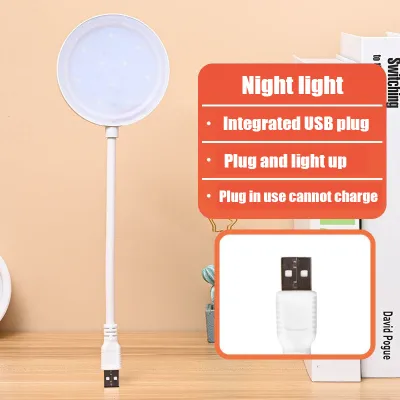
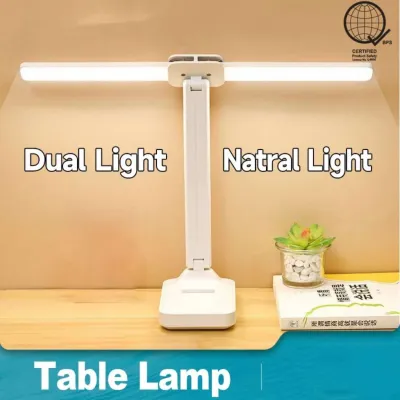
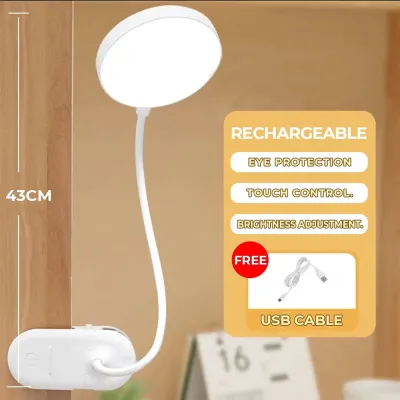
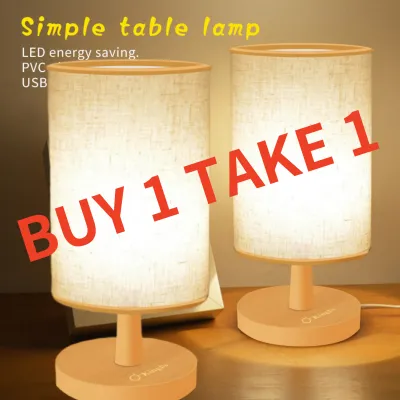

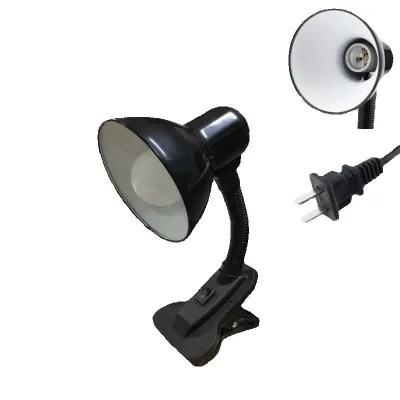
Prices are valid at publication and may change. Please refer to the product page for the latest price.
Understanding these physical properties allows you to select a shade that actively protects your eyes during long sessions. Instead of treating a desk lamp as a simple plug-and-play accessory, evaluating these features helps you customize your workspace lighting for maximum cognitive focus and comfort.
Light Diffusion and Material Opacity
The material of your lampshade determines how much raw light passes directly through the sides and how much is scattered gently into the surrounding space. Translucent materials like linen, lightweight cotton, or frosted glass act as natural diffusers. They break up the intense, concentrated rays of the bulb and scatter them evenly, minimizing the sharp shadows that make reading physical text difficult.
When selecting a material, check its opacity by holding it up to a light source. A suitable study shade should soften the bulb’s intense glow without blocking too much functional light. If a material is completely opaque—such as heavy metal or dark, dense plastics—it forces all the light out of the top and bottom openings, which can create an intense spotlight effect on your desk.
Conversely, be cautious of heavily textured, dark fabric shades. While they might look modern, dark exterior colors absorb a massive percentage of the bulb’s light output. This reduction in brightness often tempts users to install higher-wattage bulbs than the fixture is rated to handle, creating a serious safety hazard. For tropical climates like the Philippines, choosing durable, breathable fabrics like linen or high-quality treated paper is also practical, as cheap glues and synthetic materials can degrade quickly under high humidity.
Glare Reduction and Interior Finishes
Direct glare occurs when a bare bulb is visible to your eyes, while indirect glare happens when light reflects off smooth surfaces like laptop screens, tablet displays, or glossy textbook pages. Both types of glare force your pupils to constrict and dilate repeatedly, accelerating eye strain. The interior finish of your lampshade plays a critical role in preventing these distracting hotspots.
Avoid shades with highly reflective, glossy, or metallic gold and silver inner linings. While these finishes look stylish, they bounce light unevenly, creating concentrated beams of high-intensity light that reflect harshly off your work materials. Instead, opt for shades with matte white or very light-colored interior linings. A matte white surface acts as a Lambertian reflector, scattering light in all directions to provide a smooth, uniform pool of brightness.
Additionally, the physical depth of the shade is vital for glare control. When you are seated at your study table, the bottom rim of the lampshade must sit below your eye level. A deep shade ensures that the bare bulb remains completely hidden from your direct line of sight, preventing painful, direct light from entering your eyes while you work.
Coverage Area and Beam Angle
The bottom opening of a lampshade acts as an aperture, dictating the size and shape of the light pool cast onto your desk. The relationship between the bottom diameter of the shade and the height of the lamp determines the overall beam angle.
If you use a large study desk, a L-shaped setup, or a dual-monitor configuration, you need a wider bottom opening. A broad pool of light ensures that your reference books, notepad, and keyboard are all evenly illuminated. This wide coverage prevents sharp light-to-dark transitions at the edges of your workspace, allowing your eyes to scan your desk without constant contrast adjustments.
Shades with very narrow bottom openings create a tight, high-intensity spotlight. While this might be useful for highly specialized, singular tasks, it is counterproductive for general studying. The extreme contrast between a bright spotlight and a dark room forces your visual system to work harder, leading to quicker fatigue during extended midnight study sessions.
Matching Lampshade Shapes to Your Study Desk Setup
The physical shape of a lampshade does more than define its style; it dictates the direction of the light path and determines how much physical space the lamp occupies on your desk. Matching the shape to your specific study habits and desk layout ensures optimal light distribution.

Cone and Drum Shades for Focused Tasks
Drum shades feature vertical sides of equal diameter at the top and bottom, creating a highly balanced distribution of light. They allow light to escape equally from both ends, casting a soft ambient glow upward to reduce room contrast while directing a wide, even pool of light downward onto your workspace. This makes drum shades excellent for general reading, writing, and administrative tasks where you need consistent illumination across a moderate area.
Cone shades, which taper sharply from a narrow top to a wider bottom, direct almost all light downward in a concentrated beam. This highly efficient direction of light makes them ideal for detailed, high-focus tasks such as technical drawing, drafting, or reading very small print.
When using either shape, always verify the overall height of the shade once mounted on your lamp base. The shade must be tall enough to cover the bulb assembly completely, but not so large that it physically blocks your line of sight to your computer monitor or reference materials.
Empire and Bell Shades for Wider Desk Coverage
Empire and bell shades feature a flared bottom opening that is significantly wider than the top. This flared geometry casts a very wide, gradual pool of light across your desk, making them highly suitable for expansive workspaces, shared study tables, or setups where you need to spread out multiple textbooks and documents at once.
Because of their flared design, these shapes naturally facilitate excellent heat dissipation. In warm, tropical environments, heat buildup inside a closed shade can shorten the lifespan of your light bulbs and degrade the shade material over time. The open, flared top of an Empire shade allows rising warm air to escape easily, keeping the assembly cooler.
Before purchasing a flared shade, always verify the physical compatibility of the mounting hardware. Check whether your lamp base uses a spider fitter (which requires a harp), an uno fitter (which screws directly onto the socket), or a clip-on fitter (which attaches directly to the bulb). Ensuring a proper mechanical fit prevents the shade from tilting, which could expose the bare bulb or cause uneven light distribution.
Practical Setup and Safety Tips for Your Study Lamp
To get the most out of your chosen lampshade, you must pair it correctly with the right light bulb and position it safely within your workspace. Proper installation protects your health, maximizes energy efficiency, and ensures electrical safety.
- Verify Voltage and Bulb Specifications: In the Philippines, the standard household electrical supply is 220V at 60Hz. Always check the manufacturer's label on your lamp base to confirm its maximum wattage rating before installing a bulb. To keep energy costs low and minimize heat generation, opt for high-quality LED bulbs. Look for bulbs with a high Color Rendering Index (CRI) of 90 or above, which ensures that text, diagrams, and colors appear crisp and true to life.
- Choose the Right Color Temperature: For active studying and high-focus work, select a neutral to cool white light (between 4000K and 5000K). This temperature range mimics daylight, promoting alertness and reducing eye fatigue. Avoid warm yellow light (below 3000K) for active studying, as it can cause drowsiness, and steer clear of overly blue light (above 6000K) late at night, as it can disrupt your natural sleep cycle.
- Position to Prevent Shadows: Place your desk lamp on the opposite side of your dominant hand. If you are right-handed, position the lamp on your left; if you are left-handed, place it on your right. This simple adjustment prevents your hand and arm from casting distracting shadows across your notebook or keyboard as you write.
- Manage Screen Glare: Position your lamp so that the shade completely blocks direct light from striking your computer monitor. Direct light hitting a screen causes washout and reflections, forcing you to turn up your screen's brightness, which further contributes to digital eye strain.
- Prioritize Electrical Safety: Always isolate the power supply by unplugging the lamp before changing a bulb or replacing a lampshade. Ensure that the bulb does not physically touch the lampshade material, as this contact can lead to material degradation, scorching, or fire hazards. Additionally, look for local safety certifications, such as the Philippine Standard (PS) mark or the Import Commodity Clearance (ICC) sticker, to ensure your lighting equipment complies with national safety regulations.
Frequently Asked Questions (FAQ)
Can I use a clear glass lampshade for studying?
Clear glass lampshades are highly discouraged for study tables and long working sessions. Because they are completely transparent, they offer no diffusion or shielding, exposing your eyes directly to the bare light bulb. This direct exposure creates intense glare, sharp shadows, and immediate eye strain. If you prefer the aesthetic of glass, choose frosted, opal, or ribbed glass shades. These textured finishes scatter the light effectively, softening the output while maintaining a clean, modern look.
Does the color of the lampshade affect eye strain?
Yes, the color of your lampshade can significantly impact eye strain, though the interior and exterior colors play different roles. The exterior color primarily influences the ambient mood of the room, but a dark exterior with a dark interior lining will absorb most of the bulb’s light, resulting in a dim, inadequate workspace that forces your eyes to strain. For effective studying, always choose a shade with a matte white or light-colored interior lining, as this maximizes light reflection and ensures a bright, evenly distributed pool of task light on your desk.
Community discussion
Share your experience or ask a question. Comments are reviewed before publication.