
Oversized photographs capture life’s most significant milestones, from grand family portraits and wedding memories to professional art prints. However, displaying and preserving these large prints in the Philippines presents distinct challenges. The country’s tropical climate, characterized by high relative humidity and ambient heat, can accelerate the degradation of photographic paper and emulsions if they are not stored correctly. Finding a large-format photo album that can safely house prints measuring 8×10 inches, 11×14 inches, or larger requires looking beyond basic aesthetics. It demands a careful evaluation of archival materials, structural engineering, and display compatibility.
To protect your valuable oversized images, you must understand how different album designs interact with large prints. A poorly constructed album can cause heavy pages to sag, covers to warp, and chemical reactions to ruin your photos over time. This guide establishes a practical decision framework to help you analyze album specifications, compare binding styles, and select a durable, archival-safe storage solution that complements your home decor.
Decoding Photo Sizes and Album Compatibility
When dealing with large-format photography, standard album sizes like 4×6 or 5×7 inches are no longer relevant. Instead, you must match your prints to specific large-format standards, such as 8×10 inches (approximately 20.3 x 25.4 cm), 11×14 inches (approximately 27.9 x 35.6 cm), or international paper standards like A4 and A3. Before purchasing any album, measure your physical prints with a reliable ruler. Do not rely solely on the nominal size printed on the back of the photo, as borderless prints and bordered prints can have slightly different physical margins.
Products mentioned in this guide
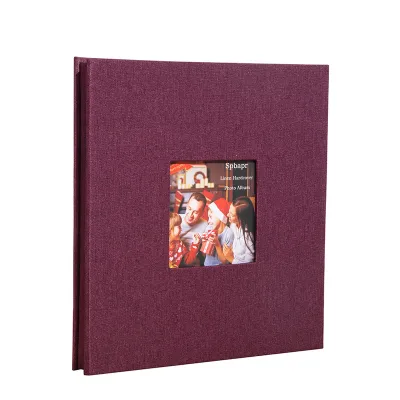
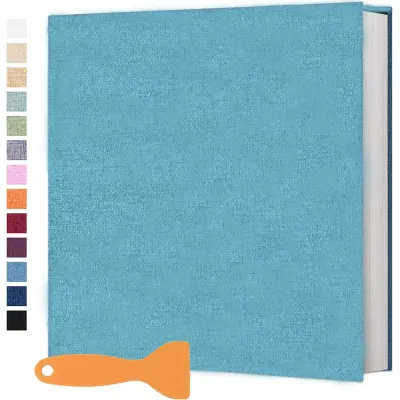

Prices are valid at publication and may change. Please refer to the product page for the latest price.
A common pitfall is confusing the external dimensions of a photo album with its internal page capacity. A product listed as a “12×12 inch album” refers to the outer cover size. The actual usable page area inside is often smaller due to the binding margins, ring mechanisms, or border seals. For example, an 11×14 inch print requires an album with internal page dimensions of at least 11.5 x 14.5 inches to ensure the edges of the photograph do not protrude or get pinched by the cover when closed. Always verify the usable page area or pocket dimensions in the product specifications.
Additionally, consider the thickness and finish of your photographic paper. Heavyweight fine art papers, thick matte cardstock, and double-weight glossy prints take up more physical space and add significant weight to each page. Standard plastic slip-in pockets designed for thin, lightweight paper may stretch, tear, or fail to accommodate thicker professional prints. If your photos have a delicate glossy or metallic finish, they are highly susceptible to surface scratching and sticking. This makes the choice of page protector material and the ease of insertion critical factors in your selection process.
Essential Features to Evaluate in Big Picture Albums
The structural integrity of a large-format album depends heavily on its binding method. Because oversized photos and heavy-grade pages exert substantial leverage on the spine, weak bindings will quickly fail. Lay-flat binding is highly recommended for large displays because it allows the album to open completely flat without a gutter curve, preventing the distortion of wide panoramic images. Screw-bound albums offer excellent stability and allow you to add or remove pages, but they require careful alignment and can become rigid if overfilled. Ring binders provide flexibility for rearranging pages, but the heavy weight of large pages can cause them to sag or tear at the punch holes over time. Look for ring binders equipped with page lifters to ease the transition of pages over the metal rings.

The chemical composition of the internal pages is the most critical factor for long-term photo preservation. In the humid environment of the Philippines, chemical off-gassing and moisture entrapment can destroy photographic emulsions within a few years. Ensure that all paper pages, mounts, and adhesives are certified acid-free and lignin-free. For plastic sleeves or protectors, only use materials made from chemically inert plastics such as polypropylene, polyester, or polyethylene. Avoid polyvinyl chloride (PVC) at all costs. PVC contains plasticizers that release acidic gas over time, leading to a sticky residue, yellowing, and the permanent transfer of the photo emulsion onto the plastic sleeve.
The cover material and overall structural rigidity of the album must also support its weight. Large albums stored vertically on a shelf are prone to warping if the covers are made of thin, flexible cardboard. Look for heavy-duty, warp-resistant binder boards wrapped in durable materials like bookcloth, linen, or high-quality faux leather. These materials provide the necessary physical support to keep the pages flat and compressed, which prevents dust, moisture, and pests from entering the closed album.
Choosing Album Styles for Display and Gallery Walls
A large photo album is not just a storage device; it is often a prominent piece of home decor. When selecting an album style, consider how its exterior design integrates with your existing interior theme. Linen and bookcloth covers offer a tactile, organic texture that complements minimalist, modern, or rustic Filipino home designs. Genuine or high-quality faux leather covers provide a classic, formal appearance suitable for traditional studies, libraries, or executive spaces. For contemporary interiors, albums featuring acrylic front covers or clean, monochromatic slipcases offer a sleek, gallery-like aesthetic.
Spine design is equally important if you plan to store your albums on open shelving or as part of a console table display. A thick, square spine with a built-in label holder or debossed detailing allows you to organize your collection chronologically or by theme while maintaining a clean visual line. Ensure the spine is wide enough to accommodate the fully loaded capacity of the album without flaring or opening into a wedge shape, which looks untidy and exposes the inner pages to dust.
You must also weigh the trade-offs between heavy, coffee-table-style albums and lighter, more portable options. A massive, leather-bound album designed for 11×14 prints is best suited for flat display on a dedicated table or deep shelf, where it can be opened and admired without being frequently moved. If you anticipate passing the album around during family gatherings, look for slightly lighter configurations, such as post-bound albums with protective slipcases. The slipcase not only protects the cover from fingerprints and corner damage during handling but also adds an extra layer of defense against dust and ambient humidity when stored.
Building a Reliable Shortlist for Large Photo Albums
Finding high-quality, large-format photo albums in the Philippines requires a strategic approach when browsing online marketplaces and specialty craft stores. Start by optimizing your search terms. Instead of searching for generic big photo albums, use precise dimensions and material keywords, such as “11×14 archival photo album,” “8×10 polypropylene pocket album,” or “acid-free scrapbook binder.” This filters out standard-sized albums and focuses your results on products designed for professional or oversized prints.
When evaluating product listings, look closely for missing or vague specifications. Many budget listings claim to be high-quality or protective without specifying the materials used. If a listing does not explicitly state acid-free, lignin-free, or PVC-free, assume it may contain harmful materials. Check the product description for the exact internal pocket dimensions rather than just the overall cover size. If the seller does not provide these measurements, send a direct inquiry to verify the usable page area before making a purchase.
Buyer reviews are an invaluable source of real-world feedback, especially regarding structural durability and shipping safety. Look for reviews that mention how the album handles weight when fully loaded with photos. Pay close attention to comments about the packaging and delivery process. Large-format albums have wide, vulnerable corners that can easily bend or crush during transit if not packed in rigid cardboard boxes with corner protectors. Reviews that highlight secure packaging and pristine delivery are strong indicators of a reliable seller.
Storing and Maintaining Oversized Photo Albums
Proper storage and maintenance are essential to ensure your large-format photo albums survive the tropical climate of the Philippines. High humidity can cause pages to warp, adhesives to fail, and mold to develop on organic cover materials like linen or paper. Store your albums in a well-ventilated room away from exterior walls, which can trap moisture. Never store valuable albums in damp basements, hot attics, or directly under air conditioning vents where temperature fluctuations can cause condensation. Keep them out of direct sunlight to prevent the fading of both the cover materials and the photographs inside.
When viewing your albums, practice proper handling techniques to protect the heavy pages. Always wash and dry your hands thoroughly before touching the pages, or wear clean cotton gloves to prevent transferring skin oils to the photo surfaces. Support the weight of the page from underneath as you turn it; pulling or flipping a large, heavy page by its outer corner can easily cause creasing, tearing, or strain on the binding mechanism.
Regular cleaning keeps your albums looking pristine and prevents dust buildup from scratching your prints. Use a dry, soft microfiber cloth to gently dust the covers and the edges of the pages. For fabric or linen covers, a soft-bristled brush can remove dust from the weave. Avoid using liquid cleaners, chemical solvents, or damp cloths on paper pages or delicate cover materials, as moisture can seep into the edges and cause permanent water staining or mold growth. If you encounter severe damage, such as stuck pages or mold infestation, stop immediately and consult a professional conservator to avoid destroying the photographs.
Frequently Asked Questions (FAQ)
Can I use standard sheet protectors for 11×14 photos?
No, standard office sheet protectors are typically designed for Letter or A4 paper sizes and are physically too small to accommodate 11×14 inch photographs. Forcing a large print into a tight protector can bend the corners, crease the paper, or scratch the delicate emulsion. Furthermore, standard office sheet protectors are often made from low-grade plastics that contain harmful PVC or acidic compounds not rated for archival photo storage. Always purchase specialized, archival-grade 11×14 inch page protectors designed specifically for photo binders or scrapbooks to ensure a safe, stress-free fit.
Are magnetic photo albums safe for large-format pictures?
Traditional magnetic photo albums—which feature sticky, adhesive-coated cardboard pages covered by a peel-back plastic sheet—are highly unsafe for large-format pictures and should be avoided. The adhesives used in older magnetic albums are highly acidic and will yellow, brittle, and permanently bond to the back of your photographs over time, making them impossible to remove without tearing. Additionally, the plastic cover sheets are often made of PVC, which traps moisture and off-gasses harmful chemicals. For large-format pictures, choose modern archival alternatives such as slip-in pocket albums made of polypropylene, or use acid-free mounting corners on heavy paper pages inside a post-bound or ring-bound album.
Community discussion
Share your experience or ask a question. Comments are reviewed before publication.