
Selecting the right christmas tree accessories light depends on balancing your aesthetic vision, technical comfort, and the physical environment of your home. Standard LED strands offer unmatched energy efficiency and a classic, reliable glow. Novelty-shaped bulbs bring a playful, thematic charm that serves as a design focal point. Smart lights provide ultimate customization with dynamic color-changing patterns and app-controlled convenience. By evaluating your tree’s physical dimensions, your local power setup, and how much time you want to spend configuring your display, you can select the ideal lighting type to create a safe and beautiful holiday centerpiece.
Assessing Your Tree Setup and Decor Goals
Before purchasing any christmas tree accessories light, you must evaluate the physical characteristics of your tree and its surrounding environment. Start by measuring the height of your tree and assessing its branch density. A dense, bushy pine or fir tree requires significantly more light coverage than a sparse, modern minimalist tree. For a standard six-foot tree, you will typically need several meters of light strands to achieve a balanced look, so checking the manufacturer’s recommended strand length per foot of tree height is a crucial first step.
The physical placement of your tree also dictates the technical specifications you must look for. In the Philippines, holiday displays often face unique environmental challenges, such as high indoor humidity or outdoor exposure to sudden tropical rain showers. If you plan to place your tree on a covered patio, veranda, or outdoors in the garden, you must select lights specifically rated for outdoor use. Indoor setups are more forgiving but still require careful consideration of proximity to power outlets and potential heat build-up in enclosed spaces.
Products mentioned in this guide
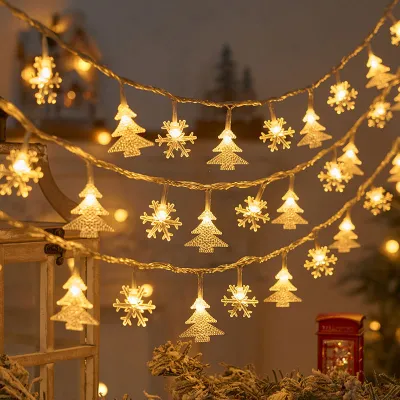
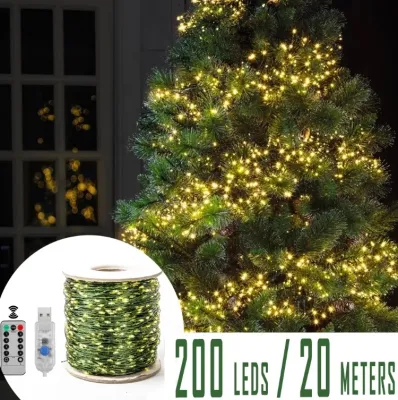
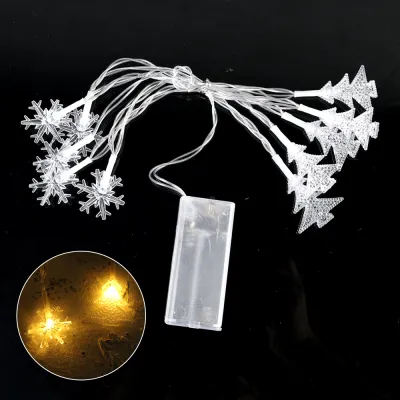
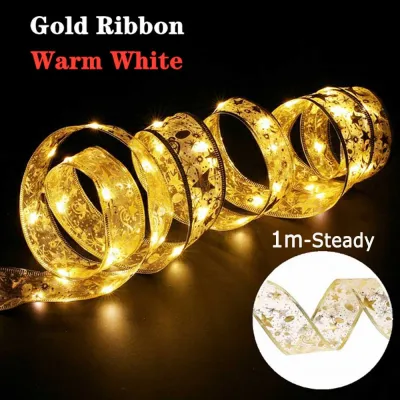
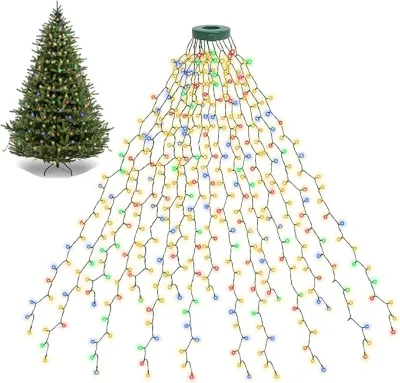
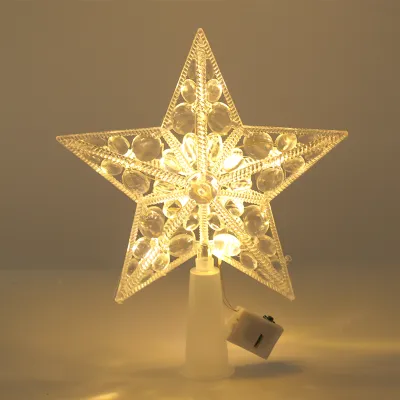
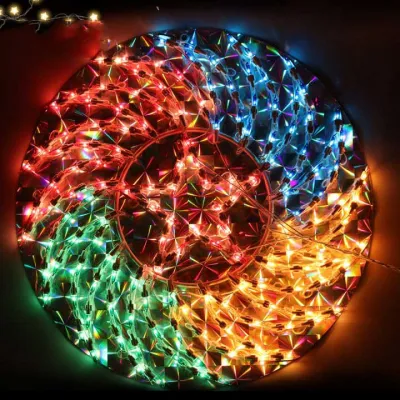
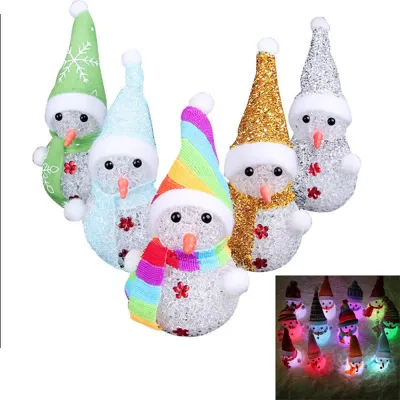
Prices are valid at publication and may change. Please refer to the product page for the latest price.
Finally, define your overall design theme to ensure your lighting complements your decor. A traditional family tree adorned with vintage ornaments pairs beautifully with the steady, warm glow of classic lights. If you prefer a whimsical, child-friendly theme, novelty shapes like stars or snowflakes can enhance the playful atmosphere. For those who enjoy modern, high-tech home setups and want to synchronize their holiday display with music or changing moods, smart lights offer the necessary versatility to bring that dynamic vision to life.
Standard LED Strands for Classic and Efficient Illumination
Standard LED strands remain the most popular choice for holiday decorating due to their exceptional energy efficiency and long operational lifespan. Unlike older incandescent bulbs, LEDs emit very little heat, which significantly reduces the risk of drying out real tree needles or damaging delicate synthetic branches. This low heat emission is particularly beneficial in warm tropical climates, where indoor temperatures can remain high even during the cooler months of the year.

When shopping for standard LEDs, pay close attention to bulb spacing and wire color. Bulbs that are spaced too far apart can leave dark patches on your tree, while tightly spaced bulbs create a dense, intense line of light. Choosing a wire color that matches your tree is equally important; green wires blend seamlessly into traditional green trees, while white or clear wires are ideal for flocked, white, or metallic artificial trees. Ensuring the wire color matches prevents the physical cord from distracting from your ornaments.
Color temperature is another critical factor that influences the ambiance of your room. LEDs are generally available in warm white, cool white, or multi-color options. Warm white lights (typically around 2700K to 3000K) mimic the cozy, golden glow of traditional candles and pair well with classic red, gold, and green ornaments. Cool white lights (5000K and above) offer a bright, crisp, bluish-white illumination that complements modern, silver, or blue color schemes. Always check the packaging to verify the color temperature, as mixing different temperatures on a single tree can create an inconsistent and jarring visual effect.
Novelty-Shaped Bulbs for Thematic and Playful Displays
Novelty-shaped lights feature bulbs encased in decorative plastic or glass covers, such as stars, snowflakes, pinecones, or traditional capiz-style shells. These lights serve a dual purpose: they provide illumination while acting as independent decorative elements on your tree. Because of their distinct shapes, novelty lights are excellent for establishing a specific theme, whether you are aiming for a rustic woodland look with pinecone bulbs or a coastal theme with shell-shaped covers.
Integrating novelty lights requires careful planning to avoid overwhelming the tree’s natural shape. Because these bulbs are physically larger and heavier than standard LEDs, placing too many of them on a small tree can weigh down the branches and create a cluttered appearance. A balanced approach involves using novelty lights as focal points, distributing them evenly across the outer tips of the branches where their shapes are clearly visible. You can also layer them over a base of standard micro-LEDs to add depth and fill in any dark interior spots.
Before purchasing novelty lights, verify the manufacturer’s specifications regarding bulb replacement and socket design. Many novelty sets use proprietary designs, meaning that if a single bulb cover breaks or a bulb burns out, finding a compatible replacement can be difficult. Check if the package includes spare bulbs and covers, and inspect the construction of the sockets to ensure they are sturdy enough to withstand annual packing and unpacking. Opting for sets with durable, impact-resistant plastic covers is highly recommended to prevent accidental breakage during installation.
Smart Lights for Dynamic Colors and App-Controlled Convenience
Smart lights represent the cutting edge of holiday decorating, offering unprecedented control over your tree’s appearance through mobile applications or smart home integration. These systems allow you to change the color of individual bulbs, map the physical layout of the lights using your smartphone camera, and apply complex animated patterns. This level of control makes smart lights highly appealing to tech-savvy homeowners who want to customize their display for different occasions or synchronize the lights with holiday music.
To use smart lights effectively, you must assess your home’s wireless network infrastructure. Most smart lighting systems rely on a stable 2.4 GHz Wi-Fi connection or Bluetooth pairing to communicate with your smartphone. If your Christmas tree is located far from your home router, or if your walls block wireless signals, you may experience connectivity drops or delayed responses. Some advanced systems require a dedicated smart home hub to function, so it is essential to verify these technical requirements on the product packaging before making a purchase.
While the features of smart lights are impressive, they do come with a learning curve and potential network stability challenges. Configuring custom scenes, setting up automated schedules, and linking the lights to voice assistants require some technical patience. Additionally, if your home internet connection is unstable, you may find yourself troubleshooting connection issues instead of enjoying your display. Consider whether you are willing to spend time navigating an app interface and managing software updates to keep your holiday lights running smoothly.
Comparing LED, Novelty, and Smart Lights for Your Setup
To help you decide which lighting type best fits your holiday plans, it is helpful to compare their key characteristics side by side. Each option presents distinct trade-offs between initial cost, ease of installation, and visual flexibility.
| Light Type | Setup Complexity | Customization Level | Energy Efficiency | Ideal Aesthetic |
|---|---|---|---|---|
| Standard LED | Low (Plug-and-play) | Low (Static or basic modes) | High | Classic, traditional, or minimalist |
| Novelty Shaped | Medium (Requires careful placement) | Low (Static thematic shapes) | Medium to High | Playful, themed, or rustic |
| Smart Lights | High (Requires app pairing/mapping) | Extremely High (Millions of colors/effects) | High | Modern, dynamic, and interactive |
The primary trade-off when choosing smart lights is the higher initial financial investment compared to standard LEDs or novelty options. Standard LEDs are highly cost-effective and require virtually no technical setup, making them the ideal choice for those who prefer a simple, reliable, and classic display. Novelty lights offer a middle ground, providing a unique thematic look without the need for digital configuration, though they require more physical care during installation to protect the delicate bulb shapes.
Your final choice should align with your personal decorating style and how much time you want to invest in your setup. Busy households that value quick assembly and classic elegance will find standard LEDs to be the most practical solution. Families with young children who enjoy whimsical, themed decorations will appreciate the charm of novelty shapes. Meanwhile, technology enthusiasts and those who love hosting dynamic holiday gatherings will find the creative possibilities of smart lights well worth the extra setup time and cost.
Safety, Compatibility, and Pre-Purchase Verification
Electrical safety must be your top priority when selecting and installing any christmas tree accessories light. In the Philippines, the standard electrical grid operates at 220 volts and 60 hertz. Always verify that the lights you purchase are rated for this voltage to prevent short circuits, overheating, or fire hazards. Look for official safety certification marks on the product packaging, which indicate that the product has undergone rigorous testing to meet local safety standards.
If you plan to install lights outdoors or in areas exposed to moisture, such as a semi-open porch, you must check the Ingress Protection (IP) rating on the product label. For outdoor use, look for lights with a rating of at least IP44, which protects against splashing water from all directions. Never use indoor-rated lights outdoors, as tropical humidity, morning dew, and rain can easily penetrate non-sealed casings, leading to electrical shocks or permanent damage to the light strand.
Before finalizing your purchase, inspect the physical specifications of the light strands. Check the total cord length to ensure it can comfortably reach your power outlet without stretching or creating a tripping hazard. Review the manufacturer’s instructions regarding the maximum number of strands that can be safely connected end-to-end; overloading a single circuit or daisy-chaining too many strands can blow fuses or melt wires. If you are planning a large-scale outdoor display, require complex fixed wiring, or need to work at significant heights, always isolate the power source before installation and consult a qualified professional electrician to ensure your setup is safe and compliant.
Frequently Asked Questions (FAQ)
Can I mix LED strands and novelty lights on the same tree?
Yes, you can combine standard LED strands and novelty lights on a single tree, provided you follow basic electrical and aesthetic guidelines. Electrically, you must never connect different types of light strands directly end-to-end unless the manufacturer explicitly states they are compatible. Instead, plug each type of strand into separate outlets or a heavy-duty, surge-protected power strip, ensuring you do not exceed the maximum wattage limit of your outlet. Aesthetically, use the standard LEDs deep within the branches to create a rich, glowing background, and drape the novelty lights on the outer tips to serve as eye-catching decorative accents.
How should I store smart and novelty lights after the holidays?
Proper post-holiday storage is essential to preserve the delicate electronic components of smart lights and the fragile shapes of novelty bulbs. To prevent wire tangling and internal copper wire breakage, wrap your light strands carefully around specialized plastic spools or the original packaging rather than bundling them tightly. If your smart lights or novelty sets use battery-operated controllers or remote controls, always remove the batteries before storage to prevent acid leakage and corrosion over the off-season. Finally, store your lights in a cool, dry place away from direct sunlight and extreme tropical heat, which can degrade plastic bulb covers and damage sensitive smart hubs or control boxes.
Community discussion
Share your experience or ask a question. Comments are reviewed before publication.