
Choosing between an LED reading light and a bedside lamp for your table depends entirely on whether you need focused illumination for tasks or a soft glow to relax. While both sit on a tabletop, they serve completely different optical purposes. An LED reading light acts as a precision tool, directing a narrow beam of light exactly where you need it to prevent eye strain during long study or work sessions. In contrast, a bedside lamp functions as an ambient light source, scattering soft, diffused light across a wider area to create a warm, inviting atmosphere in your bedroom or living space.
In tropical climates like the Philippines, where evening temperatures and humidity can influence how we use our indoor spaces, selecting the right table light also involves practical considerations. For instance, a bulky fabric shade might trap dust in humid environments, while a sleek, adjustable metal arm might offer a cleaner, low-maintenance alternative. By evaluating your daily habits, desk layout, and lighting preferences, you can easily determine which option will best support your lifestyle and protect your eyes.
Core Differences: Task-Focused vs. Ambient Lighting
The fundamental difference between these two lighting options lies in their optical engineering and how they distribute light across a room. An LED reading light is designed specifically for task lighting, meaning it projects a concentrated, directional beam of light. This targeted illumination is achieved through specialized lenses, reflectors, or deeply recessed LED chips that focus the light downward onto a book, notebook, or keyboard. By keeping the light confined to a specific zone, these fixtures minimize light spill, allowing you to read late into the night without disturbing a sleeping partner or casting unwanted shadows across the rest of the room.
Products mentioned in this guide
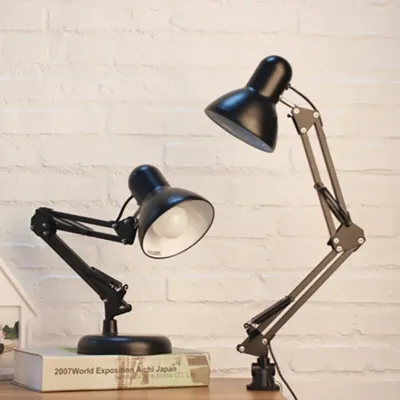
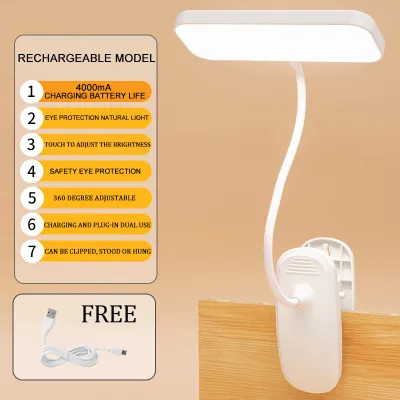
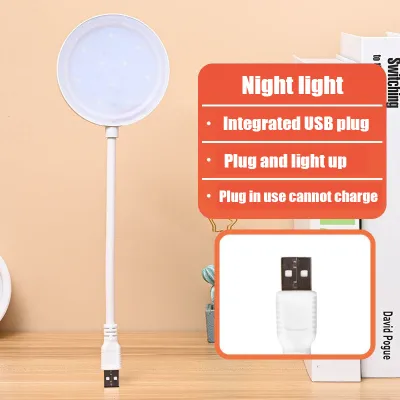
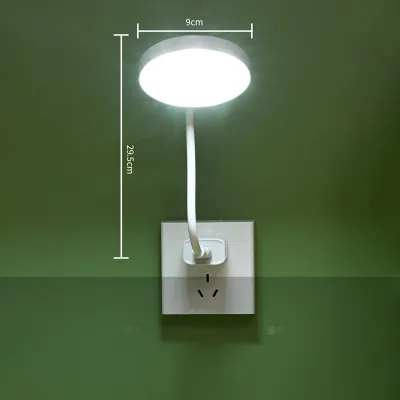
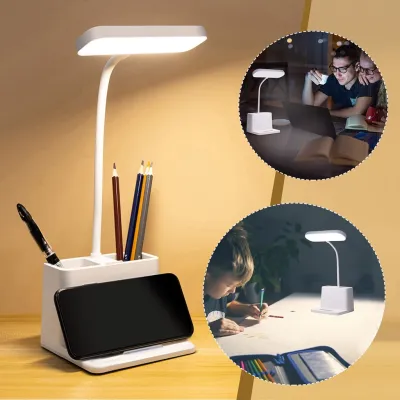
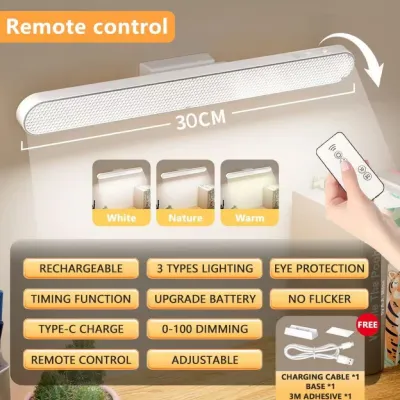
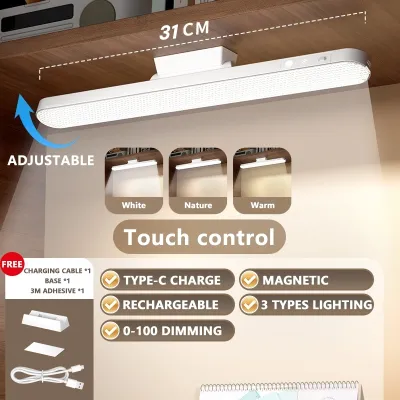
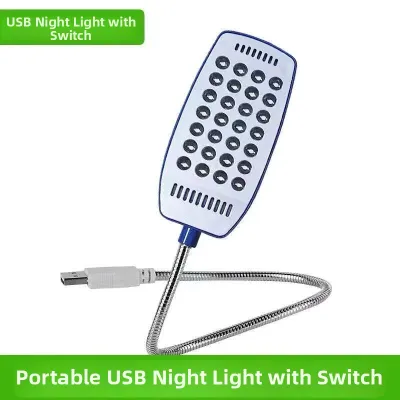
Prices are valid at publication and may change. Please refer to the product page for the latest price.
Conversely, a bedside lamp is engineered for ambient or accent lighting, prioritizing overall room atmosphere over precision. These lamps typically feature a central bulb surrounded by a shade made of fabric, paper, frosted glass, or plastic. The shade acts as a diffuser, scattering the light in all directions to soften harsh shadows and eliminate glare. Instead of a sharp beam, you get a gentle, wide-reaching glow that fills the immediate area, making it ideal for winding down before sleep, navigating the room safely in the dark, or setting a relaxing mood.
These optical differences directly impact your physical comfort and eye health during different activities. Using a diffused bedside lamp for prolonged, detailed reading often forces your eyes to work harder to resolve small text, which can lead to fatigue, headaches, and strain. On the other hand, using a highly focused reading light as your sole source of bedroom illumination can create stark, high-contrast zones of bright light and deep shadow, which can feel clinical and prevent your mind from relaxing before bed.
Evaluating Light Quality and Adjustability
To find the perfect table light, you must look beyond aesthetic appeal and examine the physical and optical specifications of each fixture. Understanding how brightness, beam control, and physical adjustability interact will help you select a lamp that fits both your visual needs and your physical space. Let us break down the key metrics and design features you should evaluate before making a purchase.

Brightness, Beam Angle, and Glare Control
When evaluating light quality, the beam angle is one of the most critical factors to check on the product packaging or manufacturer specifications. LED reading lights generally feature a narrow beam angle, often between 15 and 45 degrees, which keeps the light highly concentrated. Bedside lamps do not have a defined beam angle; instead, they rely on 360-degree light distribution that is softened by the surrounding shade.
You should also verify the lumen output—which measures actual brightness—rather than relying solely on wattage. For dedicated reading and close-up tasks, look for fixtures that deliver a focused output of 300 to 500 lumens. For ambient bedside lighting, a softer output of 150 to 300 lumens is usually sufficient to create a relaxing environment. Additionally, consider the color temperature: cool white or daylight (5000K to 6500K) can help with focus during daytime tasks, while warm white (2700K to 3000K) is much better suited for evening relaxation and preparing your body for sleep.
Glare control is another essential feature to inspect, especially for task-heavy setups. High-quality reading lights often incorporate frosted diffusers, honeycomb louvers, or deeply recessed LED chips to prevent direct light from hitting your eyes at uncomfortable angles. When choosing a bedside lamp, ensure the shade is opaque or dense enough to completely hide the bare bulb from view when you are sitting or lying down, preventing harsh, direct glare.
Adjustability, Reach, and Space Footprint
The physical structure of a lamp dictates how well it integrates into your daily routine and your existing furniture layout. LED reading lights frequently feature highly adjustable designs, utilizing articulated arms, counterweights, or flexible goosenecks. This allows you to physically position the light source closer to your reading material or tilt it away to prevent screen glare, giving you precise control over the illuminated zone.
Bedside lamps, by contrast, generally feature fixed, rigid bases with stationary shades. While they lack directional flexibility, their stable, solid bases are designed to sit securely on nightstands or side tables without tipping over. When selecting a lamp, always measure the physical footprint of the base against the available surface area of your table. A large, decorative bedside lamp might look beautiful, but it can quickly crowd a small nightstand, leaving little room for your phone, glasses, or a glass of water.
There is also a practical trade-off between a lamp’s maximum reach and its physical stability. Adjustable reading lights with long, extending arms require a heavier, more substantial base or a secure clamp to prevent them from tipping over when fully extended. Before buying, verify the weight of the base or check if the clamp mechanism is compatible with the thickness and material of your table edge to ensure safe, wobble-free operation.
Feature Comparison Checklist
When browsing online marketplaces or visiting local lighting showrooms in the Philippines, keeping a checklist of key specifications will help you compare different models objectively. Use the comparison table below to verify which features align with your specific table setup and lighting goals.
| Feature | LED Reading Light | Bedside Lamp |
|---|---|---|
| Primary Light Direction | Downward, focused, and highly directional | Diffused, multi-directional, and wide-reaching |
| Typical Beam Angle | Narrow (15° to 45°) | Wide / Omnidirectional (360° diffusion) |
| Adjustability | High (flexible goosenecks, swivels, or jointed arms) | Low to None (fixed base and stationary shade) |
| Common Shade Materials | Metal, aluminum, or high-density matte plastic | Fabric, paper, frosted glass, or woven rattan |
| Dimming Capabilities | Often integrated (stepless touch dimming or presets) | Optional (requires dimmable bulb or inline dimmer switch) |
| Power Source Options | USB-powered, rechargeable battery, or AC adapter | Standard AC wall plug (Type A or Type B) |
| Typical Footprint | Compact base, clamp-on mount, or slim profile | Moderate to large decorative base |
Before finalizing your purchase on any ecommerce platform, always verify the electrical specifications of the lamp. In the Philippines, the standard household voltage is 220V at a frequency of 60Hz. Ensure the lamp’s power adapter or internal ballast is rated for this voltage, and check that the plug type matches your wall outlets (typically flat two-pin Type A or grounded Type B) to avoid needing unsafe daisy-chained adapters.
How to Choose Based on Your Primary Use Case
To make the final decision, you must evaluate how you actually spend your time at your table or bedside. Choosing the wrong style can lead to eye discomfort or a mismatched room aesthetic, so let us look at the clear indicators for each type of light.
Choose an LED reading light if:
- Your primary activity is prolonged reading, studying, sewing, or detailed crafting at your table.
- You share a bedroom or dorm room and need to work or read late into the night without waking up a sleeping partner.
- Your table space is highly limited, and you need a compact, clamp-on fixture that leaves the tabletop completely clear.
- You require precise control over the angle of the light to eliminate glare on laptop screens, tablets, or glossy book pages.
Choose a bedside lamp if:
- Your main goal is to create a warm, cozy, and relaxing atmosphere to help you wind down before sleep.
- You need general, low-level illumination to safely navigate your bedroom or living room in the evening.
- The lamp is intended to serve as a key decorative element that complements your interior design, bedding, or furniture style.
- You prefer a soft, indirect glow for casual activities like watching television, listening to music, or chatting.
Neither option may fit if:
- You need to illuminate an entire large room evenly; in this case, you should look into high-output overhead task lighting or smart-home integrated ceiling fixtures.
- You are setting up a professional video conferencing or content creation space, which requires specialized, high-CRI panel lights or ring lights rather than standard reading or bedside lamps.
Safety and Installation Checks for Table Lamps
Operating any electrical fixture safely requires a few basic precautions, especially in tropical environments where humidity can affect electrical components over time. Before plugging in your new table lamp, carefully inspect the power cord for any signs of fraying, exposed wires, or cracked insulation. Ensure the plug fits snugly into your wall outlet without sparking, and verify that the lamp’s maximum wattage rating matches or exceeds the wattage of the bulb you plan to install.
If you select an adjustable LED reading light, pay close attention to where you position the head and arm. While LEDs run much cooler than old incandescent bulbs, the internal LED drivers and metal heat sinks can still become warm to the touch during extended use. Avoid placing the lamp head directly against flammable materials such as curtains, bedsheets, mosquito nets, or paper decorations. Maintaining a clear space of at least a few inches around the fixture allows heat to dissipate safely and prevents potential fire hazards.
Finally, consider the physical placement of the cords to prevent tripping hazards, especially in high-traffic areas or children’s bedrooms. If your desired table setup requires installing new wall outlets, routing wires through walls, or adding hardwired wall switches, do not attempt to modify your home’s electrical system yourself. Always consult a qualified professional or a licensed electrician to ensure all modifications comply with the Philippine Electrical Code and local safety standards.
Frequently Asked Questions (FAQ)
Can I use a bedside lamp for reading in bed?
Yes, you can use a bedside lamp for casual, short-term reading, but it is not ideal for prolonged reading sessions. Because bedside lamps diffuse light in all directions, they often lack the focused intensity needed to make small text easily readable, which can cause your eyes to tire quickly. If you want to use a bedside lamp for reading, check the lamp’s maximum brightness capability and choose a lighter, semi-translucent shade that allows more light to pass through, or install a bulb with a slightly higher lumen output.
Do LED reading lights consume less electricity than traditional bedside lamps?
Energy efficiency is determined by the light source itself rather than the style of the lamp. An LED reading light will be highly energy-efficient because it uses integrated LEDs, but a bedside lamp fitted with an LED bulb will consume a similarly low amount of electricity. To compare power consumption accurately, always check the wattage rating on the product label; a lower wattage means less electricity used, regardless of whether the fixture is a focused task light or an ambient bedside lamp.
How do I clean the diffuser or shade of my table lamp?
Before cleaning any lamp, always unplug it from the wall outlet and allow the bulb and fixture to cool down completely to avoid electrical shocks or burns. For fabric or paper shades, use a dry microfiber cloth or a soft-bristle brush to gently sweep away dust, which can accumulate quickly in humid tropical climates. For plastic, metal, or glass diffusers, you can use a slightly damp microfiber cloth to wipe the surface clean, but avoid using harsh chemical cleaners or abrasive pads that could scratch the finish or degrade the materials.
Community discussion
Share your experience or ask a question. Comments are reviewed before publication.