
Choosing the right ambiance for your home often comes down to finding the perfect balance between light and shadow. An led starry projection light can instantly transform a plain ceiling into a mesmerizing celestial canopy, but the features that make one model perfect for a lively weekend gathering can easily ruin your nightly sleep routine. Before purchasing a projection lamp, you must identify your primary goal: are you looking to drift off to sleep, unwind after a long day of work, or energize a social gathering? Matching specific technical features like brightness levels, color modes, rotation speeds, and timers to your actual lifestyle ensures you get the most value out of your ambient lighting.
Choosing an LED Starry Projection Light: Quick Feature Matching Guide
To find the ideal device, it helps to understand how different specifications serve different moods. A projector designed solely for high-energy entertainment will likely have bright, flashing lights and a louder motor, making it poorly suited for a quiet bedroom. Conversely, a gentle sleep aid might lack the brightness and dynamic color-changing capabilities needed to fill a large living room during a party.
The table below outlines how key features align with your primary intended use:
Products mentioned in this guide
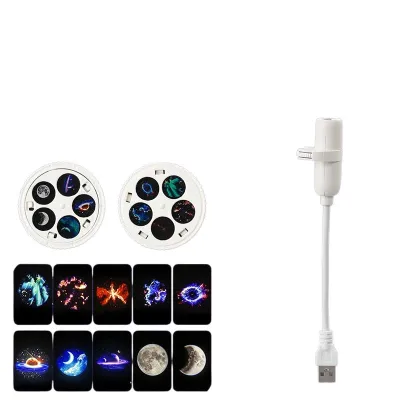
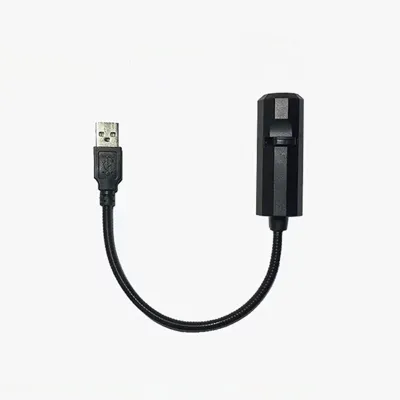
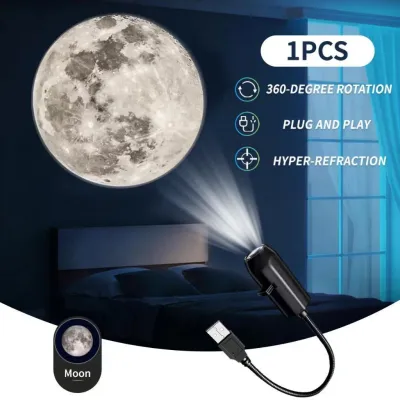
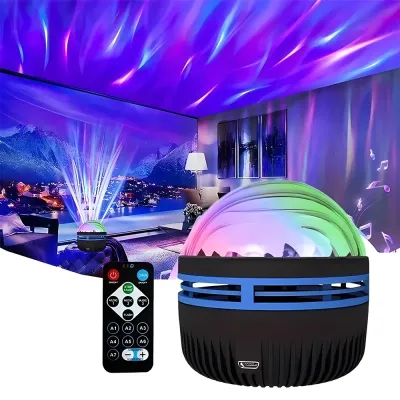
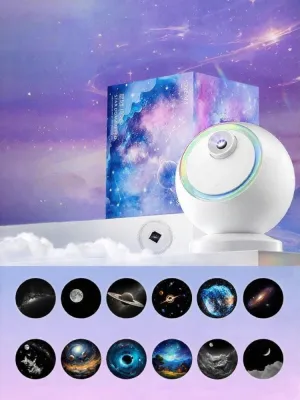
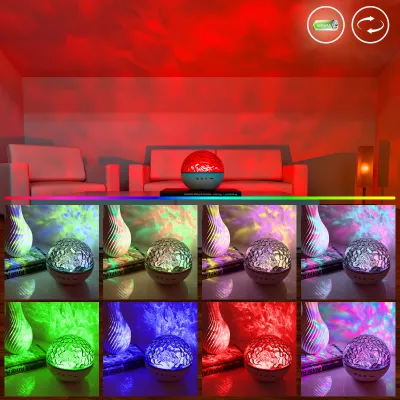
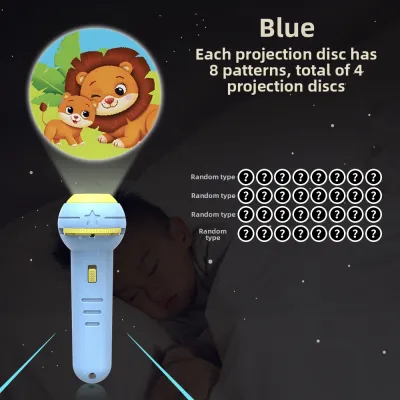
Prices are valid at publication and may change. Please refer to the product page for the latest price.
| Intended Use | Brightness Levels | Color Modes & Temperatures | Rotation Speed | Timer & Auto-Off |
|---|---|---|---|---|
| Sleep | Low (under 10% or dimmable) | Warm tones, amber, solid red | Static or ultra-slow; silent motor | Mandatory (30, 60, or 90 minutes) |
| Relaxation | Moderate (30% to 50%) | Pastel transitions, ocean blues, soft greens | Slow, hypnotic gliding | Highly recommended (1 to 2 hours) |
| Entertainment | High (100% or maximum lumens) | High-contrast RGB, multi-color strobe | Fast, dynamic rotation | Optional; continuous play preferred |
While multi-purpose lights exist, understanding these core distinctions prevents buyer’s remorse. Investing in a model that prioritizes the wrong features can lead to a distracting bedroom setup or an underwhelming party environment.
Sleep: Prioritizing Timers, Low Brightness, and Warm Tones
Creating a sleep-conducive environment requires careful management of light wavelengths and sensory inputs. The primary goal when using a projection light at bedtime is to signal to your brain that it is time to wind down, rather than keeping your cognitive faculties alert.

Brightness & Color Exposure to blue light before bed can suppress melatonin production and disrupt your natural circadian rhythm. When selecting a projector for a bedroom, prioritize models that offer highly adjustable dimming settings, allowing you to drop the brightness to 10% or lower. Look for solid warm tones, amber, or deep red color modes. These longer wavelengths of light are far less disruptive to your sleep cycle than bright blues, cool whites, or rapid multi-colored cycles.
Timer & Auto-Off A built-in sleep timer is an essential feature for bedtime use. Leaving a projection light running all night is unnecessary and can disturb your deep sleep cycles when you roll over. Look for devices that offer automatic shut-off options at intervals such as 30, 60, or 90 minutes. This feature not only protects your sleep quality but also extends the operational lifespan of the internal LEDs and prevents unnecessary power consumption while you sleep.
Rotation & Noise Movement can be highly relaxing, but only if it is incredibly slow and silent. For sleep, choose a projector that allows you to pause the rotation entirely or set it to an ultra-slow, barely perceptible glide. Additionally, check user feedback regarding motor noise. In a completely silent bedroom, even a faint, repetitive hum or clicking sound from a cheap rotation motor can become highly distracting for light sleepers.
Power & Safety Always verify that the device’s power adapter matches local electrical standards, particularly the 220V/60Hz grid standard used in the Philippines. Using incompatible adapters can lead to overheating, flickering, or premature device failure. Ensure that power cables are safely routed along walls and away from walking paths to prevent tripping hazards in the dark. For added safety, place the projector on a stable, flat surface where it cannot be easily knocked over.
Relaxation: Balancing Rotation Speed and Ambient Color Modes
Unwinding after a long day in a humid tropical climate often involves dimming the main lights, turning on the air conditioner or fan, and letting your mind rest. For general relaxation, meditation, or reading, your projection light needs to strike a balance between visual interest and soothing consistency.
Color Modes & Transitions Instead of the high-contrast, flashing colors used for parties, a relaxing environment benefits from smooth, gradual color transitions. Look for projectors that feature “fade” or “flow” modes, which slowly blend one color into the next. Cool ocean blues, soft forest greens, and gentle purples are excellent for lowering heart rates and creating a tranquil, spa-like atmosphere in your home.
Rotation Speed A gentle, hypnotic movement can help quiet a racing mind. Opt for a projector that features adjustable rotation speeds. A slow, rhythmic sweeping motion across the ceiling mimics the natural movement of the night sky or gentle underwater currents, providing a focal point for meditation without causing dizziness or visual fatigue.
Brightness Control Mid-level brightness settings are ideal for relaxation. You want enough illumination to wash over your walls and ceiling, replacing harsh overhead lights, but not so much that the glare strains your eyes when you look up. A projector with step-less dimming or multiple defined brightness levels (such as 30%, 50%, and 70%) allows you to customize the atmosphere depending on whether you are reading a book or practicing yoga.
Remote Control & App Connectivity The convenience of adjusting your environment without physical effort cannot be overstated when you are trying to relax. A reliable remote control or a dedicated smart app allows you to change color modes, adjust the rotation speed, or dim the lights from the comfort of your couch or bed. This prevents you from having to stand up and manually press buttons on the device, which can instantly break your relaxed state.
Entertainment: Dynamic Colors, High Brightness, and Interactive Features
When hosting a gathering, setting up a gaming station, or watching a movie, your ambient lighting needs to bring energy and excitement to the room. Here, the subtle, warm tones of a sleep aid give way to high-impact visual performance.
Dynamic Color & Flashing Modes For entertainment, look for projectors that offer vibrant, multi-color mixing and dynamic transition modes. Features like strobe effects, rapid color switching, and high-contrast laser patterns add a lively pulse to any social gathering. The ability to project multiple distinct colors simultaneously—such as a deep blue nebula paired with bright green laser stars—creates a visually stimulating backdrop.
Brightness & Coverage An entertainment projector must be bright enough to remain visible even when other ambient lights, such as television screens or accent lamps, are turned on. Look for units with higher lumen outputs and wide-angle projection lenses. A wider projection angle ensures that the starry patterns cover the entire ceiling and spill down onto the walls, completely immersing your guests in the visual experience.
Music Sync & Sound Activation One of the most engaging features for parties and gaming setups is sound activation. Projectors equipped with built-in microphones can analyze ambient audio and sync the light patterns to the beat of your music or the sound effects of your video games. The lights will pulse, flash, and change colors in real-time, transforming your living space into an interactive entertainment hub.
Speed Control To match the high tempo of a party or an intense gaming session, you need faster rotation speeds. A projector with a wide range of speed settings allows you to transition from a slow glide during a dinner party to a fast, spinning cosmic display when the music picks up.
Cross-Scenario Compatibility: Can One Projector Do It All?
If you want a single device that can transition from a soothing bedtime companion to a dynamic party light, you will need to look for a premium, highly customizable model. Many modern LED starry projection lights bundle multiple features together, but finding one that excels at everything requires careful evaluation of potential trade-offs.
The most common compromise involves motor noise and brightness control. A projector powerful enough to illuminate a large party may have a cooling fan or a rotation motor that is too loud for a silent bedroom. Conversely, a budget-friendly model designed for a child’s bedroom might lack the brightness, coverage, and music-sync capabilities required for a lively living room gathering.
To decide whether to buy a single versatile unit or separate, dedicated devices, consider your primary usage. If you plan to use the light daily for sleep and only occasionally for entertaining, prioritize sleep features like silent motors and warm color modes. If your budget allows, investing in a premium smart projector with customizable app profiles will give you the best of both worlds. For those on a tight budget, buying a quiet, static light for the bedroom (often costing under ₱1,000) and a separate, inexpensive rotating party light for the living room is often the most practical solution.
When shopping, always check product specifications for safety and electrical certifications. Purchase from reputable official brand stores or trusted sellers on online marketplaces to ensure you receive a safe power adapter and valid warranty support. Always read the manufacturer’s instruction manual before plugging in your device to ensure safe operation.
Frequently Asked Questions (FAQ)
Is it safe to leave an LED starry projection light on all night?
While high-quality LED lights generate minimal heat, leaving any projection device running continuously all night is not recommended. Continuous operation can shorten the lifespan of the internal laser diodes and LEDs, and may cause the power adapter to warm up, especially in humid tropical climates. To ensure safety and preserve the device’s longevity, it is best to use the built-in auto-off timer so the projector shuts down after you fall asleep.
Do starry projection lights consume a lot of electricity?
No, most modern LED starry projection lights are highly energy-efficient. They typically operate on low wattages, ranging from 5W to 15W, which is comparable to a standard phone charger or a small LED nightlight. Running a 10W projector for two hours a night will have a negligible impact on your monthly electricity bill. Always check the specific wattage rating on the product label or packaging to calculate exact energy consumption.
Community discussion
Share your experience or ask a question. Comments are reviewed before publication.