
To reduce eye strain during long study sessions, you do not need the brightest lamp on the market. Instead, you need a balanced combination of three key specifications: color temperature, Color Rendering Index (CRI), and controlled light distribution. High wattage or extreme brightness without proper diffusion actually increases ocular fatigue. Achieving a comfortable study environment—especially during late-night study sessions in the Philippines when ambient room lighting is often insufficient—requires balancing these specifications rather than chasing a single high number.
Quick Answer: The Core Specs for Eye Comfort
When evaluating an LED study light, prioritize three critical metrics: a neutral color temperature of approximately 4000K, a high Color Rendering Index (CRI) of Ra 80 or above, and an optical design that prevents direct glare. Higher wattage or raw lumen output does not guarantee better eye protection; in fact, excessive, unshielded light reflecting off white pages or screens is a primary source of visual fatigue. True eye comfort comes from a balanced, dimmable light source that distributes illumination evenly across your workspace.
Color Temperature (Kelvin): Finding the Right Tone for Focus
Color temperature, measured in Kelvin (K), describes the visual warmth or coolness of a light source. Warm light (below 3000K) emits a cozy, yellowish glow that triggers relaxation and melatonin production. While comfortable for winding down, warm light is unsuitable for active study because it induces sleepiness and lowers the visual contrast of printed text. Conversely, extremely cool white light (above 5000K) has a strong blue-light spike that mimics midday sun. Although this promotes temporary alertness, prolonged exposure to high-Kelvin light causes intense glare and rapid ocular fatigue during extended reading sessions.
Products mentioned in this guide
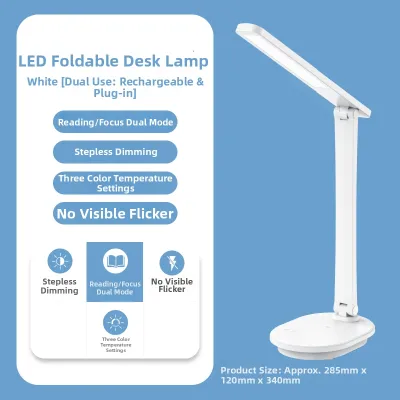
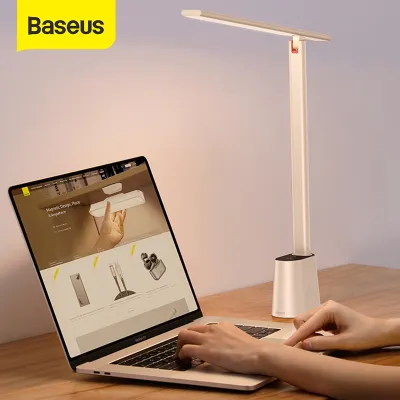
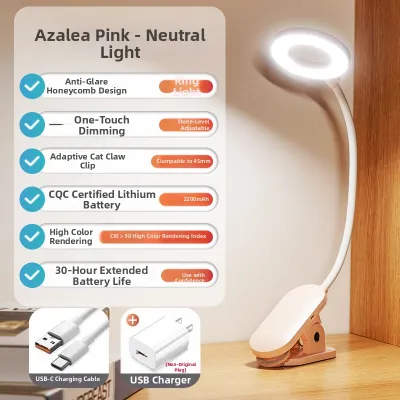
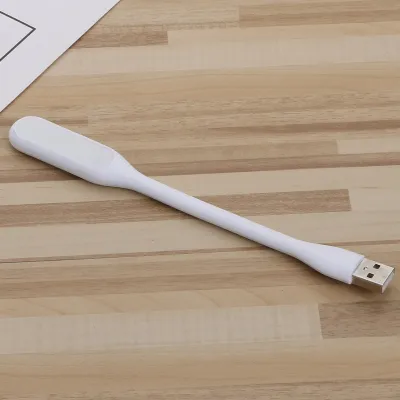
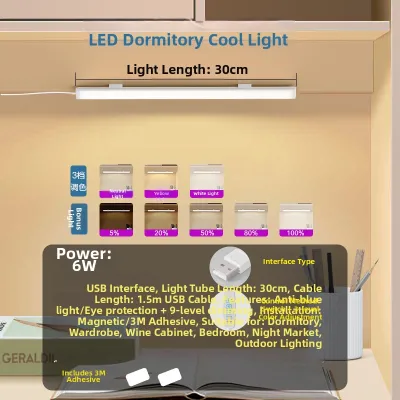
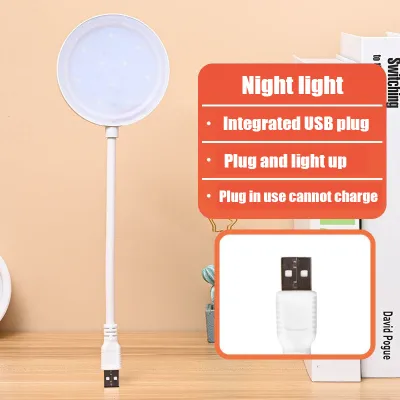
Prices are valid at publication and may change. Please refer to the product page for the latest price.

For the optimal balance of focus and comfort, look for a neutral white light around 4000K. This spectrum mimics natural daylight without the harshness of higher blue-light frequencies, keeping text crisp and legible without overstimulating your eyes. If your study schedule spans from bright afternoons to late nights, prioritize an LED study light with adjustable color temperature. This feature allows you to transition from a crisp 4000K during daytime tasks to a softer, warmer 3200K as you wind down in the evening, aligning with your natural circadian rhythm.
CRI (Color Rendering Index): Why It Matters for Reading Clarity
The Color Rendering Index (CRI), often denoted as Ra on product packaging, measures how accurately a light source reveals the true colors of objects compared to natural sunlight. While it might seem like a specification reserved for artists or designers, CRI directly impacts reading clarity and eye strain. Under a low-CRI light source (Ra below 80), colors appear dull, and black text on white paper can look washed out or slightly grayish. This lack of contrast forces your eyes to work significantly harder to distinguish letters, leading to micro-fluctuations in eye muscles and eventual headaches.
When shopping for an led study light, always check the technical specifications on the packaging or manufacturer datasheet. For comfortable reading and writing, select a lamp with a CRI of Ra 80 or higher, with Ra 90 being the gold standard for high-fidelity task lighting. A high CRI is especially critical for students analyzing complex medical diagrams, colorful geography maps, or detailed architectural drawings, as it ensures colors remain distinct and vibrant, eliminating the need to squint or lean closer to the desk.
Brightness and Light Distribution: Avoiding Glare and Shadows
Many consumers mistakenly assume that a higher lumen rating or wattage automatically translates to a better study experience. However, raw brightness is a poor indicator of eye comfort. A highly intense, concentrated beam of light reflecting directly off white paper or a glossy laptop screen creates blinding reflection glare, which is one of the primary causes of immediate eye strain.
To protect your vision, pay close attention to how the light is distributed across your workspace. A quality study lamp should provide a wide, even beam angle that illuminates your entire desk surface smoothly. Harsh transitions between a brightly lit book and a pitch-black room create a high-contrast environment that forces your pupils to dilate and constrict constantly as your gaze shifts. This “tunnel vision” effect can be mitigated by keeping a soft ambient light on in your room while using your task lamp.
When evaluating a lamp’s physical design, look for features that actively diffuse and direct light. Frosted diffusers, honeycomb louvers, and deeply recessed LED beads are excellent design elements that scatter light rays, eliminating harsh hotspots and softening shadows. These physical barriers ensure that the light reaching your desk is uniform, allowing your eye muscles to remain relaxed during long sessions.
Flicker and Blue Light: Separating Facts from Marketing
The lighting market is filled with health-related claims, particularly regarding flicker and blue light. Invisible flicker occurs when the electrical current driving the LED fluctuates rapidly. Although your brain might not consciously register this high-frequency strobe effect, your optic nerve still processes it, leading to unexplained headaches, dry eyes, and mental fatigue after just an hour of work. To avoid this, look for reputable brands that explicitly certify their products as “flicker-free” or detail the use of high-quality direct current (DC) drivers. Avoid relying on the common “smartphone camera test” to detect flicker, as modern phone cameras have software that automatically compensates for frequency mismatches, rendering the test unreliable.
Blue light is another highly marketed concern. While it is true that exposure to high-energy blue light late at night suppresses melatonin and disrupts sleep cycles, standard LED study lights used during the day do not pose any risk of physical retinal damage. Do not pay a massive premium for niche “zero blue light” marketing claims if you primarily study during daytime hours. Instead, opt for a lamp with an adjustable color temperature setting, which allows you to manually dial down the blue spectrum in the evening, providing a practical and cost-effective solution to sleep disruption.
Specs You Can Safely Ignore to Simplify Your Choice
To simplify your buying decision and avoid overspending, it is important to filter out marketing fluff that has zero impact on eye health. For instance, the exact number of physical LED beads inside a lamp is largely irrelevant; a lamp with thirty cheap, poorly diffused beads will perform significantly worse than one with ten high-quality, well-shielded LEDs. Similarly, an exceptionally high maximum lumen output is useless—and potentially harmful—if the lamp lacks a smooth, reliable dimming mechanism to scale that brightness down.
Furthermore, smart app connectivity, voice control integration, and built-in Bluetooth speakers are convenient lifestyle extras, but they do not improve the optical quality of the light. A basic manual lamp with excellent color rendering and glare control will protect your eyes far better than a smart lamp with subpar optical engineering. Prioritize robust build quality, an adjustable arm, a high CRI rating, and step-less dimming over gimmicky digital add-ons.
Frequently Asked Questions (FAQ)
Is a higher wattage always better for a study lamp?
No, a higher wattage is not necessarily better. Wattage simply measures the amount of electrical power a lamp consumes, not the quality or comfort of the light it produces. Modern LED technology is highly efficient, meaning a well-engineered 5-watt to 8-watt LED study light can produce the same usable brightness as an old 40-watt incandescent bulb while offering superior light diffusion. For eye comfort, focus on the lumen output (aim for 300 to 500 lumens for task work) and the presence of a dimming feature, rather than chasing high wattage.
Do I need a specific LED bulb for my existing desk lamp?
If you are upgrading your current desk lamp with a new LED bulb, you must verify several physical and electrical specifications to ensure safety and compatibility. First, confirm that the bulb matches your lamp’s socket base (most commonly E27 or E14 in the Philippines) and fits within the physical dimensions of the lamp shade. Second, verify that the bulb is rated for the local electrical grid standard of 220V at 60Hz to prevent premature driver failure or flickering. Finally, ensure the replacement bulb does not exceed the maximum wattage limit printed on your lamp fixture, look for local safety certifications like the PS or ICC mark, and select a bulb that offers a neutral 4000K color temperature and a CRI rating of at least Ra 80.
Community discussion
Share your experience or ask a question. Comments are reviewed before publication.