
The fundamental difference between a levitating magnetic moon lamp and a regular moon lamp lies in the base mechanism and visual dynamics. A levitating model uses a magnetic base to suspend and continuously rotate the sphere, creating a striking, futuristic focal point that requires dedicated desk space and constant power. A regular moon lamp typically rests on a static stand, wooden base, or hanging wire, offering flexible placement, simpler setup, and a more traditional ambient glow. Your choice ultimately depends on whether you prioritize a dynamic, tech-driven conversation piece or a versatile, space-saving mood light for your room.
In modern living spaces, particularly compact urban condos where every square meter counts, lighting does more than just illuminate a room. It sets the mood, defines the aesthetic, and often serves as a primary decorative element. Both levitating and static moon lamps have captured the attention of interior design enthusiasts looking to bring a touch of the cosmos indoors. However, their operational demands, spatial footprints, and visual impacts are vastly different, making it essential to understand how each type functions before making a purchase.
How Levitating and Regular Moon Lamps Actually Differ
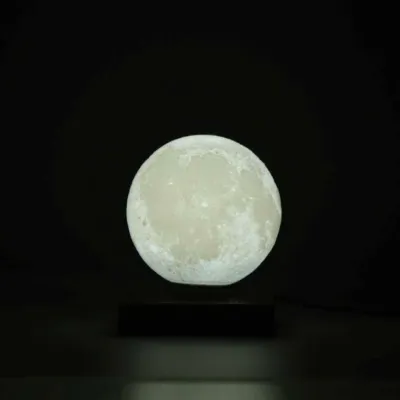
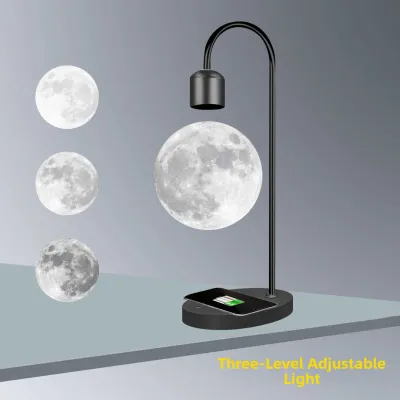
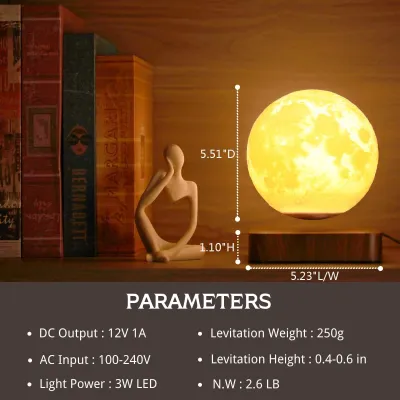
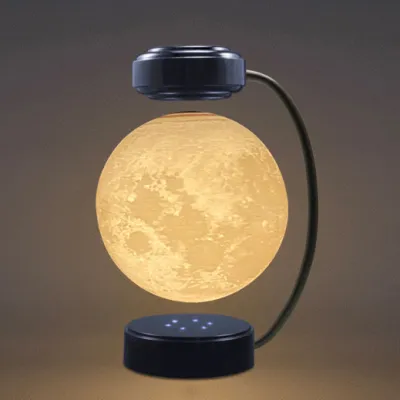
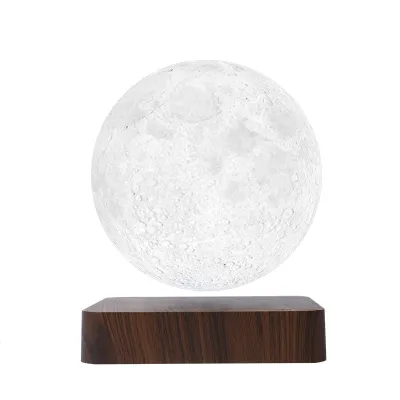
To understand the appeal of a moon light lamp floating in mid-air, one must first look at the technology that makes it possible. Levitating moon lamps rely on electromagnetic suspension. The base of the lamp contains sophisticated electromagnets and magnetic sensors that continuously adjust the electrical current to balance the downward pull of gravity. Inside the lightweight, 3D-printed moon sphere is a strong permanent magnet. When properly aligned over the base, these opposing magnetic forces lock the sphere in mid-air, allowing it to float effortlessly without any physical contact.
Products mentioned in this guide
![[LA19REA]3D Levitating Ball Lamp RGB Floating LED Night Light Floating and in Air with LED Moon Lamp](https://img.lazcdn.com/g/p/50a0fe268a53361c2f2fdb574daffe57.jpg_400x400q80.jpg_.webp)
Prices are valid at publication and may change. Please refer to the product page for the latest price.
This magnetic interaction does more than just suspend the sphere; it also enables continuous, frictionless rotation. A gentle nudge is usually all it takes to start the moon spinning, and because there is no air resistance or physical friction to slow it down, it can rotate indefinitely. This movement creates a highly dynamic visual experience. As the moon turns, the shadows cast by its textured craters, valleys, and highlands shift across your walls, creating a realistic, three-dimensional lunar cycle effect in a darkened room.
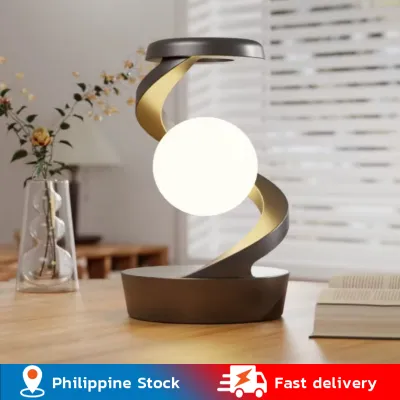
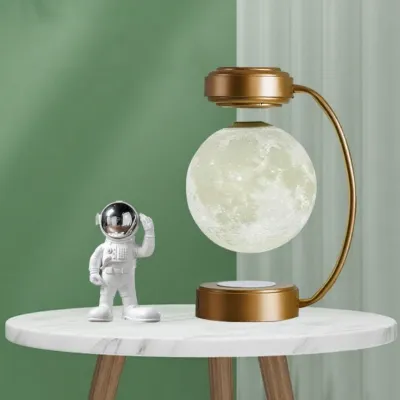
In contrast, a regular moon lamp is a much simpler, static device. It typically rests on a minimalist wooden cradle, a ceramic stand, or hangs from a delicate wire suspended from the ceiling. Because it lacks the complex electromagnetic components of its levitating counterpart, a regular moon lamp focuses entirely on providing a steady, reliable glow. The light source inside is physically connected to a power source or an internal rechargeable battery, resulting in a consistent, unchanging illumination that is ideal for reading, relaxing, or serving as a nightlight.
The method of power delivery also affects how light diffuses from the sphere. Levitating moon lamps utilize wireless induction technology to transfer power from the base to the LEDs inside the floating sphere. This means there are no visible wires or charging ports on the moon itself, allowing for a completely seamless, uninterrupted 360-degree glow. Regular moon lamps, while highly detailed, often feature a small charging port or a physical switch at the bottom of the sphere, which can slightly disrupt the seamless look of the lunar surface depending on how the lamp is positioned on its stand.
Space, Setup, and Daily Maintenance Realities
Integrating these unique light fixtures into your home requires a realistic look at your available space and daily habits. A levitating magnetic moon lamp is not a plug-and-play device that you can carelessly toss onto any shelf. The electromagnetic base is relatively bulky and heavy, requiring a completely flat, stable, and vibration-free surface. In a busy household or a high-traffic condo hallway, a simple bump to the table can disrupt the delicate magnetic balance, causing the sphere to fall instantly.

Power management is another critical factor for levitating models. Because the electromagnets require a constant flow of electricity to keep the sphere suspended, the base must remain plugged into a wall outlet at all times. This limits your placement options to areas with easy access to electrical sockets. Managing the power cord so it does not clutter your desk or console table is a key aesthetic challenge. Furthermore, in regions prone to power fluctuations or sudden outages, such as during tropical storms, the sudden loss of electricity will cause the magnetic field to collapse. While many high-quality bases feature a safety mechanism that pulls the sphere down to the base magnetically when power is lost, you must verify this feature on the product label to prevent the sphere from rolling off and sustaining damage.
Regular moon lamps offer far greater flexibility in terms of setup and placement. Because they do not rely on a heavy, powered base, they can be placed virtually anywhere—on a bedside table, a floating shelf, a bookshelf, or even hung from the ceiling as a pendant light. Many static models are equipped with rechargeable internal batteries, allowing you to charge the lamp via a standard USB cable and then place it cord-free wherever you need a warm glow. This portability makes them highly versatile for changing up your decor or moving the light from room to room.
Maintenance routines also differ significantly between the two styles. Dusting a regular moon lamp is straightforward; you simply wipe down the sphere and its stand with a dry microfiber cloth. Dusting a levitating moon lamp, however, requires a bit more caution. To avoid accidentally knocking the sphere out of its magnetic orbit, it is best to turn off the power to the base, carefully remove the floating sphere, wipe both components down separately, and then perform the delicate process of re-centering the sphere over the active magnetic field. Additionally, in humid tropical climates, keeping the electrical contacts and the base free from dust and moisture is essential to ensure the longevity of the electromagnetic sensors.
Quick Comparison: Levitating vs. Static Moon Lamps
The following table highlights the key operational and design differences between these two popular ambient lighting options.
| Feature | Levitating Magnetic Moon Lamp | Regular Moon Lamp |
|---|---|---|
| Mounting Style | Electromagnetic suspension above a dedicated base | Static wooden stand, ceramic cradle, or hanging wire |
| Power Requirement | Constant electrical power to the base for levitation | Rechargeable battery or direct USB/wall plug |
| Movement | Continuous, frictionless 360-degree rotation | Static (no movement unless manually adjusted) |
| Space Footprint | Requires a wide, stable, vibration-free flat surface | Compact, highly portable, and adaptable to small shelves |
| Ideal Placement | Desks, display consoles, and low-traffic focal points | Bedside tables, nurseries, bookshelves, or ceilings |
Note: Specific dimensions, wattage limits, and electrical certifications vary by manufacturer. Always verify these details on the individual product label before installation.
Which Moon Lamp Should You Buy?
Choosing between a levitating magnetic moon lamp and a regular moon lamp comes down to balancing your aesthetic goals with the practical realities of your living space. If you are looking for a high-tech centerpiece that serves as an instant conversation starter, the levitating moon lamp is an unmatched choice. It is perfect for dedicated workspaces, modern living room consoles, or display shelves where its mesmerizing rotation can be fully appreciated. However, you must be prepared to accommodate a permanent power cord, keep the area clear of vibrations, and occasionally spend a few moments carefully balancing the sphere back onto its magnetic sweet spot.
On the other hand, if you prioritize simplicity, versatility, and a cozy atmosphere, a regular moon lamp is likely the better fit. Its compact footprint and cordless portability make it incredibly easy to integrate into any room, from a child’s nursery to a minimalist bedroom. It is also a safer option if you have curious pets or young children who might be tempted to grab at a floating object.
Before finalizing your purchase, always perform a few essential checks to ensure safety and compatibility. Verify that the lamp’s voltage requirements match your local electrical grid (typically 220V at 60Hz in the Philippines) and that the plug type is compatible with your outlets. If you plan to hang a regular moon lamp from the ceiling, ensure you follow proper installation instructions, isolate the power before mounting, and consult a qualified professional if fixed wiring is required. By matching the lamp’s features to your lifestyle and space, you can enjoy a beautiful, celestial glow that perfectly complements your home.
Frequently Asked Questions (FAQ)
Do levitating moon lamps need to be plugged in all the time?
Yes, the magnetic base of a levitating moon lamp must remain plugged into an active electrical outlet to maintain the electromagnetic field required for suspension. If you unplug the base or experience a power outage, the magnetic field will collapse, and the sphere will no longer float. Many modern models are designed with safety magnets that pull the sphere down securely to the center of the base when power is cut, preventing it from falling or rolling away. However, you should always consult the manufacturer’s manual to confirm if your specific model includes this safety feature.
Can I change the light color on both types of moon lamps?
Yes, color-changing capabilities and dimming options are common features for both levitating and regular moon lamps, but they depend entirely on the specific LED module installed inside the sphere rather than the mounting style. Many models offer a range of options, from warm yellow and cool white to full RGB color spectrums controlled via a remote, a touch-sensitive button, or a smart home app. To ensure you get the exact lighting effects, color temperatures, and dimming methods you desire, carefully check the product specifications and labels before purchasing.
Community discussion
Share your experience or ask a question. Comments are reviewed before publication.