
Selecting the right lighting for a community fiesta or dance event requires balancing cultural flair with rigorous electrical safety. Lion brand lanterns and thematic lion dance lantern decor offer an excellent way to bring vibrant color and festive energy to local celebrations, but their success depends on matching the physical requirements of your venue with the technical specifications of the fixtures. By evaluating your venue layout, verifying environmental ratings, and planning a safe power distribution system, you can create an inviting, brightly lit atmosphere that keeps the community celebrating safely long into the night.
Assessing Lighting Needs for Community Dance Events and Fiestas
Planning a community celebration requires a clear understanding of the physical venue, as the layout directly dictates the type and placement of your lighting fixtures. Open plazas, covered barangay courts, and narrow neighborhood streets each present distinct structural opportunities and limitations. Open plazas offer vast spaces but often lack overhead mounting points, requiring you to utilize existing utility poles, sturdy trees, or temporary scaffolding to suspend your decorative lanterns. Covered courts provide convenient overhead steel trusses, which are ideal for hanging larger decorative arrays, though you must always verify the weight capacity of these structures before installation. Narrow streets, or eskinas, are perfect for stretching overhead string lights, but you must ensure the cables are hung high enough to clear emergency vehicles and utility trucks.
Power availability is another critical factor when planning your fiesta lighting layout. Grid-tied lighting remains the most reliable option for high-lumen requirements, but it demands careful cable management to safely route power from the main distribution source to the individual fixtures. For remote corners of the venue, decorative pathways, or mobile festival floats, battery-operated lanterns offer excellent flexibility without the hazard of long extension cords. Solar-powered lanterns are highly sustainable options for outdoor perimeters and walkways, though their performance depends entirely on receiving adequate daytime sun exposure to charge their internal batteries before the evening festivities begin.
Products mentioned in this guide
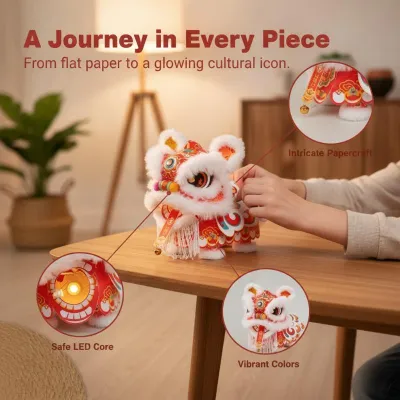
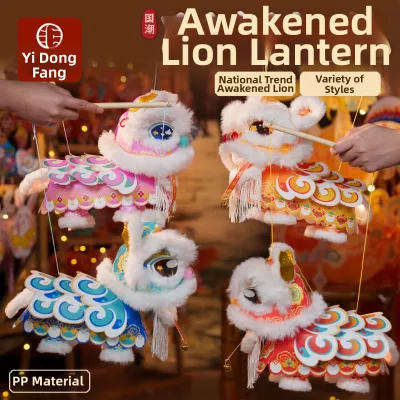
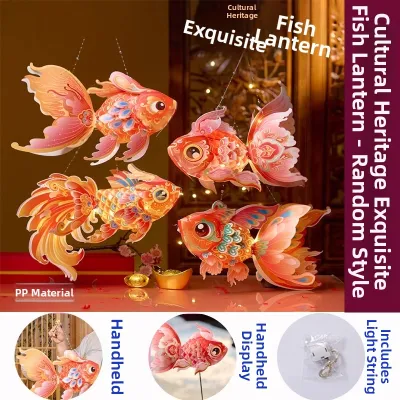
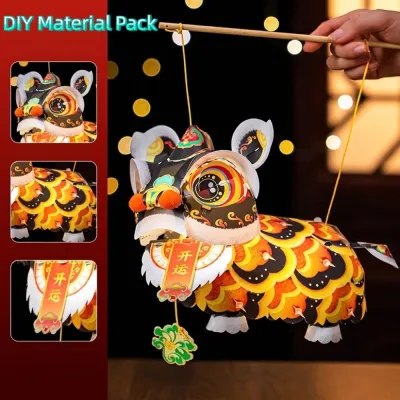
3 Lazada user ratings
ok nmn diko nmn sya order diko alm kung anak ko ang nag order
Prices are valid at publication and may change. Please refer to the product page for the latest price.
Environmental conditions in the Philippines can be highly unpredictable, especially during seasonal transitions when sudden tropical downpours and high humidity are common. Your chosen lanterns must be resilient enough to withstand moisture, wind, and high ambient temperatures without failing. High humidity can cause condensation to build up inside poorly sealed fixtures, leading to short circuits or rapid corrosion of internal contacts. Furthermore, daytime setup often exposes the fixtures to intense direct sunlight, meaning the lantern materials must resist UV degradation to prevent fading, cracking, or warping before the event even starts.
Matching Lantern Styles to Different Event Zones
To create a cohesive and functional lighting design, you should divide your venue into distinct zones and select lantern styles that match the specific activities occurring in those areas. The main dance floor and performance stage require high-lumen, broad-dispersion fixtures to ensure maximum visibility and safety for performers and participants. For these active zones, choose bright, wide-angle lanterns equipped with frosted diffusers to minimize harsh glare that could blind dancers or spectators. These fixtures should be positioned high overhead or angled from the sides to provide even illumination across the entire performance space.

Pathways, entrances, and exit routes require a completely different approach, focusing on low-glare, directional lighting that guides foot traffic safely without distracting from the main attractions. Low-voltage stake-mounted lanterns or small, downward-facing hanging lanterns are highly effective for defining walkways and highlighting potential tripping hazards like steps or uneven pavement. Keeping these path lights at a lower intensity ensures that guests can navigate the venue safely while maintaining the festive, atmospheric lighting of the broader celebration.
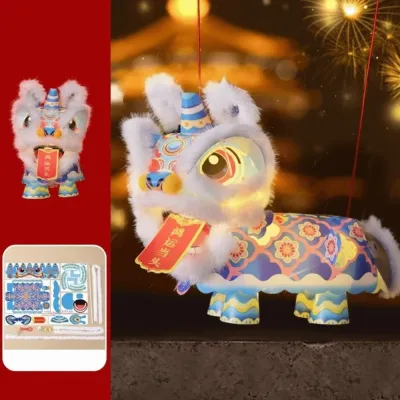
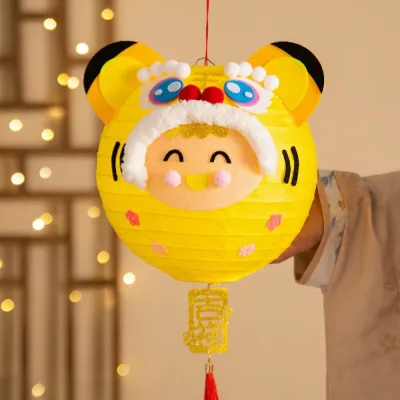
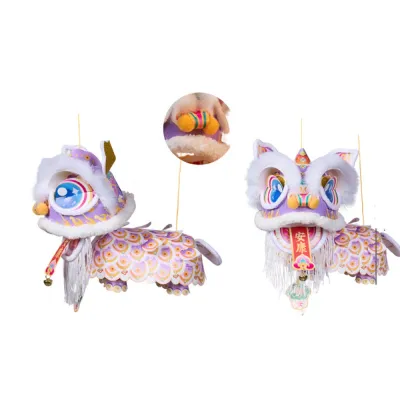
Dining areas, food stalls, and social lounges benefit most from warm-color-temperature lighting, typically between 2700K and 3000K, which creates a welcoming and relaxed environment. This is the ideal zone to incorporate decorative lion dance lantern motifs and vibrant red and gold color schemes. These thematic lanterns serve as excellent cultural focal points, enhancing the festive mood while providing soft, ambient light that makes dining and socializing comfortable. Using adjustable dimmers or lower-wattage bulbs in these areas allows you to fine-tune the ambiance as the evening progresses.
Essential Specifications to Verify Before Purchase
Before purchasing any lighting equipment, you must verify that the electrical specifications match local standards to ensure safe and reliable operation. In the Philippines, the standard electrical supply is 220V AC at 60Hz. Always check the product label on your Lion brand lanterns to confirm they are rated for this voltage and frequency; using fixtures designed for 110V without a proper step-down transformer will permanently damage the lights and presents a severe fire hazard. Additionally, inspect the plug type to ensure compatibility with your extension cords and outlets, or plan to use certified adapters if necessary.
Water and dust resistance must be verified by checking the Ingress Protection (IP) rating of each fixture. For indoor or fully sheltered areas, a basic rating may suffice, but any lantern used outdoors must carry at least an IP44 rating to protect against splashing water from any direction. For open areas completely exposed to the elements, look for IP65 or IP67 ratings, which indicate the fixture is dust-tight and protected against water jets or temporary immersion. Never rely on temporary plastic coverings to protect indoor-rated fixtures in outdoor settings, as wind and rain can easily bypass these makeshift barriers.
| Installation Zone | Recommended IP Rating | Power Source Type | Key Material Requirement |
|---|---|---|---|
| Covered Stage & Court | IP44 or higher | Grid-tied (220V) | Heat-resistant housing, secure mounting brackets |
| Open Plazas & Streets | IP65 or higher | Grid-tied or Solar | UV-stabilized nylon, heavy-duty rubber cabling |
| Pathways & Perimeters | IP44 to IP65 | Solar or Battery | Impact-resistant casing, secure ground stakes |
| Dining & Social Booths | IP44 or higher | Grid-tied or Battery | Flame-retardant decorative materials |
Material durability is key to ensuring your investment lasts through multiple fiesta seasons. Nylon and heavy-duty polycarbonate plastics are far superior to traditional paper for outdoor lanterns, as they resist tearing in high winds and do not degrade when wet. Ensure that the lantern frames are constructed from corrosion-resistant metals or sturdy plastics that can support the weight of the fixture without bending. When planning your budget in ₱, balance the initial purchase cost against the expected lifespan of the fixtures; investing more ₱ upfront in high-quality, weather-resistant lanterns will save money over time by reducing the need for frequent replacements.
Safe Installation and Maintenance for Fiesta Lighting
Safe installation begins with proper cable management to eliminate physical hazards in high-traffic areas. All electrical cords running along the ground must be covered with heavy-duty rubber cable ramps or routed completely outside pedestrian pathways to prevent tripping. Never run power cables under carpets, rugs, or heavy decorative elements, as trapped heat can damage the insulation and lead to electrical fires. Ensure that all outdoor connections are elevated off the ground and housed in weatherproof junction boxes to prevent water pooling around the plugs.
When hanging lanterns overhead, you must secure them using dedicated steel guide wires, also known as messenger wires, to support the physical weight of the light strings. Never allow the electrical cords themselves to bear the tension or weight of the suspended fixtures, as this can stretch the wires, damage the internal conductors, and cause electrical failures or physical drops. Verify the structural integrity of all anchor points, such as poles, trusses, or walls, and account for potential wind loads, as a string of lanterns can act like a sail during sudden gusts.
Always isolate the power supply by turning off the main circuit breakers before installing, adjusting, or performing maintenance on any lighting fixtures. For complex installations, high-load setups, or when tapping directly into municipal power lines, do not attempt a DIY installation. Stop and consult a licensed electrician to design, inspect, and approve your temporary power distribution system. This professional oversight ensures compliance with safety standards and protects your community from electrical hazards.
Frequently Asked Questions (FAQ)
Can I use indoor-rated lanterns for outdoor fiesta dining?
No, you should never use indoor-rated lanterns in outdoor dining areas unless the space is completely enclosed and protected from the elements. Indoor fixtures lack the necessary weather sealing and IP ratings required to protect their electrical components from humidity, dew, and sudden rain. Exposing indoor-rated wiring to moisture can cause short circuits, electrical shocks, and fire hazards. Always verify that any lantern placed outdoors carries at least an IP44 rating to ensure safe operation in damp environments.
How do I estimate the number of lanterns needed for a community court?
To estimate the number of lanterns required, begin by checking the manufacturer’s spacing guidelines and the beam angle of the fixtures. Measure the square footage of your community court and determine the level of ambient light already present from existing streetlights or overhead court lights. For decorative lighting, spacing lanterns every 1.5 to 2 meters along your guide wires generally provides a full, festive appearance without overloading the support structures. For functional illumination, ensure the light patterns overlap slightly to avoid dark spots on the active court floor.
Community discussion
Share your experience or ask a question. Comments are reviewed before publication.