
Rooms with limited vertical space require careful lighting selection to maintain an open, comfortable environment. When searching for a low ceiling lamp solution, standard hanging fixtures or bulky chandeliers can make a room feel cramped and restrict physical movement. Track lights and spot lights offer an excellent alternative, provided they feature low-profile designs, flush mounting options, or compact heads that preserve physical headroom and avoid visual clutter.
In tropical climates like the Philippines, where high humidity and warm temperatures are common, choosing the right compact fixtures involves more than just aesthetics. Proper ventilation, heat dissipation, and moisture resistance are essential factors to consider alongside physical dimensions. By selecting the right fixture profiles and mounting configurations, you can create a bright, airy atmosphere even in rooms with restricted vertical clearance.
Evaluating Ceiling Clearance and Fixture Profiles
Before purchasing any lighting system, it is essential to measure your available headroom accurately. Start by measuring the distance from the floor to the bare ceiling using a reliable tape measure. A ceiling height of 2.4 meters (approximately 8 feet) or less is generally considered low, requiring specialized low-profile fixtures to ensure comfort and safety.
Products mentioned in this guide
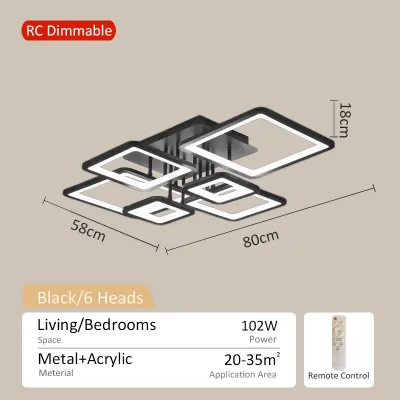
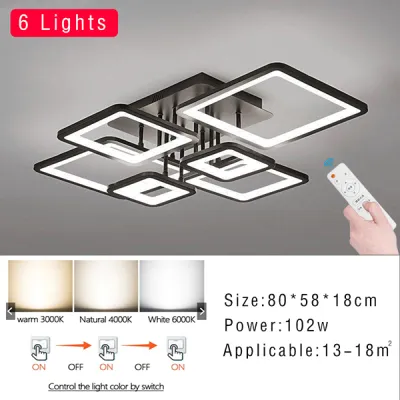
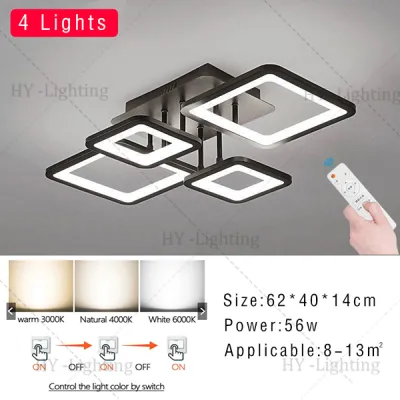
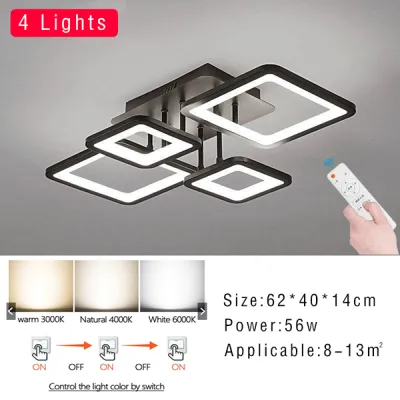
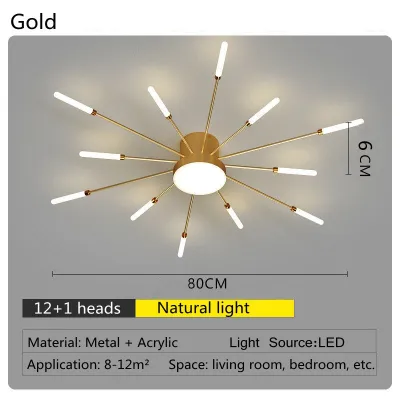
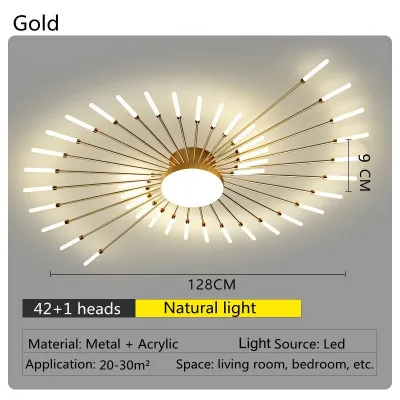
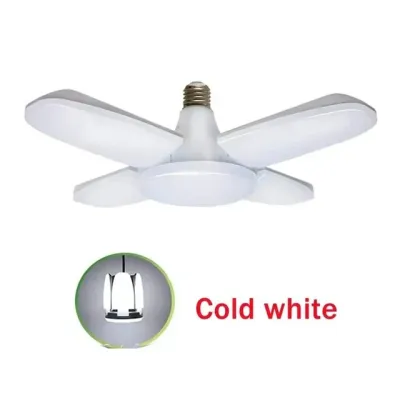
Prices are valid at publication and may change. Please refer to the product page for the latest price.
To determine the maximum allowable fixture drop, consider the height of the tallest occupant in your home. As a general safety guideline, there should be at least 2 meters of clear space beneath any ceiling-mounted fixture to prevent accidental contact. Subtracting this safety threshold from your total ceiling height will give you the maximum depth your track or spotlight system can occupy.
Different lighting profiles impact the perception of space in distinct ways. Recessed fixtures sit entirely within the ceiling cavity, offering zero physical drop and maximum headroom. Surface-mounted profiles attach directly to the ceiling surface, protruding only slightly, while suspended fixtures hang down on cords or rods and are generally unsuitable for low-clearance areas.
Visual weight is another critical factor when selecting a low ceiling lamp. Bulky, dark, or highly ornate fixtures draw the eye downward, creating a psychological boundary that makes the ceiling feel lower than it actually is. In contrast, slim, cylindrical, or flat profiles in light colors tend to blend into the ceiling plane, reducing visual clutter and making the room feel more spacious.
Track Light Configurations for Low Ceilings
For spaces with limited vertical clearance, recessed track systems offer the most seamless aesthetic. These systems, which can be trimless or flanged, are installed directly into the ceiling plasterboard so that the track channel sits flush with the ceiling surface. This configuration eliminates the physical drop of the track itself, leaving only the small light heads visible.

When cutting into the ceiling is not an option, low-profile surface-mounted tracks provide a practical alternative. Many modern residential units, particularly condominiums in urban areas, feature solid concrete ceilings that cannot be easily recessed. In these cases, ultra-thin aluminum tracks or mini-track systems that protrude less than two centimeters from the ceiling surface help preserve valuable vertical space.
If a continuous linear track feels too visually dominant for a small room, monopoint and multi-port canopy options are excellent alternatives. A monopoint canopy allows a single adjustable spotlight to be mounted directly to a standard electrical junction box. Multi-port canopies support two or three compact heads on a single small base, providing targeted directional light without the physical length of a traditional track.
Spot Light and Track Head Designs for Limited Headroom
Selecting the right style of track head is just as important as choosing the track itself. Traditional cylindrical spotlights often feature long support arms that hang far below the track. For low ceilings, look for ultra-compact track heads or gimbal-style fixtures that sit close to the track rail, minimizing the overall drop of the light source.
Gimbal track heads are particularly effective because they pivot within a compact circular frame, keeping the bulk of the fixture tight against the ceiling. This design allows you to direct light precisely where it is needed—such as toward a piece of artwork or a workspace—without introducing a large, protruding fixture that could become a physical obstacle.
Adjustability is key, but the angle of adjustment must be managed carefully in low-clearance rooms. Fixed or low-angle adjustable heads are preferred because they prevent the light source from tilting too far horizontally, which can cause harsh, direct glare at eye level. Keeping the light directed downward or slightly angled toward walls ensures comfortable illumination.
Beam angle selection also plays a major role in how spacious a room feels. Using fixtures with a wider beam angle (around 40 degrees or more) allows you to wash walls with light, a technique known as wall washing. Illuminating the vertical surfaces of a room draws the eye outward and upward, creating the illusion of a wider, taller space.
Mounting Methods and Electrical Safety
Before installing any low-profile lighting system, you must verify the structural composition of your ceiling. Drywall, gypsum board, or drop ceilings easily accommodate recessed track channels and hidden wiring. Solid concrete ceilings, however, require surface-mounted tracks or shallow junction boxes, as carving channels into structural concrete is generally unsafe and impractical.
Electrical compatibility must be verified prior to purchase to ensure safe operation. In the Philippines, the standard residential electrical supply is 220V at 60Hz. Ensure that your chosen track, integrated LED drivers, or replaceable bulbs are rated for this voltage. Additionally, verify the wattage limits of the track system and ensure that any dimming switches match the specific dimming method (such as triac or 0-10V) of your LED fixtures.
Safety should always be your top priority during installation. Before handling any fixed wiring, locate your home’s main electrical panel and isolate the power to the circuit you will be working on. Always read and follow the manufacturer’s specific installation instructions regarding mounting hardware, wire connections, and grounding.
While basic surface-mounted track installations can sometimes be completed as a DIY project, complex setups require professional assistance. If your project involves cutting into structural ceiling joists, running new hardwired circuits through concrete, or installing complex recessed trimless tracks, stop and hire a licensed professional electrician to ensure the work complies with local electrical codes.
Common Lighting Mistakes in Low-Ceiling Rooms
One of the most frequent errors in low-ceiling design is the use of pendant-style track heads or deep, heavy spotlights. While these fixtures can look stylish in high-ceiling lofts, they reduce physical headroom in low rooms, creating a constant risk of taller occupants bumping their heads or blocking the light path.
Another common mistake is overlooking glare control. Because low ceilings position the light sources much closer to eye level, direct exposure to the bare bulb or LED chip can cause significant eye strain and discomfort. To prevent this, select track heads with deep-regressed light sources, honeycombed louvers, or frosted diffusers that soften the output.
Finally, ignoring heat dissipation requirements can lead to premature fixture failure, especially in warm, humid tropical environments. Compact or ultra-slim LED track fixtures generate heat that must escape to prevent damage to the internal electronics. Always check the manufacturer’s guidelines regarding required clearance spaces and avoid installing non-IC (Insulation Contact) rated fixtures directly against ceiling insulation.
Frequently Asked Questions (FAQ)
Can I use standard track lights if my ceiling is low?
Standard track lights can be used, but they are often impractical because their deep profiles and bulky heads hang down significantly. This reduces physical headroom and can make a low room feel visually cluttered. For ceilings under 2.4 meters, it is highly recommended to opt for low-profile, mini-track, or recessed systems to maintain safety and comfort.
Do recessed track lights require a drop ceiling?
Yes, recessed track lights generally require a hollow ceiling cavity, such as a gypsum board drop ceiling or a drywall ceiling, to accommodate the depth of the track channel. If you have a solid concrete ceiling and cannot install a drop ceiling, low-profile surface-mounted tracks or compact monopoint canopies are the best alternative solutions.
Community discussion
Share your experience or ask a question. Comments are reviewed before publication.