
Bringing natural greenery into your home during the festive season adds a vibrant, living warmth that artificial decorations cannot replicate. In the Philippines, where the holiday season stretches across the warm and humid “Ber” months, selecting the right indoor Christmas plants requires balancing festive aesthetics with the realities of a tropical climate. The key to a low-maintenance holiday display lies in choosing plants that naturally adapt to your specific indoor conditions—such as fluctuating humidity, directional window light, and intermittent air conditioning—rather than attempting to force delicate, high-maintenance species to survive in unsuitable environments. By understanding how different plant categories interact with your home’s microclimate, you can enjoy lush, healthy holiday foliage that lasts well beyond the Christmas feast without demanding constant intervention.
What Makes a Christmas Plant Truly Low-Maintenance?
To find a plant that truly demands minimal effort, you must look past the seasonal marketing and evaluate its biological traits. In a tropical setting like the Philippines, a low-maintenance indoor plant is one that exhibits high drought tolerance, adapts easily to variable indoor lighting, and resists the drying effects of indoor air conditioning. Many traditional holiday plants are native to temperate regions or high-altitude cloud forests, meaning they naturally prefer cool, humid, and highly specific environments. When brought into a typical living room, these plants can quickly become stressed if their exact moisture and temperature needs are not met.
Therefore, maintenance levels are always relative to your specific indoor microclimate and baseline care habits. A plant that thrives on neglect in a humid, brightly lit hallway might struggle and require daily misting in a dry, air-conditioned bedroom. Your goal should be to match a plant’s natural survival mechanisms with your household’s routine. If you tend to forget to water your plants, a succulent-style holiday alternative will be far more low-maintenance for you than a moisture-loving fern. This guide provides an evaluation framework and selection criteria rather than a rigid, ranked list of guaranteed winners, helping you identify which species will require the least amount of work in your unique living space.
Products mentioned in this guide
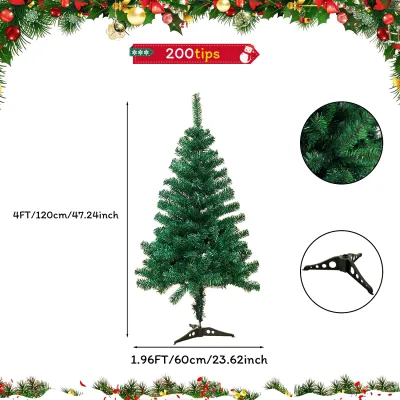

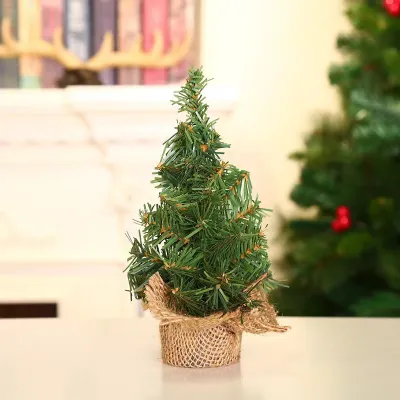
Prices are valid at publication and may change. Please refer to the product page for the latest price.
How to Assess Your Indoor Space Before Buying
Before heading to the local nursery or browsing an online marketplace, take a detailed look at the physical conditions of your home. Light is the most critical factor for indoor plant survival. Map out the light levels in the specific rooms where you plan to display your holiday greenery. Bright, indirect light—such as the area a few feet away from a large east- or south-facing window—is ideal for most holiday plants. In contrast, deep corners, windowless hallways, and areas shaded by heavy outdoor awnings offer very low light, which will cause light-hungry plants to stretch, lose their vibrant colors, or drop leaves rapidly.

Airflow and temperature patterns also play a massive role in how quickly a plant dries out. In the Philippines, indoor spaces often cycle between warm, humid natural air and cool, dry air-conditioned environments, especially during holiday gatherings. Identify the location of your cooling vents, standing fans, and drafty doorways. Placing a moisture-sensitive plant directly in the path of an air conditioner’s cold blast will strip moisture from its leaves faster than the roots can absorb it, leading to crispy edges and premature wilting. Conversely, stagnant corners with zero airflow can trap moisture in the soil, creating a breeding ground for root rot and fungal diseases.
Finally, consider the practical layout of your home, including traffic flow and safety hazards. A large, sprawling plant placed in a narrow hallway is likely to be bumped, damaging its delicate stems or spilling soil onto your floors. If you have curious pets or toddlers, you must also account for physical accessibility. Plants placed on low coffee tables or the floor are easily reached, whereas high shelves, hanging planters, or sturdy plant stands offer a safer, elevated alternative that keeps both your loved ones and your greenery protected. If hanging planters from the ceiling or high beams, ensure you follow proper installation instructions for suspended loads, use secure mounting hardware, and consult a qualified professional if working at height or drilling into structural concrete.
Evaluating Common Holiday Plant Categories
When shopping for Christmas plants, you will encounter a wide variety of options, from classic red-leafed shrubs to miniature pine trees and hardy green foliage. It is important to understand that nursery conditions are highly optimized with precise watering, professional-grade fertilizers, and controlled humidity. Once a plant leaves the nursery and enters a home, its growth environment changes drastically. Because specific cultivars and individual grower practices vary, you should always check the plant’s original tag or ask the seller for specific care instructions rather than assuming all plants of a certain type behave identically.
Comparing the general maintenance expectations of different plant categories allows you to make an informed decision based on your lifestyle. Some plants offer high visual impact but require careful monitoring of soil moisture, while others provide a subtle, elegant look with almost zero maintenance. Rather than searching for a single “best” option, focus on finding a category whose structural needs align with your willingness to provide care. Most importantly, prioritize the plant’s current health status over its decorative packaging; a healthy, plain-looking plant in a simple plastic pot is always a better investment than a struggling, overwatered plant wrapped in shiny holiday foil.
Traditional Holiday Foliage and Blooms
Classic holiday plants, such as those featuring vibrant red, pink, or white bracts, or those that bloom reliably during the cooler months, are staple decorations in many homes. These plants typically require bright, indirect light to maintain their intense colors and prevent their blooms from fading prematurely. According to standard nursery guidelines, their soil should be kept consistently damp but never soggy. This balance can be tricky to maintain indoors, as the lack of direct sunlight and natural airflow reduces the rate at which the soil dries out.
Early signs of environmental stress in these traditional varieties are usually highly visible. If you notice leaves dropping from the bottom of the stem, bracts losing their rich color, or the entire plant starting to wilt despite the soil feeling wet, it is a clear sign that the indoor placement is unsuitable. These symptoms are often triggered by sudden temperature shifts—such as moving the plant from a hot balcony to an air-conditioned living room—or by overwatering. A common culprit is the decorative foil or plastic wrap often placed around nursery pots; this wrap traps excess water at the bottom, suffocating the roots and causing rapid decline.
Evergreen and Conifer-Style Indoor Trees
Miniature conifers and evergreen-style trees bring the classic look of a traditional Christmas tree into smaller indoor spaces. These plants naturally prefer cooler temperatures and moderate to high humidity, which can make their care somewhat challenging in a tropical climate. To keep them looking fresh throughout the “Ber” months, you must pay close attention to the moisture levels in both the soil and the surrounding air. They generally thrive when placed near windows that receive morning sun, which helps them photosynthesize without overheating.
Monitoring needle drop and browning tips is the most effective way to gauge the health of an indoor conifer. If the needles feel dry and brittle to the touch or begin to fall off in large quantities when the plant is gently shaken, it is a primary indicator of environmental stress, usually caused by insufficient humidity or dry soil. To protect these trees from rapid drying, avoid placing them near television sets, refrigerators, or direct air conditioning vents. Grouping them with other indoor plants or placing the pot on a shallow tray filled with pebbles and water can help raise the local humidity around the foliage.
If you plan to wrap your indoor evergreen in decorative fairy lights, always verify the lights’ electrical certification, voltage, and wattage limits. Ensure the lights do not emit excessive heat that could scorch the foliage, and always isolate the power source before adjusting the display. While warm white lights are often preferred for a cozy spatial effect, light color temperature and decorative styling remain conditional personal preferences rather than universal performance facts.
Hardy Foliage and Succulent Alternatives
For homeowners seeking a truly low-maintenance experience, hardy foliage plants and structural succulents offer an excellent alternative to traditional holiday flora. These plants feature robust physical structures designed to store water efficiently, allowing them to tolerate long periods of dry soil and inconsistent indoor lighting. Species with thick, waxy leaves or deep green, architectural shapes can easily survive the entire holiday season with minimal watering and absolutely no misting, making them highly resilient to both busy schedules and dry air conditioning.
While these plants may not naturally produce bright red holiday blooms, you can easily style them to achieve a festive look. Placing them in decorative ceramic planters, wrapping their pots in rustic burlap tied with red ribbons, or adding small, lightweight holiday ornaments to their sturdier branches can instantly transform them into seasonal centerpieces. The greatest advantage of choosing hardy foliage is their long-term value; once the holiday season ends, you do not have to worry about transitioning a delicate, dying plant. Instead, you can simply remove the festive decorations and seamlessly integrate these hardy plants into your year-round home decor.
What to Inspect Before Bringing a Plant Home
A successful indoor plant display begins with a thorough inspection at the point of purchase. Before paying for a plant, take a close look at the soil surface. Healthy soil should look clean and smell earthy; avoid plants with soil that is covered in white mold, green algae, or has a sour, stagnant odor. Gently tap the side of the pot or disturb the top layer of soil to check for fungus gnats—small, dark flies that crawl on the soil surface or fly up when disturbed. These pests are a clear sign of chronic overwatering and can quickly spread to your other indoor plants.
Next, inspect the foliage carefully, paying close attention to the undersides of the leaves and the joints where the stems meet. Look for common indoor pests such as mealybugs, which look like tiny cottony white spots, or spider mites, which leave fine, dusty webbing on the undersides of leaves. Check that the leaves are firm, vibrant, and free of large brown spots or yellowing edges, which can indicate underlying root issues or nutrient deficiencies.
Always lift the plant out of its decorative container or saucer to inspect the bottom of the nursery pot. Verify that there are adequate drainage holes that allow excess water to escape freely. If the pot feels extremely heavy and water is dripping constantly from the bottom, the plant may have been sitting in a waterlogged saucer at the nursery, which increases the risk of root rot. Finally, compare the price points in ₱ against the overall size, health, and presentation of the plant. A slightly more expensive plant that is well-established, pest-free, and housed in a high-quality pot often represents a much better long-term value than a cheap, struggling plant that will require immediate repotting or chemical pest treatments.
Simple Care Routines for the "Ber" Months
Maintaining your indoor Christmas plants during the busy holiday season does not require a complicated schedule. The most important rule of low-maintenance plant care is to establish a conditional watering routine rather than watering on a strict calendar. Before adding water, insert your finger about an inch into the soil; if it feels dry and warm, it is time to water. If it still feels damp and cool, wait a few days and check again. When you do water, pour water evenly over the soil until it begins to drain out of the bottom of the pot, then empty the collection saucer immediately so the roots do not sit in standing water.
Indoor light is often highly directional, coming from a single window or glass door. To prevent your holiday plants from growing lopsided or leaning heavily toward the light source, make a habit of rotating the pot a quarter-turn every time you water. This simple action ensures that all sides of the plant receive equal light exposure, helping it maintain a balanced, symmetrical shape throughout the festive season.
During the cooler “Ber” months, many plants naturally slow down their growth or enter a semi-dormant state. Because of this, you should pause all fertilizing during the holiday season, as adding nutrients to a slow-growing plant can burn its roots and cause leaf damage. If you notice a slight decline or a few yellowing leaves after the holidays, avoid the temptation to over-intervene with heavy watering or chemical treatments. Instead, simply trim away the dead foliage, ensure the plant is receiving adequate light, and allow it to adjust naturally to the changing seasonal conditions.
Frequently Asked Questions (FAQ)
Are traditional Christmas plants safe for households with pets?
Many classic holiday plants contain natural compounds that can cause mild to moderate digestive upset or skin irritation in dogs and cats. To ensure the safety of your pets, always consult established veterinary databases or check the original nursery tag for specific toxicity details before bringing a new plant home. If you choose to display plants that are known to be irritating, implement physical barriers to keep them out of reach. Placing pots on high shelves, using heavy plant stands that cannot be easily knocked over, or hanging plants from ceiling hooks are highly effective ways to enjoy your holiday greenery while keeping your curious pets safe.
How can I transition a holiday plant to outdoor care after the season?
Transitioning an indoor plant to an outdoor environment requires a gradual acclimation process known as hardening off. Moving a plant directly from a shaded, air-conditioned living room into the intense heat and direct sunlight of a tropical outdoor space will cause severe shock, leading to sunburned leaves and rapid leaf drop. Start by placing the plant in a highly sheltered outdoor area, such as a covered patio or veranda, that receives only indirect light. Over the course of two weeks, slowly expose the plant to slightly more sunlight each day, making sure to check the original plant label or consult a local nursery to verify its specific outdoor light and moisture requirements before placing it in a permanent garden spot.

Community discussion
Share your experience or ask a question. Comments are reviewed before publication.