
Selecting the best lucky charm for house display in the Philippines requires balancing rich cultural symbolism with the practical realities of a tropical climate. Popular ornaments like the Laughing Buddha, three-legged wealth frog, and Fu dogs bring aesthetic harmony and symbolic value when properly placed. To choose the right piece, homeowners must consider material durability against high humidity, proper spatial placement, and how well the ornament integrates with their existing interior or garden design.
In Filipino households, displaying lucky charms is a deeply rooted tradition that beautifully blends indigenous beliefs, Spanish-colonial history, and Chinese Feng Shui principles. Whether decorating a modern condominium in Metro Manila or a suburban home, selecting the right ornament is about creating a balanced, secure space. By understanding the specific meanings behind these symbols and selecting high-quality materials, you can elevate your home decor while honoring these time-tested traditions.
Understanding Cultural Context and Placement Principles
The cultural landscape of the Philippines is a unique tapestry where diverse traditions coexist. When decorating, many Filipino families incorporate elements of Feng Shui alongside local customs to foster good fortune, or swerte. This syncretic approach means lucky charms are viewed as active contributors to the household’s overall energy, helping homeowners select ornaments that resonate with their personal values and family heritage.
Products mentioned in this guide

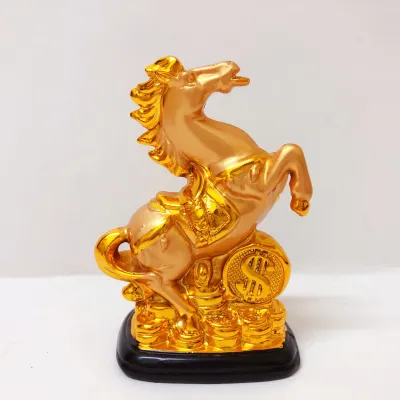
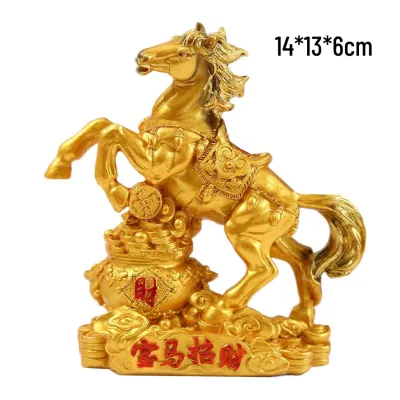
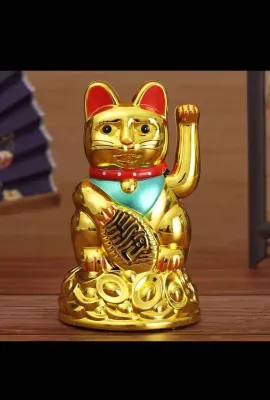
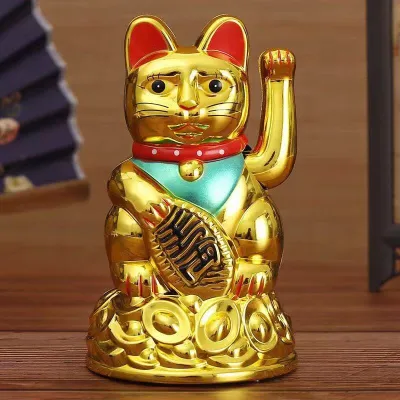
Prices are valid at publication and may change. Please refer to the product page for the latest price.
Proper placement is fundamental to maximizing the symbolic benefits of any lucky charm for house display. Traditional guidelines emphasize that entryways are critical transition zones where external energy enters the living space. Consequently, protective symbols are often positioned near the front door or main gate to filter out negative influences, while symbols of wealth and abundance are typically directed inward to encourage prosperity to flow into active, shared areas like the living room.
While traditional rules offer a helpful framework, modern interior design emphasizes that personal comfort and aesthetic harmony should always take precedence. A home should feel like a sanctuary rather than a rigid showroom of symbols. If a particular placement feels cluttered, blocks natural light, or disrupts foot traffic, it is entirely appropriate to adjust the layout to ensure residents feel relaxed and secure.
Popular Types of Lucky Charm Ornaments
Lucky charm ornaments designed for home display generally fall into three primary categories: those that attract wealth and prosperity, those that offer protection, and those that promote peace and family harmony. Identifying your household’s current priorities—whether you are starting a new business venture or simply wishing to create a more tranquil living environment—will help you narrow down the available options. Additionally, considering your available display space, whether indoors or in an outdoor garden, will guide you toward the most appropriate size and style.

Wealth and Prosperity Symbols
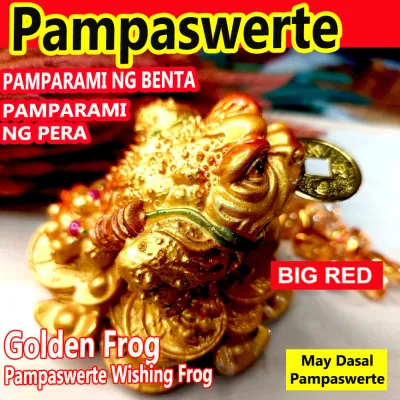
Among the most sought-after ornaments for attracting financial abundance is the three-legged wealth frog, also known as the money toad. This mythical creature is traditionally depicted sitting on a bed of gold coins, holding a single coin in its mouth to symbolize wealth generation. When positioning a wealth frog near your entrance, place it facing diagonally inward rather than directly out the door. This specific orientation symbolizes the frog bringing wealth into the household, rather than letting it escape outside.
Another beloved symbol of prosperity and joy is the Laughing Buddha. Characterized by his cheerful expression, prominent belly, and traditional robes, the Laughing Buddha represents contentment, generosity, and the accumulation of wealth. Many designs feature him carrying a sack of treasures or holding a gold ingot. Placing a Laughing Buddha statue on a console table in the living room or on a prominent shelf in the home office is believed to diffuse stress and invite a lighthearted, prosperous energy into the daily lives of household members.
When shopping for wealth and prosperity symbols on online marketplaces, pay close attention to the fine details of the craftsmanship. Look for clean lines, well-defined features, and a balanced posture. High-quality finishes, whether they mimic antique bronze, polished jade, or warm wood, ensure that the ornament serves as a sophisticated focal point in your room rather than looking like a temporary novelty.
Protection and Guardian Figures
For homeowners seeking to safeguard their property and family from negative energies, guardian figures offer both symbolic security and a commanding aesthetic presence. Foremost among these are Fu dogs, also known as imperial guardian lions, which have historically guarded palaces, temples, and wealthy estates. In a residential context, these statues act as symbolic sentinels that ward off harmful influences and ill intentions. They are particularly well-suited for flanking main entryways, driveway gates, or prominent garden pathways.
To respect traditional symbolism, Fu dogs must always be displayed as a pair consisting of one male and one female lion. The male Fu dog, typically placed on the right side of the entrance (as you look out from the inside), holds a globe under his right paw, symbolizing control over the home’s external structure. The female Fu dog, placed on the left side, cradles a playful cub under her left paw, representing the protection of the home’s interior and the well-being of the family members living within. Displaying a single Fu dog or reversing their traditional positions is believed to disrupt the balance of protective energies.
When planning the placement of guardian figures, consider the physical layout of your front yard, porch, or garden. Because these statues are designed to confront incoming energy, they should always face outward, looking away from the house toward the street. Placing them on elevated stone pedestals or concrete blocks not only enhances their visual impact but also protects them from ground moisture, dirt splashes during heavy tropical downpours, and accidental damage from lawn mowers.
Material and Durability Considerations
Selecting the right material for your lucky charm for house display is crucial, especially given the demanding tropical climate of the Philippines. Homeowners must choose materials that can withstand high relative humidity, intense solar radiation, and heavy seasonal rainfall without deteriorating, cracking, or losing their color. The most common materials available in the market include cast resin, ceramic, natural stone, concrete, and various metals, each offering distinct advantages and trade-offs regarding weight, durability, and maintenance.
Cast resin is highly popular for modern home decor because it can be molded into intricate designs and painted to mimic expensive materials like bronze, jade, or carved stone. Resin ornaments are lightweight and highly resistant to moisture. However, when placed outdoors in direct sunlight, standard resin can become brittle and suffer from paint fading or yellowing over time. If you plan to display a resin statue on an open patio or in a garden, verify that the product has been treated with a UV-resistant coating.
For outdoor gardens, open lawns, and exposed gateposts, natural stone, concrete, and high-fired ceramics are the premier choices for long-term durability. Stone and concrete statues are exceptionally heavy, preventing them from being knocked over by strong winds during typhoon season. They also develop a beautiful, natural patina over time as they interact with the elements, blending seamlessly into lush tropical landscaping. High-fired ceramic ornaments offer a classic, glossy elegance, but they are inherently fragile and can crack if subjected to sudden physical impacts.
Metal ornaments, such as those crafted from brass, bronze, or copper, bring a sense of timeless luxury and weight to indoor spaces. While highly durable, metal statues displayed in humid coastal areas or open-air verandas are susceptible to oxidation and tarnishing. To maintain their original luster, indoor metal pieces may require periodic polishing or a protective clear-coat application. Before finalizing your purchase, verify if the item is rated for outdoor use, check the total weight to ensure stability against wind, and confirm if the paint or finish is waterproof.
Styling and Integrating Ornaments into Your Decor
Integrating traditional lucky charms into a modern Filipino home requires a thoughtful approach to styling to avoid a cluttered appearance. One of the most effective ways to elevate an ornament is by using dedicated display platforms, such as neutral wooden pedestals, minimalist metal plant stands, or tiered garden steps. Elevating a statue off the floor or ground level gives it a sense of importance and defines it as a deliberate design choice rather than an afterthought.
Color coordination plays a vital role in creating a cohesive visual flow between your lucky charms and your existing home decor. If your home features a modern minimalist aesthetic with neutral tones, consider selecting ornaments in matte white, charcoal gray, or natural stone finishes. For homes with warm, tropical contemporary interiors characterized by local hardwoods like narra or mahogany, brass, bronze, or rich terracotta ornaments can add a complementary warmth. The goal is to match the undertones of the ornament’s material with the dominant color palette of the room.
Proportion and scale are equally important when placing lucky charms in your living spaces or garden beds. A large, imposing pair of Fu dogs can look magnificent flanking a wide driveway gate, but the same statues would overwhelm a compact condominium entryway. Conversely, a small, delicate wealth frog can easily get lost visually if placed on a large, expansive garden lawn. Measure your furniture and open spaces carefully, ensuring that the size of the ornament is proportionate to the surrounding elements, leaving ample breathing room around the piece to let its design shine.
Pre-Purchase Checklist and Sizing Guide
Before purchasing a lucky charm for house display, taking the time to measure your intended display area is a critical step that prevents return hassles and layout disappointments. Use a physical measuring tape to determine the exact height, width, and depth of the shelf, console table, or garden niche where the ornament will sit. Compare these measurements directly with the dimensions provided by the seller. Additionally, check the product’s weight; heavier items require sturdy furniture or reinforced garden bases to prevent sagging or structural damage over time.
Quality control is another essential factor to consider, especially when ordering fragile or hand-painted items online. Carefully inspect product photos and customer reviews for any signs of manufacturing defects, such as uneven paint application, air bubbles in resin, or hairline cracks in ceramic and stone. Ensure that the base of the statue is perfectly flat and stable. A wobbly base poses a significant safety hazard, particularly in households with active pets, young children, or in regions prone to seismic activity where unsecured items can easily tip over.
When planning your purchase, establish a clear budget in Philippine Pesos (₱) that accounts for both the cost of the ornament and any associated shipping fees. Heavy stone, concrete, or large metal statues can incur substantial delivery charges due to their weight and the specialized packaging required to transport them safely. It is also wise to review the seller’s return policies and shipping protection guarantees. Ensure the merchant offers robust packaging, such as custom-fit styrofoam or wooden crates, to protect fragile ceramic or resin pieces from damage during transit across provincial routes.
Frequently Asked Questions (FAQ)
How do I clean and maintain outdoor resin or stone ornaments?
Maintaining the beauty of your outdoor lucky charms in the Philippines requires regular, gentle cleaning to combat the buildup of dust, dirt, and tropical algae. To clean resin, stone, or concrete statues, mix a few drops of mild, non-abrasive dish soap with warm water. Use a soft-bristled brush or a microfiber cloth to gently scrub the surface, paying close attention to crevices where dirt tends to accumulate. Avoid using harsh chemical cleaners, bleach, or high-pressure washers, as these can strip away protective UV coatings, erode natural stone, or chip the paint finish.
Before applying any commercial sealants, clear coats, or water-repellent treatments to your outdoor ornaments, always consult the manufacturer’s specific care guidelines. Some materials may react poorly to certain chemical solvents, leading to discoloration or surface damage. Additionally, during extreme weather events such as typhoons or severe tropical storms, it is highly recommended to temporarily move smaller or more delicate outdoor ornaments to a sheltered indoor area. This simple precautionary step protects your investment from flying debris, torrential rains, and the risk of being knocked over by strong winds.
Can I place a wealth frog or Laughing Buddha in the bedroom?
According to traditional spatial arrangement principles, active wealth and prosperity symbols like the wealth frog and the Laughing Buddha are not recommended for display in the bedroom. The bedroom is traditionally viewed as a sanctuary dedicated to rest, relaxation, and personal rejuvenation. Wealth symbols, by their very nature, carry active, dynamic energy designed to stimulate financial movement and business success. Introducing this active energy into a sleeping space can disrupt the tranquil atmosphere needed for deep, restorative sleep.
Instead, the most suitable locations for these prosperity charms are common, high-traffic areas of the home where family members gather and interact. The living room, home office, study, or main entryway are ideal spaces that can easily accommodate and benefit from the vibrant, positive energy these symbols attract. However, it is important to remember that your personal comfort and the practical layout of your home should always guide your final decision. If you feel a deep personal connection to a specific ornament and its presence in your private space brings you peace and joy, prioritize your personal harmony over rigid traditional rules.
Community discussion
Share your experience or ask a question. Comments are reviewed before publication.