
Selecting the right Bosca solar street light for your property depends on matching each area’s specific coverage needs, mounting height, and security requirements with the fixture’s beam angle, lumen output, and sensor type. Because outdoor layouts vary from narrow driveways to expansive garden perimeters, a single configuration rarely fits every zone. By verifying the technical specifications on the product label and aligning them with your physical layout, you can establish an efficient, reliable lighting setup. This approach ensures that your outdoor spaces remain well-illuminated throughout the night while maximizing the solar energy harvested during the day.
Assessing Lighting Needs by Property Area
Before purchasing any solar lighting equipment, you must evaluate the distinct functional requirements of each outdoor zone. Different areas of your property serve different purposes, meaning they require varying levels of brightness, distribution, and control. Additionally, physical constraints such as existing poles, wall structures, and overhead obstructions will directly influence where and how you can install your fixtures. Taking the time to map out these zones prevents under-illumination in critical security areas and avoids excessive glare in recreational spaces.
Driveways and Long Pathways
Driveways and long pathways require consistent, uniform light distribution to ensure safe vehicle transit and pedestrian passage. Dark spots along a path can create safety hazards, so your primary goal is to achieve overlapping light patterns from one fixture to the next. To determine the spacing of your lights, you must evaluate the width and length of the driveway alongside the beam spread indicated on the product specifications. A wider driveway may require fixtures with a broader lateral beam angle to cover the entire surface without spilling light into neighboring properties.
Products mentioned in this guide
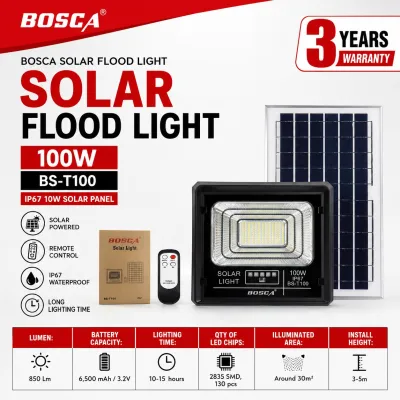
Prices are valid at publication and may change. Please refer to the product page for the latest price.
In tropical environments like the Philippines, lush foliage and overhanging tree branches are common along property boundaries. You must carefully inspect the path of the sun relative to your driveway to identify potential shading issues. If branches block the solar panels during peak daylight hours, the batteries will not charge fully, leading to premature shutoffs at night. Trimming back overhanging limbs or selecting mounting locations clear of canopy cover is essential for maintaining consistent nightly operation.
Garden Perimeters and Landscaping
Lighting a garden perimeter or landscaping features requires a softer, more aesthetic approach than lighting a driveway. High-intensity glare can ruin the ambiance of an outdoor living space and make it uncomfortable to sit outside at night. Instead, prioritize lower lumen outputs and fixtures that direct light downward or toward specific focal points. This creates a welcoming ambient glow that highlights your garden’s natural contours without overpowering the space.
For garden borders and pathways, shorter mounting heights or ground-stake placements are often highly effective. These lower mounting options keep the light source close to the ground, illuminating walking paths while keeping the fixtures themselves unobtrusive. When selecting lights for these areas, consider the color temperature options listed on the product packaging. While cool white light is excellent for high-visibility security zones, warm white light is often selected for landscaping as a conditional preference to enhance the natural colors of plants and stone structures.
Entrances and Security Zones
Entrances, gates, and vulnerable property edges demand high-visibility lighting to deter unauthorized access and provide clear sightlines. For these critical security zones, you should look for fixtures with high lumen outputs and wide beam angles to illuminate as much area as possible. Bright, reliable illumination at your main gate or front door ensures that visitors are easily identifiable and that security cameras can capture clear footage.
Integrating motion sensors is highly beneficial for security zones, allowing the light to operate at a dim energy-saving level until movement is detected, at which point it switches to full brightness. When planning these installations, always verify the Ingress Protection (IP) rating on the product label. Outdoor fixtures in the Philippines must withstand intense tropical downpours and high humidity, so selecting a light with a certified weatherproof rating, such as IP65 or higher, is vital for long-term durability and electrical safety.
Matching Bosca Specifications to Your Layout Requirements
To choose the correct fixture, you must compare your property’s physical measurements against the technical specifications found on the Bosca product label or user manual.

First, examine the lumen output and beam angle. Lumens measure the total amount of visible light emitted by the source, while the beam angle determines how wide that light spreads. For a wide-open area like a parking space or courtyard, a wide beam angle combined with a high lumen rating is necessary to cover the ground. Conversely, a narrow pathway is better served by a narrower, more directed beam that concentrates light where it is needed most.
Next, verify the recommended mounting height and pole compatibility. Installing a solar street light too low can cause intense glare and a restricted light pattern, while mounting it too high will dilute the brightness on the ground. Check the manufacturer’s specifications for the recommended mounting height range, which typically correlates with the fixture’s wattage and lumen output. Additionally, ensure that the mounting bracket or slip-fitter on the light matches the outer diameter of your existing or planned mounting poles.
Battery capacity and solar panel wattage are equally critical, as they dictate how long the light can run. In regions with seasonal weather shifts or frequent rainy days, a larger battery capacity and a higher-wattage solar panel are necessary to ensure the light remains functional through consecutive overcast nights. Review the product specifications to confirm that the solar panel can fully charge the battery within the typical daylight hours available in your area.
Finally, evaluate the available sensor types and operating modes. Many modern solar street lights offer multiple configurations, such as dusk-to-dawn continuous lighting, motion-activated brightness boosts, or pre-programmed timer dimming. Matching these modes to your layout requirements allows you to conserve battery power. For instance, you might configure a driveway light to run at a lower brightness level and increase to full power only when a vehicle or pedestrian approaches, preserving energy for the late-night hours.
Additionally, always verify the electrical specifications if you are considering hybrid solar-grid models. Check the voltage requirements, base or interface types, wattage limits, and electrical certifications listed on the packaging. Ensuring these specifications align with your local electrical standards is a critical safety step before finalizing your purchase.
Installation and Placement Guidelines for Optimal Performance
Proper installation is key to maximizing both the energy efficiency and physical lifespan of your solar street lights.
To begin, optimize the solar panel orientation. In the Philippines, solar panels should generally face south at a slight tilt to capture the maximum amount of sunlight throughout the year. Ensure that the installation site is completely free from shadows cast by nearby buildings, roof overhangs, or utility poles, especially during the peak sunlight hours of mid-day. Even partial shading on a small portion of the solar panel can drastically reduce its charging efficiency.
Securing the mounting structure is another critical step. Solar street lights, particularly all-in-one models that integrate the panel, battery, and light source into a single chassis, can be heavy and catch the wind. You must verify that your mounting poles, wall brackets, or ground stakes are structurally sound and securely anchored to withstand local weather conditions, including high winds and tropical storms. Use corrosion-resistant hardware to prevent rust from weakening the installation over time.
Safety must remain your top priority during installation. For high-elevation mounting, working on ladders, or attaching fixtures to structural walls, always follow the manufacturer’s step-by-step instructions. If your installation requires connecting to fixed electrical wiring for hybrid systems, working in damp areas, or handling suspended loads, isolate the power supply and consult a qualified professional to complete the work safely.
Frequently Asked Questions (FAQ)
Can one solar street light configuration work for both a driveway and a garden?
Using a single fixture type for both a driveway and a garden involves significant trade-offs because these areas have contrasting lighting goals. A high-output street light designed to illuminate a wide driveway will likely cause excessive glare and disrupt the relaxing atmosphere of a garden. Conversely, a low-intensity garden light will fail to provide the visibility needed for safe driving. If you must use the same model, look for fixtures with adjustable brightness settings or multiple operating modes, allowing you to dim the garden units while keeping the driveway units at full power.
How do I know if my existing pole is compatible with a new Bosca solar light?
To determine compatibility, you must measure the outer diameter of your existing pole and compare it with the mounting bracket specifications provided in the product manual. Most solar street lights use a standard slip-fitter bracket, but sizes can vary. Additionally, you must verify the structural integrity and weight capacity of the pole. All-in-one solar fixtures are heavier than traditional street lights because they contain internal batteries and solar panels, meaning the pole must be strong enough to support the weight and resist wind loads without bending or tipping.
What should I do if my property has heavy tree coverage?
If your property has dense foliage that blocks direct sunlight, standard all-in-one solar lights may struggle to charge. In these situations, look for solar light configurations that feature a split design, where the solar panel is separate from the light fixture. This allows you to mount the solar panel in a sunny, unshaded location—such as on a roof or a high pole—while running a connecting cable to the light fixture positioned under the tree canopy. Always check the product manual to verify the minimum daily sunlight hours required for a full charge.
Community discussion
Share your experience or ask a question. Comments are reviewed before publication.