
Clip solar lights offer a highly versatile, drill-free lighting solution for outdoor spaces in the Philippines, but finding the right style depends heavily on matching the light’s specifications to its specific location. For high-traffic areas like patios and deck railings, warm, glare-free accent lighting is ideal, while perimeter fences require focused downward beams to mark boundaries without disturbing neighbors. In garden beds, adjustable heads and robust moisture resistance are critical to withstand tropical humidity and seasonal rains. By evaluating key features like lumen output, clip grip strength, and weatherproofing ratings, you can select the ideal fixtures to illuminate your outdoor living areas safely and efficiently.
Understanding Clip Solar Light Features for Outdoor Use
Before purchasing clip solar lights, it is essential to review the technical specifications on the product packaging to ensure they match your installation environment. Lumens measure the total amount of visible light emitted by a source. For subtle accent lighting along a pathway or garden border, fixtures emitting 10 to 30 lumens are generally sufficient. If you require functional visibility for tasks, steps, or security, look for models that deliver 100 lumens or more.
The design of the solar panel also dictates where the light can be placed. Integrated solar lights feature the panel directly on top of the light fixture, requiring the entire unit to be clipped in a spot that receives direct sunlight. Conversely, split-panel designs connect the light fixture to a separate solar panel via a cable. This setup allows you to position the light in shaded areas, such as under a deep porch roof or dense foliage, while placing the solar panel in an open, sunny spot.
Products mentioned in this guide
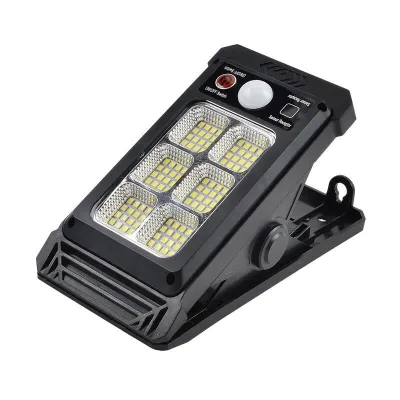
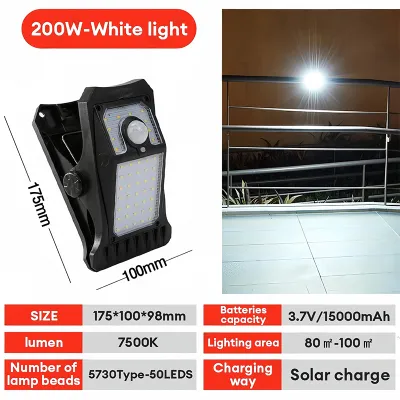
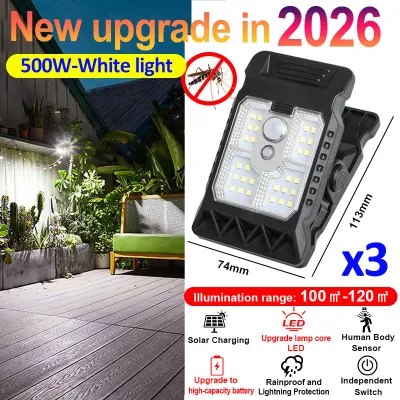
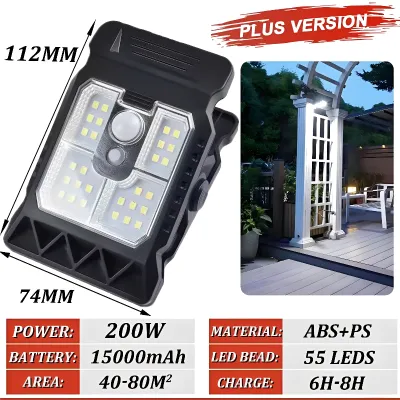
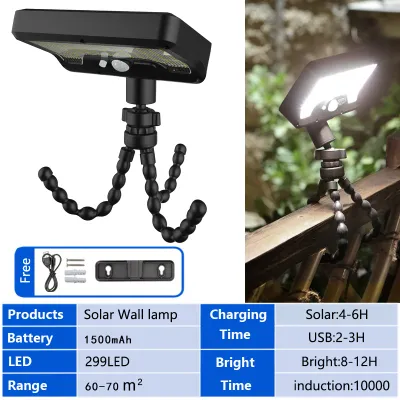
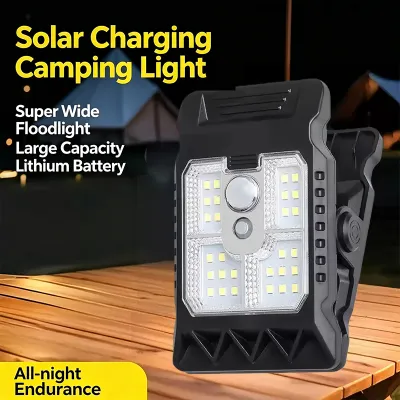
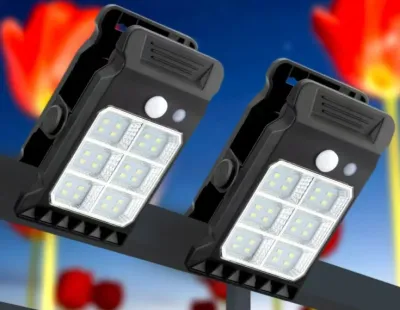
Prices are valid at publication and may change. Please refer to the product page for the latest price.
Clip mechanisms vary widely and influence how securely the fixture attaches to different surfaces. Heavy-duty spring clamps offer quick, tool-free installation on flat boards, but their grip strength can degrade over time when exposed to intense tropical heat. Hook-and-loop straps or screw-tightened clamps provide a more permanent, stable grip on round pipes or thick railings. Always check the manufacturer’s specified maximum clip opening width to ensure it accommodates your intended mounting surface.
In the Philippines, outdoor lighting must withstand high humidity, intense sunlight, and heavy monsoon rains. Ingress Protection (IP) ratings indicate how well the fixture prevents dust and water from entering the housing. For general outdoor use, look for a minimum rating of IP44, which protects against splashed water. For areas fully exposed to heavy downpours, an IP65 or higher rating is recommended to ensure long-term durability. Additionally, verify the battery voltage (typically 1.2V for NiMH or 3.2V to 3.7V for Li-ion), dimming methods, and electrical certifications like CE or RoHS on the label to confirm safety and compatibility.
Choosing the Right Light for Fences and Perimeters
Illuminating the boundaries of your property enhances both security and visual appeal, but it requires careful planning to avoid creating a nuisance. When selecting clip solar lights for perimeter fences, consider the primary purpose of the illumination. Low-lumen fixtures are excellent for marking boundaries and creating a soft frame around your yard. If security is your main goal, choose higher-lumen models equipped with motion sensors that brighten only when movement is detected.

To maintain good neighborly relations and prevent light pollution, select fixtures with downward-facing beam angles. These designs direct the light toward the ground or along the face of the fence rather than outward or upward. This localized illumination keeps the light within your property lines, preventing glare from shining directly into neighboring windows or onto adjacent streets.
Physical compatibility is another critical factor when mounting lights on fences. Measure the thickness of your fence posts, pickets, or concrete walls before purchasing. Standard spring clips may struggle to grip thick concrete hollow block (CHB) walls or wide wooden posts. For rough-sawn timber or textured masonry, look for clips with textured rubber pads that provide friction and prevent the light from sliding down. If your fence is made of smooth vinyl or metal, a screw-clamp mechanism offers a more reliable hold that will not slip during heavy rains.
Illuminating Deck Railings and Patios
Patios and decks serve as primary gathering spaces for family and guests, making the quality of light in these areas highly important. Perceived color temperature is a matter of personal preference, but it significantly influences the spatial effect of your outdoor living area. Warm white light (typically 2700K to 3000K) is widely preferred for seating zones because it creates a relaxing, cozy atmosphere. Cool white light (5000K or higher) provides a brighter, more clinical look that can enhance visibility but may feel less inviting for evening relaxation.
Proper positioning is key to enjoying your deck or patio without discomfort. Avoid clipping lights at eye level where they can cause direct glare. Instead, mount them lower on railing posts or under the handrails, directing the light downward onto the deck steps and walkways. This placement ensures safe navigation while keeping the light source out of your direct line of sight.
Protecting your home’s exterior materials is also a vital consideration. Hard plastic or bare metal clips can easily scratch painted wood, dent aluminum railings, or scrape protective coatings off steel, leading to premature rust or wood rot in humid tropical climates. Choose clip solar lights that feature soft silicone or rubber padding on the inside of the clamp. If padded options are unavailable, you can place a small piece of outdoor-grade rubber tape between the clip and the railing to protect the surface.
Highlighting Garden Edges and Plant Beds
Garden lighting adds depth and drama to your landscaping, turning trees, shrubs, and flower beds into focal points after dark. To achieve this effect, look for clip solar lights with adjustable or pivoting heads. These allow you to angle the beam precisely, whether you want to cast a dramatic uplight on a palm tree or highlight a low-lying garden border.
The primary challenge in garden beds is ensuring the solar panels receive adequate sunlight. Dense tree canopies, large ornamental leaves, and roof overhangs can block the sun, preventing the internal batteries from fully charging. If your garden is heavily shaded, avoid integrated units. Instead, use split-panel clip lights, mounting the light fixture in the shade and running the cable to a solar panel positioned in an open area that receives unobstructed sunlight for most of the day.
Garden environments are inherently damp, exposing lighting fixtures to wet soil, morning dew, and irrigation spray. Check the housing materials and seals carefully before installation. High-quality, UV-stabilized ABS plastic or marine-grade stainless steel housings resist corrosion and degradation from sun exposure. Ensure the battery compartment and power switch are protected by tight rubber gaskets to prevent moisture from seeping inside and causing electrical failure.
Installation and Maintenance Checklist
To maximize the performance and lifespan of your clip solar lights, follow this practical installation and maintenance routine:
- Optimize Sun Exposure: Position solar panels to face the sun directly, ensuring they are free from shadows cast by trees, walls, or roofs during peak daylight hours.
- Clean Regularly: Wipe the solar panels and light lenses with a soft, damp microfiber cloth every few weeks to remove dust, pollen, and salt residue, which can block sunlight and reduce charging efficiency. Do not use abrasive cleaners or harsh chemicals.
- Inspect Battery Compartments: Periodically open the battery compartment to check for moisture, rust, or corrosion. If you notice any buildup, clean the contacts gently with a dry cloth or a small brush.
- Observe Safety Boundaries: If you are installing clip lights at a height, such as on high gutters or second-story rooflines, always use a stable, secure ladder and have an assistant present. For any installations involving fixed backup wiring or connection to household electrical grids, isolate the power source before starting and consult a qualified professional to ensure compliance with local electrical codes.
Frequently Asked Questions (FAQ)
Can clip solar lights withstand heavy rain and strong winds?
Clip solar lights can withstand typical weather conditions if they have an appropriate IP rating, such as IP65, which indicates protection against water jets. However, strong winds during tropical storms or typhoons pose a physical risk. High winds can dislodge spring-loaded clips, causing the fixtures to fall and break. To prevent damage, check the grip strength of the clips regularly, or secure them with secondary tethers like UV-resistant zip ties. During severe weather alerts, it is highly recommended to temporarily remove the lights and store them indoors.
Do I need to replace the batteries in solar clip lights?
Yes, the rechargeable batteries inside solar lights degrade over time and typically need replacement every one to two years, depending on usage and heat exposure. Check your product manual to determine if your specific model features a user-replaceable battery compartment. If the compartment is accessible, replace the old batteries with new ones that match the exact chemistry (such as NiMH or Li-ion), voltage, and capacity specified by the manufacturer. If the unit is completely sealed, the battery cannot be replaced safely, and the entire fixture must be disposed of and replaced once the battery fails to hold a charge.
Community discussion
Share your experience or ask a question. Comments are reviewed before publication.