
Selecting the perfect lampshade for a wedding reception involves aligning the material, opacity, and shape of the fixture with the venue’s architectural features and the overall design theme. Whether planning an outdoor garden reception, a sleek modern gallery celebration, or a traditional Filipino banquet, the right lampshade transforms basic illumination into a cohesive design element. By understanding how different materials diffuse light, couples and wedding planners can curate an atmosphere that feels both intentional and visually stunning.
In tropical climates like the Philippines, where evening receptions often rely heavily on artificial lighting to combat early sunsets, the choice of lampshade becomes even more critical. High humidity and warm ambient temperatures also dictate which materials are safe and practical to use. Balancing these environmental factors with your aesthetic goals ensures that your venue remains beautifully lit, comfortable, and safe throughout the entire celebration.
Defining the Lighting Aesthetic for Your Wedding Theme
Before browsing specific lighting products, analyze the physical characteristics of your venue to establish your foundational design rules. High ceilings, exposed wooden beams, or minimalist concrete walls serve as visual anchors that dictate the scale and style of your lampshades. Matching the weight and texture of your shades to these architectural elements prevents the lighting from looking out of place or scale.
Products mentioned in this guide


![KOQZM💖[HOT SALE]🎈🎈 Flying Saucer Shape Paper Lamp Wedding Wall Sconces Chinese Wedding Party Balls Hanging Decoration Paper Ball Lampshade](https://img.lazcdn.com/g/p/79de0c112f38d93be9feedf0cf18980d.jpg_400x400q80.jpg_.webp)
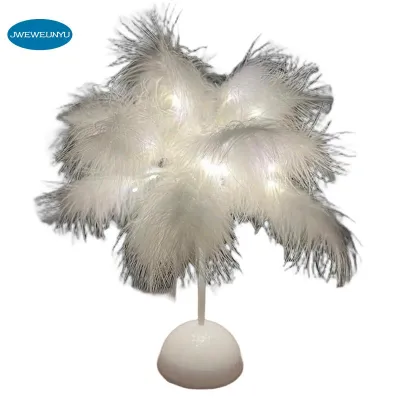
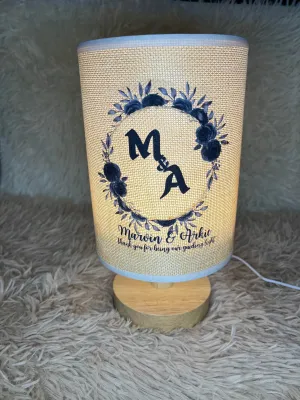
Prices are valid at publication and may change. Please refer to the product page for the latest price.
The desired ambient mood guides your choice of light diffusion and opacity. Intimate, romantic receptions benefit from heavily textured or opaque shades that direct light downward, creating cozy pockets of warmth on guest tables. Conversely, energetic, large-scale celebrations require translucent materials that allow light to scatter evenly across the entire space, keeping the energy high and the venue bright.
Material texture plays a critical role in how shadows fall across your reception space. A tightly woven fabric produces a smooth, uniform glow, while open-weave materials like rattan or pierced metal cast intricate patterns onto nearby surfaces. These shadow plays can either enhance a plain wall or clash with busy floral arrangements, so planning their placement relative to your decor is essential.
Selecting Lampshades for Rustic and Countryside Venues
Rustic and countryside weddings thrive on organic textures that mimic the natural environment. Selecting lampshades made from burlap, raw linen, thin wood veneer, or woven grass helps bridge the gap between the indoor reception setup and the outdoor landscape. These materials bring an earthy, unrefined elegance that complements barn-style pavilions, garden tents, and open-air lawns.

These fibrous materials naturally soften light, making them ideal for pairing with warm color temperature bulbs. The resulting golden glow enhances the natural wood tones of banquet tables and softens the appearance of lush greenery, establishing a cozy, inviting atmosphere as day turns to night. This soft diffusion is particularly flattering for guest photos and relaxed dining settings.
For effective placement, consider suspending large woven pendants directly over long, communal dining tables to create a sense of intimacy under high-ceilinged pavilions. Alternatively, position sturdy floor lamps with linen shades in designated lounge corners, providing comfortable pockets for guests to converse away from the main dance floor. Ensure all outdoor floor lamps are placed on flat, stable ground to prevent tipping.
Choosing Modern and Minimalist Lampshade Designs
Modern wedding themes demand clean lines, structured forms, and a controlled color palette. In industrial warehouses, art galleries, or sleek hotel ballrooms, lampshades should act as architectural accents rather than rustic distractions. The goal is to maintain a polished, sophisticated look that highlights the venue’s contemporary design.
Materials like brushed metals, frosted glass, matte acrylic, and tightly stretched linen in neutral tones maintain this minimalist aesthetic. These finishes prevent the lighting fixtures from looking cluttered, ensuring they blend seamlessly with contemporary table settings, geometric floral installations, and metallic decor elements. They also offer a clean canvas that does not compete with bold color schemes.
Focus on structured shapes such as perfect cylinders, sharp drums, or bold asymmetrical forms. These geometric silhouettes draw the eye upward and reinforce the clean design lines of the venue without adding unnecessary visual noise. Structured drum shades are particularly versatile, working well as both hanging pendants and tabletop accents.
To achieve the right lighting effect, pair these modern shades with neutral, clear light that highlights the venue’s architectural details. Frosted or matte shades are particularly useful here, as they diffuse bright light evenly, preventing harsh glare on polished concrete floors or metallic decor elements. This balanced illumination ensures a clean, high-end look for both the physical space and your wedding photography.
Integrating Traditional Filipino Heritage Elements
Incorporating traditional Filipino heritage elements into your wedding decor adds a deeply personal and culturally rich layer to the celebration. Utilizing local, sustainable materials not only honors traditional craftsmanship but also creates a stunning visual narrative that resonates with guests. These materials bring a unique warmth and texture that cannot be replicated by synthetic alternatives.
Capiz shell panels are a classic choice, offering a pearlescent translucency that beautifully diffuses light into a soft, romantic shimmer. Similarly, intricate rattan weaves and natural abaca fibers bring a refined, tropical texture that feels both sophisticated and grounded. These materials capture the essence of traditional Filipino design while remaining highly adaptable to modern styling.
For formal ballroom settings, structured silk shades or embroidered fabrics featuring traditional patterns offer an elegant nod to heritage. These refined materials pair exceptionally well with classic floral arrangements and formal table settings, elevating the overall aesthetic of a grand reception. They provide a sophisticated contrast to the more rustic look of raw abaca or rattan.
When using these delicate heritage materials, balancing aesthetics and function is key. Ensure the lampshades allow enough light to pass through for dining and high-quality photography, while still preserving the delicate, warm glow that makes capiz and abaca so visually captivating. Testing the light output with your photographer beforehand can help you find the perfect balance.
Practical Sourcing and Venue Safety Checks
Before finalizing your lampshade selections, conducting thorough safety and compatibility checks is vital to prevent electrical hazards or structural failures during the event. Always verify the venue’s voltage compatibility and ensure that all extension cords, sockets, and fixtures meet local electrical safety standards. This is especially important when mixing rented fixtures with the venue’s existing power supply.
Pay close attention to heat dissipation, especially when using enclosed or fabric shades. Ensure there is adequate clearance between the bulb and the shade material to prevent overheating, particularly in warm, humid tropical environments where ambient temperatures are already elevated. Using low-heat bulbs is a simple way to mitigate this risk.
For suspended installations, such as hanging heavy capiz chandeliers or large woven pendants, always verify the ceiling’s weight capacity with venue management. Any work involving fixed wiring, damp outdoor areas, or working at heights must be handled by a qualified professional to ensure secure mounting and proper power isolation. Never attempt to hang heavy fixtures without professional assistance.
When planning your budget, compare the costs of purchasing custom-made shades from local artisans against renting from event styling services or sourcing from online marketplaces. Custom abaca or capiz pieces can range from ₱1,500 to ₱5,000 or more depending on size and complexity, so factoring in delivery, installation, and potential damage fees is essential for an accurate budget.
Frequently Asked Questions (FAQ)
Can I use outdoor-rated lampshades for an indoor wedding reception?
Yes, outdoor-rated lampshades can be used indoors, but you must consider their weight and visual style. Outdoor shades are often constructed from heavier, weather-resistant materials like treated synthetic wicker or heavy metals, which may require stronger mounting hardware than standard indoor fixtures. Additionally, ensure their rugged appearance aligns with your indoor decor theme without looking out of place.
How do I clean delicate lampshade materials like capiz or rattan before the event?
To clean delicate heritage materials, start with gentle dry dusting using a microfiber cloth or a soft-bristled brush to remove loose dust. Avoid using harsh chemical cleaners or saturating the materials with water, as excess moisture can damage capiz shells or cause natural rattan and abaca fibers to warp or mildew. Always check the manufacturer’s care label for specific cleaning limits before applying any spot treatments.
What bulb types work best with fabric or paper wedding lampshades?
LED bulbs are highly recommended for fabric or paper lampshades because they emit very little heat, significantly reducing the risk of scorching or fire. Always verify the lampshade’s maximum wattage safety label and choose an LED bulb with an equivalent light output that stays well within those limits. This ensures both a safe installation and a beautiful, consistent glow throughout your reception.

Community discussion
Share your experience or ask a question. Comments are reviewed before publication.