
Metal generally offers greater joint longevity and structural rigidity for heavy daily adjustments, while high-grade plastics provide better drop resistance and lightweight flexibility. The final choice depends on whether you prioritize permanent desk stability and frequent repositioning or portability and impact resistance in shared spaces. Always verify the specific hinge mechanisms and manufacturer wattage limits, as material alone does not guarantee a heavy-duty build.
When setting up a dedicated study space, your lighting choice directly impacts your productivity and comfort during long nights of reading or writing. In tropical environments like the Philippines, where high humidity and warm ambient temperatures are common, the materials making up your study lamp face unique environmental stressors alongside daily wear and tear. Choosing a build that can withstand constant adjustments, accidental knocks, and hours of continuous operation ensures you do not end up replacing your fixture every semester.
Core Durability Factors for Heavy-Daily-Use Study Lamps
To find a truly heavy-duty study lamp, you must first understand the physical demands a student environment places on these fixtures. A reliable lamp must endure more than just sitting quietly on a desk; it must withstand constant physical interaction. Students frequently adjust the angle of the lamp head to reduce screen glare, shift the light source between physical textbooks and laptops, or move the entire unit to make room for large review materials.
Products mentioned in this guide
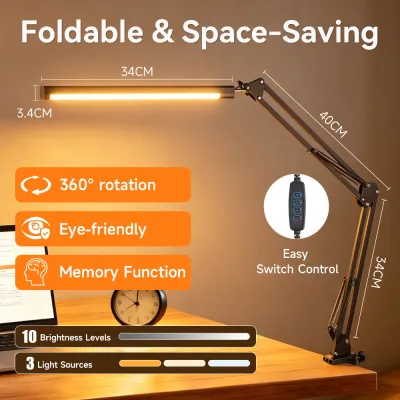
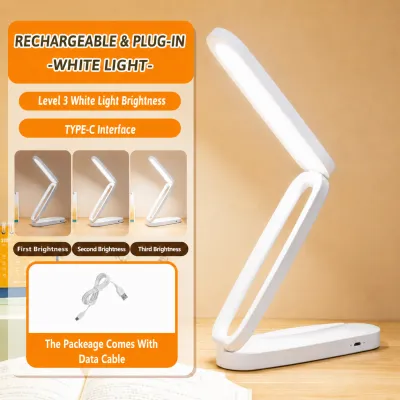
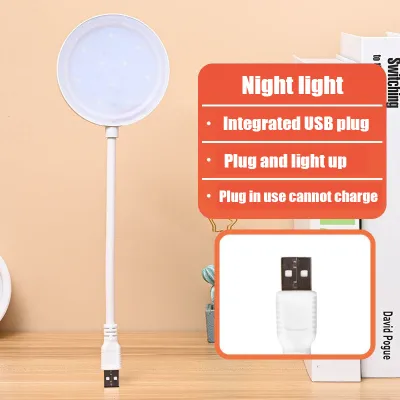
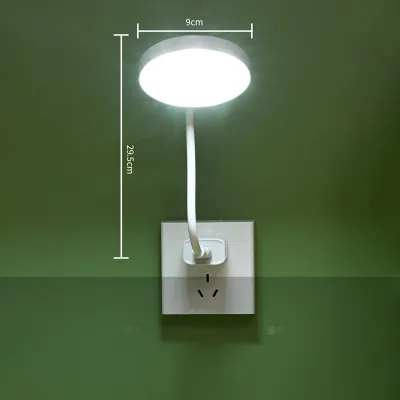
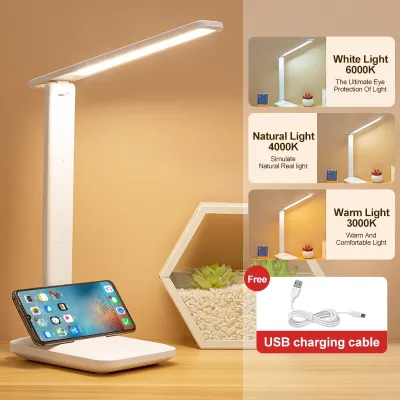
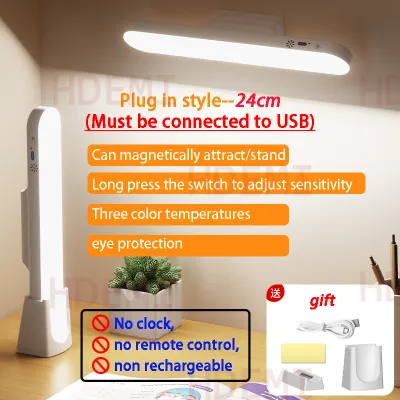
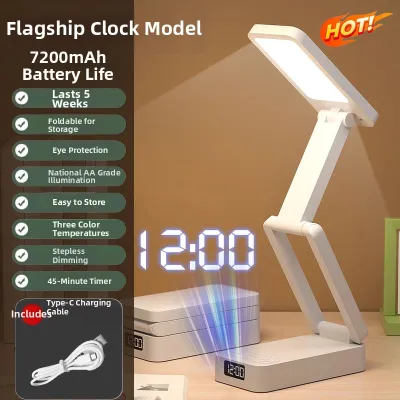
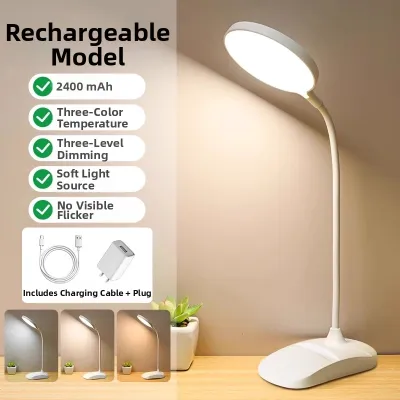
Prices are valid at publication and may change. Please refer to the product page for the latest price.
Mechanical stress concentrates heavily on the adjustable joints, hinges, and tension screws. If these components are made of low-quality materials, they quickly lose their grip, causing the lamp head to droop or sag over time. A heavy-duty build must maintain its set position even after thousands of adjustments throughout its operational lifespan.
Base stability is another critical factor for active study desks. A lamp with poor weight distribution can easily tip over when you reach to adjust the neck or when the desk is bumped during late-night study sessions. The base must provide a low center of gravity to keep the fixture anchored securely on wooden, glass, or laminate desk surfaces.
Finally, impact resistance is essential in busy student environments. Whether you are studying in a shared dorm room, a bustling family home, or a tight apartment space, your lamp is vulnerable to accidental knocks from heavy backpacks, falling textbooks, or hurried movements. The outer housing must absorb these minor impacts without cracking, denting, or shattering.
Metal Study Lamps: Structural Strength and Longevity
Metal study lamps, typically constructed from steel, aluminum, or brass alloys, are highly valued for their structural integrity. The primary advantage of a metal build lies in its rigid joints. Metal-on-metal friction fittings, threaded tension knobs, and counterbalanced spring arms hold their positions exceptionally well over years of constant repositioning, resisting the wear that causes lesser materials to slip.

This structural rigidity makes metal lamps highly suitable for tall, articulating designs, such as classic architect-style draft lamps. The inherent weight of metal allows for longer reach and wider angles of illumination without the risk of the arm bending or warping under its own weight. However, this weight requires a correspondingly heavy base to prevent the fixture from becoming top-heavy when fully extended.
While metal is incredibly durable, it is not entirely immune to environmental wear. In humid climates, unprotected metal surfaces can undergo oxidation, leading to rust or corrosion over time. When selecting a metal lamp, it is important to perform a visual check of the surface coating. High-quality powder-coated or anodized finishes protect the underlying metal from moisture and sweat from your hands, preventing premature surface degradation.
Additionally, while metal handles accidental bumps without cracking, thin-gauge metal housings can dent if struck with significant force. These dents are usually cosmetic rather than structural, but they can occasionally interfere with the smooth movement of telescoping arms or adjustable joints if the impact occurs directly on a hinge mechanism.
Plastic Study Lamps: Flexibility, Weight, and Wear Limits
Plastic study lamps, often made from ABS (acrylonitrile butadiene styrene) or polycarbonate polymers, offer a lightweight and highly flexible alternative to metal. High-grade plastics possess excellent impact absorption properties. If a plastic lamp is accidentally knocked off a desk onto a hard tiled floor, the material can flex and bounce, often surviving the fall without any permanent structural damage or denting.
This lightweight nature makes plastic lamps highly portable and easy to pack when moving between a dorm room and home during school breaks. However, plastic is susceptible to material fatigue over extended periods of heavy use. Constant bending and adjusting can place high stress on plastic hinges, eventually leading to joint loosening or “stress whitening”—a visible lightening of the plastic that indicates the polymer chains are beginning to separate and weaken.
Thermal tolerance is another critical limitation of plastic builds. Plastic has a much lower heat resistance than metal, making it vulnerable to heat deformation if paired with the wrong light source. While modern energy-efficient LED bulbs run relatively cool, traditional incandescent or halogen bulbs generate substantial heat that can warp, discolor, or even melt plastic shades over time.
To prevent safety hazards, you must strictly adhere to the manufacturer’s maximum wattage labels affixed to the lamp socket. If you notice any warping, a chemical odor during use, or localized discoloration on the plastic housing, these are immediate signals of thermal stress, and you should stop using the lamp or switch to a lower-wattage LED bulb immediately.
Direct Comparison: Metal vs. Plastic for Student Demands
Choosing between these two materials requires balancing your specific study habits, desk space, and how often you plan to move your setup. The following comparison matrix highlights how each material performs across key durability and usability metrics.
| Durability Metric | Metal Construction | Plastic Construction |
|---|---|---|
| Joint Lifespan | High; maintains tension over years of adjustment | Moderate; prone to loosening or fatigue over time |
| Impact Resistance | Resists cracking; prone to cosmetic denting | Resists denting; high-grade polymers absorb drops well |
| Weight & Portability | Heavy; excellent desk stability but harder to pack | Lightweight; easy to transport but easier to tip over |
| Heat Tolerance | High; safely dissipates heat from various bulb types | Limited; requires strict adherence to wattage limits |
| Corrosion Resistance | Requires protective coating to prevent rust in humidity | Inherently rust-proof and unaffected by moisture |
Choose Metal if:
- You have a dedicated, permanent study desk where the lamp will remain in place for years.
- You frequently adjust the height, angle, and direction of the light source throughout the day.
- You prefer a classic, heavy-duty aesthetic and want a fixture that feels solid and anchored to your workspace.
- You plan to use high-output or specialized bulbs that generate noticeable heat.
Choose Plastic if:
- You live in a shared dorm room or temporary housing and need to pack and transport your study gear frequently.
- Your desk is in a high-traffic area where the lamp is highly likely to be knocked over or dropped.
- You are looking for a lightweight, budget-friendly option that is easy to clean and inherently rust-proof.
- You plan to use cool-running LED bulbs exclusively, minimizing any risk of heat deformation.
How to Verify Build Quality Before Buying
When shopping for a heavy-duty study lamp on e-commerce platforms or in physical retail stores, you should look beyond basic material labels. A lamp advertised as “metal” may still use cheap plastic components at its most critical stress points. Inspect the hinge mechanisms closely; look for visible metal screws, bolts, or reinforcement pins rather than simple plastic snap-fits or friction joints that cannot be tightened when they loosen.
Next, evaluate the base-to-height ratio of the fixture. A stable lamp should have a wide, heavy base relative to its overall height and the length of its adjustable arm. If shopping online, check the product specifications for the total weight of the unit; a heavier overall weight usually indicates a well-weighted base. Look for product photos or descriptions that confirm the presence of non-slip rubber or foam pads on the bottom of the base to prevent sliding on smooth desk surfaces.
Finally, always read the manufacturer’s specification labels and user manuals. Check for clear safety certifications, material grades, and maximum wattage limits. A reputable manufacturer will clearly state the maximum allowable wattage for both traditional and LED bulbs, giving you a clear boundary for safe operation and helping you avoid thermal damage to your new study lamp.
Frequently Asked Questions (FAQ)
Are metal study lamps always heavier and more stable?
Not necessarily. While metal is inherently denser than plastic, actual desk stability depends on the overall engineering, footprint, and center of gravity of the lamp. Some metal lamps use thin, lightweight aluminum tubing with a small, unweighted base, making them top-heavy and prone to tipping when fully extended. Conversely, high-quality plastic lamps often feature a hollow base specifically weighted with internal metal plates or heavy sandbags, providing excellent stability despite having a lightweight plastic upper body. Always check the base design and total product weight rather than assuming metal automatically guarantees stability.
Can plastic lamps handle high-wattage or heat-generating bulbs?
Plastic lamps can safely handle light bulbs only if you strictly follow the manufacturer’s maximum wattage label printed inside the lamp shade or socket. Because plastic has a lower thermal tolerance than metal, using a bulb that exceeds the recommended wattage can lead to melting, warping, or discoloration of the housing. If you want to use a traditional incandescent or halogen bulb, a metal lamp is a much safer choice due to its ability to dissipate heat. For plastic lamps, it is highly recommended to use energy-efficient LED bulbs, which convert most of their energy into light rather than heat, keeping the plastic housing cool to the touch.
Community discussion
Share your experience or ask a question. Comments are reviewed before publication.