
Selecting the perfect meteor light for your condominium requires balancing vibrant ambient lighting with the physical constraints of modern urban living spaces. These cascading LED fixtures, known for their dynamic rainfall or shooting star effects, can transform a plain wall into a stunning visual feature. However, because condo layouts in the Philippines often feature compact footprints, concrete walls, and specific ceiling heights, choosing the wrong size can quickly make a room feel cramped or visually chaotic. Finding the ideal tube length and overall fixture size depends on your room’s dimensions, existing furniture, and the specific atmosphere you want to create.
Measure Your Condo Space Before Choosing a Meteor Light
Before browsing online marketplaces or local lighting boutiques, you must establish a precise baseline of your available physical space. Grab a steel tape measure and map out the exact wall area where you plan to install the meteor light. In many Philippine condominiums, wall space is shared with essential appliances like split-type air conditioners, window frames, and built-in shelving. You must measure the “clear” wall space—the uninterrupted area that remains visible and unobstructed by furniture or utility units.
Ceiling height is another critical factor that dictates how your meteor light will hang. Standard residential condos in metropolitan areas typically feature ceiling heights ranging from 2.4 to 2.7 meters. If you have a lower ceiling, long vertical tubes can make the room feel shorter and more confined. Conversely, higher ceilings or loft-style units allow for dramatic vertical drops. Knowing these dimensions helps you decide whether a vertical cascading arrangement, a horizontal alignment, or a diagonal sweep will best complement the room’s architecture.
Products mentioned in this guide
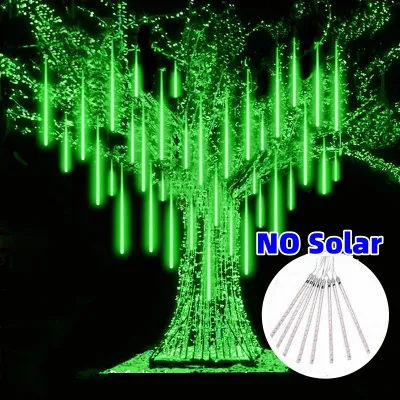
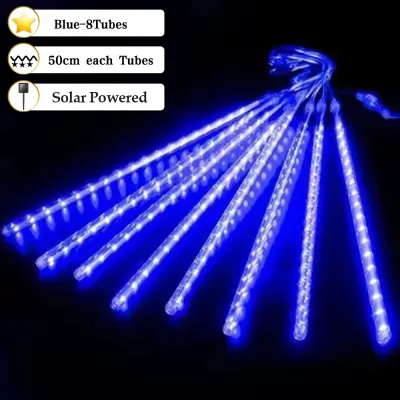
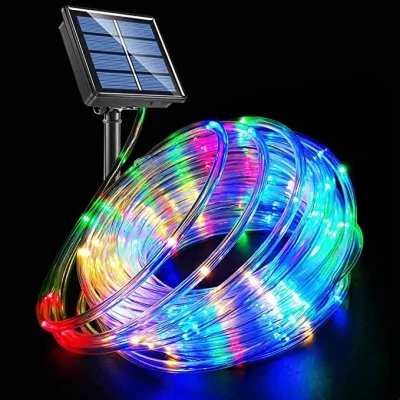
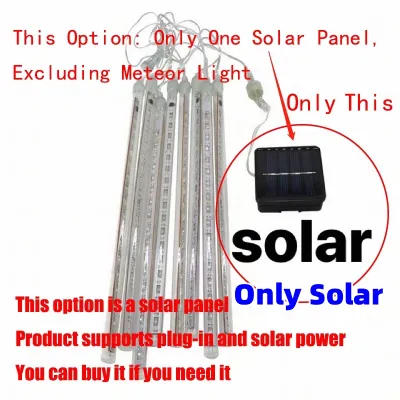
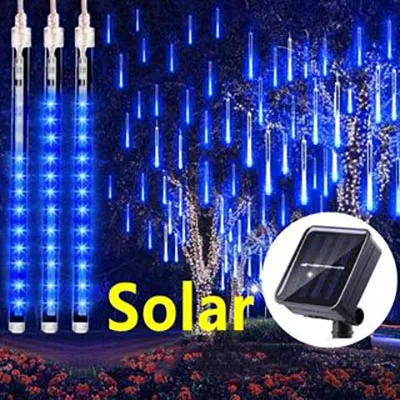
![[COD]Solar/Plug in Meteor Shower Rain Lights LED Outdoor Waterproof Icicle Fairy String Lights for Home Garden Christmas Raya Decoration](https://img.lazcdn.com/g/p/fd49d32f1a873f0ead753f71865dcfa9.jpg_400x400q80.jpg_.webp)
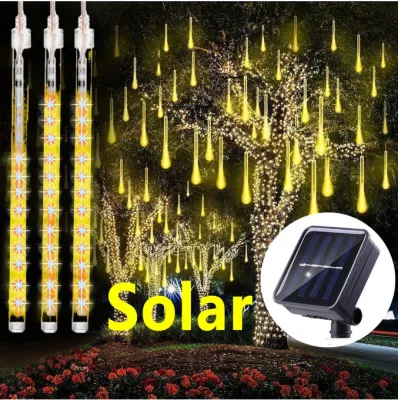
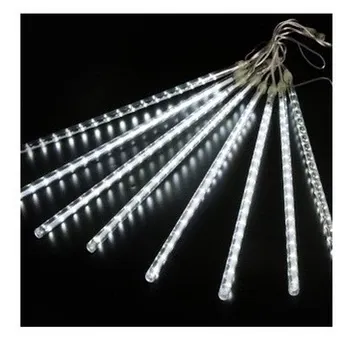
Prices are valid at publication and may change. Please refer to the product page for the latest price.
Do not forget to locate your nearest power outlet before finalizing your purchase. Meteor lights require a continuous power source, and relying on dangling extension cords can create both a visual eyesore and a tripping hazard. Measure the distance from the planned installation point to the outlet, keeping in mind that the power cord must run neatly along corners or baseboards. Always verify that the product’s voltage rating matches the standard 220V electrical system used in the Philippines, and check that the manufacturer’s cord length is sufficient for your layout. Whether you are budgeting ₱1,500 or ₱5,000 for your lighting upgrade, verifying these physical dimensions first prevents costly return shipping fees.
Match Tube Length to Your Bedroom or Living Room Proportions
The scale of your meteor light should directly reflect the primary function and size of the room. In a condo bedroom, where the goal is to foster a relaxing, restful sanctuary, smaller to medium tube lengths are generally preferred. Tubes measuring between 30 centimeters and 50 centimeters work exceptionally well when placed above a headboard or a low dresser. This size provides a gentle, soothing motion without emitting an overwhelming amount of light that could disrupt your sleep patterns or create uncomfortable glare.

For the living room, which serves as the social hub of your home, you can opt for larger, more dramatic installations. Here, longer tubes ranging from 50 centimeters to 80 centimeters, or even multi-tube clusters, can make a striking design statement. A blank wall behind a sofa or adjacent to a dining area is the perfect canvas for these longer fixtures. The extended length allows the cascading light effect to travel further down the tube, creating a more pronounced and mesmerizing motion that draws the eye upward and makes the living area feel more spacious.
To ensure your meteor light looks balanced, apply basic proportional scaling principles. A common design guideline is that a wall fixture or a cluster of lights should occupy roughly 60% to 75% of the width of the furniture directly beneath it. For example, if your living room sofa is 1.8 meters wide, your meteor light arrangement should ideally span between 1.1 and 1.3 meters horizontally. If the fixture is too small, it will look lost and insignificant on the wall; if it is too large, it will dominate the room and make your furniture look disproportionately small.
Plan Installation Clearances and Visual Balance
Achieving a professional look requires careful planning of physical clearances and visual weight. Always maintain a minimum clearance of 30 centimeters between the top of the meteor light tubes and the ceiling. This gap prevents the light from reflecting too harshly off the ceiling surface and allows the cascading effect to begin gracefully. Similarly, ensure the bottom of the tubes remains well above the floor or any low-lying furniture to prevent accidental bumps during daily activities or cleaning.
Visual weight is determined by how prominent the fixture appears against your wall. Meteor lights with thick acrylic tubes or heavy mounting brackets carry more visual weight than slim, minimalist designs. Consider your wall color and texture: a dark, accent wall will absorb some of the light, making the fixture feel more integrated, while a light-colored or glossy wall will reflect the glow, making the light appear larger and brighter. In humid tropical climates, ensure the installation wall is free from moisture seepage, as persistent dampness can damage the adhesive backings or electrical components of the light.
Before finalizing your layout, verify the mounting hardware requirements and your wall’s material compatibility. Many condo walls are made of solid concrete or precast panels, which require a masonry drill, wall plugs, and screws for a secure mount. If you are renting and cannot drill into the walls, you will need to look for lightweight fixtures that can be safely supported by heavy-duty, damage-free adhesive hooks. For any complex setups involving fixed wiring, suspended loads, or work at heights, always isolate the power at your main circuit breaker and hire a qualified professional to handle the installation safely.
Avoid Common Meteor Light Sizing Mistakes
One of the most frequent mistakes condo owners make is overlooking the physical bulk of the power adapter and controller box. While the meteor light tubes themselves may look sleek and thin, the accompanying transformer can be a heavy, rectangular block. If you do not plan a way to conceal this adapter—such as hiding it behind a mounted TV, a shelf, or using decorative cable management channels—it will hang awkwardly and ruin the clean aesthetic of your installation.
Another common error is selecting a fixture based solely on individual tube length while ignoring the overall width of a multi-tube set. A product listing might highlight a “50 cm meteor light,” but if the set includes eight tubes spaced 30 centimeters apart, the total horizontal span will exceed two meters. Failing to calculate this cumulative width can result in a fixture that is far too wide for your designated wall space, forcing you to crowd the tubes together and ruin the intended cascading effect.
Lastly, avoid placing oversized or highly active meteor lights in narrow transition zones, such as entryways, hallways, or low-ceiling dining alcoves. In these confined spaces, the constant downward motion of the light can create a dizzying, claustrophobic sensation. Keep larger, more dynamic fixtures in open areas where you can appreciate them from a comfortable viewing distance, and reserve smaller, static, or slower-moving lights for tight corners and hallways.
Frequently Asked Questions (FAQ)
Can I combine multiple short meteor lights instead of buying one long piece?
Yes, combining multiple shorter meteor lights is an excellent way to customize your layout and cover a larger wall area. This approach allows you to create unique patterns, such as a staggered V-shape or a gentle wave, which is often more visually interesting than a single straight line. When clustering smaller units, aim for a consistent spacing of 15 to 20 centimeters between each tube to maintain a cohesive, intentional look.
However, clustering multiple independent units introduces challenges with power supply and cord management. Each separate set of lights will have its own power cord and adapter, which can quickly clutter your wall. To keep the installation clean, look for meteor light kits that support daisy-chaining, allowing you to connect multiple tubes to a single power source. Always check the manufacturer’s specifications to ensure you do not exceed the maximum wattage limit or the maximum number of connectable tubes for a single adapter.
Does the color of the meteor light affect how large it looks on the wall?
Yes, the color and brightness of the light significantly influence its perceived size and visual impact. Cooler colors, such as bright white, blue, or cool purple, have a high visual intensity and tend to expand in our perception. This means a cool white meteor light will appear larger, brighter, and more prominent on your wall, which can easily overwhelm a small condo bedroom if the size is not carefully scaled down.
In contrast, warmer colors like warm white, amber, or soft yellow have a lower visual intensity and tend to recede, making the fixture feel more integrated and less physically imposing. If you want to install a larger meteor light in a compact space without it dominating the room, choose a model with warm-toned LEDs or one that features a built-in dimming method. Adjusting the brightness allows you to soften the visual weight of the light, matching the cozy ambiance of your condo bedroom or living room perfectly.
Community discussion
Share your experience or ask a question. Comments are reviewed before publication.