
Finding the best meteor shower LED lights for room decoration in the Philippines requires balancing visual appeal with electrical safety and environmental durability. These cascading lights, which mimic the natural beauty of falling stars, can transform a standard bedroom, living room, or study into a dynamic, cozy sanctuary. However, because the local climate features high relative humidity and homes often utilize concrete walls and standard 220-volt electrical outlets, choosing the right set involves more than simply picking a color. You must evaluate the physical design of the lights, verify their power requirements, and plan an installation method that respects both your interior surfaces and your home’s electrical capacity.
By understanding the technical specifications and safety standards of these novelty lamps, you can create a stunning visual display that operates reliably year-round. Whether you want to frame a window, accent a headboard, or create a dramatic ceiling display, selecting high-quality components ensures your decorative lighting remains a safe and beautiful addition to your living space.
Understanding Meteor Shower LED Light Designs
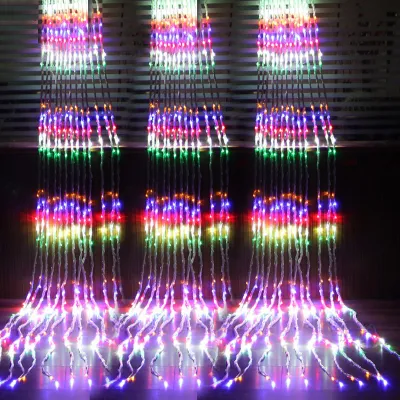
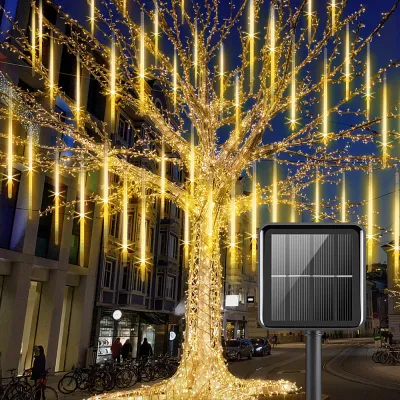
Meteor shower LED lights, also known as cascading raindrop or falling star lights, are characterized by a distinct chasing visual effect. Unlike standard fairy lights that remain static or flash uniformly, meteor shower lights utilize pre-programmed integrated circuits (ICs) inside each light source. These microchips control the timing of the individual LEDs, turning them on and off in rapid succession from top to bottom. This sequential illumination creates the convincing illusion of a streak of light falling through the night sky, adding movement and depth to your indoor decor.
Products mentioned in this guide
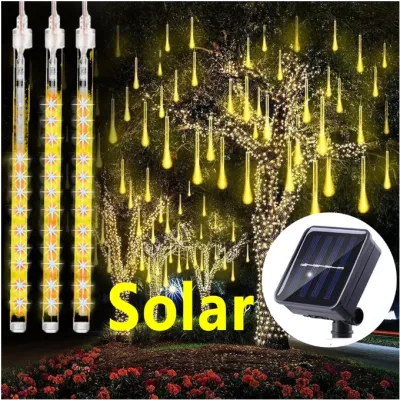
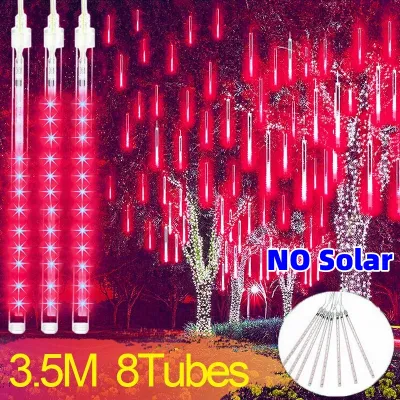
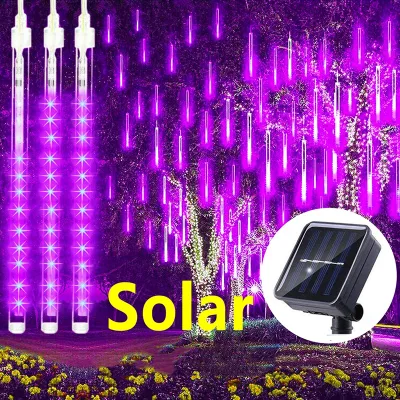
![[COD]Solar/Plug in Meteor Shower Rain Lights LED Outdoor Waterproof Icicle Fairy String Lights for Home Garden Christmas Raya Decoration](https://img.lazcdn.com/g/p/fd49d32f1a873f0ead753f71865dcfa9.jpg_400x400q80.jpg_.webp)
![LST-20cm/30cm/50cm [Plug type] Meteor Shower Rain LED Lights](https://img.lazcdn.com/g/p/a97eefad152e87716b7a60842df32e19.jpg_400x400q80.jpg_.webp)
Prices are valid at publication and may change. Please refer to the product page for the latest price.
When shopping on online marketplaces or at local home decor stores, you will generally encounter two primary physical designs: rigid tube lights and flexible wire strings. Rigid tube designs feature a series of vertical acrylic or polycarbonate tubes, typically ranging from 30 to 50 centimeters in length, which house a rigid printed circuit board (PCB) lined with LEDs on both sides. These tubes hang vertically from a main connecting wire, providing a highly structured, architectural look that works exceptionally well in windows or along straight walls. Flexible wire or string designs, on the other hand, embed micro-LEDs directly along thin, bendable copper or silver wires. These flexible options allow for organic, free-form draping over furniture, plants, or curved surfaces, though they offer a softer, less defined cascading effect than their rigid counterparts.
Color selection plays a pivotal role in establishing your room’s ambiance, and these lights are widely available in several distinct color temperatures and palettes. Warm white options (typically 2700K to 3000K) emit a soft, golden glow that fosters a cozy, relaxing, and intimate atmosphere, making them highly suitable for bedrooms and reading nooks. Cool white options (6000K to 6500K) provide a bright, crisp, and modern aesthetic that closely mimics actual starlight, offering high visual contrast that stands out beautifully against dark walls. Multicolor or RGB variants introduce a playful, dynamic, and festive energy to a space, which is ideal for game rooms, creative studios, or holiday celebrations. Because color temperature and spatial effects are highly subjective, treat these options as conditional preferences that should align with your existing room decor and personal mood goals.
Core Specifications to Evaluate for Indoor Use
Selecting the right meteor shower lights requires a close examination of their technical specifications to ensure they match your room’s layout and functional needs. The power source is one of the most critical factors to consider, as it dictates where you can safely position your lights.

USB-powered sets offer excellent versatility and safety for indoor environments. Operating at a low 5-volt current, they can be plugged directly into standard phone chargers, power banks, or laptop USB ports, making them highly convenient for desks or bedside tables. Battery-operated models provide ultimate portability, allowing you to hang lights in areas completely devoid of wall outlets, such as inside a closet or on a freestanding room divider. However, battery-operated lights require regular battery replacements or rechargeable cells, and their brightness may gradually fade as the charge depletes. Plug-in models operating on standard alternating current (AC) provide the most consistent and bright illumination, making them the preferred choice for larger installations, though they require close proximity to a wall outlet and careful cable management.
Physical dimensions and LED density are equally important when planning your setup. Standard meteor shower tube sets typically consist of 8 tubes spaced approximately 30 to 50 centimeters apart along a main power cable. Before purchasing, measure the width of your target installation area—such as a window frame or headboard—to ensure the lighted portion of the cable fits neatly without excess sagging. Additionally, check the LED density, which refers to the number of individual LED chips inside each tube or along each meter of wire. A higher LED density results in a smoother, more continuous falling animation, whereas a low density can make the cascading effect appear choppy or pixelated.
While Ingress Protection (IP) ratings are primary considerations for outdoor lighting, they remain highly relevant for indoor use in the Philippines. The tropical climate brings high ambient humidity, especially during the monsoon season, and indoor spaces can experience significant moisture fluctuations due to air conditioning condensation. While a basic IP20 rating is sufficient for dry, well-ventilated indoor areas, opting for an IP44 rating provides splash resistance and protection against dust entry, ensuring greater long-term durability if the lights are hung near open windows or in humid rooms.
Finally, look for sets that include a dedicated controller or remote to adjust the falling speed and brightness levels. The ability to slow down the cascading effect or dim the intensity is crucial for transitioning your room from a lively daytime workspace to a calm, sleep-friendly environment at night.
Planning Your Room Layout and Installation Spots
To maximize the visual impact of your meteor shower lights, you must carefully plan their placement and use installation methods that protect your home’s surfaces. Windows and curtains are among the most popular spots for these lights, as they provide a natural frame for the cascading effect. Hanging rigid tubes vertically behind sheer, translucent curtains diffuses the light beautifully, creating a soft, dreamlike waterfall of light that glows gently through the fabric. When mounting lights near windows, ensure the cables and tubes do not interfere with the opening, closing, or locking mechanisms of the window frame.
In the bedroom, framing a headboard or a bed canopy with meteor shower lights adds a whimsical, cozy touch. If you are wrapping flexible wire lights around a canopy frame, ensure the wires are secured tightly and do not drape loosely where they could be pulled or snagged during sleep. For safety reasons, keep the light tubes and power adapters positioned slightly away from direct contact with heavy pillows, thick blankets, or plush toys to maintain adequate airflow around the components.
Mounting lights on concrete walls—a common structural feature in many Filipino homes—requires specific techniques to avoid damaging the plaster or paint. Drilling holes for screws is often impractical, especially in rental properties. Instead, utilize damage-free adhesive hooks or cable clips designed specifically for lightweight decorative wiring. Before applying any adhesive, thoroughly clean the wall surface with rubbing alcohol to remove dust, oils, and moisture, which can prevent the adhesive from bonding properly in humid conditions. Press the hook firmly against the wall for at least thirty seconds and allow the adhesive to cure according to the manufacturer’s instructions before hanging the weight of the lights. For temporary or seasonal setups, tension rods placed inside window frames or between closely spaced walls can support the weight of the light strings without requiring any adhesive or hardware.
Electrical Safety and Pre-Purchase Verification
Prioritizing electrical safety is essential when introducing any new lighting fixture into your home. In the Philippines, the standard residential electrical grid operates at 220 volts at 60Hz. When purchasing meteor shower lights, particularly from international online sellers, you must verify that the power adapter is explicitly rated for 220V compatibility (or features a universal input range of 100V to 240V). Connecting a device designed strictly for 110V outlets directly to a local 220V outlet will cause immediate, irreversible damage to the circuitry and poses a severe risk of electrical short-circuits, sparks, or fire.
Always inspect the product packaging and the physical label on the power adapter for recognized safety certification marks. Look for local certifications such as the Philippine Standard (PS) mark or the Import Commodity Clearance (ICC) sticker, which indicate the product has passed local safety and quality evaluations. International safety marks, such as CE, UL, or FCC, also serve as reliable indicators that the manufacturer has adhered to strict electrical safety and material standards. Avoid purchasing unbranded, exceptionally cheap lighting sets that lack these safety markings, as they often utilize substandard wiring and low-quality transformers that can overheat easily.
Proper heat dissipation is another critical safety factor. Although individual LEDs generate very little heat compared to traditional incandescent bulbs, the power adapters, transformers, and control boxes convert high-voltage household current into low-voltage direct current, a process that naturally generates warmth. Always position the power adapter in a well-ventilated area. Never cover the adapter with clothing, bedding, or curtains, and avoid tucking it into tight, enclosed spaces behind furniture where heat can build up over time. Keep all electrical connections elevated off the floor to protect them from accidental spills or floor-cleaning moisture.
For standard plug-and-play USB or low-voltage adapter installations, DIY setup is safe and straightforward. However, if your decorative vision involves complex installations—such as hardwiring the lights directly into your home’s wall switches, mounting heavy fixtures at extreme heights that require tall ladders, or running wiring through damp areas like indoor bathrooms—always isolate the power at the main circuit breaker before beginning. If you are uncertain about load calculations, wire splicing, or safe routing practices, stop and consult a qualified professional electrician to complete the installation safely.
Frequently Asked Questions (FAQ)
Can I connect multiple meteor shower light sets together?
Many modern meteor shower LED light sets are designed with end-to-end male and female connectors, allowing you to daisy-chain multiple strands together using a single power outlet. However, you must consult the manufacturer’s instructions to verify the maximum number of connectable sets, which typically ranges from three to five strands. Exceeding this recommended limit can overload the primary power adapter, causing it to overheat, and can also result in a significant voltage drop. A voltage drop will cause the lights further down the chain to appear noticeably dimmer or prevent the cascading animation from functioning correctly.
How do I clean dust off the LED tubes without damaging them?
Over time, dust and airborne particles can accumulate on the exterior of the acrylic tubes, which can dim the brightness of the LEDs and detract from the overall visual effect. Before cleaning, always unplug the power adapter from the wall outlet and allow the lights to cool down completely. Use a dry or slightly damp microfiber cloth to gently wipe the dust off each tube and along the connecting wires. Avoid using harsh chemical cleaners, liquid sprays, or abrasive scrubbing pads, as these can scratch the plastic housing or penetrate the seals, damaging the sensitive internal circuitry.
Community discussion
Share your experience or ask a question. Comments are reviewed before publication.