
Quick Answer: Essential Meteor Shower Light Specs
To find a meteor shower light that transforms your living space without disappointing performance, you must focus on three critical specifications: the projection coverage area, the light source type (LED versus laser), and the power supply method. Verifying these details on the product packaging or manual ensures the device matches your room’s physical dimensions and electrical setup.
Checking the manufacturer’s rated coverage and safety labels before buying is the most reliable way to avoid common issues like dim projections or incompatible power cords. Taking a few moments to verify these core specifications helps you select a reliable device that integrates seamlessly into your home.
Projection Coverage and Light Source Quality
Achieving a captivating ambient effect in a typical high-rise condo or bedroom requires matching the light’s projection distance with your actual room dimensions. Manufacturers usually specify a recommended projection distance and the resulting coverage area in square meters. If you place a projector too far from the ceiling or wall, the meteor patterns may become blurry or faint, while placing it too close can restrict the visual field to a tiny, concentrated spot. Measure your ceiling height and floor space before shopping to ensure the light engine can handle the throw distance.
Products mentioned in this guide
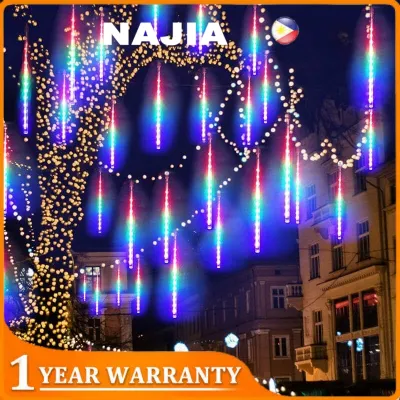
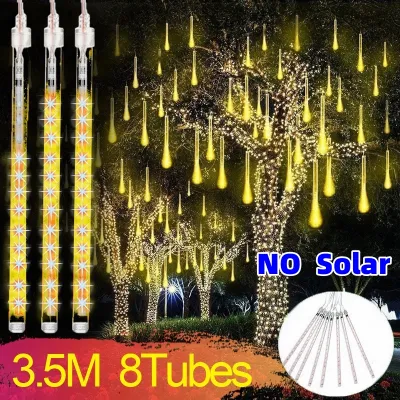
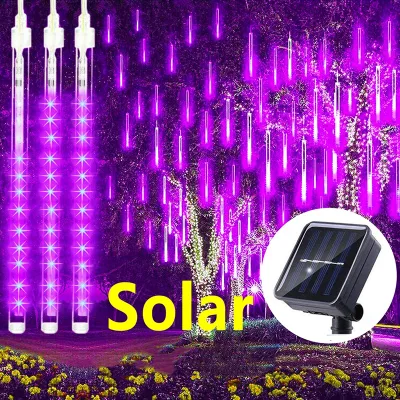
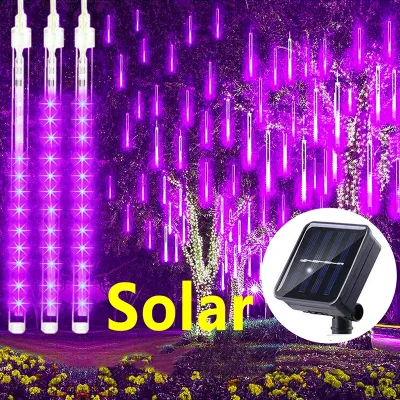
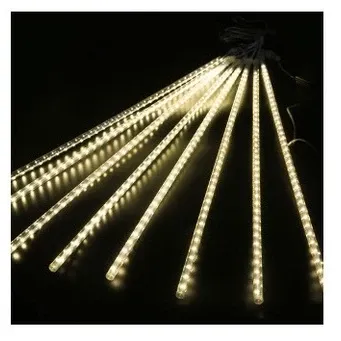
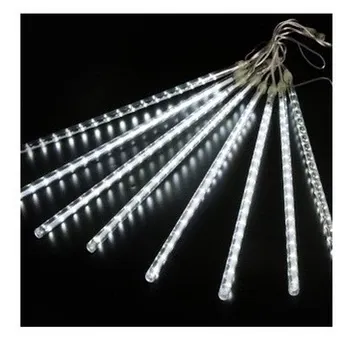
Prices are valid at publication and may change. Please refer to the product page for the latest price.

The underlying technology of the light source also dictates the visual style and safety requirements of the device. LED-based ambient projectors excel at producing soft, broad color washes and gentle, flowing cloud effects that are highly suitable for relaxing environments. In contrast, laser-based projectors generate sharp, highly defined points of light and rapid, linear meteor streaks. Because lasers emit highly concentrated light beams, you must verify that the device carries a recognized eye-safety classification label on its housing to prevent accidental eye strain or injury during operation.
When selecting a model, look closely at the color temperature options and color rendering claims printed on the product packaging. Marketing images on online marketplaces are often digitally enhanced to look incredibly vibrant, which can lead to unrealistic expectations. Checking the actual specifications, such as whether the device offers adjustable warm-to-cool white tones or multi-color RGB options, gives you a much more accurate preview of how the light will interact with your room’s existing decor and wall paint.
Power Options and Smart Control Features
How you power your ambient lighting directly impacts where you can place it and how often you will use it. USB-powered models offer excellent flexibility, allowing you to run the projector from a wall adapter, a laptop, or even a portable power bank during a temporary power outage. Direct plug-in models provide a stable power supply for continuous, daily use but restrict placement to areas near electrical outlets. Battery-operated units offer maximum portability for special occasions, though they require frequent recharging or battery replacements that may become inconvenient over time.
If you plan to run the light continuously for evening relaxation, always check the length of the included power cable and the required adapter output ratings. A cable that is too short will force you to use extension cords, which can look untidy in a clean condo interior. Additionally, using an underpowered USB wall adapter can cause the projector to flicker, dim, or shut down unexpectedly, so verify that your adapter matches the voltage and amperage specified in the product manual.
Control features determine how easily you can adjust the ambiance from your bed or sofa. Basic models rely on physical buttons on the device or simple infrared remote controls, which require a direct line of sight to function. More advanced models feature mobile app connectivity, allowing you to set automated sleep timers, adjust brightness levels, and customize the speed of the moving meteor effects. Before purchasing a smart-enabled model, check the manual to verify if it requires a specific 2.4 GHz Wi-Fi band or a dedicated smart home hub, as many modern dual-band home routers can cause setup difficulties if not configured correctly.
Build Quality, Safety Labels, and Installation Limits
Electrical safety is paramount when introducing any new appliance to your home, especially devices that run for hours at a time. Always locate and read the electrical safety certifications and voltage ratings printed directly on the device label or within the official documentation. In the Philippines, ensuring the device is rated for the standard 220V grid or runs on a safe, low-voltage USB step-down transformer prevents electrical hazards and protects the internal circuitry from premature failure.
The physical installation of your projector requires careful consideration of its mounting mechanism. Many ambient lights come with adjustable tripods, magnetic bases, or bracket mounts designed for wall or ceiling installation. Verify the weight limit of the mount and the stability of the surface where you plan to place it to prevent the device from falling and sustaining damage. For any permanent ceiling installations or fixed wiring setups, always isolate the power source before beginning and follow the manufacturer’s step-by-step instructions carefully.
Environmental factors like tropical humidity can also affect the lifespan of your lighting equipment. Standard indoor projectors are not sealed against moisture, meaning that using them in damp areas like bathrooms or open balconies can cause internal short circuits. Never modify the power cable or attempt to bypass safety features, and only use the projector in high-humidity or outdoor environments if the product packaging explicitly displays an appropriate IP (Ingress Protection) rating.
Minor Specs That Rarely Affect Your Decision
When comparing different models, some technical specifications can be safely deprioritized. For instance, exact lumen counts are highly critical for task lighting, but they are less useful for decorative galaxy and meteor projectors. Because these devices are designed to be used in dark or dimly lit rooms, the manufacturer’s rated room coverage and your ability to dim the light are far more important than raw brightness metrics.
Similarly, do not be swayed by marketing claims boasting dozens of pre-programmed scenes or lighting modes. In practice, most users find a few favorite settings and stick to them. It is far more valuable to choose a light that allows you to manually customize basic parameters—such as speed, color, and brightness—rather than one with a high number of rigid, unchangeable presets.
Finally, extreme focal length specifications or complex lens measurements rarely impact the quality of diffuse ambient lighting. Unlike high-definition home theater projectors that require precise focus adjustments to display sharp text and video, ambient meteor lights are designed to project soft, flowing patterns where a slightly soft focus actually enhances the relaxing, atmospheric effect.
Frequently Asked Questions (FAQ)
Can I use a meteor shower light outdoors?
Outdoor use is only safe if the product label or manual explicitly specifies an appropriate IP water and dust resistance rating. Standard indoor ambient projectors will quickly fail or present electrical hazards if exposed to rain, morning dew, or high tropical humidity. Additionally, you must check the manufacturer’s specified operating temperature range and ensure that the power adapter and electrical outlets are fully protected from moisture.
Does a higher wattage always mean a brighter projection?
No, a higher wattage rating often indicates the total power draw of the device rather than its optical efficiency or beam focus. Modern, energy-efficient LED and laser light engines can produce highly vibrant projections while consuming very little power. Instead of relying on wattage alone to judge brightness, look at the manufacturer’s recommended room size and check for user-verified dimming capabilities to ensure the light fits your space.
Community discussion
Share your experience or ask a question. Comments are reviewed before publication.