
Quick Answer: Which Is Better for Night Reading?
Choosing between a mini desk lamp and a regular bedside lamp for night reading depends on your space, reading habits, and whether you share your bed. Neither option is universally superior, as each serves a distinct lighting purpose. A mini desk lamp is highly recommended if you have a compact nightstand, require precise directional control, or need to read without disturbing a sleeping partner. Its adjustable neck and focused beam deliver targeted light exactly where you need it. Conversely, a regular bedside lamp is ideal if you have ample table space and prefer soft, diffused ambient light that illuminates the entire bedroom while acting as a decorative design element.
Core Differences: Mini Desk Lamps vs Regular Bedside Lamps
Understanding the fundamental physical and functional differences between these two lighting fixtures is essential before making a purchase. While both sit near your bed, they are engineered to manipulate and distribute light in entirely different ways.

Size, Footprint, and Adjustability
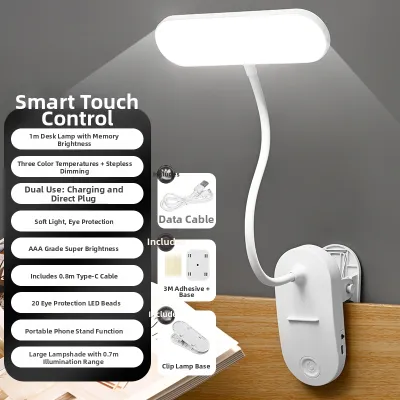
Mini desk lamps are characterized by their compact, space-saving footprints. Many models feature bases with a diameter of less than 10 centimeters, while others utilize clamp or clip-on mechanisms that eliminate the need for surface space altogether. This makes them highly suitable for modern urban bedrooms, such as condominiums in the Philippines, where nightstands are often small or replaced by narrow shelving.
Products mentioned in this guide
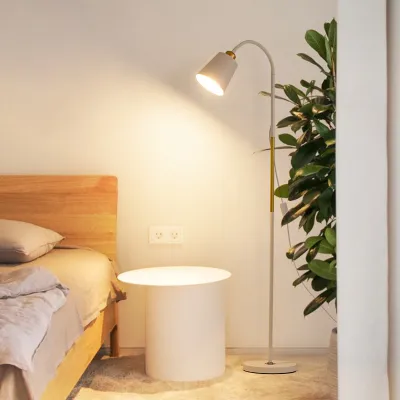
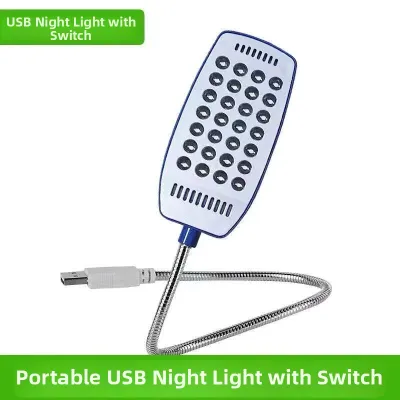
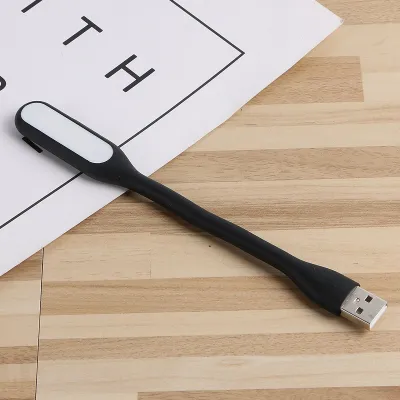
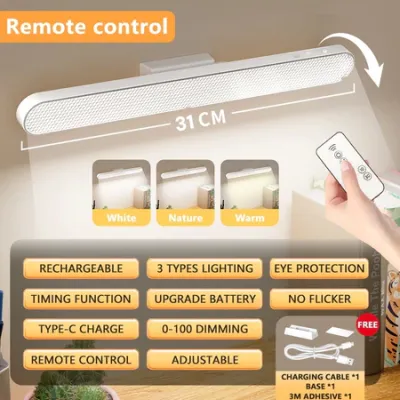
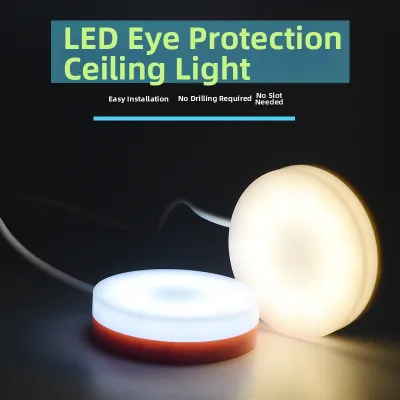
Prices are valid at publication and may change. Please refer to the product page for the latest price.
The defining feature of a mini desk lamp is its physical adjustability. Equipped with flexible silicone goosenecks, multi-axis rotating joints, or articulated tension arms, these lamps allow you to position the light source close to your reading material. This adjustability ensures you can maintain an ergonomic reading posture without casting shadows on your book or screen.
Regular bedside lamps, by contrast, are designed as substantial, stationary fixtures. They typically feature wide, heavy bases crafted from ceramic, glass, wood, or metal to ensure stability on flat surfaces. Because they lack adjustable joints or flexible necks, their physical position remains fixed. To change the direction of the light, you must physically move the entire lamp or alter your reading posture. While this lack of movement makes them highly durable and less prone to mechanical wear over time, it limits their utility as precise reading lights.
Light Distribution and Beam Angle
The optical performance of each lamp type significantly impacts visual comfort during late-night reading. A mini desk lamp operates as a dedicated task light. It uses integrated light-emitting diodes (LEDs) paired with a focused lens or a narrow, opaque shade to cast a concentrated, directional beam. This narrow beam angle restricts the light to a specific zone, such as the pages of your book, leaving the rest of the bedroom in comfortable darkness. This localized illumination is highly beneficial for shared bedrooms, as it prevents light spill from reaching a sleeping partner’s eyes.
Traditional bedside lamps distribute light through a process of wide diffusion. They utilize semi-translucent shades made of fabric, paper, or frosted glass that scatter light in a 360-degree pattern. This creates a soft, ambient glow that fills the entire room, eliminating harsh shadows and creating a relaxing atmosphere.
However, because the light is dispersed so widely, it loses intensity. This can make reading small print difficult, as the diffused light may not provide enough contrast on the page, forcing your eyes to strain. Additionally, the wide distribution means the entire room is illuminated, which can interfere with your body’s transition to sleep or disturb others.
Space and Setup: Matching the Lamp to Your Bedroom
Before selecting a lamp, carefully evaluate the physical dimensions and layout of your bedroom. Start by measuring the usable surface area of your nightstand. Bedside tables often accumulate clutter, including smartphones, chargers, eyeglasses, and water carafes. A traditional bedside lamp with a wide base can easily dominate this limited space, leaving little room for daily essentials. If your nightstand is compact or crowded, a mini desk lamp with a small footprint or a clip-on base is a highly efficient alternative that frees up valuable space.
The height of your bed and headboard also dictates which lamp style will perform best. When you are sitting up in bed to read, the bottom of a traditional bedside lamp’s shade should ideally align with your eye level. If the lamp is too tall, the exposed bulb will shine directly into your eyes, causing glare. If the lamp is too short, the shadow cast by the shade will fall across your reading material. Achieving this perfect alignment can be challenging with fixed-height bedside lamps, especially with varying mattress thicknesses.
Mini desk lamps resolve these height compatibility issues through their adjustable structures. You can easily bend or rotate the lamp head to direct light onto your book while keeping the light source itself below your direct line of sight. For bedrooms without traditional nightstands, clip-on mini lamps offer excellent versatility. They can be mounted directly onto wood or padded headboards, floating shelves, or bed frames. This adaptability is particularly useful in tropical climates like the Philippines, where minimalist bedroom designs with open airflow are popular to maintain a cool, comfortable sleeping environment.
Light Quality and Eye Comfort for Night Reading
Achieving optimal eye comfort during nighttime reading requires a careful balance of brightness, dimming capabilities, color temperature, and glare control.
Brightness and Dimmability
Reading in a dark room requires a light source that can be adjusted to match your eyes’ natural adaptation to the dark. If a lamp is too bright, the high contrast between the illuminated page and the dark room will cause rapid eye fatigue. If it is too dim, your eyes must work harder to resolve the text, leading to strain and headaches.
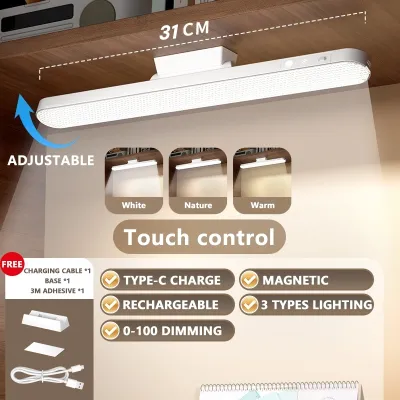
To prevent these issues, prioritize lamps that offer robust dimming controls. Many modern mini desk lamps feature stepless dimming or multi-level touch sensors, allowing you to fine-tune the brightness. For comfortable night reading, a light output of 100 to 200 lumens is generally recommended. This level provides sufficient illumination for a book or e-reader without overwhelming your visual field. Traditional bedside lamps can also achieve this flexibility, but they require the installation of dimmable LED bulbs and compatible dimming switches, which may not be standard on basic models.
Color Temperature and Glare Control
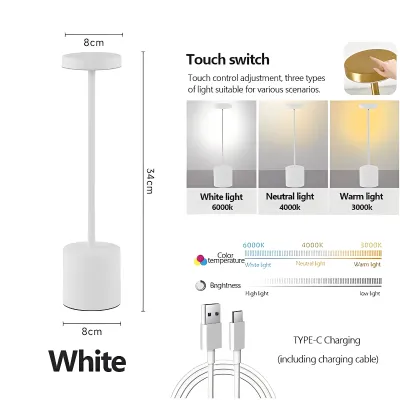
The color temperature of your bedroom lighting directly influences your sleep quality. Light color is measured on the Kelvin (K) scale. Cool white light (5000K to 6500K) contains high levels of blue light, which suppresses the brain’s production of melatonin, the hormone that regulates sleep. For evening reading, it is highly recommended to use warm light with a color temperature between 2700K and 3000K. This warm, amber-toned light mimics the natural sunset, relaxing the eyes and encouraging a healthy sleep cycle.
Many adjustable mini desk lamps feature multi-color temperature modes, allowing you to select a cool white light for daytime tasks and switch to a warm, low-blue light mode for bedtime reading.
Glare control is equally critical for preventing eye strain. Direct glare occurs when the bare light source is visible to your eyes, while reflected glare occurs when light bounces off glossy book pages or e-reader screens. Traditional bedside lamps control glare by using fabric or paper shades to diffuse the light. Mini desk lamps prevent glare through precise positioning. By angling the adjustable head downward and away from your face, you can ensure that the light illuminates the pages of your book without shining directly into your eyes or reflecting off shiny surfaces.
Power, Safety, and Practical Considerations
Operating electrical fixtures near your bed requires careful attention to safety, local electrical standards, and environmental conditions.
First, evaluate cord management and power routing. Bedside areas are often crowded with cables for various devices. Ensure that your lamp’s power cord is long enough to reach the wall outlet safely without being stretched tight across walkways, which creates a trip hazard. If you choose a mini desk lamp, consider a model equipped with a built-in rechargeable lithium-ion battery. These cordless models can be charged via USB and placed anywhere on your bed or nightstand without cord clutter. In the Philippines, where seasonal typhoons can lead to temporary power interruptions, a rechargeable mini desk lamp doubles as a highly practical emergency light source.
When purchasing any electrical appliance in the Philippines, you must verify its voltage and frequency compatibility. The standard household electrical supply in the country is 220V at 60Hz. If you are buying a lamp from international online marketplaces, check the product specifications carefully. Using a lamp designed solely for 110V systems without a proper step-down transformer can result in electrical shorts, permanent damage to the fixture, or fire hazards.
Heat dissipation is another essential safety metric, particularly in warm, humid tropical climates. Traditional incandescent bulbs generate substantial heat, which can pose a fire hazard if the lamp is placed near lightweight curtains, mosquito nets, or bedding. For bedroom safety, LED light sources are highly recommended. LEDs generate minimal heat, remaining cool to the touch even after hours of continuous reading. This dramatically reduces the risk of accidental burns and helps keep your immediate sleeping area cool.
Finally, always verify that your chosen lamp has undergone proper safety testing. In the Philippines, look for products that carry the Philippine Standard (PS) quality mark or the Import Commodity Clearance (ICC) sticker on the packaging or power adapter. These certifications guarantee that the product complies with national safety standards, ensuring reliable insulation, fire-resistant materials, and safe electrical performance.
Decision Framework: Which Lamp Should You Choose?
To determine the best lighting solution for your bedroom, compare your personal reading habits and space constraints against this structured decision framework.
Choose a mini desk lamp if:
- Your nightstand space is limited: You have a small bedside table, a shared nightstand, or no table at all and need a clip-on or compact fixture.
- You share a bed: You need a highly directional beam that illuminates only your book, allowing your partner to sleep undisturbed.
- You require adjustable positioning: You read in various positions and need to easily adjust the height and angle of the light.
- You prefer modern features: You appreciate touch-sensitive controls, adjustable color temperatures, and the option for cordless, rechargeable battery operation.
Choose a regular bedside lamp if:
- You have ample table space: Your nightstand is large enough to accommodate a wide, decorative fixture without feeling cluttered.
- You prioritize ambient room lighting: You want a soft, warm glow that illuminates the entire bedroom to help you wind down before sleep.
- You want a decorative design element: You view the lamp as a key piece of your bedroom decor and want to match it with your furniture style.
- You prefer simple operation: You want a stable, permanent fixture with a straightforward physical switch.
Verify first if:
- Your power source is compatible: The lamp is rated for 220V/60Hz and features a plug type compatible with your wall outlets.
- The fixture is certified safe: The product carries a valid PS or ICC safety mark to ensure electrical safety.
- The materials suit your climate: In humid environments, choose materials like high-grade plastics, powder-coated metals, or treated wood that resist rust and moisture damage.
Frequently Asked Questions (FAQ)
Can I use a mini desk lamp as my only bedroom light?
A mini desk lamp is designed specifically for localized task lighting and is generally not suitable as the sole light source for an entire bedroom. Because its beam angle is highly focused, it leaves the rest of the room in deep shadow. While this is ideal for concentrated reading, it does not provide enough general illumination for daily activities like dressing, organizing, or safely navigating the room in the dark. For a safe and comfortable bedroom environment, it is best to use a layered lighting approach. Combine your mini desk lamp with a primary ambient light source, such as a ceiling fixture or a larger floor lamp, which can be turned on when general room visibility is required.
Are clip-on mini lamps safe for headboards?
Clip-on mini lamps are safe for headboards, provided you select a model with protective design features and verify your headboard’s structural suitability. Before mounting a clip-on lamp, inspect the clamp’s jaw. It should be lined with soft rubber, silicone, or thick foam padding to prevent scratching, denting, or scraping the wood, paint, or fabric finish of your headboard. Additionally, ensure that the clamp’s maximum opening width is compatible with the thickness of your headboard and that its grip strength is sufficient to hold the lamp securely. Avoid mounting heavy clip-on lamps to thin or fragile headboard materials that might bend or crack under pressure.
Community discussion
Share your experience or ask a question. Comments are reviewed before publication.