
Selecting a modern chandelier for a wedding reception requires balancing the sleek aesthetics preferred by younger guests with the timeless elegance appreciated by older family members. The most successful multi-generational designs blend clean geometric silhouettes with traditional materials like crystal or polished metal. By focusing on transitional fixtures that offer both structural simplicity and celebratory sparkle, you can create a cohesive visual centerpiece that satisfies diverse tastes while meeting the practical requirements of the venue.
Identifying Multi-Generational Design Elements
To bridge the generational gap, look for fixtures that combine contrasting design philosophies. A highly effective approach is pairing a clean, geometric metal frame with classic crystal drops or glass beads. The structured frame appeals to younger eyes accustomed to modern lines, while the shimmering crystals satisfy the older generation’s desire for traditional wedding elegance.
The choice of metal finish plays a critical role in defining the chandelier’s style. Contemporary finishes like brushed brass or matte black provide a sharp, modern edge. Conversely, polished nickel or antique gold finishes lean toward classic sophistication. Selecting a transitional finish, such as a soft brushed gold, allows the fixture to coordinate beautifully with both modern table settings and traditional floral arrangements.
Products mentioned in this guide
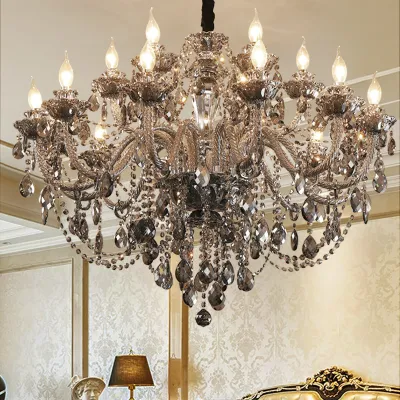
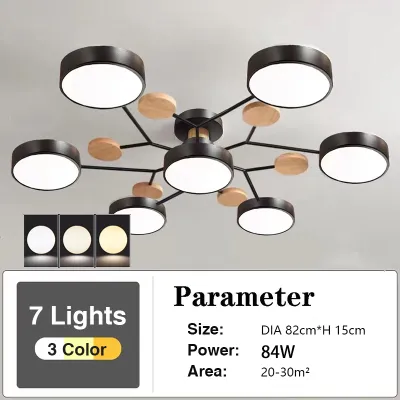
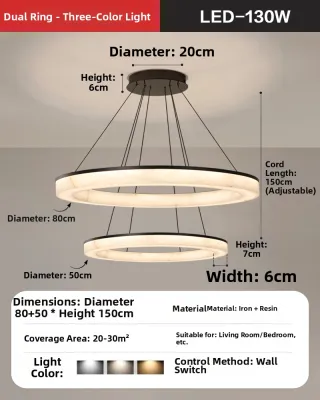
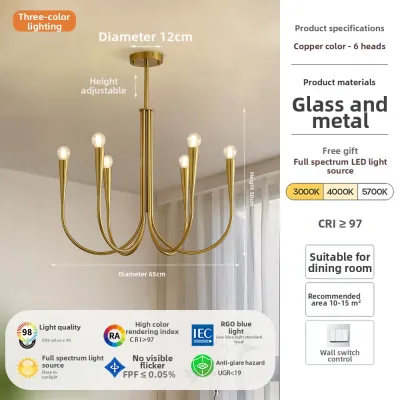
![AceDeal [Support Lalamove Bulk Orders] Diameter 50cm High Bright Pendant Light Crystal TriColor Remote Control Chandelier Simple Design Restaurant Droplight Northern Europe Modern Ceiling Light Living Room Bedroom Home Decoration](https://img.lazcdn.com/g/p/24de8cf2b4100a8b09cb17e5c3d89f4e.jpg_400x400q80.jpg_.webp)
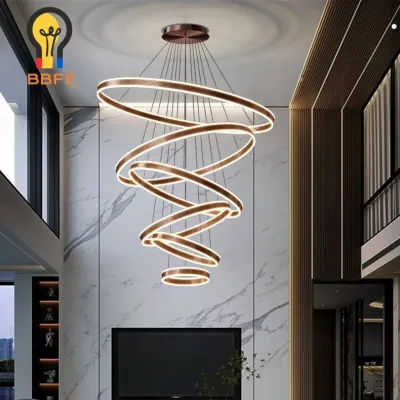
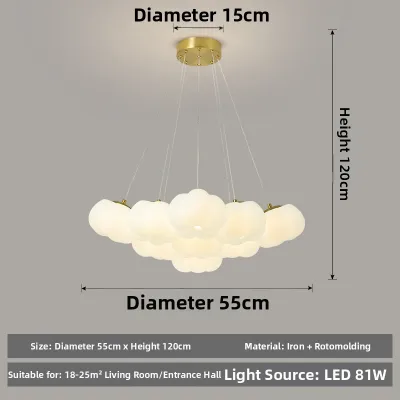
Prices are valid at publication and may change. Please refer to the product page for the latest price.
Visual weight is another essential factor. A fixture that is too sparse may feel cold or overly casual to older relatives who expect a sense of occasion. On the other hand, a heavily ornate crystal basket chandelier can feel dated to younger guests. Aim for an open-concept silhouette that allows light to pass through, ensuring the design remains uncluttered while still incorporating enough reflective elements to feel celebratory.
It is generally wise to avoid highly experimental or abstract sculptural shapes. While an ultra-minimalist LED ring might appeal to a design-forward couple, it can alienate older family members who find it too informal for a wedding. Sticking to recognizable, symmetrical forms—such as updated drum shapes or clean linear cages—ensures the lighting feels intentional, respectful of tradition, and universally welcoming.
Matching Chandelier Styles to the Reception Venue
A chandelier must harmonize with the physical dimensions of your reception venue. Before selecting a fixture, measure the ceiling height and the overall square footage of the main dining or dancing area. A fixture that is too small will look lost in a grand ballroom, while an oversized piece can overwhelm an intimate garden pavilion or a low-ceilinged dining room.

Analyze the existing architectural features of the venue to ensure your chosen modern chandelier complements the space. If you are hosting the reception in a rustic barn, a sleek geometric chandelier with warm wood accents can bridge the gap. For a historic estate, a minimalist linear chandelier with delicate glass globes can introduce a fresh contrast without clashing with permanent heritage details.
Special considerations must be made for outdoor, semi-outdoor, or historic venues common in tropical climates like the Philippines. High humidity, coastal breezes, and sudden weather shifts require fixtures rated for damp environments if used in open-air pavilions. Additionally, historic venues often enforce strict preservation rules that prohibit drilling, meaning you must plan for freestanding truss systems or utilize pre-approved rigging points.
When the reception layout features long banquet tables, a single chandelier may not provide balanced visual impact. Planning a spatial arrangement with multiple, smaller chandeliers hung in a symmetrical line can draw the eye across the room and create a sense of rhythm. Ensure that the spacing maintains consistent sightlines throughout the hall, allowing guests to appreciate the decor from any seat.
Evaluating Lighting Quality and Ambiance
The primary function of reception lighting is to create an inviting atmosphere that transitions smoothly throughout the event. Ensure the modern chandelier you select is fully compatible with professional dimmer switches. This allows your coordinator to maintain bright, clear lighting during dinner, and then lower the intensity to a warm, romantic glow when it is time for dancing.
The choice of light bulbs and color temperature directly impacts how your guests, attire, and floral arrangements appear in photography. Opt for warm white bulbs, typically between 2700K and 3000K, to mimic the flattering glow of candlelight. Avoid cool white or daylight bulbs, which can cast a sterile, blue-toned light that makes skin tones look washed out.
Pay close attention to how the chandelier’s materials diffuse light. While crystals and glass shades are excellent for adding sparkle, poorly designed fixtures can cast sharp, distracting shadows or create intense glare on dining tables. Look for chandeliers that feature frosted glass diffusers or strategically placed crystal elements that scatter the light softly, ensuring guests can converse comfortably.
Finally, verify the total lumen output of the chandelier in relation to the venue’s baseline lighting. In most cases, a decorative chandelier is not meant to be the sole source of light for a large reception hall. Instead, treat it as a stunning visual anchor, complementing it with professional uplighting and soft wash lights to ensure the entire space is balanced and camera-ready.
Practical Checks Before Renting or Buying
Before finalizing your chandelier acquisition, structural safety and electrical compatibility must be verified. Heavy fixtures present significant safety risks, making it essential to confirm the venue’s ceiling load-bearing capacity. Always isolate the power source before installation, and hire qualified professionals to handle the rigging, structural support, and electrical connections to prevent accidents.
Verify the electrical specifications of the fixture, including the voltage requirements, base types, and maximum wattage limits. In the Philippines, the standard utility voltage is 220V at 60Hz, so ensure that any imported fixtures are compatible or paired with the correct transformers. Confirm the location of accessible power drops at the venue to avoid running hazardous extension cords across guest pathways.
When deciding whether to rent or buy your wedding chandeliers, weigh the logistical trade-offs. Renting from a professional event production company often includes delivery, setup, and teardown services, which minimizes your personal liability. If you choose to purchase a fixture to keep as a home heirloom, factor in the additional costs of transport, professional installation fees, and potential damage liability, budgeting these expenses clearly in ₱.
Establish a detailed timeline for the installation and teardown of the lighting fixtures. Coordinate closely with your venue manager to ensure the installation team has sufficient access hours before the guests arrive, especially if working at heights is required. A clear schedule prevents rushed setups, ensures all safety checks are completed, and guarantees that the teardown process complies with the venue’s policies.
Frequently Asked Questions (FAQ)
Can I mix different chandelier styles in the same reception hall?
Mixing different chandelier styles can work beautifully if executed with a clear design logic. For instance, you can hang a large, dramatic statement chandelier over the dance floor, while using smaller, more understated fixtures over the guest dining tables. This approach establishes a clear visual hierarchy and draws attention to the key focal points of the reception.
To keep the space looking cohesive, maintain at least one unifying design element across all fixtures. This could be a matching metal finish, such as brushed brass, or a shared material, like clear glass globes. Avoid mixing vastly different design eras or scales in a way that conflicts, as this can make the reception hall look disjointed.
How do I ensure the chandelier won't obstruct guests' views or photos?
To prevent chandeliers from blocking sightlines, carefully calculate the hanging height above dining tables. A safe standard is to position the bottom of the fixture at least 30 to 36 inches above the tabletop. This clearance allows seated guests to converse easily across the table without their view being obstructed by the light fixture.
Coordinate with your wedding photographer during the planning stages to identify the primary shooting angles. Ensure the chandeliers are positioned so they do not block the view of the main stage or the couple’s entrance. Using adjustable suspension cables allows your installation team to fine-tune the drop length on the day of the event, adapting to the final table layout.
Community discussion
Share your experience or ask a question. Comments are reviewed before publication.