
Selecting the right ceiling lights with a modern design is essential for maximizing both space and style in a low-ceiling condominium. In compact urban homes where vertical space is at a premium, heavy chandeliers or low-hanging pendant lights can make rooms feel cramped, dark, and visually cluttered. Modern flush mount ceiling lights solve this design challenge by hugging the ceiling line closely, providing efficient and widespread illumination while preserving precious headroom. By selecting fixtures with slim profiles, clean geometric lines, and advanced light diffusion, you can create the illusion of a higher ceiling and a more open, airy living environment.
In the Philippines, where modern high-rise developments in metropolitan areas often feature standard ceiling heights of 2.4 to 2.6 meters, choosing the right fixture is both an aesthetic and a practical decision. A well-chosen flush mount light does not merely blend into the background; it serves as a sophisticated design element that complements contemporary interior themes like Japandi, industrial minimalism, or modern mid-century style. Understanding how to balance fixture dimensions, light output, and installation constraints will help you transform your condo into a bright, welcoming sanctuary.
Maximize Space: Why Flush Mounts Suit Low Ceilings
To understand why flush mount fixtures are the ideal choice for low-ceiling condominiums, it is helpful to contrast them with semi-flush mounts and pendant lights. Semi-flush fixtures typically hang down by 15 to 30 centimeters via a short stem, while pendants and chandeliers extend even lower. In a room with a 2.4-meter ceiling, a low-hanging fixture not only poses a physical hazard for taller residents and guests but also slices the room’s volume visually, making the ceiling feel lower than it actually is. Flush mount lights, by definition, mount directly against the ceiling surface with little to no gap, preserving the maximum possible vertical clearance.
Products mentioned in this guide
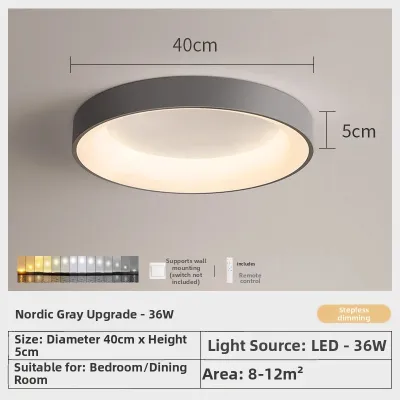
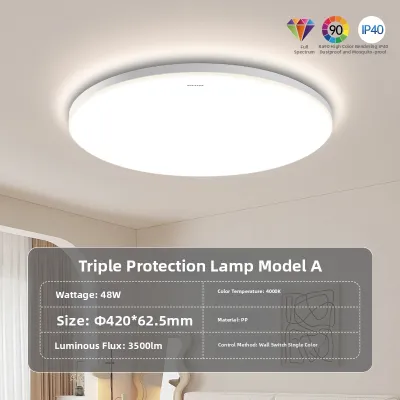
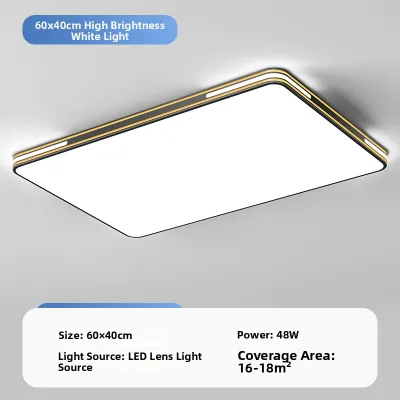
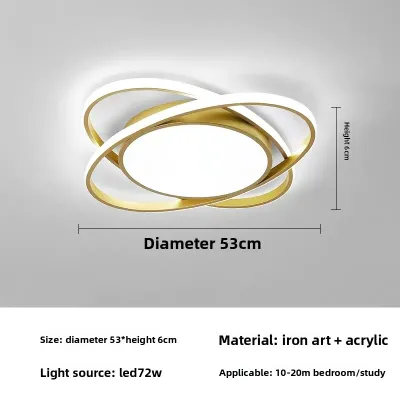
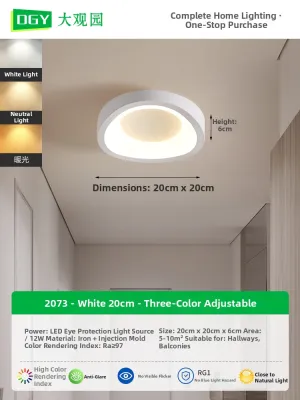
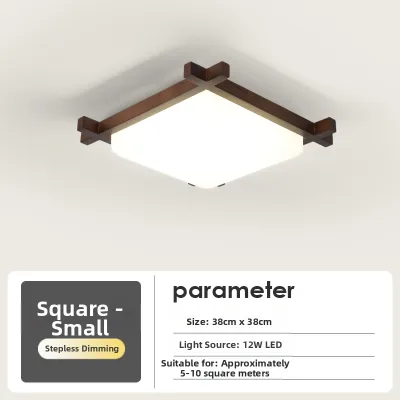
Prices are valid at publication and may change. Please refer to the product page for the latest price.
This tight integration with the ceiling surface creates an unbroken visual plane. When the eye sweeps across a room without encountering hanging obstacles, the brain perceives the space as larger and more cohesive. This clean ceiling line is particularly beneficial in open-plan condo layouts, where living, dining, and kitchen zones merge. Using low-profile flush mounts prevents the ceiling from looking like a chaotic forest of hanging fixtures, maintaining a sense of architectural simplicity and order.
Furthermore, modern design profiles have completely redefined the aesthetic appeal of flush mount lighting. For decades, flush mounts were associated with bulky, dated dome lights that offered poor light distribution and yellowed acrylic covers. Today’s modern designs feature ultra-thin profiles, frameless edge-lit panels, and architectural shapes that elevate the room’s decor. These contemporary fixtures utilize advanced materials and integrated light-emitting diode (LED) technology to deliver high-quality light from an incredibly compact footprint, proving that spatial efficiency does not require sacrificing style.
What to Look For: Sizing, Brightness, and Modern Finishes
Selecting the perfect modern flush mount requires a balance of spatial measurements, lighting physics, and interior design coordination. Because a condo ceiling is physically closer to the living space, every detail of the fixture—from its physical diameter to the quality of light it emits—will have a pronounced impact on your daily comfort.

Profile and Dimensions
When shopping for a low-ceiling condo, the “drop” or profile height of the fixture is your most critical measurement. For ceilings under 2.6 meters, aim for a fixture with a total height of 5 centimeters (2 inches) or less. This ensures that the bottom of the light remains at least 2.1 to 2.2 meters above the finished floor, providing safe clearance for walking, cleaning, and moving furniture.
To determine the ideal fixture diameter, you can use a classic interior design sizing formula. Measure the length and width of your room in feet, add those two numbers together, and convert the sum directly into inches to find the target diameter. For example, if you are lighting a compact bedroom that measures 10 feet by 10 feet (approximately 3 meters by 3 meters), the sum is 20. This indicates that a fixture with a diameter of roughly 20 inches (50 centimeters) will look proportionally balanced in the space. For narrow hallways or small bathrooms, scale down to a diameter of 20 to 30 centimeters to avoid overwhelming the area.
Light Output and Color Temperature
Because the light source in a low-ceiling room sits closer to eye level, avoiding harsh glare is paramount. Look for fixtures equipped with high-quality frosted, milky, or prismatic diffusers. These materials scatter the light rays evenly across the room, eliminating intense hot spots and reducing eye strain.
When evaluating brightness, focus on lumens rather than wattage. In a typical condo, different zones require varying levels of light output to function effectively:
- Living Rooms and Bedrooms: Aim for 20 to 30 lumens per square foot (approximately 200 to 300 lux) to create a relaxed, comfortable atmosphere.
- Kitchens, Bathrooms, and Workspaces: Aim for 50 to 70 lumens per square foot (approximately 500 to 700 lux) to ensure safe, high-visibility task lighting.
Color temperature, measured in Kelvin (K), dictates the emotional feel of the space. Warm white light (2700K to 3000K) mimics traditional incandescent bulbs, making it ideal for cozy bedrooms and living areas. Neutral white light (4000K), often called cool white, offers a clean, natural daylight balance that enhances focus and clarity in kitchens, dining areas, and bathrooms. Daylight (6000K to 6500K) provides a crisp, blue-toned light suitable for home offices or laundry closets, though it should be used sparingly in relaxation zones to prevent a cold, clinical atmosphere.
Materials and Finishes
The tropical climate of the Philippines introduces unique environmental factors, such as high relative humidity, which can accelerate the wear of interior fixtures. When choosing modern light fixtures, prioritize materials that resist corrosion and moisture. Powder-coated aluminum, polycarbonate, and brass treated with protective clear lacquers are excellent choices that stand up well to humid conditions.
From an aesthetic standpoint, match the fixture’s finish with the existing hardware in your condo to create a unified look. Matte black finishes offer a bold, graphic contrast that pairs beautifully with industrial or minimalist interiors. Brushed brass or gold finishes add warmth and a touch of luxury, working exceptionally well alongside warm wood tones and mid-century modern furniture. For an ultra-minimalist or Scandinavian look, white finishes allow the fixture to blend seamlessly into a white ceiling, keeping the focus entirely on the quality of the light itself.
Top Modern Flush Mount Ceiling Lights for Condo Living
To help you navigate the vast array of options available in local home improvement centers and online marketplaces, we have categorized the top modern flush mount designs into three distinct styles. These options are selected for their spatial efficiency, reliable performance, and contemporary visual appeal.
Minimalist and Sleek Designs
Minimalist flush mounts are designed to be as unobtrusive as possible, making them excellent choices for low-ceiling bedrooms, walk-in closets, utility areas, and hallways.
- Ultra-Thin Round LED Panels
- Design and Features: These fixtures feature an incredibly slim profile, often measuring between 1.5 to 2.5 centimeters in thickness. They utilize edge-lit LED technology, where the light-emitting diodes are mounted around the inner frame and directed through a light guide plate, resulting in a perfectly uniform, glare-free glow.
- Typical Specifications: Available in diameters ranging from 22 cm to 40 cm; power consumption of 12W to 24W; light output of 1,000 to 2,200 lumens.
- Pros: Virtually flush with the ceiling; extremely lightweight; highly energy-efficient; budget-friendly.
- Cons: Integrated LED light source means the entire fixture must be replaced if the internal driver or LEDs fail.
- Ideal Placement: Hallways, entryways, and small galley kitchens.
- Price Band: ₱1,200 – ₱2,500
- Frameless Square Flush Mounts
- Design and Features: Lacking a visible outer border, these square fixtures emit light from the very edge of the casing, creating a sleek, architectural look that mimics a natural skylight. They are perfect for modern, linear interior designs.
- Typical Specifications: 30 cm x 30 cm or 40 cm x 40 cm dimensions; 18W to 36W LED; frosted polycarbonate diffuser.
- Pros: Clean, modern aesthetic; wide beam angle that illuminates corners effectively.
- Cons: Square alignment must be perfectly straight during installation to avoid looking crooked.
- Ideal Placement: Study rooms, home offices, and modern master bedrooms.
- Price Band: ₱1,800 – ₱3,500
Statement and Geometric Styles
For living rooms and dining areas, you may want a fixture that serves as a decorative focal point. These geometric designs offer visual interest and artistic flair without dropping low into your living space.
- Interlocking Geometric Ring Lights
- Design and Features: Composed of two or three overlapping circular or rectangular rings made of aluminum and acrylic, these fixtures create a sculptural, three-dimensional effect. Because the rings are arranged horizontally, the entire fixture maintains a low profile of just 6 to 8 centimeters.
- Typical Specifications: Diameters of 45 cm to 60 cm; 36W to 60W integrated LED; available in matte black, white, or brushed gold finishes.
- Pros: High visual impact; excellent brightness for larger living spaces; unique modern design.
- Cons: More complex to dust; higher price point.
- Ideal Placement: Main living areas and dining rooms.
- Price Band: ₱3,500 – ₱7,000
- Nordic Wood-Trim Hexagonal Flush Mounts
- Design and Features: Combining natural elements with modern geometry, these fixtures feature a matte metal body (usually white or black) accented by a light-colored rubberwood or oak trim. They are highly favored in Japandi and Scandinavian-themed condos.
- Typical Specifications: Hexagonal or circular shapes; 30 cm to 50 cm diameter; replaceable E27 bulb sockets or integrated LED options.
- Pros: Adds organic warmth to minimalist spaces; coordinates well with wooden furniture.
- Cons: Wood trim requires protection from direct moisture (not suitable for bathrooms).
- Ideal Placement: Dining areas, bedrooms, and cozy dens.
- Price Band: ₱2,000 – ₱4,500
Smart and Dimmable Options
Condo living often requires single rooms to serve multiple purposes. A living room might function as a home office by day and a cozy movie room by night. Smart and dimmable flush mounts provide the flexibility needed to adjust the atmosphere instantly.
- Smart CCT and Dimming Round Flush Mounts
- Design and Features: These intelligent fixtures connect directly to your home Wi-Fi network (typically on the 2.4 GHz band) or Bluetooth. Through a dedicated mobile application or voice commands via smart home assistants, you can smoothly transition the color temperature from warm white (2700K) to daylight (6500K) and adjust the brightness from 1% to 100%.
- Typical Specifications: 30 cm to 48 cm diameter; 24W to 40W; compatible with major smart home ecosystems.
- Pros: Ultimate lighting versatility; scheduling and automation capabilities; no special wall dimmer switch required.
- Cons: Requires a stable internet connection for smart features; slightly higher initial setup complexity.
- Ideal Placement: Multi-functional living rooms, studio apartments, and master bedrooms.
- Price Band: ₱2,500 – ₱5,500
- Triac-Dimmable Architectural Flush Mounts
- Design and Features: For those who prefer traditional wall controls, these fixtures are engineered to work seamlessly with standard external LED dimmer switches (Triac dimmers). They offer smooth, flicker-free dimming to help you set the perfect mood.
- Typical Specifications: 18W to 30W; high Color Rendering Index (CRI > 90) for accurate color representation; metal housing with a high-grade acrylic diffuser.
- Pros: Reliable, hardwired control; long lifespan; superior color rendering.
- Cons: Requires the installation of a compatible wall dimmer switch (sold separately); professional wiring is highly recommended.
- Ideal Placement: Dining areas and bedrooms.
- Price Band: ₱1,500 – ₱3,800
Condo Installation Rules and Electrical Safety
Installing a new light fixture in a condominium involves unique administrative and structural considerations that differ significantly from detached residential homes. Before purchasing any fixture or scheduling an installation, it is vital to understand these boundaries to ensure safety and compliance.
First, always consult your condominium’s Property Management Office (PMO) regarding their specific house rules. Most high-rise developments require residents to submit a work permit application before any electrical or structural work is conducted. This process often requires specifying the scope of work, submitting the credentials of your installer, and scheduling the work during approved hours—typically 9:00 AM to 5:00 PM on weekdays—to minimize noise and disturbance to your neighbors.
Second, verify the electrical compatibility of your chosen fixture. The standard residential electrical system in the Philippines operates at 230 volts (V) at a frequency of 60 hertz (Hz). While many modern LED drivers are designed with wide-voltage inputs (e.g., 100V-240V), some imported fixtures may be rated strictly for 110V or 50Hz systems. Installing an incompatible fixture can cause flickering, premature driver failure, or pose a serious fire hazard. Additionally, look for local safety certifications, such as the Philippine Standard (PS) quality mark or the Import Commodity Clearance (ICC) sticker, to ensure the product has undergone rigorous safety testing.
Third, understand the structural limitations of your ceiling. High-rise condo ceilings are typically made of solid, post-tensioned concrete slabs. Drilling deep holes into these slabs is strictly regulated or entirely prohibited by PMOs, as hitting a steel tension cable can compromise the building’s structural integrity. Therefore, you must utilize the pre-existing, cast-in-place octagonal junction box provided in your ceiling. Ensure the mounting bracket of your new flush mount aligns with the screw holes of the existing junction box, and verify that the box is securely anchored to support the weight of the new fixture.
Finally, prioritize electrical safety above all else. Before attempting to remove an old fixture or install a new one, locate your condo’s main electrical panel and turn off the circuit breaker dedicated to the lighting circuit. Use a reliable voltage tester to confirm that the wires are completely dead before touching them. Because fixed electrical wiring involves working with high voltage, it is highly recommended to hire a licensed electrician or a registered master electrician. A professional will ensure correct wire splicing, proper grounding, and secure mechanical mounting, protecting your home and keeping your manufacturer’s warranty intact.
Care and Maintenance for Modern Light Fixtures
To keep your modern flush mount ceiling lights looking pristine and operating at peak efficiency, establish a regular care and maintenance routine. Over time, dust, airborne cooking oils, and small insects can accumulate on and inside the fixture, reducing its light output and affecting its appearance.
For routine cleaning, a gentle, dry approach is best. Use a clean, dry microfiber cloth or an electrostatic duster to wipe the exterior surfaces of the fixture. This is particularly important for matte black, brushed brass, or delicate metallic finishes, which can be easily scratched. Never use abrasive scrubbing pads, steel wool, or harsh chemical cleaners containing ammonia, bleach, or solvents, as these substances can strip away protective clear coats and discolor the metal or acrylic.
If the fixture’s diffuser has collected a significant amount of dust or trapped insects—a common occurrence in tropical environments—you will need to remove it for a deeper clean. First, turn off the light switch and allow the fixture to cool down completely to avoid thermal shock or burns. Carefully unlatch, unscrew, or slide the diffuser off its mounting bracket according to the manufacturer’s instructions. Wash the acrylic or glass diffuser in a sink using lukewarm water and a few drops of mild dish soap. Rinse it thoroughly with clean water and wipe it dry with a lint-free towel. Ensure the diffuser is completely dry before reattaching it to the fixture to prevent moisture from entering the electrical components.
Finally, perform a quick visual inspection of your lighting fixtures every six months. Check for any signs of flickering, buzzing, or delayed turn-on times, which may indicate that the LED driver is reaching the end of its lifespan or that a wire connection has loosened. In humid coastal regions of the Philippines, inspect the metal frames for early signs of oxidation or rust. Addressing minor issues early will extend the life of your fixtures and ensure your condo remains safely and beautifully illuminated.
Frequently Asked Questions (FAQ)
Can I install a flush mount light in a condo with a concrete ceiling?
Yes, you can install a flush mount light on a concrete ceiling, but you must work within the constraints of the existing layout. High-rise concrete ceilings contain structural steel reinforcement, meaning you cannot easily drill new holes or chisel out channels to run new wiring. You must mount the new fixture directly to the pre-installed octagonal junction box cast into the concrete slab. If you wish to position a light where no junction box exists, you have two primary options: install surface-mounted plastic or metal conduit (raceways) to carry the wires from the original box to the new location, or construct a dropped gypsum ceiling (false ceiling). A dropped ceiling creates a hollow plenum space that allows you to run new wiring and mount flush or recessed fixtures anywhere you choose without disturbing the structural concrete slab.
Are integrated LED flush mounts better than bulb-replaceable ones?
Both designs offer distinct advantages, and the best choice depends on your priorities regarding aesthetics, maintenance, and long-term costs. Integrated LED flush mounts are engineered with the light source built directly into the fixture’s internal circuitry. This design allows manufacturers to create ultra-slim, lightweight profiles (often under 2 centimeters thick) that distribute light perfectly evenly without any dark spots. They are highly energy-efficient and typically boast a lifespan of 25,000 to 50,000 hours, which translates to over a decade of normal residential use. However, if the internal LED chip or driver fails, the entire fixture must be uninstalled and replaced.
Bulb-replaceable flush mounts utilize traditional sockets, most commonly the standard E27 screw base. While these fixtures are naturally thicker to accommodate the physical size of the bulbs, they offer unmatched maintenance convenience. If a bulb burns out, you simply unscrew it and insert a new one, resulting in a much lower long-term maintenance cost. Additionally, bulb-replaceable fixtures allow you to easily change your lighting’s color temperature or brightness level at any time simply by swapping the bulbs. Choose integrated LEDs if your primary goal is a sleek, ultra-low profile design, and opt for bulb-replaceable fixtures if you prefer easy, modular maintenance.
Community discussion
Share your experience or ask a question. Comments are reviewed before publication.