
Selecting the right modern ceiling light setup for your home requires balancing style, functionality, and the unique structural characteristics of your living spaces. In the Philippines, where home designs range from high-ceilinged townhouses to compact condominiums, track lighting offers an incredibly versatile solution. By allowing you to position, angle, and customize individual light sources along a single electrical run, track systems can adapt to the specific needs of every room.
The most effective track light configuration depends heavily on how you use each space. A living room benefits from a flexible layout that combines ambient warmth with focused accent lighting. A kitchen demands bright, shadow-free task lighting positioned directly over work zones, while a bedroom requires indirect, glare-free illumination to foster relaxation.
Before purchasing any fixtures, understanding your ceiling structure, electrical capacity, and the physical layout of your rooms is essential. This guide breaks down how to plan, configure, and install modern track lighting across different areas of your home to achieve a cohesive and highly functional lighting design.
Products mentioned in this guide

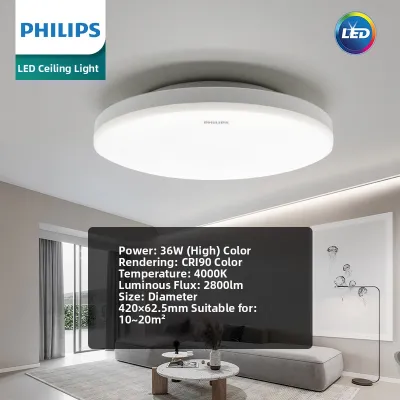
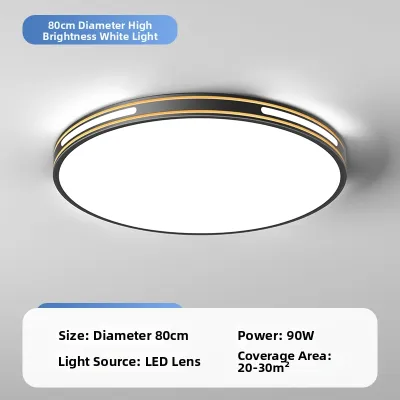
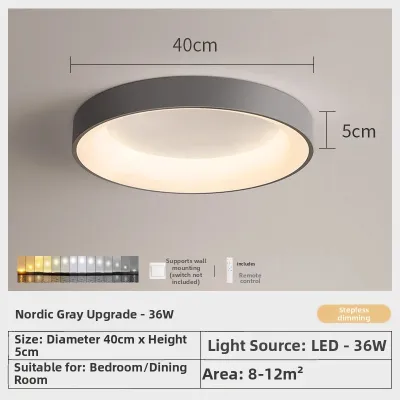
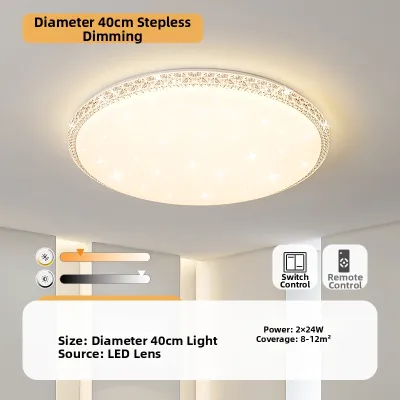
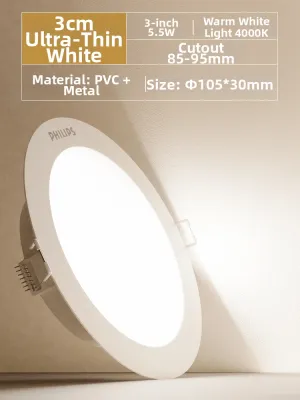
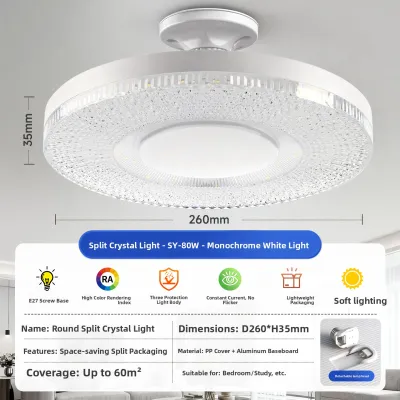
Prices are valid at publication and may change. Please refer to the product page for the latest price.
Evaluating Ceiling Structure and Electrical Readiness
Before selecting your fixtures, you must inspect the ceiling material where the track will be mounted. Many homes in the Philippines feature solid concrete slab ceilings, particularly on ground floors or in high-rise condominium units. Mounting a track system directly onto concrete requires specialized masonry anchors, a hammer drill, and surface-mounted conduit to route the wiring safely from the existing junction box.
In contrast, homes with suspended drop ceilings, plasterboard, or gypsum board require a different mounting strategy. These hollow ceiling structures cannot support the weight of a fully loaded track system on their own. You must locate the underlying metal furring channels or wooden joists using a stud finder, then secure the track directly into these structural supports to prevent sagging.
Next, verify the location and capacity of your existing junction box. A standard ceiling junction box is typically wired for a single central light fixture. While a track system can easily connect to this single point using a live-end feed connector, you must ensure the total wattage of all planned track heads does not exceed the capacity of the existing electrical circuit.
If your project involves routing new wiring through solid concrete, installing a completely new circuit breaker, or mounting heavy suspended tracks on high ceilings, stop and consult a licensed electrician. Working with fixed electrical wiring poses safety risks, and professional installation ensures compliance with local electrical codes. Always turn off the power at the main circuit breaker before inspecting or touching any electrical connections.
Designing Living Room Layouts for Ambient and Accent Lighting
The living room is often the most versatile space in a Filipino home, serving as a family gathering area, an entertainment hub, and a place to welcome guests. To accommodate these diverse activities, your track light layout should offer maximum flexibility. Linear tracks are suitable for narrow rooms or for highlighting a single feature wall, such as a television console or a gallery of family photos.

For larger, open-concept living and dining areas, L-shaped or U-shaped track configurations provide broader coverage. These layouts allow you to run a single continuous track that wraps around the room, letting you direct light to different functional zones simultaneously. You can position some track heads to illuminate the sofa area while directing others toward the dining table or a display cabinet.
To achieve a balanced atmosphere, plan a mix of different beam angles along your track. Wide-beam spotlights are excellent for ambient lighting; by angling them toward light-colored walls, you can create a soft “wall washing” effect that bounces light back into the room, making the space feel larger. Complement these with narrow-beam spotlights to draw attention to specific architectural features, indoor plants, or artwork.
The finish and style of your track system should complement your overall interior design. Matte black tracks and spotlight housings offer a bold, contemporary look that pairs well with industrial or modern minimalist aesthetics. Clean white tracks, on the other hand, blend seamlessly into white plaster ceilings, providing a clean, unobtrusive look that keeps the visual focus entirely on the light itself.
Configuring Kitchen Track Setups for Task Illumination
Kitchens require highly functional, bright illumination to ensure safety and precision during food preparation and cooking. A common mistake in kitchen lighting is relying on a single central ceiling fixture, which often results in the user casting a shadow over the countertop while working. Track lighting solves this by allowing you to position multiple light sources exactly where they are needed.
To prevent shadows, mount the track parallel to your countertops, positioning it slightly in front of your standing position rather than directly behind you. This ensures that the light shines directly onto the prep surface without being blocked by your body. If you have overhead cabinets, angle the track heads so the light washes under the cabinets, or combine the track system with under-cabinet LED strip lights for complete coverage.
When selecting track heads for the kitchen, pay close attention to the color rendering index (CRI) listed on the product specifications. A high CRI of 90 or above is highly recommended for cooking areas. High CRI lighting ensures that the natural colors of fresh ingredients, meats, and vegetables are represented accurately, helping you judge freshness and cook food properly.
Additionally, consider the environmental conditions of a tropical kitchen. High humidity, cooking steam, and grease can accumulate on ceiling fixtures over time. Check the manufacturer’s guidelines for ingress protection (IP) ratings, and ensure your track system is installed at a safe distance from sinks and high-heat cooking ranges to prevent moisture damage and simplify regular cleaning.
Planning Bedroom Arrangements for Glare-Free Relaxation
The bedroom is a sanctuary for rest, meaning the lighting design must prioritize comfort and the prevention of harsh glare. Installing a track light directly over the bed with downward-pointing spotlights can create an uncomfortable, harsh environment when you are trying to wind down. Instead, the track should be positioned along the perimeter of the room.
Aim the track heads toward the walls, wardrobe doors, or decorative elements rather than toward the bed itself. Bouncing the light off these vertical surfaces creates a soft, indirect glow that illuminates the room gently without shining directly into your eyes. This indirect lighting technique helps signal to your body that it is time to rest.
To enhance the room’s versatility, incorporate dimmable track heads or compatible smart bulbs. This allows you to adjust the brightness levels based on the time of day, providing bright, clear light when you are getting dressed in the morning and a low, warm glow as you prepare for sleep at night. Ensure that your track system is compatible with the specific dimmer switches installed in your wall.
Color temperature plays a critical role in bedroom relaxation. Opt for warm white light, typically between 2700K and 3000K, for the main ambient track heads to create a cozy atmosphere. If you enjoy reading in bed, you can add a single adjustable spotlight with a slightly narrower beam directed specifically at your reading corner, allowing you to focus light exactly where you need it without disturbing a sleeping partner.
Ensuring Cross-Room Compatibility and Smart Control
If you plan to install track lighting in multiple rooms, standardizing your system can offer significant long-term benefits. Choosing a consistent track profile—such as the widely used H-type, J-type, or L-type standards—allows you to easily swap track heads between the living room, kitchen, and bedroom as your styling preferences or lighting needs evolve over time.
Before finalizing your purchase, check the product labels to ensure compatibility with your existing home infrastructure. If you plan to integrate your lights with a smart home ecosystem or use wall-mounted dimmers, verify that both the track heads and the bulbs are rated for dimming. Non-dimmable LED track heads connected to a dimmer switch can suffer from annoying flickering, buzzing, or premature driver failure.
For many homeowners, upgrading the lighting throughout an entire house all at once may not be practical. Planning a phased installation allows you to focus on high-priority areas first, such as the living room or kitchen, while ensuring that the track system you choose is a standard, widely available model. This guarantees that you can easily purchase matching tracks, connectors, and additional heads when you are ready to expand the system to other rooms in the future.
Frequently Asked Questions (FAQ)
Can I install a modern track light on a low or sloped ceiling?
Yes, track lighting can be adapted to non-standard ceilings, but you must check the manufacturer’s specifications for clearance and mounting accessories. For low ceilings, choose low-profile, surface-mounted tracks and compact track heads to maximize headroom and prevent physical obstruction. For sloped or vaulted ceilings, you will need specialized sloped-ceiling adapters or suspension kits that allow the track to hang level and secure.
How do I clean and maintain track light heads without damaging the finish?
To clean your track light system safely, always turn off the power at the main circuit breaker and allow the fixtures to cool completely. Use a dry, soft microfiber cloth to gently wipe away dust and dirt from the track and the exterior of the track heads. Avoid using wet cloths, harsh chemical cleaners, or abrasive scrubbing pads, as these can damage the protective finish and interfere with the electrical contacts inside the track.
Are track light heads interchangeable between different modern ceiling light brands?
Track light heads are only interchangeable if they share the same track standard and circuit design. The three most common standards are H-type, J-type, and L-type, and a head designed for one system will not fit or function safely on another. Always check the connector pin configuration on the track head and match it to your track type before purchasing, and never attempt to force incompatible parts together.
Community discussion
Share your experience or ask a question. Comments are reviewed before publication.