
When planning a home entertainment space, finding the right bar lights modern design is essential to creating a sophisticated, lounge-like atmosphere. In the Philippines, where hosting friends and family is a central part of the culture, a well-lit home bar serves as the ultimate gathering spot. Modern track lighting has emerged as the premier solution for this space, offering unparalleled flexibility to highlight premium bottles, illuminate prep surfaces, and set a relaxed, inviting mood. By utilizing adjustable fixtures, modular tracks, and advanced LED technology, these systems allow you to customize your space’s atmosphere on the fly. Whether you are designing a sleek condo bar in Metro Manila or a spacious entertainment lounge in a tropical villa, selecting the right track lights ensures your home bar looks polished, feels comfortable, and functions seamlessly.
Why Track Lighting Delivers the Ultimate Bar Lights Modern Design
Track lighting systems offer a level of adaptability that traditional fixed ceiling lights simply cannot match. In a home bar environment, the layout of furniture, stools, and decor can change over time. Track lighting allows you to reposition, slide, and re-angle individual light heads along a live track without any need for rewiring. If you decide to rearrange your seating or add a new piece of art to the back wall, you can redirect your light source in seconds to accommodate the new layout. This dynamic capability makes track systems an exceptionally practical investment for modern, evolving homes.
Beyond sheer flexibility, track lighting is the most effective way to establish distinct lighting zones within a compact space. A successful home bar relies on three layers of light: task lighting for the counter where drinks are prepared, accent lighting to make glassware and bottles sparkle, and ambient lighting to soften the overall room. Track systems allow you to achieve all three layers simultaneously from a single electrical ceiling outlet. You can point one spotlight directly down onto the cutting board, aim another at the liquor display, and bounce a third off a nearby wall to create a soft, indirect glow that relaxes your guests.
Products mentioned in this guide
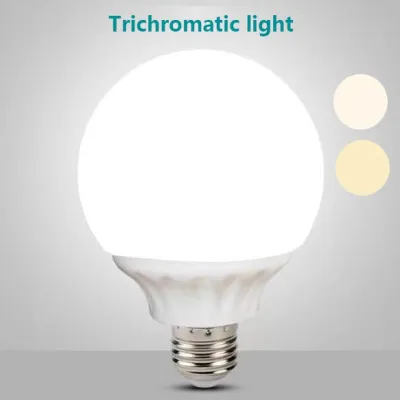
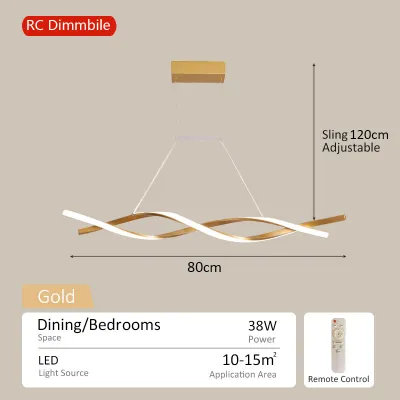
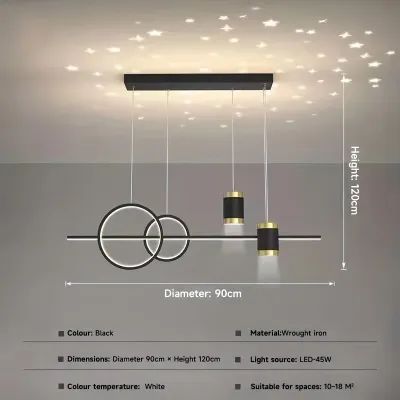
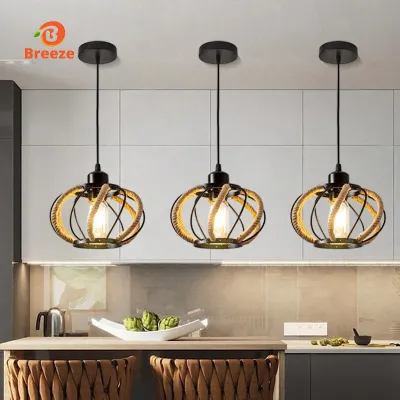
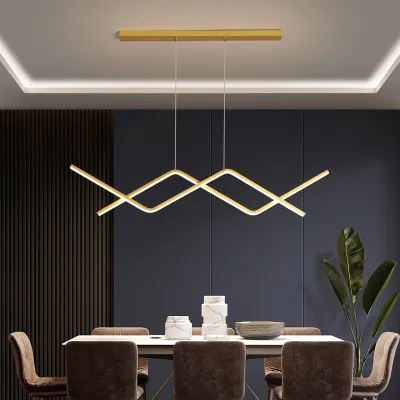
Prices are valid at publication and may change. Please refer to the product page for the latest price.
From an aesthetic standpoint, modern track profiles complement contemporary Philippine interior designs without adding visual clutter. Traditional recessed can lights often require extensive ceiling modification, which can be challenging in Philippine homes that frequently feature solid concrete slab ceilings. Track lighting solves this issue by requiring only a single junction box while distributing light across several meters of space. The sleek, linear profiles of modern tracks—especially in matte black, sandblasted white, or brushed metallic finishes—act as architectural design elements themselves, adding a clean, structured line to the ceiling that enhances the feeling of height and modern sophistication.
Essential Specs for Modern Bar Track Lights
Selecting the perfect track lighting system requires a solid understanding of both technical and visual specifications. Because a home bar is primarily a space for relaxation and sensory enjoyment, the quality of light is just as important as the design of the fixture itself.

Color Temperature To create a warm, cozy, and inviting bar atmosphere, look for fixtures with a color temperature between 2700K and 3000K. This range produces a warm white light that mimics the soft glow of classic incandescent bulbs or high-end hotel lounges. Avoid cool white light (4000K to 6500K) in a bar setting, as high color temperatures can make the space feel clinical, cold, and uncomfortable for long periods of lounging. Warm lighting enhances the natural wood tones of bar counters and creates a relaxing environment that encourages conversation.
Color Rendering Index (CRI) The Color Rendering Index measures how accurately a light source reveals the true colors of objects compared to natural sunlight. For a home bar, choosing fixtures with a CRI of 90 or higher is highly recommended. High-CRI lighting ensures that the rich colors of cocktails, spirits, garnishes, and glassware look vibrant and appetizing. Under low-CRI light, a deep red wine or a bright citrus garnish can appear dull, greyish, and unappealing, detracting from the premium experience of your home bar.
Beam Angle Different tasks require different spreads of light, which is determined by the beam angle of the bulb or fixture. For highlighting specific bottles on your back-bar shelving or emphasizing decorative artwork, choose narrow beam angles between 15 and 24 degrees. These tight beams create dramatic, focused pools of light that draw the eye. For general illumination across the bar counter where you prepare drinks and guests sit, opt for wider beam angles between 36 and 60 degrees. These wider beams provide a softer, more even spread of light that minimizes harsh shadows.
Track Compatibility When purchasing track lights, you must ensure that the track rails and the fixture heads are compatible. Traditional line-voltage track systems generally fall into three standard types: H-type (Halo), J-type (Juno), and L-type (Lightolier). These systems are not interchangeable, meaning an H-type fixture will not fit into a J-type track. Alternatively, modern low-voltage magnetic track systems operate on 24V or 48V DC power and offer a completely different, highly modular interface where fixtures click in magnetically. Always verify the track standard before buying additional fixtures.
Electrical Specifications and Environment In the Philippines, the standard residential electrical supply is 220V AC at 60Hz. It is vital to verify that any track lighting system, LED driver, or bulb you purchase is rated for this specific voltage and frequency. Imported fixtures designed for 110V markets will fail immediately and pose a severe fire hazard if connected directly to a local 220V line. Additionally, look for local safety certifications such as the Philippine Standard (PS) mark or the Import Commodity Clearance (ICC) sticker to ensure the electrical components meet local safety regulations. High-quality LED drivers are also essential for preventing flickering, which can be exacerbated by local voltage fluctuations. Furthermore, in the humid tropical climate of the Philippines, it is wise to select track fixtures with high-quality powder-coated aluminum or rust-resistant composite finishes. Standard steel fixtures can degrade or rust quickly when exposed to high ambient humidity in non-air-conditioned spaces.
Top Modern Track Light Designs for Home Bars
Modern track lighting has evolved far beyond the bulky, industrial fixtures of the past. Today, homeowners can choose from several sophisticated design configurations that elevate the aesthetic value of a home bar while delivering precise illumination.
Magnetic Track Systems with Modular Spotlights
Magnetic track systems represent the cutting edge of modern architectural lighting design. These low-voltage systems feature a continuous magnetic channel that can be recessed flush into drywall ceilings, surface-mounted on concrete slabs, or suspended from high ceilings. The primary advantage of magnetic tracks is their tool-free modularity. You can easily insert, remove, slide, and swap out different lighting modules—such as linear ambient bars, adjustable spotlights, and decorative pendants—with a simple click.
For minimalist and ultra-modern home bars, magnetic tracks are an exceptional choice. The track itself virtually disappears into the ceiling, leaving only clean, dark lines that define the architectural space. Because the system operates on safe, low-voltage DC power (usually 24V or 48V via a hidden transformer), you can safely adjust and move the light modules while the power is on. This level of adaptability allows you to completely transform your bar’s lighting scheme from a bright, functional workspace to a moody, dim lounge in a matter of seconds.
Linear Tracks with Integrated Pendant Modules
If you want the functional utility of track lighting but still desire the classic look of decorative hanging lights, a hybrid linear track with integrated pendant modules offers the perfect compromise. This setup utilizes a standard or magnetic track running along the length of your bar counter. Instead of using only spotlights, you can attach specialized pendant adapters to the track, allowing you to hang elegant, modern pendant lights directly over the seating area.
This design is highly recommended for kitchen-island-style home bars or spaces with high ceilings. The hanging pendants drop down to create an intimate, low-level pool of light over the counter, defining the social zone and preventing glare from reaching the eyes of seated guests. Meanwhile, on the very same track rail, you can position adjustable spotlights pointed toward the back wall to wash it with soft light or highlight a wine rack. This dual-purpose capability eliminates the need to install separate ceiling boxes for different fixture types, keeping your ceiling clean and organized.
Adjustable Gimbal Spotlights on Standard Tracks
For a classic, highly functional, and cost-effective modern setup, adjustable gimbal spotlights on standard line-voltage tracks remain an excellent choice. Modern versions of these fixtures feature sleek, compact cylindrical or conical shapes made from high-quality materials like sandblasted aluminum or brushed brass. The gimbal design allows the fixture head to rotate 360 degrees and tilt up to 90 degrees, giving you complete control over the direction of the light.
To ensure maximum visual comfort in a home bar, look for gimbal spotlights that feature deep-recessed light sources or anti-glare accessories like honeycomb louvers. These design features block the direct view of the LED chip from the side, preventing uncomfortable glare from shining into your guests’ eyes while they are sitting at the bar. Standard track spotlights are incredibly efficient at highlighting back-bar shelving, bottle displays, and wall-mounted artwork, making them a versatile workhorse for any home bar design.
Planning Your Home Bar Lighting Layout
A successful home bar lighting layout requires careful planning to ensure that light is distributed exactly where it is needed without creating uncomfortable glare or dark, unusable zones.
Step-by-Step Zoning Begin by dividing your home bar into three distinct functional zones. The first zone is the preparation area, which requires focused task lighting so the bartender can safely slice ingredients, read recipes, and pour drinks. Place track heads directly above this workspace, aiming them downward. The second zone is the back bar, where your liquor bottles, glassware, and decorative elements are displayed. Use narrow-beam spotlights aimed at a steep angle to make the glass and liquid shimmer. The third zone is the guest seating area, which requires soft, low-level ambient light. Avoid pointing spotlights directly at the bar stools; instead, use indirect lighting or low-wattage pendants to keep this area cozy.
Calculating Fixtures and Wattage To determine the right number of track heads, consider the length of your bar and the height of your ceiling. For a standard 1.5-meter to 2-meter bar counter, a single 2-meter track rail is usually sufficient. On this track, installing three to five LED spotlight heads rated between 5W and 12W each will provide ample light without overwhelming the space. If your ceiling is exceptionally high (over 3 meters), you may need slightly higher wattage fixtures or suspended tracks to bring the light closer to the surfaces.
Angling to Prevent Glare One of the most common mistakes in home bar lighting is angling spotlights so that they shine directly into the eyes of seated guests or the bartender. To prevent this, always aim spotlights at an angle of approximately 30 degrees relative to the vertical plane. Avoid placing the track rail directly behind the bar stools, as this will cause the guests’ bodies to cast harsh shadows over the counter when they lean forward. Instead, mount the track slightly forward of the counter edge, pointing back toward the work area and display shelves.
Installation and Safety Considerations
Installing track lighting, particularly in a home bar environment where water and electricity are in close proximity, requires strict adherence to safety standards and structural guidelines.
Structural Support and Weight Limits Before mounting any track system, it is essential to verify the structural integrity of your ceiling. Standard aluminum track rails are relatively lightweight, but modern magnetic tracks, heavy brass spotlights, and suspended pendant modules can add significant weight. Ensure that the track is securely anchored into ceiling joists, metal studs, or concrete slabs using appropriate heavy-duty masonry anchors or toggle bolts. Never rely solely on plasterboard or drywall to support the weight of a fully loaded track system. Additionally, always check the manufacturer’s specifications for the maximum mechanical weight and electrical wattage load capacity of the track rail before adding fixtures.
Electrical Safety and Professional Installation Because the Philippines uses a 220V electrical system, hardwiring track lights involves working with high voltage that can be hazardous if mishandled. For any fixed wiring installation, modification, or connection to your home’s main electrical panel, it is highly recommended to hire a licensed, qualified professional electrician. A professional will ensure that the system is properly grounded, which is a critical safety requirement for wet bar areas where spilled liquids or sink plumbing are present.
Before performing any inspection, maintenance, or installation work on your track lighting system, always isolate the power by turning off the main circuit breaker at your home’s electrical panel. Never rely solely on the wall switch to cut the power, as some switches may only break the neutral wire, leaving the live wire active and dangerous. Always follow the manufacturer’s provided installation instructions and verify that all connections are tight and insulated. If you encounter conflicting instructions or are unsure about your ceiling’s wiring configuration, stop immediately and consult a professional.
Frequently Asked Questions (FAQ)
Can I mix spotlights and pendants on the same track?
Yes, you can mix spotlights and pendants on the same track, provided the track system and the fixtures are designed to support this configuration. Many modern magnetic track systems offer dedicated pendant modules that click directly into the same magnetic rail alongside spotlight heads. For standard line-voltage tracks (such as H-type tracks), you will need to purchase specialized track-to-pendant adapters that match your specific track standard. When mixing fixture types, ensure that the total wattage of all connected lights does not exceed the track’s maximum electrical capacity, and maintain visual balance by spacing the pendants evenly over the counter while using the spotlights for accent lighting on the sides.
What is the ideal height for track lights above a home bar counter?
For track-mounted pendant lights or low-hanging spotlights, the ideal clearance is typically 30 to 36 inches (approximately 76 to 91 centimeters) above the surface of the bar counter. This height provides excellent task illumination for preparing drinks while keeping the fixtures high enough to prevent guests from bumping their heads or having their line of sight blocked. If you are using standard track spotlights mounted flat against a standard 9-foot ceiling, the fixtures will remain high above the counter, and you should rely on adjusting the beam angles and tilt to direct the light downward without creating uncomfortable glare.
Community discussion
Share your experience or ask a question. Comments are reviewed before publication.