
To light a narrow hallway in a Filipino home effectively, the best modern wall lamps are slim-profile, flush-mount, or recessed fixtures that protrude no more than four inches from the wall. These compact designs provide adequate, glare-free illumination while keeping walking paths entirely clear. Choosing a wall lamp indoor modern fixture allows you to reclaim floor and ceiling space while casting a soft, welcoming glow that makes tight corridors feel more open and inviting.
Why Tight Corridors Require Space-Saving Wall Sconces
Many typical Filipino homes, especially townhouse layouts in urban areas or modern subdivision houses, feature long, narrow corridors designed to maximize the footprints of bedrooms and living areas. These transitional spaces are high-traffic zones, yet they are frequently neglected when it comes to lighting design. Installing bulky, protruding fixtures in these areas presents a daily physical hazard. Passing through a tight corridor with laundry baskets, groceries, or young children becomes a game of constant avoidance, increasing the risk of bumps, bruises, or damaged fixtures.
Beyond the physical risks, poor lighting in compact spaces can significantly impact the atmosphere of your home. A single harsh overhead light or an unshielded bulb can make a narrow corridor feel cavernous, sterile, or claustrophobic. Deep shadows on the walls draw the boundaries inward, making the space feel even tighter than it actually is. Modern wall sconces solve this issue by distributing light along the vertical surfaces of the wall, which softens shadows and visually expands the boundaries of the corridor. By layering light horizontally rather than relying solely on vertical downward beams, you transform a purely functional transition zone into a warm, architecturally interesting passage.
Products mentioned in this guide
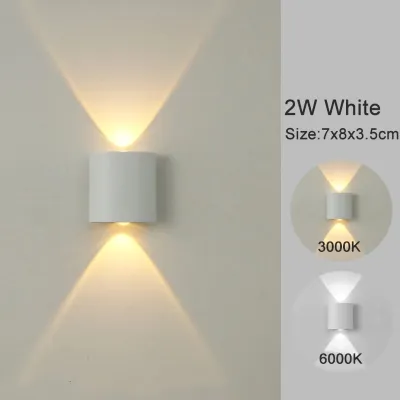
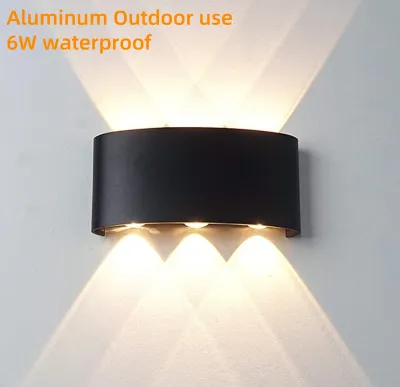
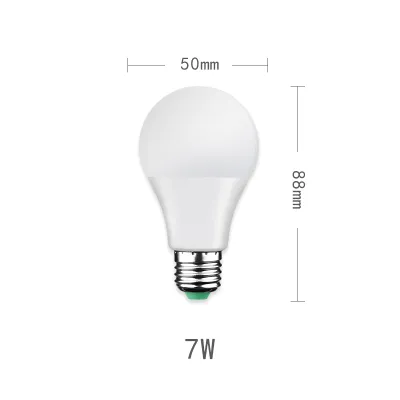
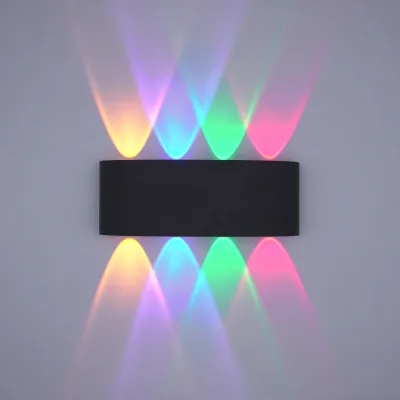
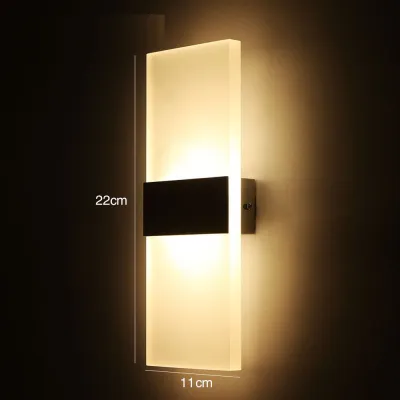
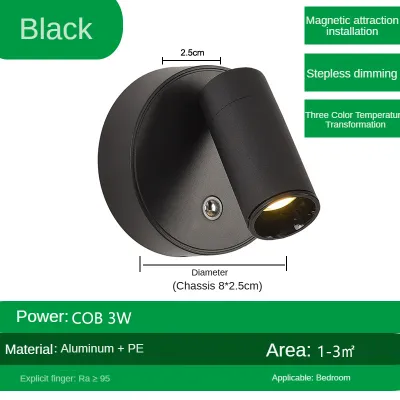
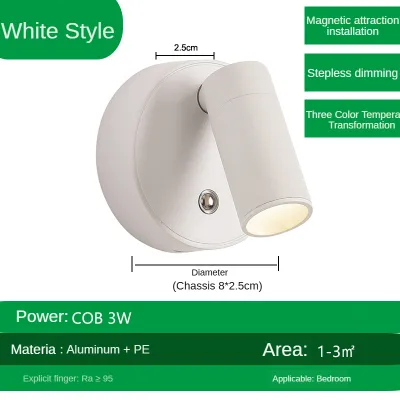
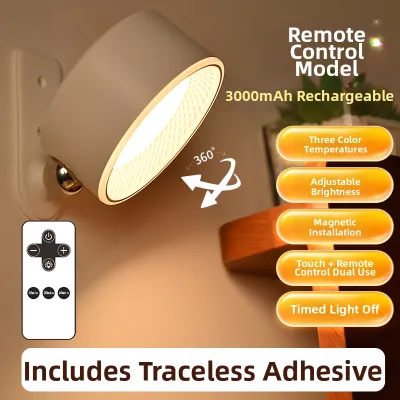
Prices are valid at publication and may change. Please refer to the product page for the latest price.
Key Features to Look for in Modern Hallway Wall Lamps
Selecting the right fixture for a narrow corridor requires balancing physical clearance, visual comfort, and functional brightness. Not all modern fixtures are suited for tight spaces, so understanding key specifications is essential before making a purchase.

Size, Protrusion, and Profile
Before purchasing any wall lamp indoor modern fixture, check the manufacturer’s specification sheet for its exact depth, which is the distance the fixture protrudes from the wall. To maintain a clear and safe walking path, look for slim-profile or flush-mount designs that protrude four inches or less. When measuring your hallway, remember to account for adjacent doors, cabinet panels, and switch plates. A door swinging into the corridor can easily strike a protruding lamp, leading to cracked plaster or broken glass. Ensuring the fixture sits close to the wall surface prevents these accidental impacts and keeps the pathway completely unobstructed.
Light Direction and Glare Control
Because a narrow hallway places you in close physical proximity to the light source, glare control is a critical factor for visual comfort. Exposed bulbs or omnidirectional fixtures can be blinding at close range, causing eye strain every time you walk past. Instead, look for fixtures that offer indirect lighting, such as up-and-down lights or sconces with frosted or opaque diffusers. Up-and-down designs direct their light beams toward the ceiling and floor, using the wall itself to reflect and soften the illumination. This indirect approach eliminates harsh hotspots and creates a smooth, even wash of light that makes the entire corridor feel brighter and more spacious.
Brightness and Color Temperature
A hallway requires functional navigation light rather than intense task lighting. Selecting bulbs with excessive lumens can make a tight space feel overwhelming and clinical. Instead, opt for low-to-medium wattage LED fixtures that provide gentle, ambient illumination. For color temperature, check the product labels for neutral white (around 4000K) or warm white (around 3000K) options. Neutral white offers excellent clarity and a clean, contemporary feel, while warm white creates a cozy and inviting atmosphere. While color temperature is a matter of personal preference, avoiding cool blue light (6000K and above) is generally recommended for residential corridors to maintain a welcoming environment.
Top Modern Wall Lamp Styles for Narrow Spaces
Modern lighting design offers several space-saving styles that combine aesthetic appeal with high physical efficiency. Choosing the right style depends on your wall structure and your home’s overall design theme.
Flush-Mount and Recessed LED Sconces
For the tightest corridors, flush-mount and recessed LED sconces provide the ultimate low-profile lighting solution. Recessed wall lights are installed directly inside the wall cavity, leaving the face of the fixture virtually flat against the drywall or plaster. While recessed lights require careful planning and professional installation—particularly in solid concrete or concrete hollow block walls common in Philippine construction—they completely eliminate the risk of physical obstruction. For a simpler installation, ultra-thin flush-mount LED panels offer a similar minimalist look, sitting extremely close to the wall surface without requiring deep structural cutouts.
Slim Cylinder and Tube Sconces
Slim cylinder and tube sconces are a popular choice for modern minimalist interiors. These fixtures feature a narrow, vertical or horizontal profile that fits easily into tight wall segments, such as the spaces between bedroom doors or next to a hallway mirror. Because they concentrate light upward and downward, they highlight the vertical texture of your walls while keeping the horizontal protrusion to a minimum. This directional lighting helps draw the eyes upward, creating an optical illusion of height in corridors with lower ceilings.
Minimalist Linear and Geometric Sconces
Linear LED bars and geometric sconces, such as thin metal rings or rectangular frames, serve as both functional lighting and modern wall art. A long, horizontal linear sconce can wash a broad section of the wall with light, visually lengthening a short corridor. A vertical linear bar adds a sleek, architectural element to the space. By casting light along the wall’s surface rather than directly outward, these geometric fixtures create a soft “wall-washing” effect that makes tight boundaries feel less restrictive and more expansive.
Placement and Safe Installation Guidelines
Achieving the perfect balance of light in a narrow hallway depends heavily on proper placement and safe installation practices. Following standard design guidelines ensures your fixtures look balanced and perform optimally.
Mounting Height
As a general rule of thumb, wall sconces should be mounted so that the center of the fixture is approximately 60 to 66 inches (about 1.5 to 1.7 meters) above the finished floor. This height keeps the light source roughly at eye level for most adults, preventing you from looking directly down into an unshielded bulb. However, you should adjust this height based on your home’s ceiling height and the specific design of the fixture to ensure the light is distributed evenly.
Spacing
In a long corridor, a single wall lamp will create harsh pools of light and dark, shadowy corners. To ensure consistent, safe illumination, space your wall sconces evenly along the hallway, typically 6 to 8 feet (approximately 1.8 to 2.4 meters) apart. If your hallway has doors that open outward, you may need to stagger the fixtures on opposite walls to avoid interference while maintaining an even light distribution.
Clearance Checks
Before you begin drilling or cutting into your walls, conduct a thorough clearance check. Map out the locations of nearby light switches, door frames, ventilation grilles, and any built-in hallway cabinets. Ensure that the physical body of the lamp will not interfere with the movement of doors or cabinet panels.
Electrical Safety
Electrical standards and safety are paramount when installing fixed lighting. The standard residential electrical system in the Philippines operates at 230V and 60Hz. Before purchasing any modern wall lamp, verify the voltage rating on the product’s label to ensure compatibility. Look for local safety certifications, such as the Philippine Standard (PS) mark or the Import Commodity Clearance (ICC) sticker, which indicate that the product has undergone safety testing.
For hardwired installations, always turn off the power at the main circuit breaker before handling any wiring. Because many homes in the Philippines feature solid concrete walls, routing new electrical conduits for hardwired fixtures can be complex and labor-intensive. Always follow the manufacturer’s installation instructions and check the product label. If you are retrofitting fixtures, working with fixed wiring, or dealing with concrete wall channeling, strongly consider hiring a licensed local electrician to ensure compliance with the Philippine Electrical Code (PEC) and to guarantee a safe, durable installation.
Frequently Asked Questions (FAQ)
Can I install wall sconces if my hallway has no existing wiring?
Yes, you can still enjoy the benefits of modern wall lamps without undergoing a major wall-channeling renovation. Plug-in wall sconces are an excellent alternative; they mount to the wall and plug directly into a nearby standard outlet. To keep the look clean and modern, use paintable cord covers to conceal the dangling wire against your wall. Another option is battery-operated or rechargeable LED sconces, which require no wiring at all. These are highly renter-friendly and can be easily mounted using heavy-duty adhesive strips or small screws.
How do I clean and maintain modern wall lamps in humid conditions?
The tropical climate of the Philippines brings high humidity, which can affect the metal finishes and electrical components of your fixtures over time. To clean your wall lamps safely, always isolate the power first by turning off the wall switch or the main breaker. Use a dry or slightly damp microfiber cloth to gently wipe away dust and insect debris. Avoid using harsh chemical solvents, abrasive pads, or glass cleaners on modern matte black, brass, or painted finishes, as these can strip the protective coating. If your hallway is near an open entryway, window, or semi-outdoor area exposed to wind-driven rain, verify that the fixture has an appropriate Ingress Protection (IP) rating (such as IP44 or higher) to protect against dust and moisture.
Should I use dimmable wall lamps in a hallway?
Dimmable wall lamps are highly beneficial for transitional spaces like hallways. They allow you to transition from bright, clear lighting during the active hours of the day to a soft, low-level glow at night, which acts as a gentle nightlight for family members navigating to the bathroom or kitchen. If you choose to install a dimmable system, verify that both the LED fixture (or the LED bulb) and the wall-mounted dimmer switch are explicitly labeled as compatible. Using incompatible dimmers can lead to annoying flickering, buzzing noises, or premature failure of the LED driver.
Community discussion
Share your experience or ask a question. Comments are reviewed before publication.