
Mother of pearl tiles are premium decorative surfaces made from the iridescent inner layer of mollusk shells, prized for their organic luster and unique ability to reflect light. In the Philippines, these tiles are deeply connected to the local heritage of harvesting and processing capiz shells. These natural tiles transform walls, backsplashes, and accents into luminous focal points, but choosing and installing them requires a clear understanding of their physical properties, artisanal origins, and specific maintenance needs.
What Are Mother of Pearl Tiles?
These decorative tiles are composed of nacre, the organic-inorganic composite material that forms the inner lining of certain shells. This nacreous layer is built of microscopic aragonite platelets bound together by organic proteins, which scatter light in a way that produces a soft, shifting rainbow of colors. This natural optical phenomenon, known as iridescence, gives the tiles a luminous quality that synthetic materials struggle to replicate.
In the interior design market, mother of pearl tiles are typically offered as mosaic sheets. Individual shell pieces, or tesserae, are arranged in various patterns such as classic squares, running bonds, hexagons, herringbone, and intricate basketweaves. Because the shells themselves are relatively thin, these individual pieces are usually mounted onto a flexible mesh backing, making them easier to handle and install on flat or slightly curved surfaces.
Products mentioned in this guide
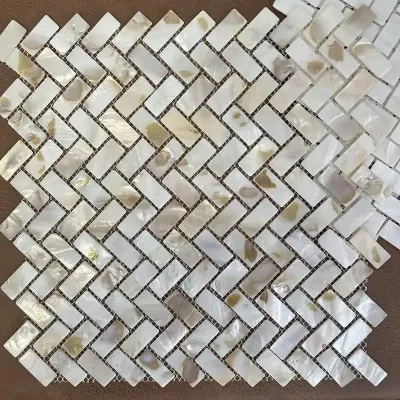
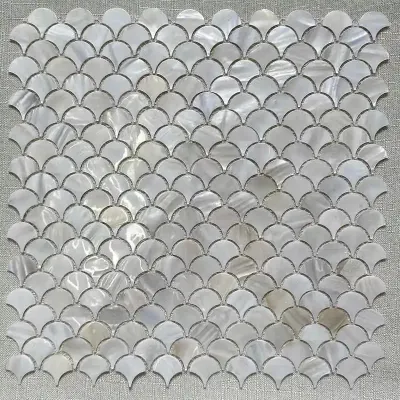
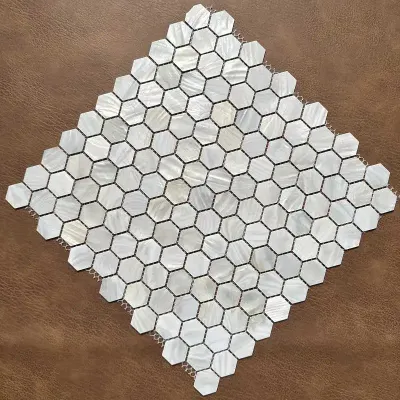
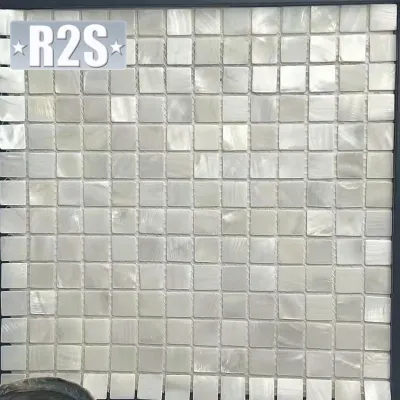
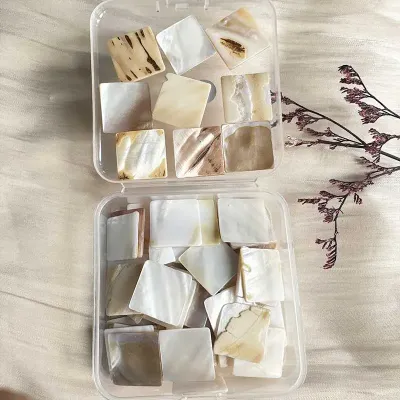
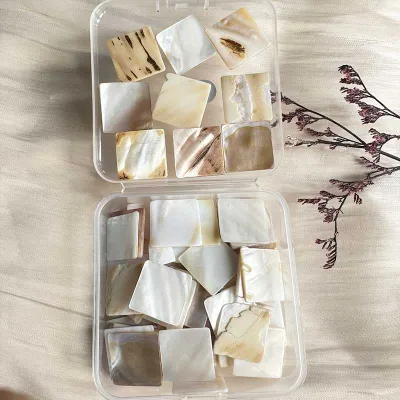
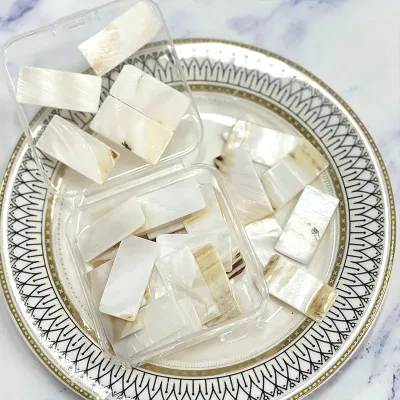
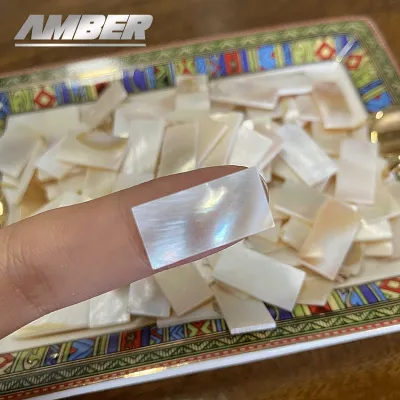
Prices are valid at publication and may change. Please refer to the product page for the latest price.
Distinguishing genuine shell tiles from synthetic or resin-based imitations is crucial for setting expectations regarding durability and appearance. Natural shell tiles possess a distinct depth of color, subtle variations in texture, and a cool-to-the-touch temperature. Synthetic alternatives, often made from cast polyester or acrylic resins, tend to have perfectly uniform patterns, a warmer feel, and a flat, superficial shine that lacks the multi-dimensional glow of authentic nacre.
The Link Between Capiz Shells and Mother of Pearl
While mother of pearl can be sourced from various marine mollusks, including abalone and pearl oysters, the capiz shell is the primary raw material used for these tiles in the Philippines. The capiz shell comes from the windowpane oyster (Placuna placenta), a bivalve marine mollusk that thrives in the shallow, muddy coastal waters of the archipelago. Historically, these flat, semi-translucent shells were cleaned and framed to serve as windowpanes in traditional Spanish-colonial houses, earning them a permanent place in local architectural history.

The term “mother of pearl” is often used interchangeably with capiz shell tiles, but technically, mother of pearl refers to the shimmering nacreous lining found on the inside of the shell. Because the capiz shell is exceptionally thin and naturally translucent throughout its entire structure, the entire shell body can be utilized to create a delicate, light-filtering tile. This unique physical characteristic allows capiz tiles to interact with both ambient and direct lighting in a way that thicker, more opaque shells cannot.
Sourcing capiz shells for decorative tiles is also a highly sustainable practice. The windowpane oyster is a fast-growing species harvested primarily for its meat by coastal fishing communities. Utilizing the discarded shells for home decor and architectural finishes ensures that the entire organism is used, minimizing waste and providing a vital source of income for local artisans and coastal cooperatives.
The Craftsmanship Behind Capiz Shell Tiles
Transforming raw, curved marine shells into flat, uniform decorative tiles is a labor-intensive process that relies heavily on traditional handcrafting techniques. The journey begins with sorting and cleaning the harvested shells. Artisans soak the shells in water to soften any marine debris, followed by careful hand-scrubbing to remove impurities without damaging the delicate nacreous surface.
Once cleaned, the naturally curved shells must be flattened. This is achieved through a delicate process of applying controlled heat and pressure, which softens the organic binders within the shell, allowing artisans to press them flat. After flattening, the shells are carefully cut into precise geometric shapes using specialized hand shears or small mechanical cutters. Because of the brittle nature of the material, this step requires immense skill to prevent cracking and chipping.
The next phase involves polishing the cut pieces to enhance their natural translucency and luster. Unlike synthetic tiles that rely on thick polyurethane coatings for shine, high-quality capiz tiles are polished using fine, non-destructive abrasives. This preserves the organic texture of the shell while maximizing its reflective properties. Finally, the polished tesserae are hand-assembled and adhered to a backing material—typically a flexible nylon mesh or a solid fiber-cement board—using specialized, moisture-resistant adhesives.
Assessing Suitability for Your Home
Before purchasing mother of pearl tiles, it is essential to evaluate where they can be safely and effectively installed. Due to their delicate nature, these tiles are best suited for indoor, low-traffic areas. Ideal applications include decorative accent walls, fireplace surrounds (provided they are not in direct contact with open flames), bedroom headboard backdrops, and low-splash bathroom vanity borders.
However, natural shell tiles have distinct material limitations that buyers must respect. Because they are composed primarily of calcium carbonate, they are highly sensitive to acids, extreme heat, and physical impact. Installing them as kitchen backsplashes directly behind a high-heat gas range is not recommended, as prolonged exposure to intense heat can discolor the organic proteins in the shell. Similarly, they should not be used as flooring in high-traffic areas, as heavy foot wear and dropped objects will easily scratch or crack the thin shell layers.
When planning an installation, always verify the backing material and the recommended adhesive. Mesh-backed tiles require a high-quality, non-sag thinset mortar, preferably in a bright white color to prevent the dark adhesive from showing through the translucent shells. For installations on suspended surfaces, in damp areas, or in spaces prone to minor vibrations, consulting a qualified professional tile installer is highly recommended to ensure a secure, long-lasting bond.
Care and Maintenance Guidelines
Preserving the natural, luminous finish of mother of pearl tiles requires a gentle touch and a strict avoidance of harsh cleaning agents. For routine maintenance, simple dusting with a dry microfiber cloth or a soft feather duster is usually sufficient to keep the surface free of debris. If the tiles require a deeper clean, wipe them gently with a soft cloth slightly dampened with clean water or a mild, pH-neutral soapy solution.
Under no circumstances should you use abrasive scrubbers, steel wool, or stiff-bristled brushes, as these will permanently scratch the soft nacreous surface. Acidic cleaners—including those containing vinegar, lemon juice, or standard bathroom descalers—must be strictly avoided, as the acid will chemically react with the calcium carbonate, stripping away the natural luster and leaving the tiles dull and chalky.
Always refer to the specific care instructions provided by the manufacturer or supplier. Because different backing materials and adhesives may react differently to moisture, following the official care guidelines ensures that you do not inadvertently compromise the structural integrity of the tile installation.
Frequently Asked Questions (FAQ)
Are capiz shell tiles suitable for outdoor or wet areas?
In general, natural capiz shell tiles are not recommended for outdoor installations or wet areas like shower interiors. Prolonged exposure to direct sunlight, heavy rain, and fluctuating outdoor humidity can degrade the backing material and cause the adhesives to fail. Additionally, constant moisture in wet areas can seep behind the tiles, leading to mold growth or adhesive breakdown, unless the manufacturer explicitly certifies the product for wet-area use and specifies a marine-grade epoxy grout and sealer.
How can I distinguish genuine capiz from synthetic imitations?
You can distinguish genuine capiz tiles from synthetic imitations through visual and tactile checks. Real capiz tiles exhibit natural variations in color, thickness, and light transmission, with subtle organic imperfections that make each piece unique. When touched, genuine shell feels cool to the skin, similar to natural stone. Synthetic imitations, usually made of plastic or resin, are perfectly uniform in pattern, lightweight, and feel warm or neutral to the touch.
Community discussion
Share your experience or ask a question. Comments are reviewed before publication.