
Choosing between a trendy mushroom lamp and a traditional bedside lamp for bedtime reading depends on whether you prioritize soft, ambient room glow or focused, adjustable light on your pages. While the iconic dome of a mushroom lamp adds a striking mid-century aesthetic to your bedroom, its diffused, downward-and-outward light pattern serves a very different purpose than the targeted beam of a classic reading lamp. To protect your eyes from strain and ensure a relaxing pre-sleep routine, you must evaluate how each lamp type manages light distribution, adjustability, and physical space on your nightstand.
In the Philippines, where evening relaxation often involves balancing cool airflow from fans or air conditioning with cozy, low-light environments, your choice of bedside lighting also needs to withstand local environmental factors. High humidity can affect certain lamp materials, while the layout of your bedroom power outlets dictates where your light source can safely sit. Understanding the functional differences between these two popular lamp styles will help you select a fixture that supports your reading habits without disrupting your sleep hygiene.
Lighting Quality and Glare Control
The primary job of any reading light is to illuminate your book or e-reader screen clearly without casting harsh shadows or creating blinding glare. Mushroom lamps are celebrated for their organic, sculptural shapes, but their light diffusion pattern is fundamentally ambient. The dome-shaped shade typically directs light downward and outward in a wide, omnidirectional pattern. Depending on the material of the dome—whether it is translucent glass, colored acrylic, or opaque metal—the light may be highly scattered, filling the immediate bedside area with a soft, atmospheric glow rather than a concentrated beam.
Products mentioned in this guide
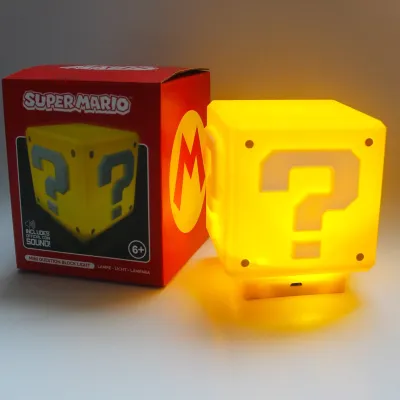
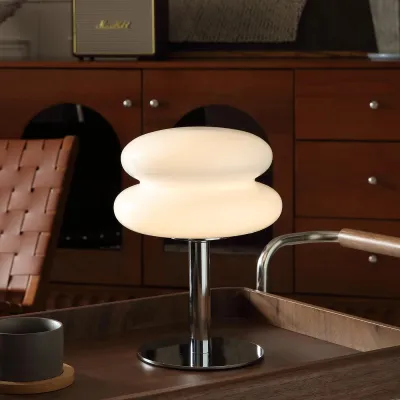
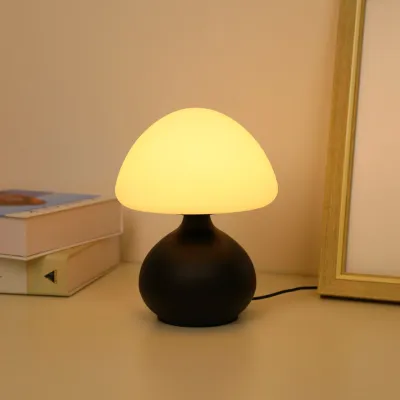
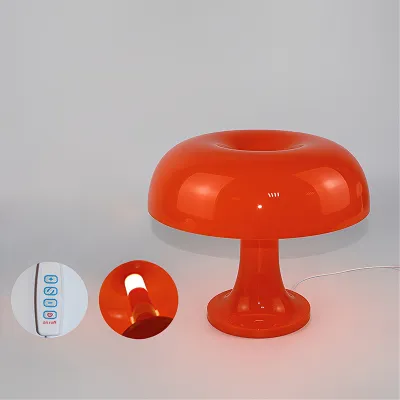
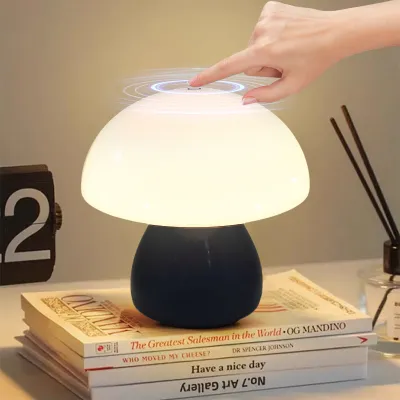
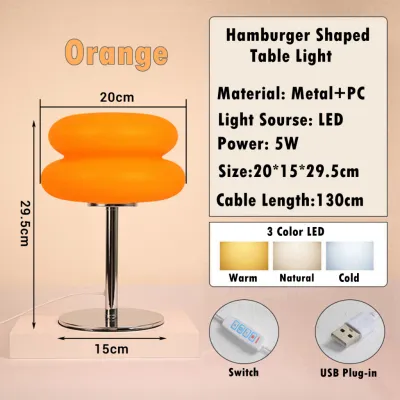
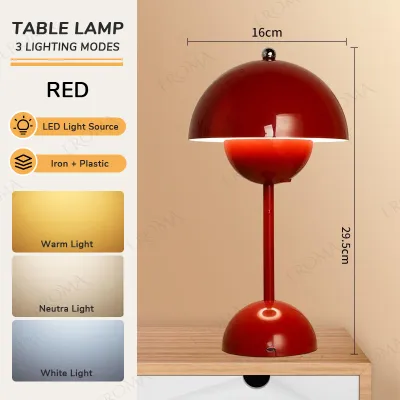
Prices are valid at publication and may change. Please refer to the product page for the latest price.
Traditional bedside lamps, particularly those featuring fabric, paper, or tapered drum shades, offer a different approach to light control. These shades are designed to block horizontal light, preventing direct glare from reaching your eyes while directing a clean pool of light straight down onto your nightstand and lap. This focused downward distribution is highly beneficial for reading, as it concentrates the lumens exactly where your book is positioned, leaving the rest of the room relatively dark and conducive to sleep.
When shopping for either lamp type, it is essential to check the product labels for light output (measured in lumens) and color temperature. Bedtime reading does not require the high-intensity brightness of a home office desk lamp; instead, look for bulbs that offer a gentle glow that allows you to read without squinting. Avoid harsh blue light or cool daylight bulbs, as these wavelengths can interfere with your body’s natural transition into sleep.
Glare control is another critical factor to consider before making a purchase. Some mushroom lamps feature highly reflective glass or plastic domes that can create distracting hot spots of light, especially if the bulb sits high inside the shade and is visible from a reclining position in bed. In contrast, traditional lamps with fabric or paper shades naturally soften the light, though you must still ensure the shade is deep enough to completely conceal the bulb from your line of sight when you are lying down.
Adjustability and Beam Direction
Your reading posture changes throughout the night, whether you are propped up against a headboard, lounging on your side, or sitting upright. To accommodate these shifts, a reading lamp needs to offer some level of adjustability. Traditional bedside lamps excel in this category, with many designs incorporating functional features like swing-arms, adjustable joints, or flexible goosenecks. These mechanisms allow you to pull the light closer to your pages, tilt the shade to block glare from your partner’s side of the bed, or push the lamp away when you are ready to sleep.

Standard mushroom lamps, by contrast, are almost entirely static. Their fixed-head design means you cannot adjust the angle of the shade or direct the beam toward a specific spot. The light remains locked in its pre-set downward and outward pattern, forcing you to adjust your physical reading position to match the lamp’s output. If your nightstand is low or positioned far from the edge of the bed, a fixed mushroom lamp may fail to cast enough direct light onto your book, leaving your pages in shadow.
To compensate for this lack of physical adjustability, many modern lamps—both traditional and contemporary mushroom styles—now feature integrated electronic controls. When evaluating options, look for fixtures with built-in step dimmers or adjustable color temperature settings. These features allow you to customize the light intensity with a simple tap, making it easier to transition from active reading to a low, sleep-ready glow.
Before purchasing any adjustable fixture, always verify the electrical specifications and build quality. Check that the joints on swing-arm lamps are sturdy enough to hold their position over time without drooping. For any lamp used in the Philippines, ensure the voltage rating matches the standard 220V grid, and look for reliable electrical certifications on the packaging to guarantee safe, long-term operation in your home.
Space, Aesthetics, and Bedside Fit
The physical footprint of your bedside lamp plays a major role in both the functionality and visual appeal of your bedroom. Mushroom lamps are highly favored for their compact, single-piece silhouettes. Because the shade and base often flow together into a single sculptural form, these lamps tend to have a very clean, minimalist appearance that fits well on small nightstands. Their low center of gravity and sturdy, wide bases make them highly stable, which is a practical advantage if you have pets, young children, or a bedside fan that generates strong air currents.
Traditional bedside lamps come in a much wider variety of shapes and sizes, often featuring separate bases made of ceramic, wood, or metal, topped with detachable shades. While this variety allows for endless customization to match your bedroom decor, it also means traditional lamps can take up significant space on your nightstand. A wide drum shade can easily crowd out other bedside essentials like your phone, a glass of water, or your actual reading material.
Before choosing a lamp, measure your nightstand’s surface area and compare it to the lamp’s maximum dimensions, including the widest part of the shade. Consider the weight of the base as well; lightweight plastic or thin metal lamps can easily tip over if you reach for them in the dark. In humid tropical climates, material choice is also a factor. High humidity can cause untreated metal bases to rust or fabric shades to accumulate dust and moisture over time, making easy-to-clean glass or acrylic mushroom lamps or treated ceramic traditional lamps highly practical choices.
Switch placement is another small detail that significantly impacts your nightly comfort. A switch located on the power cord can be difficult to locate when you are half-asleep, especially if the cord has slipped behind your nightstand. Look for lamps with switches located directly on the base, touch-sensitive controls, or pull chains that are easy to reach and operate without having to sit up or strain your arms in the dark.
How to Choose the Right Lamp for Your Reading Habits
To make the final decision between a mushroom lamp and a traditional bedside lamp, you must evaluate your personal reading habits and bedroom layout. If you are an avid reader who spends hours lost in a book every night, a traditional bedside lamp is generally the superior choice. Its ability to deliver focused, downward task lighting, combined with adjustable arms or shades, ensures your eyes remain comfortable during prolonged reading sessions. This setup minimizes eye strain and allows you to keep the rest of the room dimly lit, which is ideal if you share a bed.
On the other hand, if your bedtime reading is casual—perhaps consisting of scrolling through an e-reader for fifteen minutes or flipping through a magazine before drifting off—a mushroom lamp can be an excellent fit. Its primary strength lies in creating a warm, cozy, and aesthetically pleasing atmosphere. The diffused ambient light is perfect for winding down, and the lamp itself serves as a beautiful decorative statement piece during the day.
If you are set on the mushroom aesthetic but still want a functional reading light, verify the specific design details of the model you are considering. Some modern mushroom lamps feature opaque metal shades that direct all light downward, mimicking the behavior of a traditional reading lamp, while others offer advanced step-dimming to help you find the perfect brightness level.
Finally, consider your physical space constraints. Whether you are investing ₱500 or ₱5,000 in a bedside setup, verifying the build quality and placement is essential. If your nightstand is too small to hold a lamp safely, or if you lack an accessible power outlet near your bed, neither tabletop option may be suitable. In these scenarios, consider installing wall-mounted reading lights or plug-in sconces. For any wall-mounted installation, ensure you follow proper safety guidelines: isolate the power supply before mounting, follow the manufacturer’s installation instructions carefully, and consult a qualified professional if you need to modify your home’s fixed electrical wiring.
Frequently Asked Questions (FAQ)
Can I use a smart bulb in a mushroom lamp for better reading?
Yes, you can often use a smart bulb to improve the functionality of a mushroom lamp, but you must first verify the lamp’s socket type (such as E27 or E14) and its maximum wattage limit. A smart bulb allows you to adjust the color temperature from cool white to warm amber and dim the brightness to comfortable reading levels. However, keep in mind that a smart bulb cannot change the physical shape of the lamp. If your mushroom lamp has a highly reflective or translucent dome, a smart bulb may still cause some omnidirectional glare, though dimming the bulb can help minimize eye discomfort.
What is the ideal color temperature for bedtime reading?
The ideal color temperature for bedtime reading is a warm white, typically ranging between 2700K and 3000K. When shopping for bulbs, check the product packaging or specifications for these warm temperature ratings. Warm light mimics the soft glow of sunset, which helps signal to your body that it is time to wind down. You should actively avoid cool daylight bulbs (usually rated at 5000K to 6500K) for bedtime reading, as the blue wavelengths in cool light can suppress melatonin production, making it harder for you to fall asleep after you put your book down.
Community discussion
Share your experience or ask a question. Comments are reviewed before publication.