
Selecting the perfect wall art for the transition into a new year requires balancing the energy of your home’s distinct spaces. While a vibrant, celebratory design serves as an excellent focal point for a lively social hub, a quiet, reflective piece is far better suited for a personal sanctuary. By matching the visual intensity of your decor to the function of each room, you can create a harmonious environment that welcomes fresh beginnings without disrupting your daily comfort.
To achieve this balance, it is essential to look beyond temporary holiday decorations and focus on pieces that offer lasting aesthetic value. The right artwork not only elevates your interior design but also sets a mindful tone for the months ahead. Whether you prefer bold, inspiring statements or soft, minimalist compositions, understanding how to transition your walls for the upcoming year will help you curate a space that feels both intentional and beautifully styled.
Setting the Vibe: Contrasting Living Room and Bedroom Needs for Your New Year Design
Every room in your home carries a unique energetic signature, and your wall decor should reflect these differences. The living room serves as the primary social hub of the household. It is a high-traffic area where family members gather, guests are entertained, and celebrations take place. Because of this dynamic environment, the living room requires a high-energy, welcoming aesthetic with conversational pieces that spark interest and convey warmth.
Products mentioned in this guide
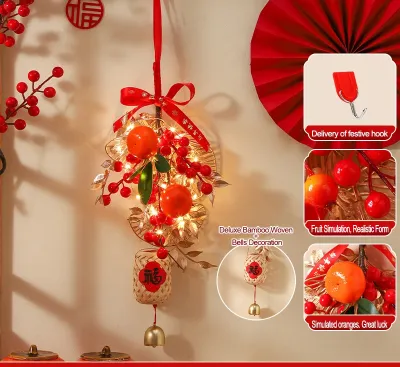
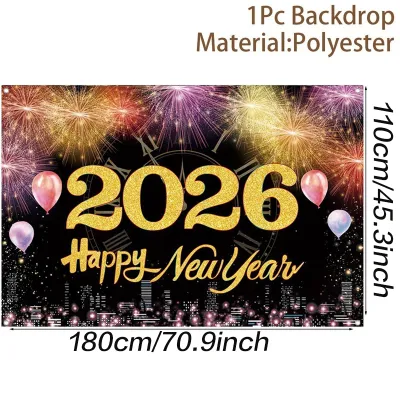
Prices are valid at publication and may change. Please refer to the product page for the latest price.
In contrast, the bedroom is a private sanctuary dedicated to rest, recovery, and quiet introspection. This is the space where you wind down at the end of the day and seek mental clarity as you prepare for sleep. Consequently, the bedroom demands subtle, calming visuals that support sleep hygiene and foster a sense of peace. Highly stimulating patterns or bright, high-contrast colors can interfere with your ability to relax, making subdued designs a much better choice for this environment.
When planning a seasonal refresh, the primary challenge is adapting your chosen “new year design” theme to these contrasting energy levels. A successful design scheme does not mean using the same festive motifs in every room. Instead, it involves translating the core concepts of the new year—such as renewal, hope, and fresh starts—into visual styles that match each room’s purpose. While the living room can celebrate these themes with bold, dynamic energy, the bedroom should express them through quiet reflection and gentle organic forms.
To evaluate any piece of art before hanging it, consider the primary function of the room it will occupy. Ask yourself how the colors, scale, and subject matter will affect your mood when you enter the space. By establishing these core criteria early on, you can avoid impulse purchases and ensure that every canvas or framed print contributes positively to the room’s atmosphere.
Best New Year Wall Art for the Living Room
The living room is the ideal stage for expressive, high-impact artwork that captures the optimistic spirit of a fresh calendar year. Because this space is designed for socializing, your wall art can afford to be bolder, larger, and more visually complex than the pieces you select for private quarters.

Bold Typography and Motivational Quotes Typography prints featuring inspiring quotes or single, powerful words associated with new beginnings serve as excellent focal points. Phrases that focus on growth, hope, or forward momentum act as daily reminders of your personal goals while doubling as welcoming messages for guests. To keep the look sophisticated rather than cloying, opt for clean sans-serif fonts, elegant modern calligraphy, or minimalist layouts with generous negative space.
Abstract and Geometric Patterns with Metallic Accents If you prefer non-literal designs, abstract compositions with subtle metallic accents—such as gold, silver, or bronze foil details—are highly effective. In the Philippines, shimmering gold tones are traditionally associated with prosperity and good fortune, making them a popular choice for welcoming the new year. These metallic elements catch the light beautifully during evening gatherings, adding a touch of festive elegance without relying on clichéd holiday symbols.
Large-Scale Canvas Prints and Celebratory Motifs A single, large-scale canvas print can instantly anchor a living room. Consider dynamic compositions such as stylized cityscapes, abstract representations of fireworks, or sweeping brushstrokes that suggest movement and progress. These expansive pieces command attention from a distance and can tie together disparate accent colors within your living room furniture and accessories.
When selecting and positioning your living room art, keep these key criteria in mind:
- Proportion: Ensure the artwork is scaled correctly to your furniture. A piece hung above a main sofa should ideally measure between two-thirds and three-quarters of the sofa's total width to prevent the furniture from overwhelming the art.
- Color Coordination: Look for designs that incorporate at least one or two accent colors already present in your high-traffic decor, such as your throw pillows, rugs, or curtains.
- Entryway Sightlines: Consider what guests see the moment they step through your front door. Placing a vibrant, welcoming piece of art directly in the entryway's line of sight establishes an immediate mood of warmth and hospitality.
Best New Year Wall Art for the Bedroom
Decorating the bedroom for the new year requires a shift in focus from outward celebration to inward renewal. The goal is to select artwork that represents fresh starts and personal growth while maintaining a serene, uncluttered environment that promotes deep, restorative sleep.
Soft Watercolor Landscapes and Celestial Motifs Watercolor paintings featuring misty forests, gentle mountain ranges, or quiet lakeside scenes evoke a sense of calm and vastness. Similarly, celestial motifs such as soft moon phases or subtle star charts represent the passage of time, quiet reflection, and the quiet beauty of new beginnings. The fluid, blended edges of watercolor art are naturally soothing to the eye, making them perfect for viewing just before you turn off the lights.
Minimalist Line Art and Subtle Nature Themes For a modern, clean aesthetic, minimalist line art is an excellent option. Look for simple botanical illustrations, such as blooming branches, unfurling ferns, or sprouting leaves, which symbolize organic growth and renewal. These designs offer a gentle nod to the theme of a new year without introducing visual clutter or heavy, dark blocks of color that can make a bedroom feel cramped.
Muted and Cool Color Palettes Color choice is critical for maintaining proper sleep hygiene. Avoid highly stimulating colors like bright reds, intense oranges, or high-contrast neon shades. Instead, prioritize muted pastels, soft neutrals, warm grays, and cool tones like sage green, dusty blue, or lavender. If you want to include metallic elements, choose matte or brushed finishes rather than highly reflective polished foils to prevent harsh light reflections.
When styling your bedroom art, pay close attention to placement and environmental factors:
- Placement: The most common location for bedroom art is directly above the headboard. Ensure the frame is securely mounted and centered. Alternatively, place the art on the wall directly opposite your bed so it is the first peaceful image you see upon waking.
- Restful Environment: Keep the surrounding wall space clean. Avoid crowding your bedroom walls with too many small frames; one or two well-placed, medium-sized pieces will create a much more restful atmosphere.
- Humidity Considerations: In tropical climates like the Philippines, bedrooms can experience high humidity, especially if air conditioning units are turned on and off frequently. To protect your prints from moisture damage, warping, or mold, ensure the frames feature moisture-resistant backings, or opt for canvases treated with a protective, water-resistant seal.
Cross-Room Compatibility: Versatile Designs for Both Spaces
If you prefer a fluid decorating style, investing in versatile artwork that can transition seamlessly between your social and private spaces is a highly practical strategy. Highly adaptable designs allow you to refresh your home’s layout periodically without needing to purchase new decor every season.
Neutral Botanicals and Textured Canvas Art Neutral botanical prints—such as monochrome leaf silhouettes or delicate pressed herbarium designs—possess a timeless quality that fits both the energetic living room and the quiet bedroom. Similarly, minimalist textured canvases, which rely on raised plaster or heavy paint strokes rather than color to create visual interest, offer a sophisticated touch. These pieces adapt easily to changing light conditions and coordinate effortlessly with any color scheme.
Cohesive Color Palettes and Recurring Motifs To maintain a unified home theme for the new year without making your rooms look identical, establish a cohesive color palette that runs throughout your entire living space. For example, you might choose a signature shade of deep forest green or warm terracotta. In the living room, this color can appear in a bold, abstract canvas paired with metallic gold. In the bedroom, the same hue can be introduced through a soft, minimalist watercolor print, creating a subtle visual thread that connects the two rooms.
The Flexible Gallery Wall Concept Another excellent approach to cross-room compatibility is creating a flexible gallery wall using smaller, standardized frame sizes. By using matching frames in both the living room and bedroom, you can easily swap individual prints between the two spaces whenever you desire a change of scenery. This allows you to move more energetic pieces to the living room when hosting guests, and bring quieter, reflective designs back into the bedroom during quieter times of the year.
Practical Tips for Hanging and Styling Your Art
Proper installation and thoughtful styling are just as important as selecting the right design. Even the most beautiful piece of wall art can lose its impact if it is hung at the wrong height, poorly lit, or mounted insecurely.
Measuring and Marking Your Space A common decorating mistake is hanging artwork too high. As a general rule of thumb, wall art should be hung at eye level, which means the center of the image should sit between 57 and 60 inches from the floor. If you are hanging a piece above a piece of furniture like a sofa or a console table, leave a gap of 6 to 8 inches between the bottom of the frame and the top of the furniture. For gallery walls, maintain a consistent spacing of 2 to 3 inches between individual frames to keep the arrangement looking cohesive and organized.
Selecting the Right Mounting Hardware Before driving any nails or screws into your walls, identify your wall type. In many homes, particularly in concrete or hollow-block structures common in the Philippines, standard drywall nails will not suffice. For solid concrete walls, you will need to use a masonry drill bit, plastic wall anchors (plugs), and matching screws to ensure the frame is securely anchored. For lightweight drywall partitions, toggle bolts or specialized drywall hooks are necessary to distribute the weight safely.
Lighting and Environmental Safety To highlight your new year art, consider using ambient or accent lighting. Picture lights or adjustable track heads can draw attention to a canvas, but you must ensure the bulbs do not emit excessive heat that could dry out and crack the paint or warp the wooden frame. If you decide to install hardwired picture lights, always isolate the power at the main circuit breaker before beginning any electrical work, and consult a qualified professional to handle the installation safely.
Structural Safety Boundaries Always check the weight limits of your hanging hardware and the structural integrity of your walls before mounting heavy, oversized frames or glass-fronted prints. If you are hanging art directly above a bed or a high-traffic sofa, ensure the mounting is exceptionally secure to prevent accidental falls. For complex installations, heavy plaster frames, or suspended ceiling loads, always consult a qualified professional installer to ensure the safety of your household.
Frequently Asked Questions (FAQ)
How early should I put up new year wall art?
There are no strict calendar rules for transitioning your home decor, but many homeowners find it natural to put up new year wall art immediately after the late-year holidays wind down. A common approach is to transition your walls during the last week of December, replacing festive holiday-specific decorations with clean, forward-looking designs. This timing allows you to enter the first week of January with a fresh, organized space that reflects your aspirations for the months ahead.
Can I use the same new year canvas print every year?
Yes, you can easily reuse the same artwork every year if you choose timeless motifs rather than prints featuring specific dates or year numbers. Look for designs that represent universal themes of fresh starts, such as budding branches, sunrise landscapes, or abstract patterns with uplifting color palettes. By investing in high-quality, non-dated canvases and storing them in a cool, dry place away from direct sunlight when not in use, you can enjoy a beautiful, sustainable seasonal tradition year after year.
Community discussion
Share your experience or ask a question. Comments are reviewed before publication.