
To choose the best lighting between a night light and a mood lamp, evaluate the primary function of your space: select a low-lumen, warm-toned night light for the bedroom to protect your sleep cycle and navigate safely in the dark, and choose a dynamic, high-projection mood or sunset lamp for the living room to enhance social gatherings and elevate interior aesthetics. While the bedroom demands low-glare, non-disruptive illumination that respects your body’s circadian rhythm, the living room thrives on expressive, adjustable, and visually engaging light sources that define distinct functional zones. By matching the specific technical capabilities of these fixtures—such as dimming ranges, color temperatures, and power sources—to the unique demands of each room, you can create a balanced home environment that transitions seamlessly from active daytime living to restful nighttime recovery.
Quick Guide: Core Lighting Differences Between Bedroom and Living Room
The fundamental difference between bedroom and living room lighting lies in the physiological and psychological responses they are designed to elicit. In the bedroom, the primary objective is to support relaxation and facilitate safe movement during the night without triggering alertness. This requires highly localized, low-intensity light sources that emit warm, amber, or red wavelengths, which do not suppress melatonin production. Conversely, living room lighting serves as a multi-functional tool for socialization, entertainment, and spatial design, particularly in compact urban spaces like high-rise condominiums.
In a typical living room, lighting must adapt to various activities, from movie nights to hosting guests, demanding fixtures with higher lumen outputs, dynamic color-changing capabilities, and wide projection angles. While a bedroom night light remains subtle and functional, living room mood lamps—such as sunset projectors or color-changing corner lights—act as visual centerpieces that transform plain walls into dramatic backdrops. Understanding these contrasting requirements prevents the common mistake of placing overly bright, blue-spectrum decorative lamps in sleeping quarters or installing underpowered, purely utilitarian night lights in active living spaces.
Products mentioned in this guide
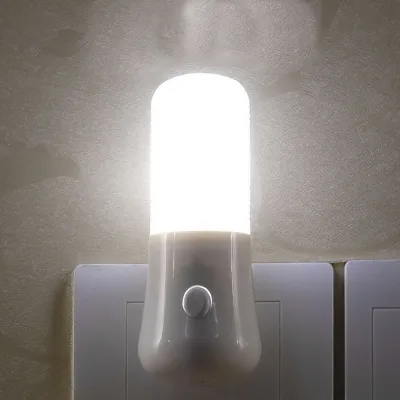
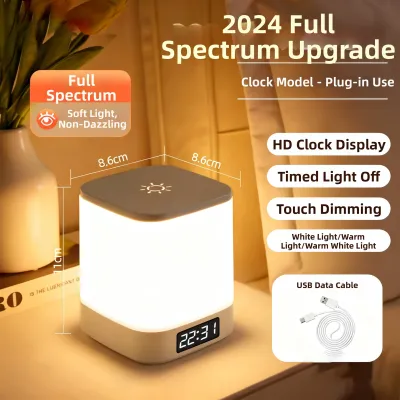
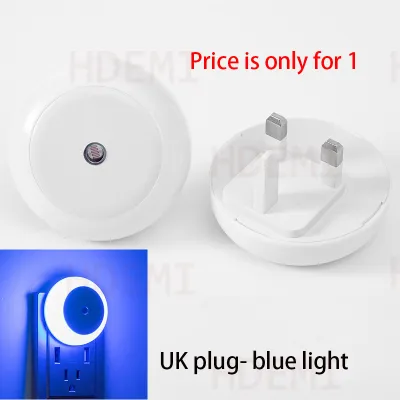
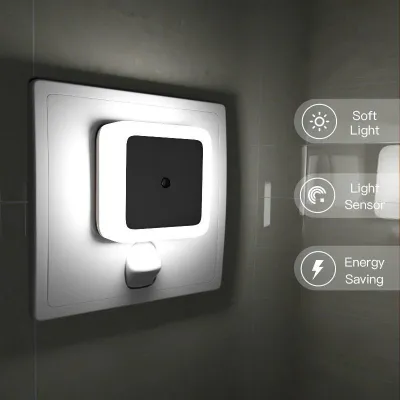
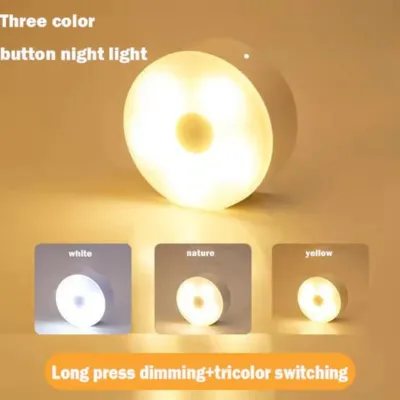

Prices are valid at publication and may change. Please refer to the product page for the latest price.
Bedroom Lighting: Prioritizing Sleep Quality and Safe Navigation
Creating an optimal bedroom environment requires a delicate balance between absolute darkness for deep sleep and sufficient illumination for occasional nighttime movement. The human brain is highly sensitive to light exposure during the evening, with even brief flashes of bright or blue-spectrum light capable of disrupting the natural sleep-wake cycle. Therefore, bedroom lighting must be carefully segmented into low-intensity navigation aids and warm, soothing ambient lamps that signal to the body that it is time to wind down.

Night Lights for Safe Navigation
Navigating a dark bedroom or hallway to reach the en-suite bathroom can be hazardous without proper illumination, yet turning on a harsh overhead light instantly disrupts your state of rest. For these pathways, motion-sensor night lights offer a superior alternative to continuous-burn fixtures, as they activate only when physical movement is detected and automatically shut off after a set period. Alternatively, dusk-to-dawn sensors utilize integrated photocells to detect ambient light levels, automatically turning the fixture on at sunset and off at sunrise, which is highly convenient for dark interior hallways or windowless bathrooms.
When selecting a navigation light, prioritize low-lumen outputs—ideally between 2 and 10 lumens—and ultra-warm color temperatures ranging from 1,800 Kelvin (K) to 2,700K. High-lumen or cool-white lights stimulate photoreceptors in the retina, immediately signaling the brain to stop producing melatonin and making it difficult to fall back asleep.
Placement is equally critical for maintaining a sleep-friendly environment. Install plug-in night lights in low wall outlets close to the floor, ensuring the light source is directed downward and away from your direct line of sight when lying in bed. This strategic placement illuminates potential tripping hazards on the floor while keeping the upper half of the room in soothing darkness.
Mood Lamps for Winding Down
The transition from active evening hours to sleep is a critical period where a dedicated mood lamp can significantly enhance your wind-down routine. Unlike functional night lights, bedroom mood lamps are designed to provide soft, indirect ambient illumination for activities like reading, journaling, or meditating. To protect your sleep quality, these lamps must feature robust dimming capabilities, allowing you to lower the brightness to a fraction of its maximum output as your bedtime approaches.
Opt for lamps that emit deep amber, orange, or warm white tones, and strictly avoid fixtures that emit cool blue or green wavelengths, which are known to suppress melatonin. If you enjoy the dramatic aesthetic of a sunset lamp, use it at a low, indirect intensity by projecting the light onto a distant wall or corner rather than directly over the bed.
Many modern mood lamps feature integrated timers that automatically turn the light off after 30 or 60 minutes, ensuring the room returns to complete darkness once you fall asleep. When positioning a mood lamp on a bedside table, ensure the shade or diffuser completely conceals the bulb to prevent direct glare from irritating your eyes while you relax.
Living Room Lighting: Crafting Ambiance for Social and Condo Spaces
The living room is the social heart of the home, serving as a venue for entertainment, relaxation, and self-expression. In modern Philippine residences, particularly open-plan condominiums, the living room often shares space with the dining area and kitchen, making versatile lighting essential for defining different zones. Mood lamps and sunset projectors excel in these environments, offering the flexibility to shift the room’s atmosphere from a bright, energetic social hub to a cozy, intimate retreat.
Sunset and Mood Lamps for Entertainment
Sunset lamps and color-changing LED mood lights have revolutionized living room entertainment by introducing dynamic, cinematic backdrops to everyday spaces. When setting up a sunset lamp for a movie night or social gathering, the projection distance and wall texture play a decisive role in the final visual effect. Placing the projector closer to a smooth, light-colored wall creates a highly saturated, defined circle of light, while moving it farther away diffuses the colors into a soft, expansive gradient that washes the entire room in warm hues.
For media consumption, positioning a color-changing mood lamp behind the television screen—a technique known as bias lighting—reduces eye strain by minimizing the contrast between the bright screen and the dark surrounding room. During social gatherings, dynamic color-changing modes can be synchronized with music or set to slow, transitioning gradients to establish a festive or relaxed party vibe. These fixtures allow you to instantly alter the perceived volume and depth of the room, turning a plain concrete wall into an artistic focal point without the need for expensive paint or wallpaper.
Accent Lighting for Condo Layouts
In compact condo layouts, overhead fluorescent or LED panel lights can feel sterile and harsh, flattening the room and highlighting structural limitations. Ambient accent lighting counteracts this by adding depth, warmth, and a sense of luxury to the living space. By strategically placing corner floor lamps or adjustable table lamps, you can cast soft light upward and outward, making low ceilings feel higher and narrow rooms appear more spacious.
Use mood lamps to highlight specific architectural features, such as indoor plants, floating shelves, or framed artwork, drawing the eye to curated areas of the room. Balancing these accent lights with your existing overhead fixtures allows you to layer the lighting, ensuring you have bright task light when cleaning or working, and soft, glare-free ambient light when relaxing. This layered approach eliminates dark corners and harsh shadows, creating a balanced, inviting environment that feels both sophisticated and comfortable.
Key Features to Compare by Room Placement
Selecting the perfect light fixture requires a clear understanding of key technical specifications and how they perform in different domestic environments. To help you evaluate specific products for your bedroom or living room, consider the following critical performance dimensions:
Color Temperature (Kelvin): The color temperature of a light source, measured in Kelvin (K), dictates the psychological feel of a space. For the bedroom, stick strictly to ultra-warm ranges between 1,800K and 2,700K to promote physical relaxation and melatonin synthesis. For the living room, a wider range of 2,700K to 4,000K (warm white to neutral white) is acceptable, as it supports daytime activities while remaining cozy in the evening, while RGB color-changing lamps offer infinite customization for social events.
Brightness and Dimming: Brightness is measured in lumens, and the required output depends heavily on the room’s purpose. Bedroom night lights should remain exceptionally dim, ideally under 10 lumens for navigation and under 100 lumens for bedside reading. Living room mood lamps, which must compete with ambient daylight or cover larger wall surfaces, require higher outputs ranging from 200 to 800 lumens, paired with a reliable dimming mechanism to scale down the intensity when needed.
Glare Control and Diffusion: Direct glare causes immediate eye fatigue and disrupts visual comfort. Look for bedroom fixtures featuring frosted glass, fabric shades, or indirect back-panel designs that diffuse the light evenly. In contrast, living room sunset lamps rely on specialized optical lenses to project sharp, clear gradients over long distances; ensure these projectors are angled away from seating areas to prevent the intense lens glare from shining directly into guests’ eyes.
Power and Connectivity: Consider the practicalities of powering your fixtures. Low-power plug-in night lights are ideal for continuous wall outlet use, while rechargeable USB-C battery-powered lamps offer excellent portability for bedside tables or remote living room shelves without visible cords. If you prefer smart home integration, verify that the lamp supports your local Wi-Fi frequency (typically 2.4 GHz) and offers app-based scheduling. Always check that any plug-in device is compatible with the standard Philippine voltage of 220V at 60Hz and uses compatible flat two-prong (Type A or B) plugs.
Cross-Room Compatibility: Can One Lamp Serve Both Spaces?
For those seeking maximum utility, investing in a highly versatile, cross-compatible lamp can be a practical and cost-effective solution. The key to a successful multi-room fixture lies in its adaptability. A portable, rechargeable smart LED lamp equipped with adjustable color temperature (from warm amber to cool daylight) and a wide dimming range can easily transition from a vibrant living room accent during the day to a gentle, sleep-friendly night light in the evening.
However, relying on a single lamp for both spaces involves clear trade-offs. Constantly moving a lamp between rooms increases the risk of accidental drops, damages the charging port over time, and leaves one room completely dark when the lamp is in use elsewhere. Furthermore, dedicated fixtures are tailored to the specific physical layout and power sources of their respective rooms—such as a permanent, low-profile wall plug-in for a hallway night light versus a heavy, corded floor lamp for a living room corner. For long-term convenience and optimal home design, investing in dedicated, specialized fixtures for each room remains the most practical choice.
Safety, Placement, and Installation Boundaries
Operating any electrical device requires careful attention to safety standards, heat dissipation, and physical placement, particularly in tropical climates where ambient temperatures and humidity levels are naturally high. Many high-intensity projection lamps, such as older halogen models or high-power LED sunset projectors, can generate significant surface heat during extended operation. Always position these heat-generating lamps at a safe distance—at least 30 centimeters—away from combustible materials, including bedroom curtains, bedding, upholstery, and decorative fabrics.
To prevent physical hazards, implement tidy cord management solutions in high-traffic areas of the living room and bedroom. Loose, trailing power cables present a severe tripping hazard for children, elderly family members, and anyone navigating the home in the dark, and they can easily be chewed by household pets. Use cable clips, adhesive conduits, or cord protectors to secure wires flat against walls or baseboards, keeping them completely out of walking paths.
Finally, establish clear boundaries between simple plug-and-play setups and complex electrical work. While plugging in a standard bedside lamp or setting up a USB-powered projector is entirely safe for DIY, any installation involving fixed wiring, recessed ceiling spotlights, track lighting, or damp-rated outdoor ambient fixtures demands professional expertise. Always isolate the main power supply at the circuit breaker before attempting to replace any existing light fixture. For any complex installations, structural modifications, or hardwired electrical connections, always consult a qualified, licensed electrician to ensure compliance with the Philippine Electrical Code and guarantee the safety of your home.
Frequently Asked Questions (FAQ)
Are sunset lamps safe to leave on all night?
It is generally not recommended to leave sunset lamps on throughout the entire night. While modern LED-based sunset projectors are highly energy-efficient and generate significantly less heat than traditional halogen bulbs, prolonged continuous operation can still cause internal thermal buildup, potentially shortening the lifespan of the LED chip or driver. Furthermore, the intense, high-contrast projection of a sunset lamp is far too bright for an optimal sleeping environment; continuous exposure to this light can disrupt your sleep depth and prevent your body from entering deep, restorative sleep phases. If you enjoy falling asleep to the warm glow of a sunset lamp, utilize a model equipped with an automatic sleep timer set to turn off within 30 to 60 minutes.
What is the best color light for sleeping?
The absolute best color light for a sleeping environment is warm red or deep amber. Scientific research indicates that red light has a very low color temperature and does not suppress the body’s natural production of melatonin, the hormone responsible for regulating sleep-wake cycles. In stark contrast, exposure to cool white, blue, or green light—even at low intensities—stimulates the brain’s photoreceptors, mimicking daytime sunlight and signaling the body to remain awake and alert. To protect your sleep quality, ensure all night lights, bedside lamps, and pathway indicators in your bedroom emit only warm, red, or amber tones, keeping the space free from any blue-light-emitting electronic displays or cool-toned bulbs.
Community discussion
Share your experience or ask a question. Comments are reviewed before publication.