
Selecting the right outdoor lighting is essential for transforming a dark backyard into a safe, welcoming, and visually striking extension of your home. The Ookas official store offers a diverse selection of outdoor landscape lighting products designed specifically for garden and courtyard setups. These products range from energy-efficient solar path lights and heavy-duty security floodlights to decorative wall sconces and accent spotlights. By understanding the available categories and technical specifications, you can design a balanced outdoor lighting scheme that withstands local environmental demands.
When planning your layout, it is important to match each fixture to its intended function, whether that is guiding footsteps along a path, highlighting a manicured garden bed, or securing the perimeter of your property. Navigating the official store with a clear plan ensures you select compatible, durable products that fit your budget and installation capabilities. This guide breaks down the primary landscape lighting categories offered by Ookas, details the critical technical specifications to verify before purchasing, and outlines essential safety practices for outdoor electrical installations.
Navigating the Ookas Official Store for Outdoor Lighting
Finding the right landscape fixtures requires a systematic approach when browsing the Ookas official store on your preferred ecommerce platform. Because the brand offers a wide range of home and lighting products, navigating directly to the dedicated “Outdoor Lighting” or “Garden Decor” subcategories is the most efficient way to start. Within these sections, you will find fixtures engineered to handle exposure to the elements, separating them from standard indoor lamps that lack weatherproofing.
Products mentioned in this guide
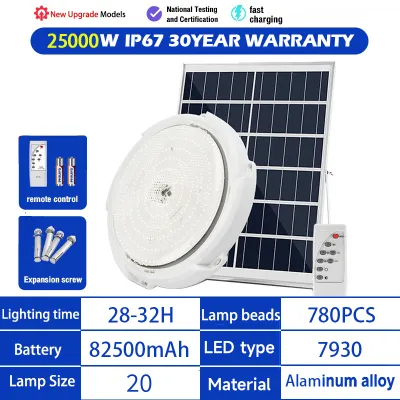
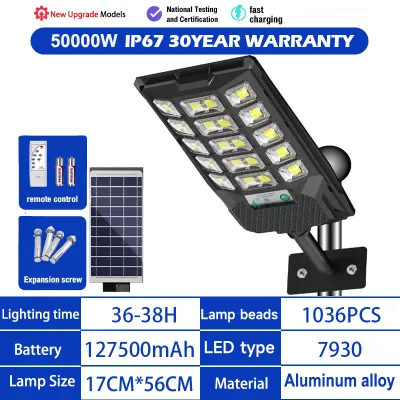
Prices are valid at publication and may change. Please refer to the product page for the latest price.
To narrow down your options, utilize the store’s search filters to sort products by power source, installation type, and application area. Filtering by power source allows you to quickly isolate solar-powered fixtures from hardwired or plug-in models, which is a crucial first step in planning your installation labor and budget. You can also filter by mounting style, such as ground stakes for garden beds or wall-mount brackets for perimeters, to match the physical structure of your courtyard.
Before adding any item to your cart, always verify that the product listing explicitly states it is rated for outdoor or wet-location use. Indoor fixtures or those rated only for dry environments will quickly fail when exposed to rain, dew, and high humidity. Checking the product title, bullet points, and detailed descriptions for terms like “waterproof,” “outdoor,” or specific environmental ratings is a necessary safeguard against premature product failure.
Keep in mind that product availability, specific model numbers, and pricing are dynamic and subject to change based on stock cycles and store promotions. For this reason, it is best to focus on evaluating the core specifications, materials, and functional categories of the fixtures rather than relying on a single model number. This analytical approach ensures you can always find a suitable alternative if a specific item is temporarily out of stock.
Matching Landscape Lighting Categories to Garden Zones
An effective landscape lighting design relies on the concept of layering light, which involves combining different types of illumination to create depth, safety, and visual interest. Rather than flooding the entire yard with a single, harsh light source, layering uses distinct fixtures for path lighting, accent lighting, and ambient perimeter lighting. This approach highlights the natural beauty of your garden while ensuring that walkways and entry points remain safe and visible after dark.

Path and Step Lighting for Walkways
Path lights, bollards, and step lights are low-level fixtures designed to project light downward onto walking surfaces, defining borders and preventing trips or falls. These fixtures are essential for navigating garden paths, stone walkways, and patio steps safely at night. By casting a gentle glow directly onto the ground, they guide movement through your outdoor space without shining directly into your eyes.
When planning the placement of path lights, proper spacing is critical to avoid creating a high-glare “runway” effect. Instead of placing fixtures in a straight, closely packed line, stagger them on alternating sides of the path, spacing them roughly six to eight feet apart depending on the light spread. This staggered layout creates a more natural, balanced flow of light that guides the eye gently along the walkway.
Before purchasing path lights from the store, check the product specifications for the overall height of the fixture and its light spread angle. A fixture that is too short may have its light blocked by surrounding ground cover or low shrubs, while a fixture that is too tall might cause glare. Ensure the light distribution is directed downward or shielded to illuminate the walking surface effectively without contributing to light pollution.
Spotlights and Floodlights for Focal Points
Spotlights and floodlights serve different purposes in a landscape design, primarily distinguished by their beam angles and light intensity. Spotlights project a narrow, concentrated beam of light (typically under 45 degrees) that is ideal for highlighting specific focal points, such as a mature palm tree, a water feature, or an architectural column. Floodlights, on the other hand, cast a wide beam (often 120 degrees or more) designed to illuminate broad areas like driveways, large lawns, or expansive walls for security and general visibility.
For accent lighting, look for spotlights equipped with adjustable knuckles or rotating heads, which allow you to precisely direct the light beam as your garden grows or as you change your layout. Ground-mounted stakes are highly convenient for soil and garden beds, enabling easy adjustment, while surface-mount brackets are preferred for securing fixtures to concrete bases, wooden decks, or brick walls.
When evaluating these directional lights on product pages, match the lumen output and beam angle to the scale of the feature you want to illuminate. A small garden statue or a young shrub only requires a low-lumen spotlight to stand out, whereas a tall tree or a wide house facade will need a high-lumen floodlight. Over-illuminating a small feature can wash out its details and create harsh shadows, undermining the aesthetic appeal of your courtyard.
Wall and Deck Lights for Perimeters
Wall sconces, bulkhead lights, and deck lights are surface-mounted fixtures that provide essential ambient illumination along the boundaries of your property. Installed on exterior walls, fences, posts, or deck railings, these lights define the physical limits of your courtyard while enhancing security. They cast a soft, diffused glow that makes outdoor seating areas feel more enclosed, cozy, and secure.
Bi-directional wall lights, which project light both upward and downward, are particularly effective for highlighting the texture of stone cladding, brickwork, or modern concrete finishes common in contemporary homes. This up-and-down pattern adds visual height to your perimeter walls and creates dramatic shadows that emphasize architectural details. Bulkhead lights offer a more industrial, robust look, providing wide-angle utility lighting for side passages and utility areas.
Always verify the physical dimensions and mounting requirements of wall and deck lights to ensure they are compatible with your existing structures. Check if the fixture requires a recessed junction box or if it can be surface-mounted directly onto flat wood, concrete, or composite panels. Ensuring a flush, secure fit prevents moisture from collecting behind the fixture, protecting both the light and your mounting surface from water damage.
Essential Specifications to Verify Before Checkout
To ensure your selected landscape lights can withstand local environmental conditions and operate safely, you must carefully evaluate their technical specifications. Outdoor fixtures in the Philippines face intense tropical heat, high humidity, and heavy seasonal rainfall, making durability a primary concern. Checking these key details on the product pages before checking out will save you from premature product failures and electrical hazards.
- Ingress Protection (IP) Rating: The IP rating indicates how effectively a fixture's housing seals against solids and liquids. The first digit (0 to 6) measures dust protection, while the second digit (0 to 9) measures water resistance. For fully exposed garden areas subject to heavy monsoon rains, look for fixtures rated IP65 or higher, which are dust-tight and protected against water jets. For covered patios, balconies, or semi-sheltered eaves, an IP44 rating is generally sufficient to protect against splashing water.
- Material and Finish: The materials used in a fixture's construction directly impact its lifespan in humid or coastal environments. High-quality polycarbonate and ABS plastics resist UV degradation and do not rust, making them excellent choices for budget-friendly fixtures. For metallic lights, opt for powder-coated die-cast aluminum or stainless steel, which resist corrosion far better than untreated iron or thin sheet metals that quickly rust when exposed to moisture and salt air.
- Voltage and Electrical Compatibility: Verify whether the fixture operates on standard mains voltage (220V-240V AC in the Philippines) or a low-voltage system (typically 12V or 24V DC). Mains-voltage systems connect directly to your home's electrical grid but require professional installation and protective conduit. Low-voltage systems are inherently safer for wet garden soil and are easier to install as a DIY project, but they require a compatible step-down transformer to convert the voltage.
- Color Temperature and Lumens: Color temperature is measured in Kelvin (K) and dictates the warmth or coolness of the light. Warm white (2700K to 3000K) creates a relaxing, cozy atmosphere that complements natural wood and foliage. Cool white (5000K to 6500K) provides high-contrast, bright illumination that is better suited for security lighting and task areas. Lumens measure the total light output; ensure you choose appropriate lumen levels to avoid over-illuminating quiet relaxation zones.
Comparing Power Sources and Installation Safety
Choosing the right power source for your landscape lighting involves balancing installation effort, long-term reliability, and maintenance requirements. The table below outlines the primary differences between solar-powered, hardwired, and plug-in systems to help you decide which option best fits your courtyard layout.
| Feature | Solar-Powered Lights | Hardwired (Mains/Low-Voltage) | Plug-In Lights |
|---|---|---|---|
| Installation Effort | Extremely low; no wiring required; place and use. | High; requires trenching, conduit, and wiring. | Moderate; requires routing cables to an outlet. |
| Reliability | Dependent on daily sunlight and battery health. | High; consistent power regardless of weather. | High; consistent power from standard outlet. |
| Maintenance | High; requires cleaning panels and replacing batteries. | Low; periodic bulb replacement or cleaning. | Moderate; checking cable wear and outlet seals. |
| Ideal Use Case | Sunny garden beds, remote pathways, rental properties. | Permanent architectural and high-output security lighting. | Patios, decks, and temporary seasonal setups. |
Solar Lights
Solar-powered landscape lights are highly popular due to their simple, wire-free installation and zero operating costs. However, their performance depends entirely on receiving direct sunlight to charge their internal batteries. In tropical climates, frequent afternoon cloud cover or shade from dense tree canopies can reduce their runtime at night. When buying solar lights, check the battery capacity (measured in milliampere-hours, or mAh) and ensure the solar panel can be positioned to receive at least six hours of unshaded sunlight daily.
Hardwired and Plug-In Lights
Hardwired and plug-in systems provide consistent, high-intensity illumination that does not fade during consecutive rainy days. These systems require outdoor-rated cables (such as direct-burial UF cable) and completely weatherproof junction boxes or outlets. Any plug-in connection must be plugged into a Ground Fault Circuit Interrupter (GFCI) outlet housed inside an in-use, weatherproof cover to prevent electrical shocks in wet weather.
Safety Boundaries
Working with outdoor electricity carries inherent risks, especially in damp or wet garden environments. Any installation involving fixed 220V wiring, underground trenching, or high-altitude mounting must comply with the Philippine Electrical Code and local municipal regulations. Before performing any electrical work, always isolate the power by turning off the main circuit breaker at your home’s distribution panel.
If your project involves connecting new runs of wire directly to your home’s main electrical panel, burying high-voltage lines, or installing complex low-voltage transformers, strongly consider hiring a licensed electrician. Professional installation ensures that all conduits are buried to the correct depth, connections are properly sealed against water ingress, and the system is safely grounded. Never attempt to bypass safety standards, as faulty outdoor wiring can lead to short circuits, fires, or severe electrical shock.
Frequently Asked Questions (FAQ)
How do I maintain outdoor lights during the rainy season?
Maintaining your landscape lights during the rainy season involves regular visual inspections and basic cleaning to prevent moisture damage. Periodically check each fixture for signs of condensation inside the lens, cracked housings, or loose seals, which can allow water to reach the electrical components. If you notice moisture buildup, turn off the power, open the fixture if design permits, dry it completely, and inspect the rubber gasket for wear before reassembling.
Keep the exterior of the fixtures clean by gently wiping away mud, dead leaves, and debris with a soft, damp cloth. For solar-powered lights, keeping the solar panel clear of dirt, grime, and fallen leaves is essential for maintaining charging efficiency during overcast days. Always consult the manufacturer’s care instructions before using any chemical cleaning agents, as harsh chemicals can degrade protective coatings and plastic lenses.
Can I use indoor smart bulbs in my outdoor fixtures?
No, you should never use standard indoor-rated smart bulbs in outdoor fixtures, even if the fixture is fully enclosed. Indoor smart bulbs are not built to withstand the extreme temperature fluctuations, high humidity, and potential moisture exposure of outdoor environments. The delicate electronic components inside a smart bulb can easily short-circuit or corrode, leading to premature bulb failure and potential safety hazards.
If you want to add smart functionality to your landscape lighting, verify that the smart bulb or integrated fixture is explicitly rated for outdoor use and matches the fixture’s maximum wattage limit. Alternatively, you can connect standard, outdoor-rated LED bulbs to an outdoor smart plug or a smart switch installed indoors. This setup allows you to control your garden lights remotely and set schedules without exposing sensitive smart electronics to the elements.
Community discussion
Share your experience or ask a question. Comments are reviewed before publication.