
When planning outdoor illumination in the Philippines, the durability of your fixtures is just as important as their visual appeal. If you are considering purchasing an ookas solar light for your garden, patio, or pathway, you must evaluate how well these fixtures can withstand the severe environmental challenges of the local wet season. The short answer is that while many solar lights are designed for general outdoor use, their survival during intense monsoon rains and high tropical humidity depends entirely on their specific ingress protection ratings, material composition, and how they are installed.
The Philippine climate presents a unique set of challenges for any outdoor electrical device. With the southwest monsoon (Habagat) bringing prolonged periods of heavy rainfall and relative humidity levels that regularly exceed 80 percent, a standard outdoor light can quickly fail if it lacks adequate weatherproofing. To help you make an informed investment, this guide explores the technical realities of using solar-powered fixtures in wet climates, how to verify their specifications, and how to maintain them to ensure they last for years.
The Climate Challenge: How Philippine Rain and Humidity Affect Solar Lights
The tropical climate of the Philippines is characterized by high temperatures, intense solar radiation, and a pronounced wet season that brings torrential downpours and tropical depressions. For outdoor lighting fixtures like lanterns, torches, and pathway stakes, this environment is exceptionally harsh. Understanding these climate dynamics is the first step in assessing whether a solar-powered lighting system can meet your long-term expectations.
Products mentioned in this guide
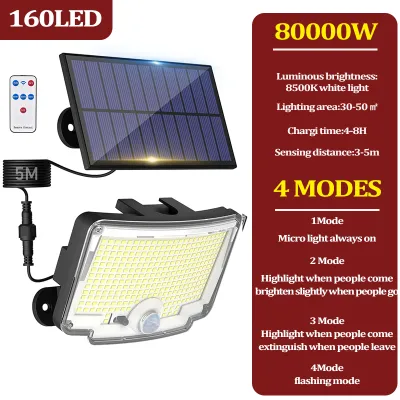
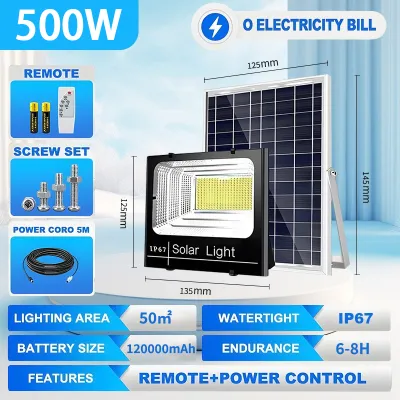
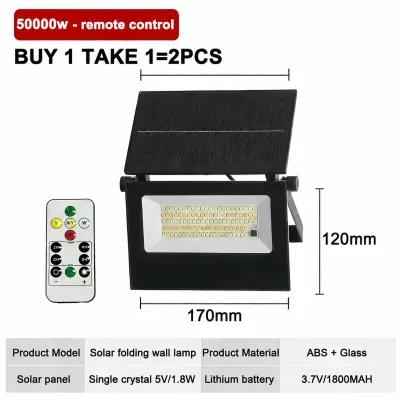
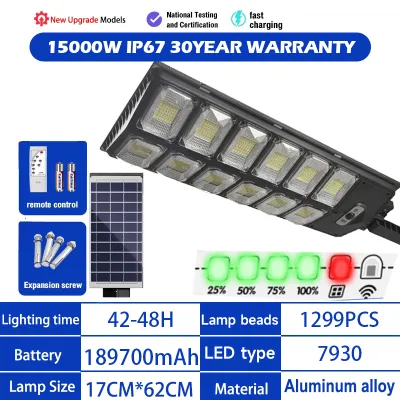
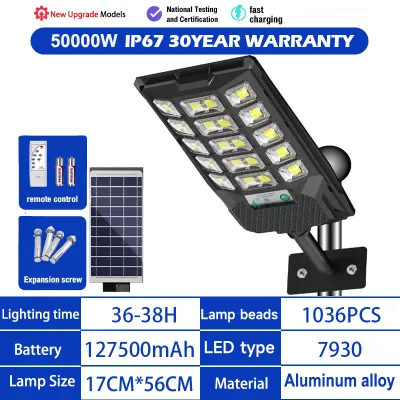
Prices are valid at publication and may change. Please refer to the product page for the latest price.
Moisture ingress is the primary threat to outdoor lighting. When heavy rain falls continuously, water can find its way into the smallest gaps in a fixture’s housing. If water penetrates the outer shell, it can cause immediate electrical short circuits, bypass the control board, and ruin the light-emitting diodes (LEDs). Furthermore, high relative humidity accelerates the oxidation of internal metal components. Even if a light does not experience a direct leak, persistent airborne moisture can cause copper wires, battery terminals, and solder joints to corrode, leading to intermittent flickering or permanent failure.
Another major challenge during the rainy season is the dramatic reduction in solar irradiance. Overcast skies, thick cloud cover, and active rainstorms block direct sunlight, leaving only diffuse ambient light to reach the photovoltaic panels. Because solar panels require solar energy to generate electricity, prolonged cloudy periods mean the internal batteries will not fully charge. This results in significantly reduced operational runtimes at night, with some fixtures failing to turn on entirely after consecutive days of heavy rain.
Finally, physical durability is tested by strong winds and sudden temperature shifts. During a heavy downpour, the rapid cooling of a warm plastic or metal housing can create a temporary vacuum inside the fixture. This pressure differential can actively draw moisture through seals and joints that would otherwise be splash-proof under normal conditions. Therefore, any outdoor light deployed in this climate must possess robust seals, corrosion-resistant materials, and stable mounting hardware to survive the elements.
How to Verify the Weather Resistance of an Ookas Solar Light
Before purchasing an ookas solar light from an online marketplace or official brand store, you must look beyond general marketing terms like “waterproof” or “weather-resistant.” Instead, rely on verifiable technical specifications and physical design characteristics to determine if a specific model is suited for fully exposed outdoor areas.

Decoding IP (Ingress Protection) Ratings The most reliable indicator of a fixture’s water resistance is its Ingress Protection (IP) rating, which consists of two digits. The first digit (0 to 6) rates protection against solid objects like dust, while the second digit (0 to 9) rates protection against liquids. For outdoor lighting in the Philippines, you should look for the following standards:
- IP44: This rating indicates protection against solid objects larger than 1 millimeter and splashes of water from any direction. Fixtures with this rating are suitable only for semi-covered areas, such as under porch roofs, eaves, or covered patios where they will not face direct, heavy downpours.
- IP65: This rating means the fixture is completely dust-tight and can withstand low-pressure water jets from any angle. This is the minimum recommended rating for fully exposed garden lights, pathway stakes, and wall-mounted fixtures that must endure heavy tropical rain.
- IP67 or IP68: These ratings indicate that the fixture can withstand temporary or continuous immersion in water. While rarely necessary for standard decorative torches, this level of protection is ideal for low-lying ground lights prone to temporary pooling.
Always check the product manual, physical packaging, or official online store listings for these specific ratings rather than relying on promotional images.
Material and Build Quality Inspection The materials used in the construction of the light housing directly impact its ability to resist the elements over time. High-quality outdoor lights typically utilize UV-stabilized ABS plastic, polycarbonate, or rust-resistant metals such as powder-coated aluminum or stainless steel.
- Seals and Gaskets: Examine the joints where different parts of the housing meet. High-quality fixtures feature thick, pliable rubber gaskets or silicone O-rings at these interfaces to block moisture.
- Screws and Fasteners: Ensure that all external screws are made of stainless steel or treated to resist rust. Untreated iron or steel screws will quickly corrode in humid conditions, making future battery replacements or maintenance impossible.
- Drainage Holes: Some well-designed fixtures include small, integrated weep holes at the bottom of the housing to allow any minor internal condensation to drain away naturally without pooling around the electronics.
Solar Panel and Battery Housing The integration of the solar panel and the battery compartment is a common failure point in low-cost solar lighting. In superior designs, the battery compartment is isolated in its own sealed chamber, separate from the primary light housing and the solar panel assembly. This dual-layer protection ensures that even if moisture manages to bypass the outer seal of the solar panel, it cannot easily reach the rechargeable battery terminals or the main control circuit. Additionally, check if the solar panel is covered with tempered glass rather than cheap PET plastic, as glass resists clouding and scratching far better under intense tropical sun and rain.
Installation Strategies to Protect Solar Lights in Wet Conditions
Proper installation is just as critical as build quality when it comes to extending the lifespan of your outdoor lighting. By taking strategic steps during setup, you can minimize environmental wear and optimize performance even during the gloomiest monsoon weeks.
Placement and Angling To get the most out of your solar panels during the rainy season, place them in areas that receive unobstructed light. In the Philippines, angling solar panels slightly to the south or southwest helps maximize solar exposure throughout the year.
- Preventing Water Pooling: Never mount a solar panel completely flat. Angling the panel at a minimum of 15 to 30 degrees ensures that rainwater runs off immediately. This gravity-assisted runoff also helps wash away dust, pollen, and fallen leaves, keeping the panel clean and efficient.
- Cable Management: If your model features a detached solar panel connected by a cable, ensure the connection points are tightly screwed and wrapped in weather-resistant electrical tape. Route the cable so that it hangs in a "drip loop" before entering the light housing, forcing water to drip off the bottom of the loop instead of running directly into the connection port.
Avoiding Splash and Flood Zones Ground-level fixtures, such as decorative torches or pathway stakes, are highly vulnerable to water accumulation.
- Avoid Roof Drip Lines: Do not place lights directly beneath the edge of your roof or gutters. The concentrated force of falling water from a roof can easily overwhelm the seals of an IP65-rated light and cause physical damage.
- Elevate Above Standing Water: Identify areas in your yard where water tends to pool during heavy downpours. Avoid staking lights in these depressions. Instead, install them on raised garden beds, stone pedestals, or secure them to walls or fences well above the ground splash zone.
Mounting Security Monsoon rains in the Philippines are frequently accompanied by strong, gusty winds.
- Sturdy Staking: If you are using ground stakes, push them deep into firm soil. Wet soil becomes soft and loose, which can cause shallow stakes to tilt or fall over, submerging the light head in mud.
- Secure Hanging: For hanging lanterns, use closed-loop hooks rather than open S-hooks. This prevents strong winds from lifting the lantern off its mount and dropping it onto hard surfaces.
Rainy Season Maintenance: Keeping Your Solar Lights Functional
Even the most durable solar lights require periodic maintenance to perform reliably during prolonged wet periods. Implementing a simple, safe, and reversible maintenance routine can prevent premature failure and keep your garden illuminated.
Cleaning the Solar Panel During the rainy season, wind-blown dust, mud splashes, and hard-water spots can accumulate on the surface of the solar panel. This debris acts as a physical barrier, further reducing the panel’s ability to charge under overcast skies.
- Safe Cleaning Method: Gently wipe the panel surface using a soft, clean microfiber cloth dampened with clean water.
- What to Avoid: Never use abrasive scrubbing pads, steel wool, or harsh chemical detergents like bleach or ammonia. These can scratch or chemically degrade the protective outer coating of the solar panel, permanently reducing its light transmission efficiency.
Moisture and Condensation Checks It is common for minor condensation to form inside outdoor lights due to rapid temperature changes. However, if you notice visible water droplets pooling inside the lens, prompt action is required to save the fixture.
- Step 1: Power Isolation: Turn off the physical power switch on the unit immediately to prevent electrical shorting.
- Step 2: Disassembly: Carefully open the battery compartment or lens cover as permitted by the manufacturer's user manual.
- Step 3: Drying: Remove the rechargeable batteries (if they are designed to be user-accessible) and wipe all internal surfaces with a dry, lint-free cloth.
- Step 4: Ventilation: Leave the disassembled components in a dry, shaded, and well-ventilated indoor area for 24 to 48 hours until all traces of moisture have evaporated. Do not use hair dryers or expose the open electronics to direct, intense heat.
Battery Care and Storage The rechargeable batteries inside solar lights (typically NiMH or Li-ion chemistry) are highly sensitive to deep discharge cycles. When consecutive rainy days prevent the panel from charging, the battery can drain to absolute zero. If left in this state for weeks, the battery may lose its capacity to hold a charge permanently.
- Preventative Shutdown: If the weather forecast predicts several days of continuous heavy rain or a tropical depression, turn the light's switch to the "off" position. This prevents the light from turning on at night and draining the remaining battery charge, preserving its overall lifespan.
- Off-Season Storage: If you choose to store your lights during the worst months of the wet season, clean them thoroughly, ensure they are completely dry, remove the batteries (if possible), and store them in a cool, dry indoor location.
Making the Final Decision: Matching the Light to Your Outdoor Space
Choosing the right solar lighting setup involves matching the technical capabilities of the fixture with the specific microclimate of your outdoor space. By analyzing your property’s layout, you can deploy your lights safely and effectively.
Matching the Light to the Zone Not every corner of your yard requires maximum waterproofing. Decorative style and perceived color temperature are great for setting a mood, but environmental compatibility should always dictate your technical selections.
- High-Exposure Zones: Open lawns, uncovered pathways, and garden perimeters are fully exposed to the elements. For these areas, select fixtures with a minimum rating of IP65, robust metal or UV-resistant thick plastic housings, and secure mounting mechanisms.
- Semi-Covered Zones: Covered patios, carports, and porches offer significant protection from direct vertical rainfall. In these areas, IP44-rated fixtures are often perfectly adequate, allowing you to focus more on decorative styles and ambient color temperatures without worrying about extreme water ingress.
Reviewing Warranties and Return Policies When purchasing solar lighting through online marketplaces or official brand stores, pay close attention to the warranty terms. Ookas solar lights generally fall into affordable price bands (typically ranging from ₱300 to ₱1,500 depending on the size and model), making them an accessible option, but verifying buyer protection is still essential.
- Water Damage Coverage: Verify if the warranty explicitly covers water ingress or if it only covers general manufacturing defects.
- Return Window: Familiarize yourself with the platform's return policy. Test your lights immediately upon delivery by covering the solar panel to simulate darkness and checking for proper operation before deploying them outdoors.
Considering Alternatives While solar lights offer excellent convenience and zero operating costs, they may not be the ideal solution for every scenario. If you have areas of your property that remain completely shaded even on sunny days, or low-lying zones that experience frequent, unavoidable flooding during the monsoon, solar-powered options will fail to perform.
- Hardwired Low-Voltage Systems: For critical security lighting or high-risk wet areas, consider transitioning to a hardwired, low-voltage (12V or 24V) outdoor lighting system.
- Safety and Installation Boundaries: Keep in mind that any fixed wiring installation, especially in damp or wet outdoor environments, carries electrical safety risks. Always isolate the main power source before attempting any electrical work, follow the manufacturer's precise installation instructions, and consult a qualified professional electrician to ensure compliance with local electrical safety standards.
Frequently Asked Questions (FAQ)
Do solar lights charge on cloudy or rainy days?
Yes, solar lights can still charge during overcast or rainy days, but their efficiency drops significantly. Solar panels utilize diffuse daylight to generate electricity, meaning they do not require direct sunlight to function. However, because diffuse light carries much less energy than direct sunlight, the charging process is much slower. During the peak of the Philippine rainy season, a solar light that normally runs for 8 to 10 hours after a sunny day may only stay illuminated for 2 to 4 hours after a heavily overcast day.
Can I leave solar lights out during a typhoon?
No, you should not leave portable solar lights, lanterns, or torches outdoors during a typhoon. While high-quality fixtures may have excellent IP65 or IP67 water resistance ratings, typhoons bring extreme wind speeds and torrential horizontal rain that can exceed normal testing parameters. Strong winds can easily dislodge stakes, sending fixtures flying and causing physical damage. Additionally, flying debris can shatter solar panels or plastic housings. To protect your investment, bring all portable solar lights indoors before a storm makes landfall.
Community discussion
Share your experience or ask a question. Comments are reviewed before publication.