
Finding genuine solar lights outdoor original products requires a keen eye for detail. With the market flooded by cheap imitations, telling the difference between an authentic, durable solar fixture and a counterfeit copy comes down to inspecting the physical build, verifying the technical specifications on the packaging, and purchasing through authorized channels. By learning how to spot these quality markers, you can protect your investment and ensure your outdoor spaces remain safely and reliably illuminated.
Why Fake Solar Outdoor Lights Are a Problem
Counterfeit solar lights often fail within weeks of installation, leading to immediate frustration. They typically utilize substandard internal components that cannot sustain a charge, resulting in dim illumination and a rapidly declining operational lifespan. In tropical environments characterized by high humidity, intense heat, and heavy seasonal rains, these low-quality units present serious safety hazards that should not be ignored.
Substandard lithium batteries inside fake fixtures can easily overheat under intense daily sunlight, leading to swelling, leakage, or even combustion. Furthermore, the lack of proper weatherproofing allows water to seep into the housing, causing rapid corrosion and electrical short circuits. Over time, the constant cycle of replacing cheap, broken fixtures accumulates a much higher financial cost than investing in a single, high-quality original unit.
Products mentioned in this guide
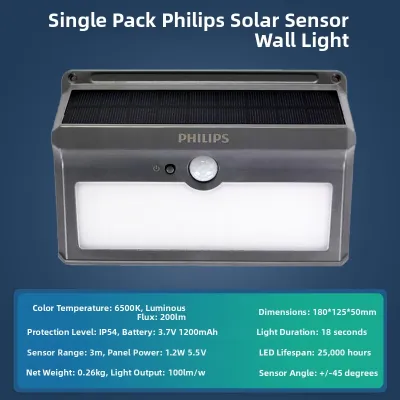
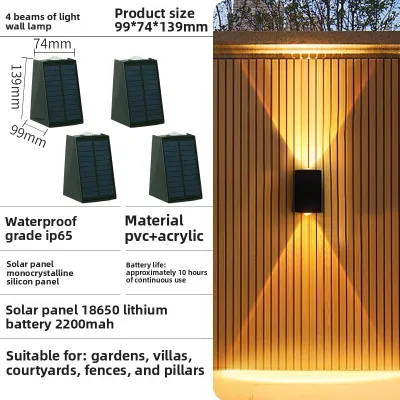
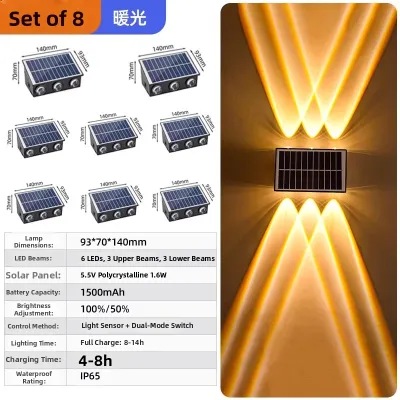
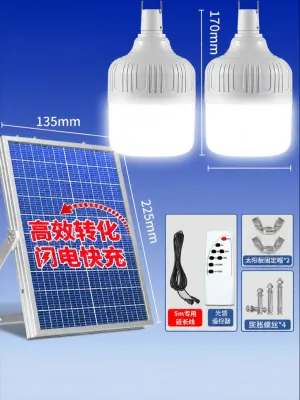
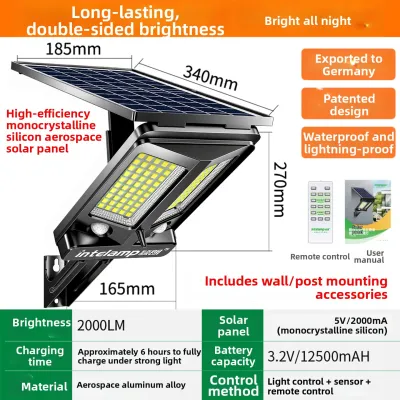
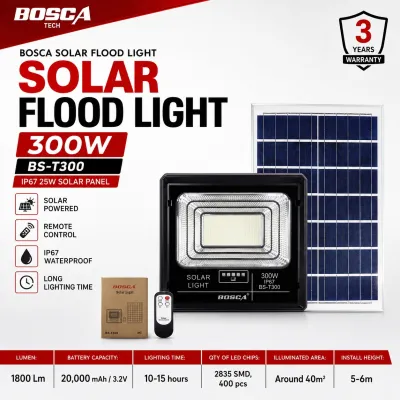
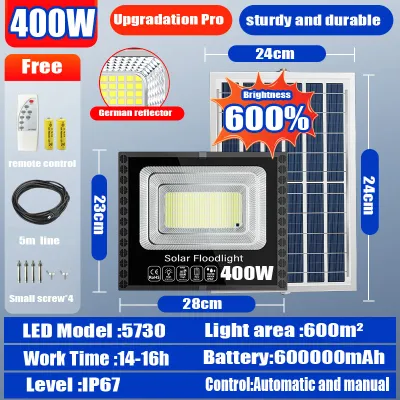
Prices are valid at publication and may change. Please refer to the product page for the latest price.
Physical Quality Markers: Inspecting the Build and Components
Evaluating the physical construction of a solar light is one of the most reliable ways to distinguish genuine quality from cheap imitations. Start by looking closely at the solar panel integrated into the top of the fixture. Genuine solar lights outdoor original models typically feature monocrystalline or polycrystalline panels with uniform cell alignment, clean edges, and a solid protective cover. Fake units often use cheap, thin plastic covers that cloud over, yellow, or warp under UV exposure, whereas original fixtures utilize tempered glass or high-grade, UV-stabilized polymers to maximize solar absorption.

Next, examine the battery compartment if the design allows user access. Original solar lights use properly specified, high-capacity rechargeable batteries, such as Lithium Iron Phosphate (LiFePO4) or high-grade Lithium-ion cells, with clear brand markings, capacity ratings, and safety certifications printed directly on the sleeve. Counterfeits frequently contain unmarked, lightweight, or mismatched batteries that do not match the advertised capacity, sometimes even utilizing recycled cells that fail to hold a charge after a few cycles.
Material density and seam sealing are also critical indicators of authenticity. Authentic outdoor lights are constructed from heavy-duty, UV-resistant ABS plastic, aluminum, or stainless steel with thick walls that resist impact. Examine the seams where the housing pieces meet; original units feature tight tolerances, rubber or silicone gaskets, and clear IP-rating indicators (such as IP65 or IP66) molded into the body. Fake lights often have thin, flexible plastic shells, visible gaps along the seams, and no physical sealing gaskets, leaving them vulnerable to moisture ingress.
Finally, inspect the LED chips and the internal circuit board if they are visible through the lens. Genuine lights feature neatly soldered, evenly spaced LEDs mounted on a clean, professional printed circuit board (PCB). Counterfeit units often show messy, hand-soldered joints, loose wires, and misaligned components that are highly susceptible to vibration and thermal stress. For larger, fixed-wiring solar systems or streetlights mounted at height, always prioritize safety by following the manufacturer’s installation instructions, ensuring proper power isolation during setup, and consulting a qualified professional for secure mounting.
Packaging, Labels, and Documentation Checks
Authentic manufacturers invest in high-quality packaging to protect their products and represent their brand professionally. Look for crisp, high-resolution graphics, accurate color reproduction, and clear, legible text on the retail box. Blurry logos, pixelated images, misspelled words, or grammatical errors are immediate red flags indicating a counterfeit product that has bypassed quality control.
Cross-reference the technical specifications printed on the box with realistic industry standards for the size of the unit. If a small, budget-friendly solar pathway light claims to output 10,000 lumens or features a 20,000mAh battery inside a tiny housing, it is almost certainly a fake. Original manufacturers provide realistic ratings that align with the physical size of the solar panel and battery. Always verify the voltage, base or interface type, wattage limits, physical dimensions, and dimming methods listed on the label to ensure they match your installation environment.
Genuine products include comprehensive, well-translated user manuals with clear installation instructions, safety warnings, and manufacturer contact information. They also display verifiable safety and electrical certification marks that match the product’s intended market. Fake products often come with generic, poorly translated single-sheet instructions or lack certification markings entirely, leaving you without a clear guide for safe operation.
Evaluating Seller Credibility and Purchase Channels
To guarantee you are purchasing a genuine product, prioritize official brand stores, flagship outlets, or authorized distributors. Avoid buying from unverified third-party sellers on online marketplaces who offer no proof of authorization. Authorized sellers are happy to provide documentation or verify their supply chain to give you peace of mind.
Analyze customer reviews carefully before making a purchase on any e-commerce platform. Look for recurring complaints regarding rapid battery degradation, water leakage after the first rain, or physical dimensions that do not match the product listing. Be skeptical of listings with hundreds of generic, overly positive reviews that lack detailed photos or specific feedback about long-term performance, as these are often fabricated to mask low-quality products.
Compare prices across multiple authorized retailers to spot unrealistic deals. If a seller offers a premium solar floodlight for ₱300 when the official store lists it at ₱2,500, the extreme discount is a strong indicator of a counterfeit or substandard replica. Genuine solar technology requires quality materials, and realistic prices reflect the cost of reliable batteries, efficient solar cells, and durable housing.
What to Do If You Suspect You Bought a Fake
If you receive a solar light and suspect it is a counterfeit, immediately document your findings to build a strong case. Take clear, high-resolution photos of the packaging, blurry logos, incorrect specification labels, and any physical defects like poor soldering, thin plastic, or missing weatherproofing gaskets. Keep all original packaging and receipts as proof of purchase.
Use the buyer protection and dispute resolution policies of the e-commerce platform where you made the purchase to initiate a return request. Submit your documented photos and a detailed description of why the product is not authentic to request a full refund. Most reputable platforms have strict policies against counterfeit goods and will protect your purchase if you provide clear evidence.
Report the counterfeit listing to the original brand manufacturer to help them take action. Many brands have dedicated legal or customer support channels to handle counterfeit reports, helping them take down fraudulent sellers and protect other consumers from scams. By reporting these listings, you contribute to a safer marketplace for everyone.
Frequently Asked Questions (FAQ)
Can I test a solar light's authenticity just by looking at its brightness?
No, initial brightness is not a reliable indicator of authenticity. Counterfeit solar lights can use cheap, overdriven LEDs that appear exceptionally bright when first turned on but rapidly dim as the substandard battery drains. Authentic lights are engineered for sustained runtime, utilizing smart controllers to manage power output so the light remains functional throughout the night and maintains its performance over years of daily charge cycles. Note that decorative style, perceived color temperature (such as warm white versus cool white), and spatial effects are subjective preferences and do not indicate a light’s authenticity or quality.
Do all original solar lights come with a warranty card?
While premium brands typically include a dedicated warranty card and online registration options, some budget-friendly genuine brands may rely on the retail receipt or the official store’s purchase history for warranty claims. To verify the warranty terms, check the manufacturer’s official website or contact their customer support directly to confirm their authorized warranty channels. If a seller claims a product has a multi-year warranty but cannot provide clear registration instructions or official contact details, the product may not be genuine.
Is it safe to use a fake solar light if it turns on?
Using a counterfeit solar light carries significant safety risks, even if the unit appears to function initially. Substandard, unregulated lithium batteries can swell, leak toxic chemicals, or even catch fire when exposed to high outdoor temperatures and direct sunlight. Additionally, the lack of proper weatherproofing can allow rainwater to enter the housing, leading to short circuits, corrosion, and potential electrical hazards in wet outdoor environments.
Community discussion
Share your experience or ask a question. Comments are reviewed before publication.