
Transforming your home’s exterior for the holiday season brings a unique warmth and festive spirit to the neighborhood, especially during the long, joyful “Ber” months in the Philippines. A well-planned outdoor lighting display does more than simply illuminate the dark; it highlights your home’s architectural features, welcomes guests with a warm glow, and serves as a creative expression of holiday cheer. Achieving a stunning and safe display requires balancing visual design with practical considerations like weatherproofing, electrical safety, and structural care. By selecting the right fixtures and arranging them thoughtfully, you can create a captivating holiday scene that withstands tropical weather and keeps your home safe throughout the festivities.
How to Choose the Right Outdoor Christmas Lights
Selecting the proper equipment is the foundation of any successful outdoor holiday display. Unlike indoor decorations, exterior lights must endure environmental stressors such as high humidity, sudden tropical downpours, and intense heat. To ensure durability, always check the Ingress Protection (IP) rating on the product packaging. For outdoor applications, look for lights rated at least IP44, which protects against splashing water from all directions, or IP65, which offers higher resistance to heavy rain and dust.
When selecting your lights, verify the voltage (ensuring it matches the local 220V standard), the base or interface type, and the maximum wattage limit of your circuits. It is also important to check the physical dimensions of the light strings and confirm whether your chosen dimming method is compatible with the bulbs. Always look for official electrical certification marks, such as the Product Safety (PS) mark or Import Commodity Clearance (ICC) sticker, to verify that the products have undergone proper safety testing for your specific installation environment.
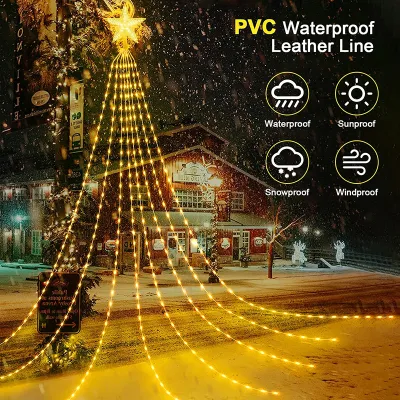
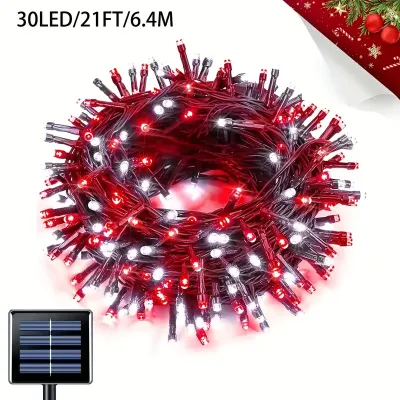
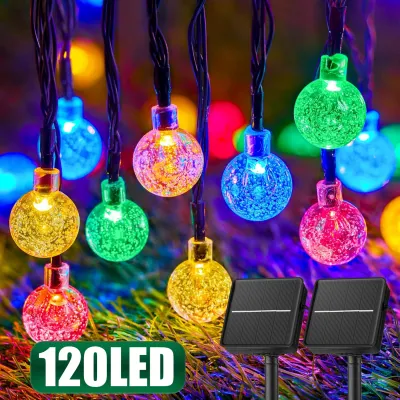
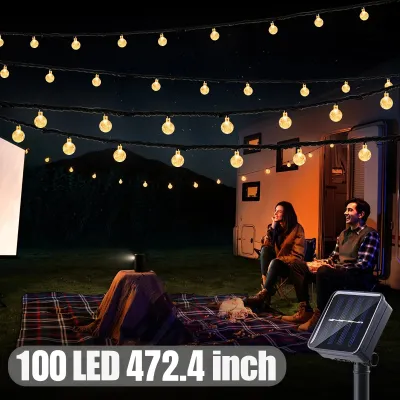
Products mentioned in this guide
![YEELITE [ BUY 1 TAKE 1 ] 9M 80 LED Outdoor Christmas Christmas Wedding Party Decorations Holiday 110v/220v Garland Lighting 9m String Lights](https://img.lazcdn.com/g/p/be98746fc3e80725442b36051a13b36b.png_400x400q80.png_.webp)
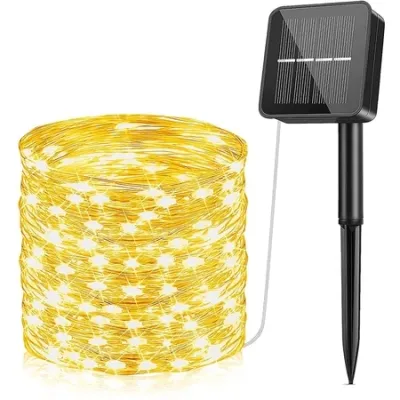
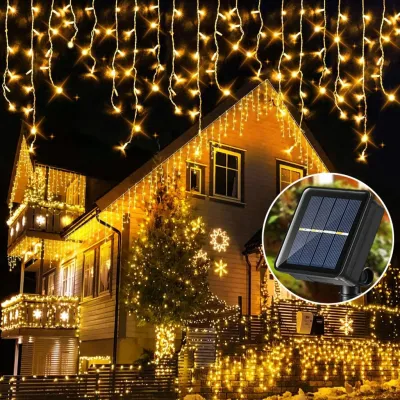
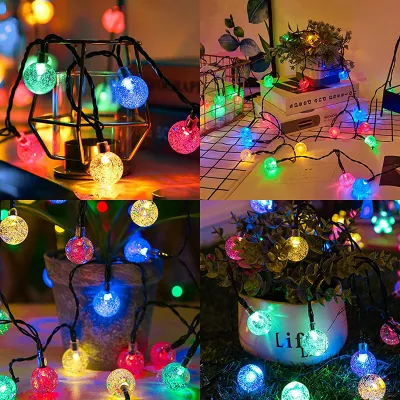
Prices are valid at publication and may change. Please refer to the product page for the latest price.
When comparing light sources, light-emitting diode (LED) options generally offer significant advantages over traditional incandescent bulbs for outdoor setups. LEDs consume substantially less electricity, which is a key consideration for displays running several hours every evening. They also emit minimal heat, reducing the risk of scorching nearby foliage or dry decorative materials, and they typically have a much longer operational lifespan.
Before buying your lights, measure the physical dimensions of the installation areas, including rooflines, pillars, and garden boundaries. Note the distance from your exterior power outlets to the starting point of each light string. This measurement helps you calculate the exact cable lengths required and determine the necessary bulb spacing, preventing the need to stretch wires tightly or daisy-chain too many sets together, which can overload your circuits.
Festive Lighting Ideas for Different Exterior Areas
Creating a balanced outdoor display involves layering lights across different zones of your property. By treating your home’s exterior as a multi-dimensional canvas, you can guide the viewer’s eye from the roofline down to the garden beds and pathways.

Rooflines, Eaves, and Windows
Outlining the roofline and eaves is one of the most effective ways to define your home’s architectural silhouette and add vertical interest to your display. Icicle lights are highly suitable for gutters and fascia boards, creating a classic cascading effect, while standard string lights offer a clean, continuous border. Whether you prefer the crisp look of cool white or the cozy feel of warm white is a matter of personal preference, as different color temperatures can dramatically alter the perceived spatial effect of your home.
Windows provide another excellent framing opportunity. Using flexible wire lights or traditional string lights to outline window frames helps highlight the symmetry of your home and creates a warm, inviting look from both the inside and outside. This technique adds depth to the front facade, making the property appear larger and more layered.
To secure these lights safely, avoid using nails, staples, or metal screws, which can pierce wire insulation, damage your home’s exterior finish, or invite moisture into wooden structures. Instead, employ plastic gutter clips, shingle clips, or adhesive hooks designed specifically for outdoor use, which hold the wires firmly in place without compromising structural integrity.
Trees, Shrubs, and Garden Beds
Integrating your garden into the holiday display adds depth and a natural, organic warmth to the overall look. Wrapping tree trunks and primary branches with mini string lights or delicate fairy lights emphasizes the natural structure of your trees, creating a dramatic, glowing focal point in the yard.
For uniform shrubs, hedges, and low garden beds, draping net lights over the foliage provides quick, even coverage without the frustration of untangling individual strands. This method ensures a balanced distribution of light across rounded or rectangular plant shapes with minimal effort, saving time during both installation and teardown.
When decorating living plants, take care not to wrap wires too tightly around branches or trunks. Tight wrapping can constrict the plant’s natural growth, damage delicate bark, or snap fragile stems. Additionally, ensure that the lights used generate minimal heat to prevent drying out or scorching the leaves, keeping your garden healthy throughout the festive season.
Pathways, Driveways, and Lawns
Ground-level lighting guides visitors safely to your door while grounding the entire display and filling empty spaces in the yard. Lining your walkways, driveways, and garden paths with stake lights or decorative luminaries establishes clear borders and enhances nighttime safety.
For large, flat lawn areas where stringing lights might be impractical or time-consuming, laser projectors or outdoor motif lights offer an efficient alternative. These devices project moving holiday patterns or static light points across wide surfaces, providing high visual impact with minimal setup and teardown effort. When using projectors, adjust the angle carefully to avoid shining light directly into the eyes of drivers or neighbors.
Because ground-level fixtures are highly exposed to moisture, soil contact, and accidental foot traffic, verify that all equipment used in these areas is specifically rated for ground placement. Ensure that all electrical connections are elevated on stakes or housed in protective, weather-resistant boxes to prevent water from pooling around the plugs during sudden downpours.
Highlighting Local Tradition: Outdoor Parol Displays
No holiday display in the Philippines is complete without the iconic Parol, the traditional star-shaped lantern that symbolizes hope, light, and the warmth of the season. Integrating a Parol into your exterior design adds a deeply personal and cultural touch to your holiday decorations.
When selecting a Parol for outdoor use, material choice is paramount to ensure it survives the elements. Opt for lanterns constructed from weather-resistant materials such as treated bamboo, durable waterproof plastics, or capiz shells coated with protective resin. Standard paper or untreated fabric lanterns should be avoided outdoors, as they quickly deteriorate when exposed to humidity and rain.
Carefully plan the hanging location of your Parol to maximize its visibility while protecting it from harsh weather. Covered porches, balconies, verandas, or sheltered exterior walls are ideal spots, as they offer overhead protection from sudden downpours and shield the delicate structure from strong winds. Secure the lantern firmly using heavy-duty outdoor cords or chains to prevent it from swinging excessively and hitting nearby walls.
Before hanging and plugging in your Parol, thoroughly inspect its internal electrical components. Check the wiring, light sockets, and plugs for any signs of wear, corrosion, or loose connections. Since many traditional Parols feature intricate, multi-bulb flashing patterns, ensuring the electrical assembly is completely dry and secure is vital before exposing it to the outdoor environment.
Safety and Installation Checklist for Outdoor Lighting
Prioritizing safety during the installation process protects your home, your family, and your investment in holiday decor. Taking a systematic approach to electrical safety prevents hazards and ensures your display runs smoothly throughout the season.
Begin by conducting a comprehensive pre-installation inspection of all your lighting equipment. Lay out every light string on a dry surface and plug them in to check for dead bulbs, frayed cords, cracked insulation, or loose sockets. Discard any damaged sets immediately rather than attempting temporary tape repairs, which can fail under outdoor conditions.
Always use extension cords that are explicitly labeled for outdoor use, as these are designed to resist moisture, UV rays, and temperature changes. Keep all electrical connections elevated off the ground—using specialized cord safety covers, stakes, or secure ties—to prevent water from pooling around the plugs during heavy rains.
For any tasks involving fixed wiring, installations in damp areas, working at height on ladders, managing heat-emitting fixtures, or securing suspended loads like heavy lanterns, strict safety boundaries must be maintained. Always prioritize complete power-isolation at the breaker before beginning, carefully follow the manufacturer’s installation-instruction manual, and recognize when a task exceeds your comfort level. For complex electrical configurations, high-roof access, or when calculating total electrical load to avoid overloading your home’s circuits, consulting a qualified professional is the safest and most reliable approach.
Frequently Asked Questions (FAQ)
Can I leave outdoor Christmas lights up all year?
While outdoor-rated lights are designed to withstand temporary exposure to the elements, leaving them up year-round is not recommended. Continuous exposure to intense tropical sunlight, high UV levels, heavy seasonal rains, and temperature fluctuations accelerates the degradation of plastic insulation and wire coatings. Over time, this exposure leads to cracking, water intrusion, and severe electrical hazards. Taking your lights down after the holiday season, cleaning them, and storing them in a cool, dry place greatly extends their lifespan and ensures they remain safe for future use.
How do I prevent outdoor light cords from tripping guests?
Managing cables in high-traffic areas is essential for preventing trips and falls. Route your extension cords along the edges of walkways, garden beds, or fences rather than laying them directly across paths. If a cord must cross a walkway, use heavy-duty, outdoor-rated rubber cord covers that lie flat against the ground and protect the cable from foot traffic. You can also secure cords running through lawn areas using plastic landscape staples to keep them flush with the soil, ensuring they do not catch on shoes or lawnmowers.

Community discussion
Share your experience or ask a question. Comments are reviewed before publication.