
Quick Answer: Can Fairy Lights Handle the Rainy Season?
Outdoor fairy lights can survive the Philippine rainy season, but their survival depends entirely on their specific waterproof rating, material quality, and installation methods. Standard indoor fairy lights are not built to withstand tropical downpours and will fail rapidly, posing severe electrical and fire hazards if exposed to moisture.
To ensure your outdoor lighting remains safe and functional throughout the monsoon months, you must select products explicitly rated for wet outdoor environments. Installing them using proper weatherproofing techniques and isolating electrical connections from direct rainfall will help protect your investment and keep your outdoor spaces safely illuminated.
Decoding Waterproof Ratings for Tropical Weather
Understanding Ingress Protection (IP) ratings is the most reliable way to determine if your fairy lights can withstand a tropical downpour. The IP rating consists of two digits: the first measures protection against solid objects like dust, while the second measures protection against liquids. For outdoor installations in areas exposed to heavy rain, you must focus closely on this second digit to ensure adequate protection.
Products mentioned in this guide
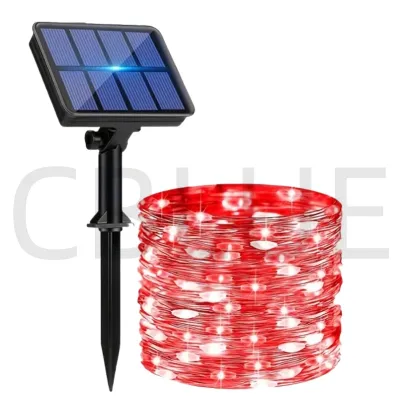
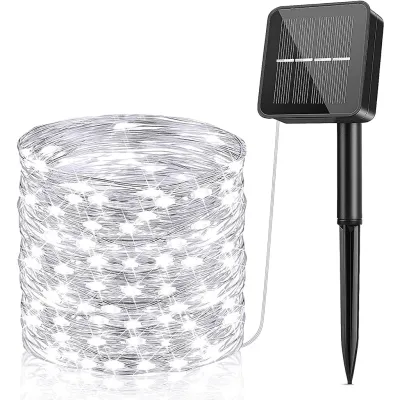
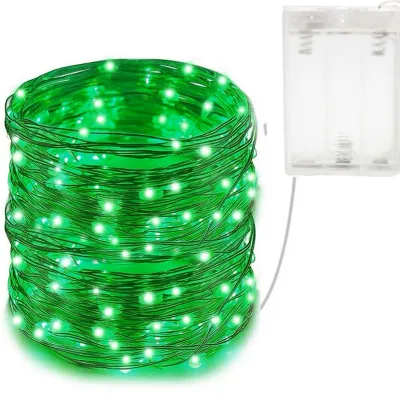
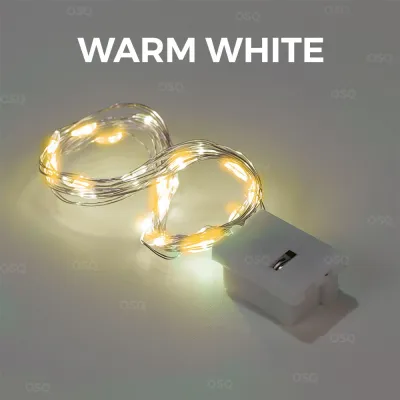
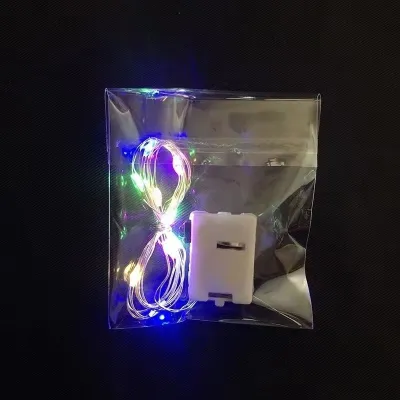
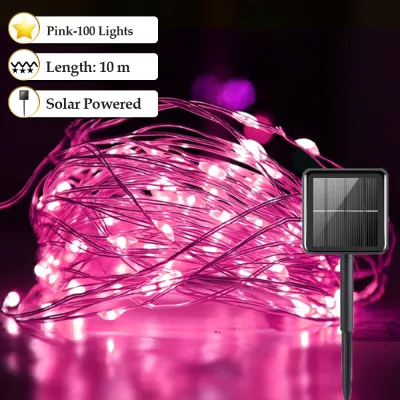
Prices are valid at publication and may change. Please refer to the product page for the latest price.

An IP44 rating indicates that the lights are protected against splashing water from any direction. While this level of protection is often sufficient for covered patios, balconies, or semi-protected outdoor spaces, it is generally inadequate for open garden areas during the height of the monsoon season. Heavy, wind-driven rain can easily bypass IP44 seals over time, leading to internal moisture accumulation and electrical failure.
For fully exposed outdoor areas, such as trees, fences, or open pergolas, you should look for lights rated IP65 or higher. An IP65 rating indicates protection against water jets, meaning the product can withstand direct, heavy rainfall without water entering the electrical housing. IP67 ratings offer even greater protection, allowing temporary immersion in water, which is highly beneficial for low-lying garden areas prone to temporary pooling during sudden downpours.
Always check the manufacturer’s packaging, product labels, or official documentation to confirm these ratings. If a product lacks a clear IP rating or only lists vague terms like “water-resistant,” it is safest to assume it is not built for heavy tropical rain. Additionally, verify that the operating voltage matches the standard 220V electrical system used in the Philippines, and check for recognized electrical safety certifications on the label before purchasing.
Choosing the Right Materials for High Humidity and Heavy Rain
The materials used in your fairy lights play a critical role in how well they resist the constant moisture and intense UV exposure of the Philippine climate. Standard plastic wiring can degrade rapidly when subjected to alternating cycles of scorching tropical sun and torrential rain. This degradation leads to brittle insulation, which eventually cracks and exposes live wires to moisture.
When selecting outdoor fairy lights, look for heavy-duty rubberized or thick PVC-insulated cables. Rubber cables tend to remain flexible and intact under extreme weather conditions, resisting both UV cracking and water penetration much better than thin, cheap plastic alternatives. Copper wiring inside these cables should be sufficiently thick to handle the electrical load without overheating.
Pay close attention to the construction of the bulb sockets and connectors. High-quality outdoor string lights often feature molded sockets that form a tight, waterproof seal around the base of each bulb. This design prevents water from trickling down the bulb and entering the electrical socket.
Inspect the metal components of the lights, including the plug prongs and any exposed connectors. Look for corrosion-resistant materials such as brass or nickel-plated copper. Standard iron or low-grade steel connectors will rust rapidly in high humidity, leading to poor electrical contact and eventual failure. Check the product labels specifically for UV-stabilized and weatherproof material claims to ensure long-term durability.
Safe Installation Practices for Wet Outdoor Environments
Installing electrical equipment outdoors during or before the rainy season requires strict adherence to safety protocols to prevent electrical shocks or short circuits. Before you begin handling any outdoor wiring, hanging lights, or adjusting connections, always turn off the main power supply at your breaker panel. Never attempt to install or adjust outdoor lighting while the circuit is live or when the ground is wet.
Protecting connection points is paramount. Even if your fairy lights are rated for outdoor use, the plug that connects to your outdoor outlet is often a vulnerable point. Always plug your lights into a weatherproof outdoor outlet cover that remains sealed even when a plug is inserted. If you must connect multiple light strands together, use specialized weatherproof connection enclosures or wrap the connections securely in heavy-duty electrical tape and silicone sealant, keeping them elevated off the ground.
Create drip loops in your wiring. A drip loop is a simple loop in the cord just before it enters an outlet, connector, or housing. This loop forces rainwater to trickle down to the bottom of the curve and drip safely onto the ground, rather than running directly along the wire and into the electrical connection.
For complex setups, fixed outdoor wiring, or installations that require working at significant heights, do not attempt a DIY installation. Suspended loads, high-voltage lines, and damp environments present severe hazards. In these scenarios, you must stop and hire a licensed electrician to install dedicated outdoor circuits, proper grounding, and Ground Fault Circuit Interrupter (GFCI) protection to ensure your system is fully safe and compliant with local electrical codes.
Maintaining Your Fairy Lights During and After the Monsoon
Regular maintenance is essential to extend the lifespan of your outdoor fairy lights through the challenging monsoon months. Establish a routine to perform visual inspections before the heavy rains begin and immediately after severe weather events. Look closely for any signs of physical damage, such as sagging wires, loose bulbs, or cracked insulation.
Over time, outdoor lights can accumulate dirt, fallen leaves, mold, and algae, which trap moisture against the seals and accelerate degradation. To clean your lights safely, disconnect them completely from the power source. Use a soft, damp cloth with mild soapy water to gently wipe down the wires and bulb exteriors. Avoid using harsh chemical solvents or abrasive scrubbers that could compromise the waterproof seals or scratch the protective coatings. Allow the entire assembly to dry completely before reconnecting the power.
When extreme weather events or severe typhoons are forecasted, the safest course of action is to take down your fairy lights and store them indoors. High winds can whip the cables against branches or structures, causing physical breaks, while flying debris can shatter bulbs. Store the dry lights in a cool, dry place, coiled loosely to prevent internal wire damage, until the severe weather passes.
What to Do When Your Outdoor Fairy Lights Stop Working
If your outdoor fairy lights suddenly fail during or after a heavy downpour, prioritize safety above all else. Do not touch the lights, wires, or outlets while the system is energized. Immediately disconnect the power source at the main breaker or unplug the system using dry hands and standing on a dry surface.
Once the power is completely isolated, you can begin a systematic visual inspection. Check the circuit breaker or GFCI outlet to see if it has tripped, which is a common indicator of water ingress or an electrical short. Inspect the visible parts of the light strand for obvious signs of damage, such as water trapped inside bulb covers, loose connections, or blown fuses in the plug.
If you find water inside a sealed bulb compartment or notice melted plastic, scorched connectors, or exposed copper wiring, do not attempt to repair the strand. Unsafe DIY repairs on damaged outdoor wiring can lead to electrical fires or severe shock hazards. In these cases, it is best to discard the damaged strand and replace it with a new, properly rated outdoor unit.
Frequently Asked Questions (FAQ)
Can I leave solar-powered fairy lights outside during heavy rain?
Yes, provided both the light strand and the solar panel assembly carry an appropriate outdoor waterproof rating, such as IP65. The solar panel housing, battery compartment, and physical buttons are highly vulnerable to water ingress. Always check the manufacturer’s instructions for specific limits, as some solar units are only splash-resistant and cannot withstand prolonged exposure to torrential tropical downpours or temporary submersion in garden puddles.
Is it safe to use extension cords with outdoor fairy lights?
You should only use extension cords that are explicitly rated for outdoor, wet-weather use. Standard indoor extension cords will fail rapidly and pose severe shock hazards when exposed to rain. Ensure that all connection points between the fairy lights and the extension cord are housed in weatherproof safety seals and kept elevated off the ground where water might pool. Additionally, never daisy-chain more light strands than the manufacturer’s specified limit, as overloading the circuit can cause overheating and electrical failure.
Community discussion
Share your experience or ask a question. Comments are reviewed before publication.