
Selecting the perfect christmas strobe lights depends entirely on where you plan to install them. Outdoor holiday displays demand robust, weather-resistant fixtures capable of surviving heavy tropical downpours and high humidity. In contrast, indoor setups prioritize visual comfort, low heat output, and seamless aesthetic integration with your living space. Choosing the wrong type not only ruins your festive display but can also introduce serious electrical and fire hazards.
Core Differences Between Outdoor and Indoor Strobe Lights
The fundamental division between outdoor and indoor holiday lighting lies in construction and environmental resilience. Exterior lights must withstand harsh outdoor conditions, including intense solar heat, sudden temperature swings, and heavy moisture. In tropical regions where sudden afternoon downpours and high relative humidity are common during the festive season, these environmental factors are even more critical. Without proper sealing, moisture can easily penetrate light housings, leading to short circuits or complete system failures.
Indoor lighting, on the other hand, operates in a controlled environment. The primary design concerns for interior lights shift toward human comfort and safety within confined spaces. Indoor strobe lights are engineered to minimize heat buildup, offer adjustable visual patterns, and blend subtly into home decor. They do not require heavy-duty waterproof casings, allowing manufacturers to focus on lightweight materials, variable speeds, and delicate designs.
Products mentioned in this guide
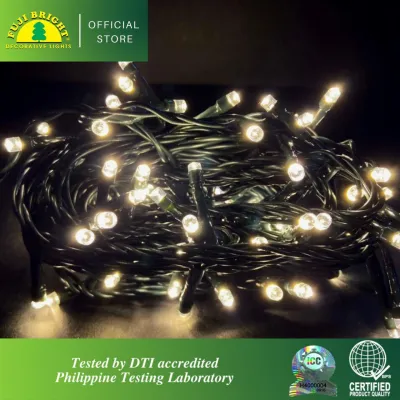
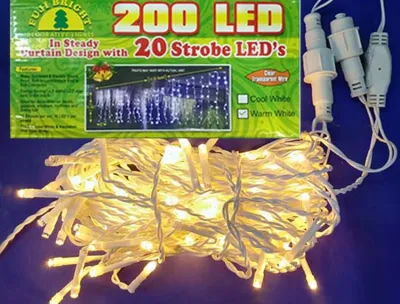
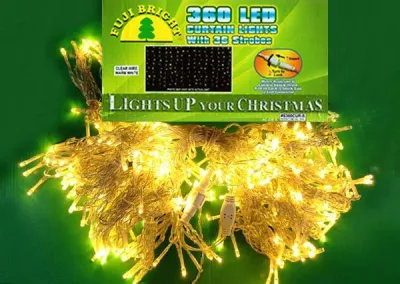
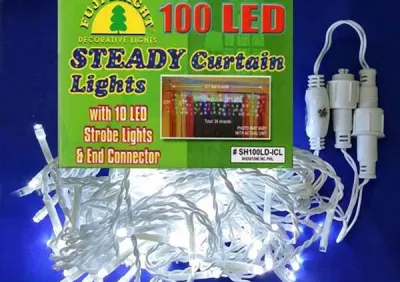
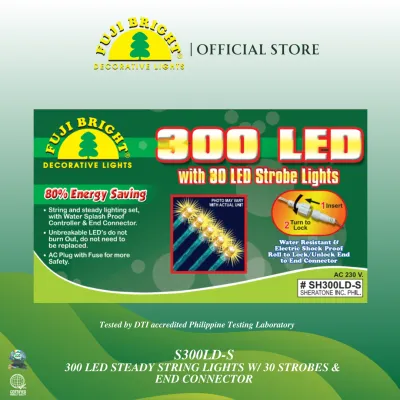
Prices are valid at publication and may change. Please refer to the product page for the latest price.
To make a safe and effective purchase, you must match the light’s environmental rating to its physical location. Using an indoor-rated light outside exposes it to moisture that it cannot handle, while using an outdoor light indoors can sometimes result in an overly bright, bulky display with heavy cabling that creates tripping hazards. Identifying these differences on the product packaging is the first step toward a successful holiday setup.
Selecting Outdoor Strobe Lights for Weather and Visibility
When planning an outdoor holiday display, your primary focus must be on durability and visibility. The exterior of your home is exposed to unpredictable weather, meaning any lights you install must be rated to handle wet conditions.

Weatherproofing and IP Ratings To verify a light’s weather resistance, always check the manufacturer’s packaging or product label for an Ingress Protection (IP) rating. An IP rating consists of two numbers: the first indicates protection against solid objects like dust, and the second indicates protection against liquids. For outdoor holiday displays, look for a minimum rating of IP44, which protects against splashing water from all directions. If you live in an area prone to severe tropical storms or heavy downpours, upgrading to IP65 or IP66 provides superior protection against low-pressure water jets and heavy rain. Never assume a product is waterproof simply because it is labeled “outdoor”; verify the specific IP rating before purchasing.
Power Options and Electrical Safety Outdoor strobe lights generally come in three power configurations: solar-powered, battery-operated, or plug-in. Solar-powered options are highly convenient and energy-efficient, though their performance depends heavily on daytime sunlight, which can be inconsistent during the rainy season. Battery-operated lights offer placement flexibility but require frequent battery replacements or recharging. For reliable, bright displays, plug-in models remain the standard. When using plug-in lights, you must use outdoor-rated extension cords and ensure all connections are plugged into ground-fault circuit interrupter (GFCI) outlets. Keep all plug connections elevated off the ground using specialized weatherproof safety covers or electrical tape to prevent water pooling around the terminals.
Brightness, Beam Angles, and Placement Outdoor strobe lights need to be significantly brighter than indoor models to remain visible against ambient street lighting and dark night skies. However, high brightness comes with the responsibility of careful placement. Look for lights with adjustable beam angles so you can direct the strobe effect precisely onto your roofline, trees, or house facade. Avoid pointing high-intensity strobes directly at neighboring windows or oncoming street traffic, as this can cause severe visual discomfort and safety hazards. Opt for models with adjustable speed settings so you can set a gentle, pulsing rhythm rather than a rapid, disorienting flash.
Choosing Indoor Strobe Lights for Ambiance and Safety
Indoor holiday displays are all about creating a warm, festive atmosphere without compromising the safety and comfort of your household. Because indoor lights are placed in close proximity to people, pets, and flammable furnishings, different selection criteria apply.
Heat and Material Safety Traditional incandescent bulbs can become incredibly hot to the touch, posing a significant fire risk when placed near dry Christmas trees, curtains, or paper decorations. When shopping for indoor strobe lights, prioritize low-heat LED models. LEDs convert the vast majority of their energy into light rather than heat, keeping them cool even after hours of continuous operation. Additionally, check that the light housing and wiring are made from flame-retardant materials. If you are decorating a real pine tree, ensure the tree is kept well-watered, as dry needles ignite much more easily under any electrical failure.
Visual Comfort and Photosensitivity Strobe lights flash rapidly, which can quickly lead to eye strain, headaches, or fatigue in a confined indoor space. More importantly, rapid flashing can trigger seizures in individuals with photosensitive epilepsy. To ensure the comfort of your family and guests, select indoor strobe lights that feature adjustable flash rates. Look for models that allow you to transition from a fast strobe to a slow, gentle fade or a steady-on mode. Dimmable features are also highly beneficial, letting you lower the intensity to match the ambient light of your living room or dining area.
Power and Control Convenience Indoor cable management is crucial for preventing tripping hazards, especially in busy household areas. USB-powered or battery-operated strobe lights are excellent choices for indoor displays because they eliminate the need for bulky, heavy-duty power bricks. USB-powered lights can be plugged directly into wall adapters, power banks, or smart plugs, allowing you to integrate them into your home automation system. If you choose plug-in models, route the cables along baseboards using non-damaging adhesive clips, and never run extension cords under rugs or carpets, as this traps heat and creates a fire hazard.
Cross-Scenario Compatibility: Can You Use the Same Lights Everywhere?
A common question during the holiday decorating season is whether you can simplify your setup by purchasing a single type of light for both indoor and outdoor areas. While some cross-compatibility exists, strict rules must be followed to avoid safety hazards.
The Outdoor-to-Indoor Rule Generally speaking, lights rated for outdoor use can safely be brought indoors. Because they are built to withstand harsh weather, they easily handle the dry, stable environment of a living room. However, outdoor lights are not always ideal for indoor spaces. They are often significantly brighter than necessary, which can overpower indoor decor and cause visual discomfort. Additionally, outdoor-rated lights frequently feature heavy, thick cabling and bulky waterproof power transformers that are difficult to conceal and can easily trip guests.
The Indoor-to-Outdoor Danger Under no circumstances should you use indoor-only lights outdoors. Indoor lights lack the protective seals, heavy-duty insulation, and water resistance required to withstand dew, humidity, and rain. Exposing an indoor-rated light to moisture can result in immediate water ingress, leading to severe electrical shocks, short circuits, blown fuses, or electrical fires. Even a brief exposure to morning dew can ruin the internal circuitry of an indoor light.
Identifying Dual-Rated Products If you want the flexibility of using your lights in either environment, look specifically for products certified as “indoor/outdoor.” These dual-rated lights feature the necessary weatherproofing for exterior use while maintaining a design, brightness level, and cable thickness that remains manageable for indoor spaces. Always inspect the product packaging, instruction manual, or safety label to verify this dual certification before installing them outside.
Safe Installation and Storage in Humid Climates
In tropical climates, high humidity and sudden rainstorms present unique challenges for both installing and storing holiday electronics. Proper care ensures your lights remain safe to use year after year.
Installation Safety Practices Before beginning any installation, especially one involving work at heights or damp areas, ensure the power source is completely isolated. Turn off the power at the circuit breaker before connecting any fixed wiring or outdoor outlets. When hanging lights along rooflines or gutters, use outdoor-rated plastic clips designed for holiday lighting rather than metal nails or staples, which can easily pierce the wire insulation and cause a short circuit. Ensure all plug connections are elevated off the ground to prevent them from sitting in puddles during heavy downpours. If you are unsure about the safety of your outdoor electrical setup, consult a qualified professional to inspect your exterior outlets.
Post-Holiday Storage The high humidity of a tropical climate can quickly degrade stored electronics, leading to mold growth, wire corrosion, and brittle plastic. When the holiday season ends, take the time to prepare your lights for storage. Unplug the lights and wipe down the cables and bulbs with a dry microfiber cloth to remove dirt, dust, and moisture. Allow the lights to air dry completely in a well-ventilated indoor space before packing them away. Store the dry lights in airtight plastic containers, and consider adding silica gel packets to absorb any residual moisture.
Pre-Use Inspection When retrieving your lights from storage the following year, never plug them in immediately. Perform a thorough visual inspection of the entire length of the cable. Look for signs of frayed wires, cracked plastic casings, or corrosion in battery compartments. If you notice any exposed copper, cracked insulation, or rusted terminals, discard the light set immediately. Testing your lights in a safe, dry indoor environment before mounting them outside will save you time and prevent potential electrical hazards.
Frequently Asked Questions (FAQ)
Do Christmas strobe lights consume a lot of electricity?
Modern LED Christmas strobe lights are highly energy-efficient and consume significantly less electricity than older incandescent models. While older bulbs waste most of their energy as heat, LEDs convert almost all power directly into light. To determine the exact power draw of your specific model, check the wattage rating printed on the manufacturer’s product label.
Are strobe lights safe to use around a real Christmas tree?
Yes, LED strobe lights are generally safe to use around real Christmas trees because they emit very little heat. However, you must ensure the lights carry recognized safety certifications and that the tree is kept well-watered. A dry, neglected Christmas tree poses a severe fire hazard if any electrical fault or short circuit occurs.
How do I stop outdoor strobe lights from flashing too fast?
To adjust the flash rate of your outdoor strobe lights, check the manufacturer’s instructions for a built-in control box, a wireless remote control, or a companion smart app. Many modern models feature pre-programmed modes ranging from rapid strobing to slow fading. If your lights do not have built-in controls, verify if the manufacturer supports the use of an external compatible dimmer switch before attempting to connect one.
Community discussion
Share your experience or ask a question. Comments are reviewed before publication.